Key Takeaways
- Accessibility: Micro-festivals prioritize proximity and manageable scale, making them ideal for families with young children who struggle with the sensory overload of mega-events.
- Community Connection: Unlike commercial festivals, these events are built on local participation, fostering genuine social ties rather than passive consumption.
- Sustainable Growth: By focusing on local resources and volunteers, these events reduce carbon footprints and support the local economy directly.
The most effective way to reclaim your weekends from the exhaustion of over-planned, overcrowded mega-events is to embrace the “local micro-festival” movement. In an era where “bigger is better” has dominated our cultural landscape, we are seeing a significant shift toward hyper-local, intimate gatherings that prioritize human connection over spectacle. For those of us in our 30s and 40s, juggling the relentless demands of careers, parenting, and home maintenance, these micro-events offer a rare commodity: a social experience that feels restorative rather than draining.
You probably recognize the feeling: the dread of navigating a massive city festival with a stroller, the astronomical ticket prices, the endless queues for a lukewarm burger, and the sensory overload that leaves both you and your children frazzled. The micro-festival movement is the direct, grounded response to this exhaustion. It isn’t about world-tour headliners or viral social media moments; it’s about the street party, the neighborhood harvest dinner, the local craft fair, and the small-scale music gathering that happens within walking distance of your front door.
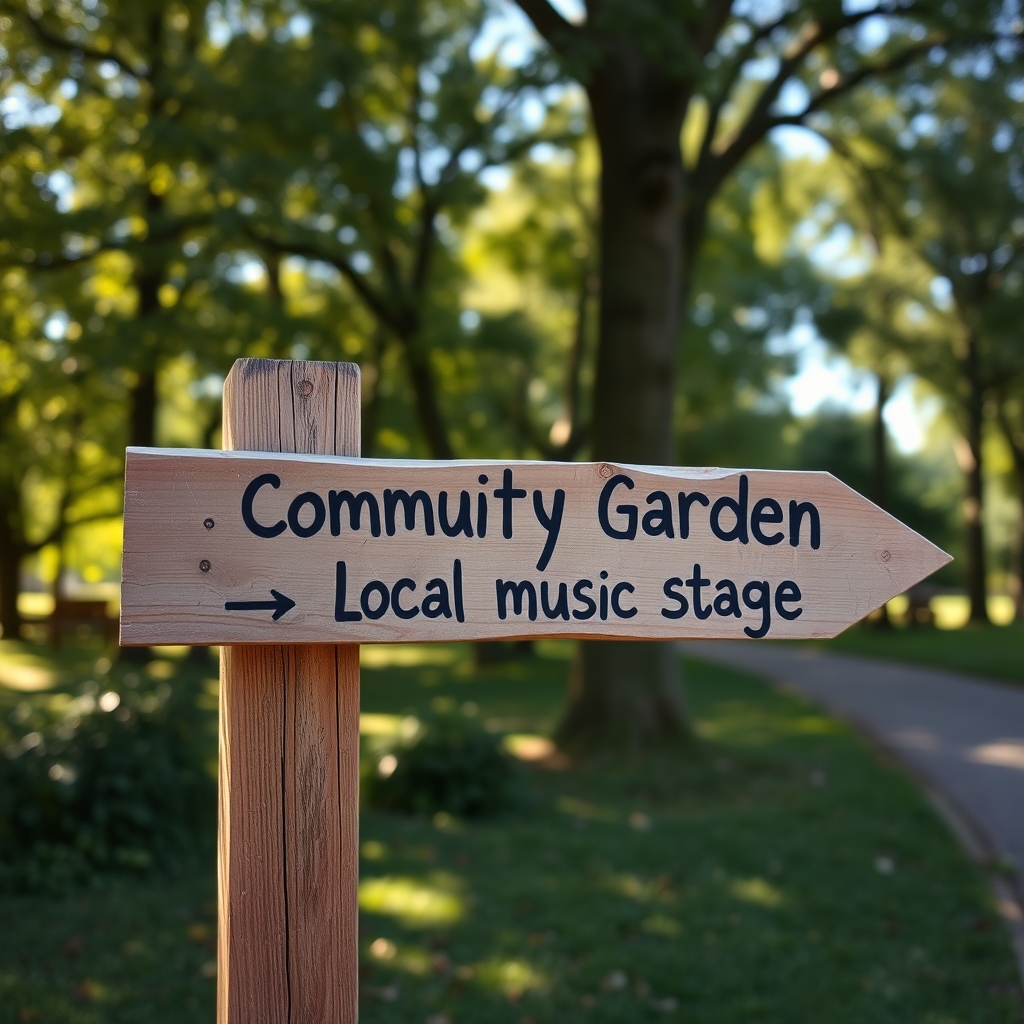
What Defines a ‘Micro-Festival’ in Today’s Landscape?
A micro-festival isn’t just a small event; it’s a specific philosophy of gathering. Generally, these events are defined by three core characteristics: they are community-driven, they are geographically limited, and they rely on participatory engagement rather than passive consumption. While a traditional festival might draw 50,000 people to a remote field, a micro-festival typically caps attendance at a few hundred, or perhaps a few thousand, depending on the venue.
The movement isn’t just about size; it’s about the “Who, Why, and How.”
- The Who: These events are organized by residents, local businesses, or neighborhood associations. The focus is on the people living in the immediate vicinity.
- The Why: The primary goal is usually to strengthen local ties, celebrate neighborhood identity, or support a local cause, rather than generating mass-market profit.
- The How: Logistics are kept intentionally simple. There are no massive security checkpoints, no complex digital ticketing systems, and no corporate sponsorship heavy-handedness.
For parents, this changes everything. You aren’t worried about losing your child in a sea of strangers. You aren’t spending three hours in traffic just to reach the gate. You are in a space where the “village” actually exists. If you forget a diaper or need a quiet corner to feed a baby, the environment is generally designed to be accommodating and familiar.
The Practical Shift: Why We Are Moving Away from the ‘Mega’
The rise of the micro-festival is not a coincidence. It reflects a broader shift in how we value our time. As digital burnout becomes a standard experience for most professionals, the appeal of “analog” experiences has surged. We want to disconnect from the screen and reconnect with our physical surroundings. When you attend a mega-festival, your role is that of a consumer—you buy a ticket, you consume content, and you leave.
In a micro-festival, your role is that of a contributor. You might be asked to bring a dish to a potluck, you might volunteer to help set up chairs, or you might simply be part of the community that makes the event feel vibrant. This shift from consumer to participant is psychologically significant. It provides a sense of agency that is often missing from our highly automated, service-based lives.
Furthermore, the economic reality of the 2020s has made local events more attractive. With the rising cost of living, families are increasingly wary of “event inflation.” A weekend trip to a major commercial festival can easily cost a family of four a significant portion of their monthly budget. Conversely, most micro-festivals are either free or operate on a “pay what you can” model, making them accessible even when household budgets are tight.
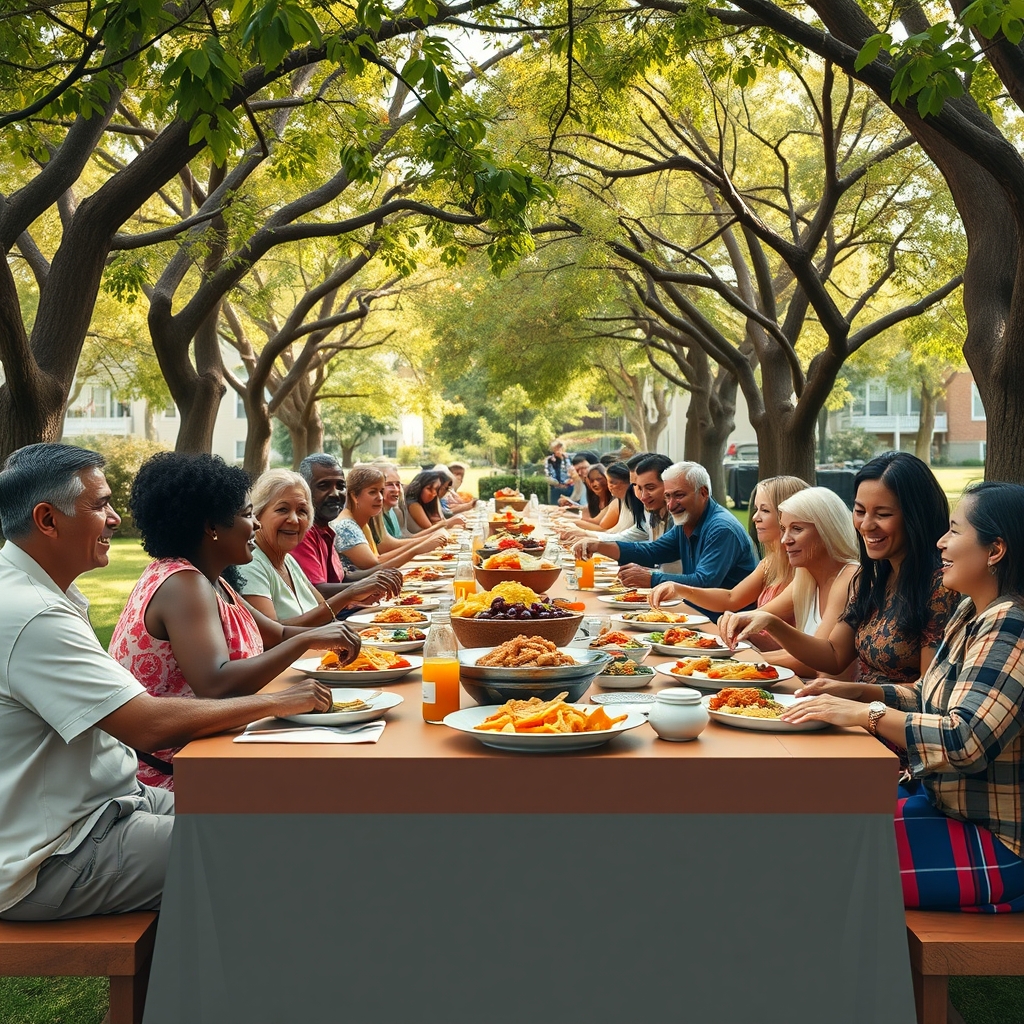
How to Find (or Create) Your Local Micro-Festival
If you are looking to tap into this movement, you might find that these events aren’t always marketed with the same intensity as commercial concerts. They don’t have PR teams or massive advertising budgets. You have to look in different places.
| Source | Why it works | Action Item |
|---|---|---|
| Community Boards | The analog method is still the most reliable for local news. | Check the bulletin board at your library or local cafe. |
| Hyper-local Facebook Groups | Neighborhood-specific groups are often where these events are born. | Search for “Your Neighborhood Name” + “Community.” |
| Local Business Associations | They often sponsor or organize neighborhood street days. | Follow your local main street association on social media. |
If you find that your neighborhood is lacking in these opportunities, the micro-festival movement is uniquely suited for grassroots initiation. You don’t need a permit for a thousand-person concert. Start with a “micro” approach: a block party, a shared garden clean-up, or a small park picnic with organized activities for the neighborhood kids. The beauty of the movement is that the scale is entirely up to you.
While the micro-festival movement is generally positive, it isn’t without its hurdles. Because these events are often organized by volunteers rather than professional event managers, you should adjust your expectations accordingly. Don’t expect the seamless infrastructure of a commercial venue. There might not be high-end catering, there might be limited seating, and the “schedule” might be more of a suggestion than a rigid timeline.
For parents, this means you need to be prepared. Bring your own seating, pack snacks, and be ready to adapt to a “go with the flow” atmosphere. The lack of professional polish is actually part of the charm—it’s an authentic human experience—but it does require a bit more self-sufficiency on your part.
Additionally, consider the impact of your attendance. If a micro-festival is being held in a sensitive area, such as a small community garden or a residential street, be mindful of noise, parking, and cleanliness. The sustainability of these events depends on the goodwill of the neighborhood. If attendees treat the space with respect, the organizers are much more likely to continue hosting them in the future.

The Role of Technology in the ‘Analog’ Movement
It sounds ironic, but technology plays a crucial role in facilitating these analog gatherings. While the event itself is about being present, social media and messaging apps are the connective tissue that makes these events possible. WhatsApp groups, Nextdoor threads, and digital neighborhood newsletters allow organizers to coordinate volunteers and keep residents informed without the need for expensive marketing campaigns.
The key is to use technology to facilitate the event, not to mediate it. Avoid the temptation to spend the entire festival documenting it for your social media followers. The value of a micro-festival is in the experience itself—the conversations you have, the food you share, and the sense of belonging you feel in your own community. Use your phone to find the event, but keep it in your pocket once you arrive.
Addressing Common Misconceptions
One common misconception is that micro-festivals are “exclusionary” or “cliquey.” While it’s true that these events are grounded in existing communities, most are actively looking for new members. The best way to overcome this feeling is to approach the event with an open, helpful attitude. If you see someone struggling to set up a tent or carry a heavy box, offer to help. You will find that the barriers to entry in a micro-festival are much lower than in any other social setting.
Another misconception is that these events are “boring” compared to major festivals. It depends on your definition of excitement. If your idea of excitement is a high-production-value light show and a massive crowd, then yes, a micro-festival will feel different. But if your idea of excitement is a genuine, unscripted moment of connection—a child making a new friend, a conversation with a neighbor you’ve lived next to for years but never really spoken to—then these events offer an experience that is far more meaningful and, ultimately, more rewarding.
The Long-Term Impact on Community Resilience
Beyond the immediate enjoyment, the micro-festival movement has a profound impact on community resilience. When you know your neighbors, you are better prepared to handle challenges. Whether it’s a neighborhood safety issue, a weather-related emergency, or simply the need for a bit of help with childcare, these social bonds are the foundation of a supportive environment. The micro-festival is a low-stakes, high-reward way to build that foundation.
In the coming years, as we continue to grapple with the isolation often brought on by digital-first lifestyles, these local gatherings will become increasingly vital. They serve as a reminder that we are not just citizens of a global digital network; we are physical beings who thrive on proximity, shared experience, and the simple, quiet joy of being part of a place.
Final Thoughts on Keeping it Simple
The next time you find yourself scrolling through ticket sites for a major event, feeling the weight of the logistics and the cost, pause. Look around your neighborhood instead. Check the local library, the town hall, or the community center. You might find that the best weekend of your month isn’t happening in a giant stadium across the city, but right around the corner, in a park, or on a street you walk down every single day.
Embrace the small. Prioritize the local. Your weekends—and your sanity—will thank you.
Frequently Asked Questions
- How can I find micro-festivals if they aren’t heavily advertised?
Look for physical signage in your area—community centers, libraries, and local cafes are prime spots for flyers. Additionally, join local Facebook or Nextdoor groups, as these are the primary hubs for neighborhood-level organization. - Is it appropriate to attend a micro-festival if I don’t live in that specific neighborhood?
Most micro-festivals are welcoming to visitors, provided you are respectful of the space. The goal is community, and community often expands to include those who show interest in the local culture. Just be mindful of local parking and noise etiquette. - What if I want to start my own micro-festival?
Start small. A “block party” approach is the easiest. Coordinate with three or four households, pick a common space, and keep the activities simple—potluck food, a few lawn games, and some music. The focus should be on ease of execution rather than elaborate planning.
For further reading on the importance of community infrastructure and local social capital, you can consult resources from Project for Public Spaces, which provides extensive guides on how to strengthen community through better public places.