- E-readers use E-ink technology, which mimics paper and drastically reduces eye strain compared to tablets.
- Switching to an e-reader for travel eliminates the “screen-time guilt” associated with tablets while saving significant physical luggage weight.
- Modern e-readers are waterproof, distraction-free, and offer weeks of battery life, making them the ultimate low-maintenance travel companion.
If you have ever found yourself frantically trying to squeeze three thick novels into an already overstuffed carry-on, or felt that familiar pang of guilt as your child stares blankly at a tablet for the fifth hour of a long-haul flight, you are not alone. The return of the dedicated e-reader is not just a trend for tech enthusiasts; it is a quiet, necessary revolution for families who want to reclaim their travel sanity.
In an era where we are constantly bombarded by notifications, pings, and the blue-light glare of high-definition displays, the e-reader offers something increasingly rare: a singular, focused, and peaceful experience. For parents in their 30s and 40s, this device is becoming the “secret weapon” for stress-free family travel.
The Evolution of the Digital Travel Library
Ten years ago, the e-reader was a clunky, expensive curiosity. Today, it has matured into a sleek, durable, and highly practical tool. Unlike the multi-purpose tablets we use for work and entertainment, an e-reader does exactly one thing: it displays text. This may sound like a limitation, but in the context of family travel, it is its greatest strength.
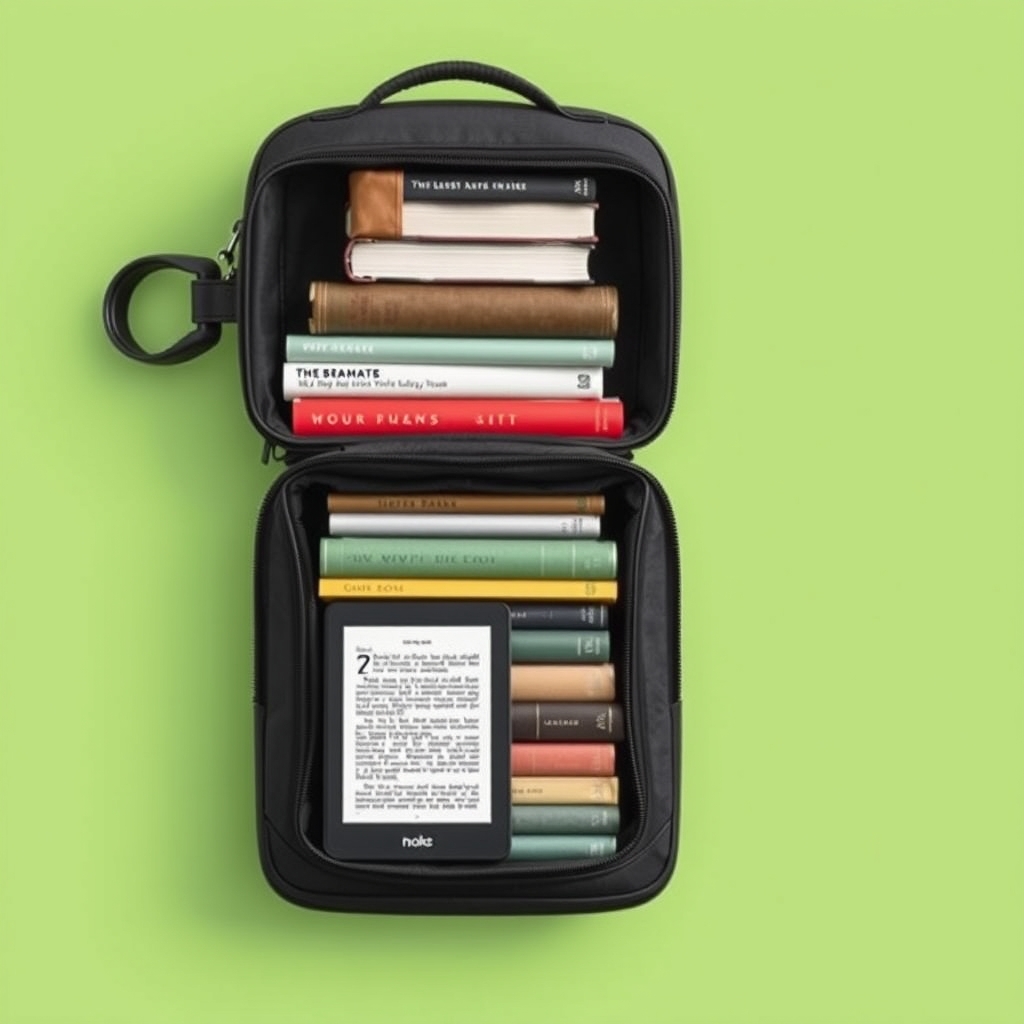
Think about the last time you boarded a plane. You likely had a phone, a tablet, perhaps a laptop, and a physical book. Each of these devices requires charging cables, specific battery management, and careful handling. A modern e-reader, by contrast, can hold thousands of books, weighs less than a single paperback, and boasts a battery that lasts for weeks—not hours.
When we talk about “digital minimalism,” we aren’t necessarily suggesting that you throw away your devices. Instead, it is about intentionality. By isolating reading to a dedicated device, you remove the temptation to check emails or scroll through social media, allowing for a deeper immersion that is difficult to achieve on a device that is also chirping with work notifications.
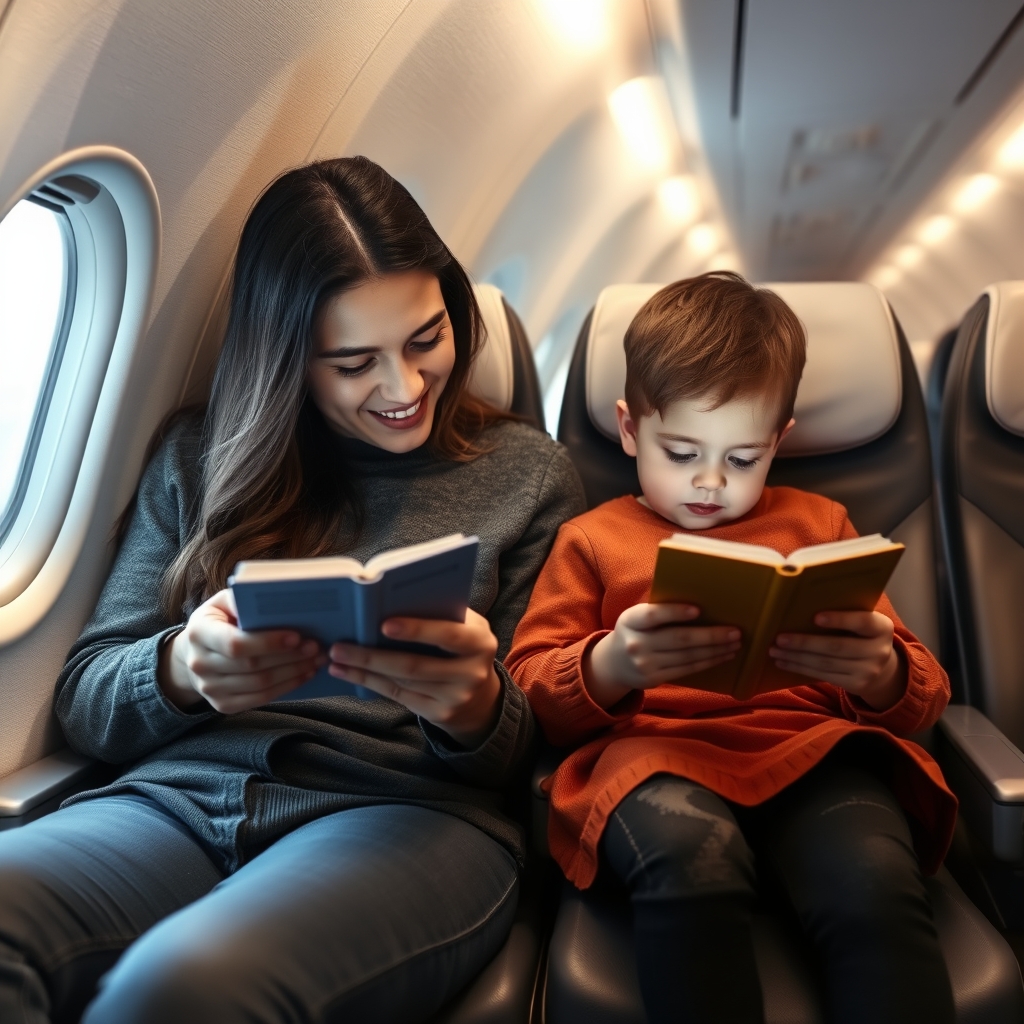
Why E-Ink is a Game Changer for Parents and Kids
The core technology behind the e-reader is “E-ink” (electronic ink). If you have never used one, it is important to understand why it feels so different from your smartphone or tablet screen. Standard screens are backlit; they shine light directly into your eyes. This is the primary driver of digital eye strain and can interfere with sleep patterns, especially during overnight flights or late-night bedtime reading.
E-ink, however, uses tiny microcapsules of black and white pigment. It doesn’t emit light; it reflects ambient light just like a printed page. Many modern devices now include a “warm light” feature that allows you to adjust the color temperature, making it even easier on the eyes in low-light conditions.
For parents, this means you can read comfortably in the dark while the children are asleep without the harsh blue light waking them up. For children, it provides a reading experience that doesn’t feel like “yet another screen.” It bridges the gap between the tactile joy of a physical book and the convenience of digital storage.
| Feature | Tablet/Smartphone | Dedicated E-Reader |
|---|---|---|
| Display | Backlit LCD/OLED (Eye strain) | E-ink (Paper-like comfort) |
| Battery | Hours (Daily charging) | Weeks (Charge once per trip) |
| Distractions | High (Notifications, games) | Zero (Focus on reading) |
| Visibility | Poor in bright sunlight | Perfect in direct sunlight |
Practical Considerations: What to Look For
If you are considering adding an e-reader to your family travel kit, there are a few non-negotiable features you should prioritize. Not all devices are created equal, and for a family on the go, durability and connectivity matter.
1. Waterproofing: This is a must-have. Whether you are at the beach, by the pool, or just prone to accidental spills in the backseat of a rental car, a waterproof rating (usually IPX8) provides incredible peace of mind.
2. Screen Size and Weight: A standard 6-inch to 7-inch screen is usually the sweet spot for portability. It fits easily into most small daypacks or even a large jacket pocket. If you plan on reading graphic novels or children’s illustrated books, you might lean toward the larger 8-inch models, but keep in mind that the added weight can become noticeable over long days of transit.
3. Ecosystem and Library Access: Most e-readers are tied to a specific store (like Amazon’s Kindle or Rakuten’s Kobo). Check which platform has the library services you prefer. Many public libraries now use apps like Libby or OverDrive, which allow you to borrow e-books for free. Ensure your device supports these services, as it can save a family a significant amount of money on holiday reading material.
The Psychology of “The Reading Space”
There is a subtle psychological benefit to having a device that does only one thing. When you pull out a tablet, your brain enters “multi-tasking mode.” You are ready to watch a movie, answer a message, or play a game. When you pull out an e-reader, you are signaling to yourself—and to your children—that it is time for quiet, sustained focus.
In our 30s and 40s, we are often the “managers” of our family lives. We are constantly context-switching. The e-reader acts as a physical boundary. When the device is in your hand, you are unavailable for the mundane digital noise of everyday life. This is a powerful model to set for children who are growing up in a world of constant distraction.
Try creating a “reading hour” during your travels. Whether you are waiting for a train or sitting in a hotel room, setting aside time where everyone puts away their phones and picks up their e-readers can turn a chaotic travel day into a shared moment of calm. It is a simple ritual, but it often becomes the highlight of the trip for parents who are usually too busy to finish a single chapter.
Common Mistakes and How to Avoid Them
One common mistake is failing to “prime” your device before you leave home. While most e-readers have Wi-Fi, you do not want to be stuck in a hotel with spotty internet trying to download a book your child suddenly decided they need. Make a habit of checking your library at least 48 hours before departure.
Another pitfall is assuming that a device is “childproof” just because it is an e-reader. While they are more durable than tablets, the screens can still crack under pressure. Invest in a sturdy, lightweight case. Look for one that includes a “sleep/wake” function, which automatically turns the device on when you open the cover—it is a small convenience that saves seconds and battery life over the course of a long trip.
Finally, do not forget about the “parental controls.” Most modern e-readers allow you to set up profiles for children. This lets you curate their reading list, set reading goals, and ensure they are only accessing age-appropriate content. This is particularly helpful when you are traveling and don’t want to worry about what your child might accidentally click on.
Managing Battery and Travel Logistics
One of the most liberating aspects of the e-reader is the “battery anxiety” reduction. We are so used to the “low battery” warning on our phones that we carry power banks everywhere. With an e-reader, you can comfortably leave the charger in your checked luggage or even at home if you are going away for a week.
However, there are a few tips to maximize your battery life while traveling:
- Airplane Mode: Always keep the device in airplane mode. Searching for Wi-Fi signals is the single biggest drain on battery life.
- Brightness Settings: You don’t need the light at full brightness. In most environments, 30-50% is plenty.
- Syncing: If you are traveling with multiple family members, ensure you know how to sync across devices if you share a library account. This prevents the frustration of “where did I leave off?” when swapping devices.
The Role of E-Readers in Long-Term Travel
If you are embarking on a longer trip, such as a month-long sabbatical or an extended summer vacation, the e-reader becomes even more essential. The sheer weight of physical books is prohibitive for long-term travel. A single e-reader can carry an entire library of books for the whole family, including reference guides, language phrasebooks, and children’s bedtime stories.
Consider the logistical nightmare of trying to find English-language books in a foreign country. While many places have great bookstores, they may not have the specific titles your child wants to read. With an e-reader, you have instant access to millions of titles, regardless of where in the world you are.
Furthermore, for parents who are trying to maintain a reading habit, the e-reader allows you to keep up with your interests. Whether you are into historical biographies, business books, or thrillers, the ability to download a new title the second you finish the last one is a luxury that makes long travel days feel significantly shorter.
Addressing the “Screen Time” Debate
We often categorize all screens as “bad.” But not all screen time is created equal. The passive consumption of algorithm-driven social media feeds or high-stimulation video games is fundamentally different from the active, cognitive engagement required for reading.
When you provide a child with an e-reader, you are providing them with an invitation to engage with their imagination. It is a tool that supports literacy and focus. When you are traveling, the environment is often over-stimulating. Airports, train stations, and new cities are loud and busy. An e-reader provides a portable “sanctuary” that a child can retreat into for a few minutes of quiet, regardless of the chaos happening around them.
It is also a great way to bond. You can read the same book as your child and discuss it over dinner. You can share highlights or talk about characters. This turns reading into a social, shared experience rather than an isolating one.
Conclusion: A Simpler Way to Travel
The return of the e-reader is a testament to the fact that sometimes, the best technology is the kind that gets out of the way. It doesn’t demand your attention; it waits for you to pick it up. It doesn’t track your location or suggest products; it simply holds the stories you want to read.
For families in their 30s and 40s, balancing the demands of modern life with the desire to explore the world, the e-reader is a practical, sustainable, and sanity-saving tool. It helps us reclaim the art of the quiet moment, saves us from the burden of heavy luggage, and reminds us that no matter how far we travel, a good story is always within reach.
As you prepare for your next family adventure, consider leaving the heavy stack of books at home and the extra tablet behind. Pack one or two e-readers, a spare charging cable, and a sense of curiosity. You might be surprised at how much more enjoyable the journey becomes when you have the space to slow down and lose yourself in a page—even if that page is digital.
Frequently Asked Questions
1. Will an e-reader replace the need for physical books for my children?
Not necessarily. Many families use e-readers for travel and convenience, while still keeping a collection of physical books at home. The e-reader is best viewed as a supplement, not a total replacement, especially for very young children who still need to develop fine motor skills with physical pages.
2. Is it difficult to borrow books from public libraries on an e-reader?
In many countries, it is quite simple. If your local library uses services like Libby or OverDrive, you can borrow digital books and send them directly to your device via your account. It is free, legal, and arguably the best way to keep a supply of books on your device without spending a fortune.
3. Can I use an e-reader if I don’t have a constant Wi-Fi connection?
Yes, that is the beauty of it. Once you have downloaded your books while at home or at a hotel with Wi-Fi, the device does not need an internet connection to function. You can read on a plane, on a beach, or in the middle of a remote park without any connectivity issues.
For further information on digital reading standards and eye health, you can visit the American Academy of Ophthalmology for resources on managing screen time, or check your local public library’s website for information on digital lending programs.