The secret to surviving a multi-climate family trip without paying exorbitant airline baggage fees—or losing your sanity—is to stop packing for specific days and start packing for specific layers.
- Adopt the Layering System: Focus on a base, mid, and outer layer strategy rather than packing individual outfits for every forecasted temperature.
- Prioritize Fabric Tech: Choose merino wool, synthetic blends, and moisture-wicking materials that offer high warmth-to-weight ratios and resist odors.
- Use Compression Cubes: Strategic organization is not just about tidiness; it is a tactical move to maximize volume and keep heavy gear separated from light fabrics.
We have all been there. You are planning a trip that takes you from a chilly mountain morning to a humid coastal afternoon. The forecast looks like a weather map gone haywire, and suddenly your suitcase feels like a high-stakes game of Tetris. If you are in your 30s or 40s, you are likely balancing the needs of children, a partner, and your own desire to not look like a frantic tourist hauling a massive trunk through a cobblestone alleyway.
The frustration is real. How do you pack for 5°C (41°F) and 25°C (77°F) in one carry-on? The answer isn’t a bigger bag; it is a smarter system. Let’s break down the mechanics of the multi-climate suitcase.
The Philosophy of the Capsule Wardrobe for Travel
Most travelers make the mistake of packing “outfits.” They think, “I need a set for Monday, a set for Tuesday,” and so on. In a multi-climate scenario, this leads to redundant clothing. If you pack a heavy coat, a light sweater, a long-sleeve shirt, and a t-shirt, you are actually packing four separate items that can be combined into various heat-retention levels.
Think of your clothing as a modular system. Your base layer is your moisture manager (think thin, breathable synthetic or merino wool). Your mid-layer is your heat trapper (fleece or light down). Your outer layer is your shield (windbreaker or rain shell). When the temperature drops, you simply stack these layers. When it rises, you peel them off.
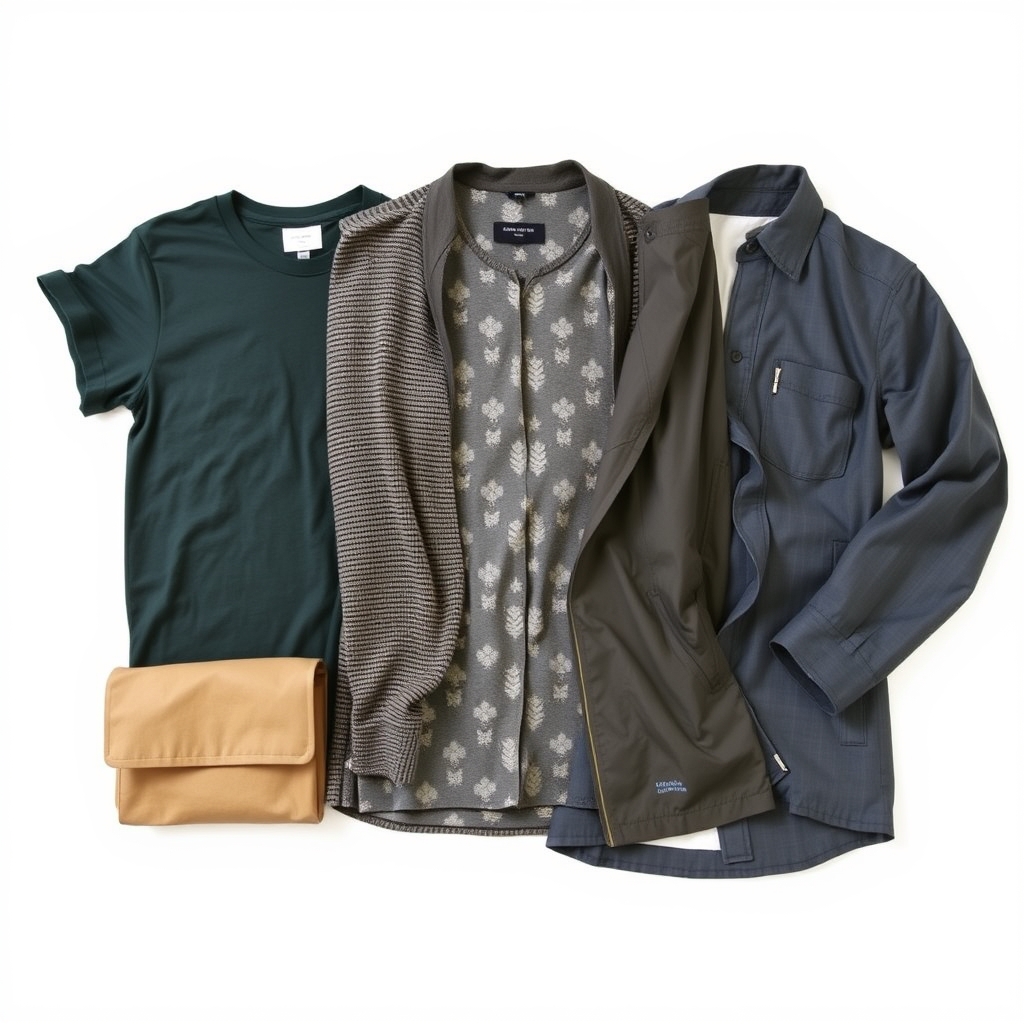
By focusing on a color palette—usually neutrals like navy, grey, black, or olive—every item you pack becomes interchangeable. If your child spills something on their shirt, you don’t need a specific “spare outfit”; you just need any clean shirt that matches the rest of the pile. This is the ultimate stress-reducer for parents on the go.
Fabric Selection: The Unsung Hero of Weight Management
When you are trying to pack for two seasons in one bag, weight and volume are your biggest enemies. Cotton is the enemy of the multi-climate traveler. It is heavy, it takes forever to dry, and it provides zero insulation when damp. If you get caught in a sudden rain shower in a cold climate, a cotton shirt will leave you shivering.
Instead, look for these performance materials:
| Material | Best For | Why It Works |
|---|---|---|
| Merino Wool | Base layers, socks | Naturally odor-resistant, temperature-regulating, and stays warm even when wet. |
| Synthetic Fleece | Mid-layers | Lightweight, dries quickly, and provides excellent warmth-to-weight ratio. |
| Nylon/Polyester Blends | Outer layers, pants | Wind-resistant, durable, and often wrinkle-free. |
| Down/Synthetic Down | Insulation | Compresses down to almost nothing in a packing cube, yet provides high warmth. |
Investing in these materials might seem like a splurge, but they pay for themselves by allowing you to travel with a smaller bag, potentially saving you the cost of checked baggage fees on budget airlines.
The Tactical Use of Packing Cubes
If you aren’t using packing cubes, you are missing out on the single most effective tool for family travel organization. In a multi-climate trip, the goal is to keep your “Cold Weather” gear separate from your “Warm Weather” gear so you aren’t digging through your entire suitcase every time the weather shifts.
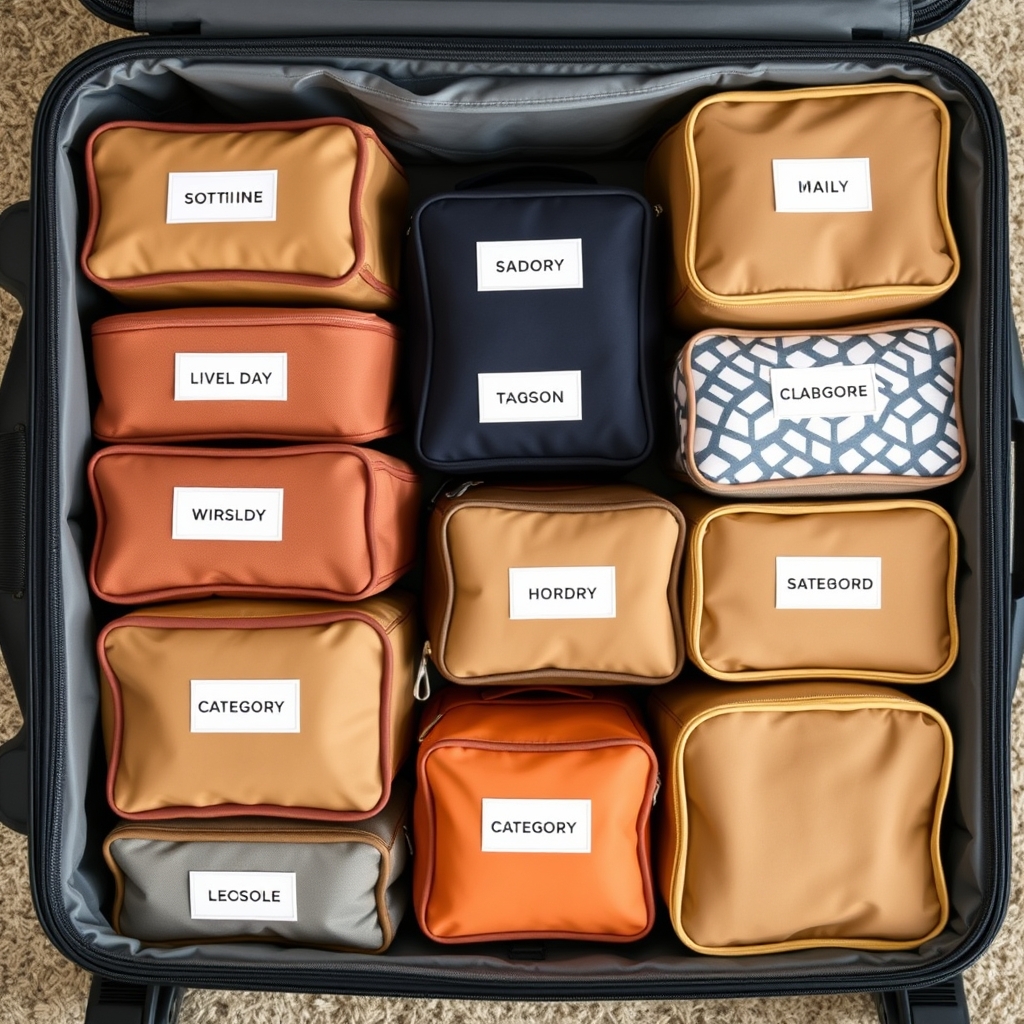
Assign specific cubes to specific functions:
- The “Warm” Cube: Shorts, t-shirts, and lightweight sundresses. Keep this at the top of your bag if you are starting your trip in a warmer region.
- The “Cold” Cube: Thermal base layers, thick socks, and beanies. These can be compressed to the bottom of the bag until needed.
- The “Tech/Accessory” Cube: Charging cables, power banks, and thin scarves or gloves.
- The “Dirty” Cube: Always keep one empty or expandable cube for laundry. This keeps the rest of your clean clothes fresh, which is vital when you are living out of a suitcase for a week or more.
Compression cubes are particularly useful here. They use a secondary zipper to squeeze the air out of your clothes, effectively reducing the volume of bulky items like sweaters or fleece jackets by up to 30%. It’s not magic; it’s physics.
Footwear: The Hardest Decision You Will Make
Shoes are the biggest “space-eaters” in any suitcase. For a multi-climate trip, you should aim for a maximum of two pairs: one on your feet, one in the bag. This is non-negotiable if you want to keep your luggage manageable.
The “on your feet” pair should be your heaviest and most versatile shoes. If you are heading to a cold destination, this means a waterproof, comfortable walking boot or a sturdy sneaker with good grip. If you are heading to a warm place, it might be a clean, stylish pair of trainers that can handle long walking days.
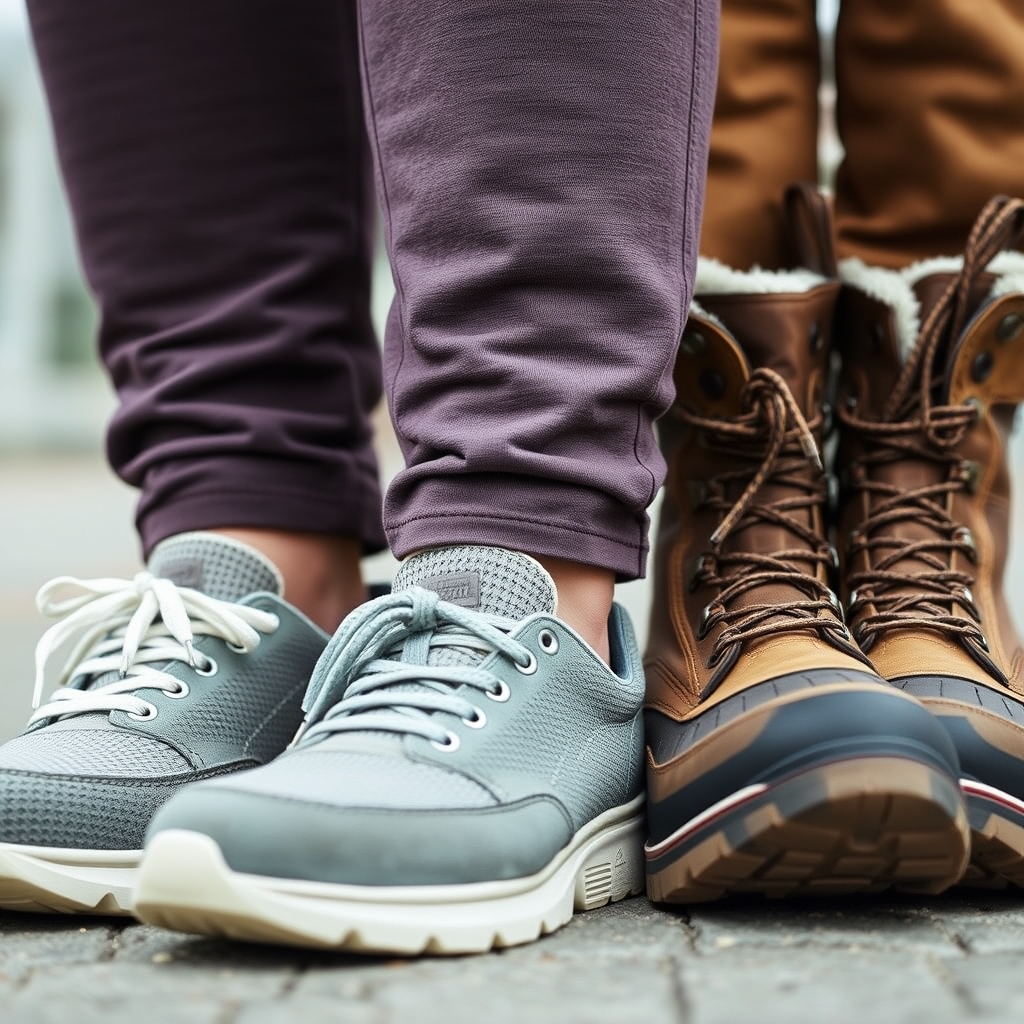
The “in the bag” pair should be the opposite. If you have boots on your feet, pack a lightweight, breathable sneaker or a versatile sandal. Avoid packing heels or heavy dress shoes unless absolutely necessary—they rarely get used and take up the space of three t-shirts.
Managing the “Parenting Factor”
When you are traveling with kids, the “multi-climate” challenge is compounded by the fact that they grow, spill, and have unpredictable needs. The rule for kids is simple: add one extra layer than you think they need. While you might be fine with a light jacket, a child’s body temperature can fluctuate faster, and they are less tolerant of being cold.
The “One-Day Buffer” Rule: Always pack one full outfit for each child in your carry-on bag, regardless of the flight length. If you are checking bags, this is your insurance policy against lost luggage. If you are doing carry-on only, this is your safety net for spills or mid-flight accidents.
Involve the kids in the packing process. Give them their own small packing cube. It teaches them responsibility and keeps their items contained. If they have their own “warm” and “cold” sections, they can help you transition the luggage when the climate changes, turning a stressful task into a collaborative family effort.
Common Mistakes to Avoid
Even with the best planning, it is easy to fall into common traps that derail your packing strategy. Let’s look at the most frequent offenders:
- The “Just in Case” Item: We all do it. “What if we go to a fancy dinner?” or “What if it snows unexpectedly in the desert?” If the event isn’t on your itinerary, leave it at home. If you really need it, you can buy it.
- Packing Full-Size Toiletries: This is a rookie mistake. In a multi-climate trip, you need space for layers. Use travel-sized containers or, better yet, buy basics like shampoo and body wash at your destination.
- Ignoring the Weather Trends: Don’t just look at the high and low temperatures. Look at the humidity and the likelihood of precipitation. A 15°C day in the dry desert feels very different from a 15°C day in a rainy, humid city. Humidity makes cold feel colder and heat feel hotter.
- Neglecting Maintenance: If you are traveling for more than a week, plan for laundry. Researching a local laundromat or choosing an accommodation with laundry facilities is a key part of the packing strategy. It allows you to pack for seven days, even if you are gone for fourteen.
The Psychological Aspect of Packing
There is a genuine sense of anxiety that comes with packing for an unpredictable trip. We worry about being cold, being under-prepared, or being uncomfortable. This anxiety often leads to “over-packing,” which is the root cause of most travel stress. The heavier your bag, the more effort you exert just to move from point A to point B. This leaves you tired, irritable, and less capable of enjoying the trip.
By committing to a minimalist, layer-based system, you are not just saving space; you are freeing up mental energy. When you know exactly what is in your bag and how every piece works together, you stop worrying about your luggage and start focusing on the experience. You become more agile, more spontaneous, and significantly less prone to “travel fatigue.”
Final Considerations for Your Journey
As you prepare for your next adventure, remember that your suitcase should be a tool that enables your trip, not a burden that dictates it. If you find yourself struggling to close the zipper, take a deep breath and remove the items you haven’t touched in the last two trips. The freedom of moving through an airport with a light, organized bag is worth more than the comfort of having “just one more” sweater.
If the weather turns out to be more extreme than anticipated, don’t panic. Local shops exist for a reason. Buying a local souvenir sweater or a practical rain poncho can actually become a fond memory of the trip, rather than a sign of a failed packing strategy. Stay flexible, keep your layers accessible, and enjoy the transition between the climates.
Frequently Asked Questions
Q: How do I handle laundry when traveling in different climates?
A: Prioritize accommodations with laundry facilities. If that isn’t possible, bring a small, travel-sized bottle of concentrated detergent. You can hand-wash base layers (like merino wool or synthetic shirts) in a hotel sink. They will typically dry overnight, especially if you hang them near a ventilation source.
Q: Is it better to wear my heaviest items on the plane or pack them?
A: Always wear your heaviest items—your boots and your thickest jacket—on the plane. This saves significant volume and weight in your luggage. Most planes are kept at a cooler temperature, so you will likely be comfortable wearing these layers during the flight anyway.
Q: How do I pack for a multi-climate trip if I am traveling with a baby?
A: Focus on “onesie” layers. For babies, a thin base layer, a fleece footie suit, and a weather-proof bunting or snowsuit provide excellent flexibility. Always prioritize a high-quality, lightweight baby carrier over a bulky stroller, as it makes navigating different terrains and climates much easier.
For further reading on travel safety and destination-specific climate data, consult the National Weather Service for regional forecasts or the U.S. Department of State for international travel guidelines.