The secret to successful family backpacking isn’t about carrying more “just in case” items; it’s about ruthlessly stripping away the non-essentials so you have the physical capacity to actually enjoy the journey with your children.
- Weight is the enemy: Reducing your base weight by just 20% can significantly decrease fatigue, allowing you to cover more ground without burnout.
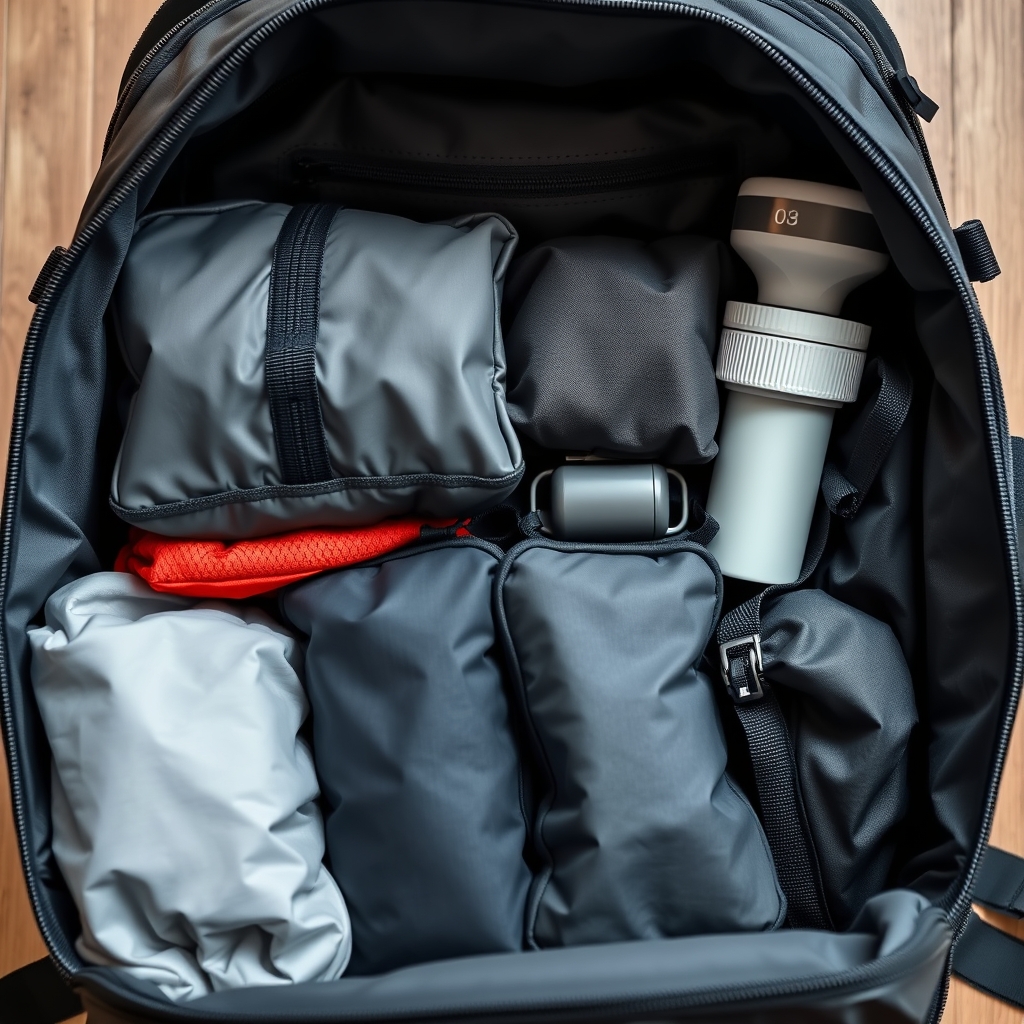
- Modular packing is mandatory: Use packing cubes to categorize items, making it easier to find essentials without dumping the entire bag on a muddy trail.
- The “One-for-All” rule: Prioritize gear that serves at least two purposes, like a rain poncho that doubles as a ground sheet.
If you have ever stood at your front door, staring at a mountain of gear that looks more like you’re moving house than going on a weekend hike, you aren’t alone. The classic parental instinct is to pack for every possible disaster: the sudden fever, the unexpected monsoon, the mid-hike wardrobe change, and the three different types of snacks that “might” be requested. But here is the reality check: every ounce you pack is an ounce you have to carry up that hill while also potentially carrying a tired toddler.
The “ultralight” philosophy is often associated with hardcore thru-hikers who cut the handles off their toothbrushes to save a gram. For parents in their 30s and 40s, we aren’t trying to set speed records. We are trying to preserve our backs and our patience. Adopting an ultralight mindset is about shifting from “what if?” to “what is essential?”
Understanding the Math of the Trail
In the world of lightweight backpacking, we distinguish between “base weight” and “consumables.” Your base weight is everything you carry that isn’t food, water, or fuel. As a parent, your base weight is usually inflated by “parenting tax”—the extra layers, the emergency toys, and the heavy, oversized first-aid kits.
The goal is to get your base weight down so that when you add your food and water, you aren’t exceeding 20% of your body weight. If you weigh 150 lbs, your pack shouldn’t exceed 30 lbs. When you are carrying gear for yourself and helping a child with their own smaller pack, that threshold becomes even more critical. You cannot be the pack mule for three people and expect to have a pleasant experience.
To start, you need a digital kitchen scale. It sounds obsessive, but it is the only way to be honest with yourself. Weigh your tent, your sleeping bag, your stove, and your clothes. You will be shocked at how much “convenience” gear weighs compared to the actual utility it provides. If you haven’t used an item in the last two trips, it stays home.
Gear Selection: The Art of Multi-Purpose Utility
The cornerstone of ultralight backpacking is the “multi-purpose” rule. If an item does only one thing, it is taking up valuable space. This applies to clothing, cooking gear, and even hygiene products.
Let’s look at clothing. Parents often pack a separate outfit for every day. In the ultralight world, you pack for a “system.” You wear one set of clothes, and you carry one backup set. That’s it. Merino wool is the gold standard here because it is naturally odor-resistant and moisture-wicking. You can wear the same base layer for three days, and it won’t smell like a locker room, which means you can pack fewer items.
The Tent and Sleep System Dilemma
Many family tents are heavy, bulky, and difficult to pitch. If you are backpacking with two kids, consider using two smaller, lightweight 2-person tents instead of one massive 4-person tent. Not only is the weight distribution better, but it also creates a smaller footprint, making it easier to find a flat spot in dense forests.
Sleeping bags are another weight trap. Instead of traditional rectangular bags, look into high-quality quilts. A quilt eliminates the heavy, useless bottom section of a sleeping bag (which gets compressed and loses its insulation value anyway) and relies on your sleeping pad to keep your back warm. For kids, a shorter, lightweight mummy bag is often sufficient and saves significant bulk.
| Item Category | Standard Approach | Ultralight Approach |
|---|---|---|
| Tent | Large, heavy family dome tent | Two ultra-lightweight 2-person tents |
| Clothing | Cotton outfits for every day | Merino wool base layers, light synthetic shell |
| Cooking | Heavy gas stove with multiple pots | Single titanium burner and one pot for everything |
| Hygiene | Full-sized toiletries | Biodegradable soap, small towel, minimal first aid |
The Psychology of Packing for Kids
Getting kids on board with the ultralight approach is a parenting challenge in its own right. If you tell a child they have to carry less, they might feel like they are being deprived of their comfort items. The trick is to give them agency, not just restrictions.
Give your child a specific “weight budget.” Let them choose what goes into their pack, provided it stays under a certain weight. If they want to bring a heavy stuffed animal, they have to sacrifice something else—like an extra book or a heavy snack. This teaches them the physical reality of what they are carrying. They quickly learn that an extra toy means a heavier bag at the end of a five-mile hike.
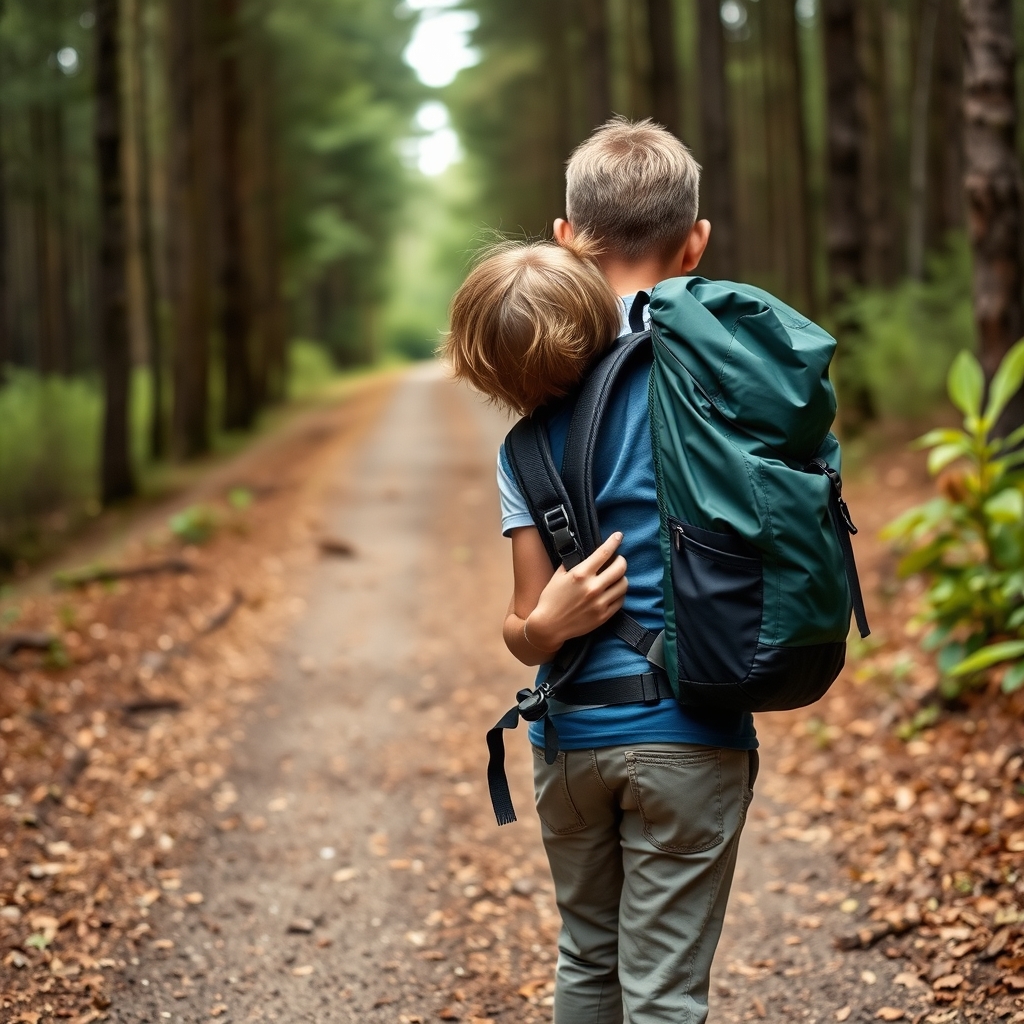
Also, prioritize their comfort during the hike itself. A child who is carrying a pack that doesn’t fit properly will be miserable regardless of how light it is. Invest in a pack with a proper hip belt that actually sits on their iliac crest (the top of the hip bone). If the pack is just hanging off their shoulders, they will be sore within the first mile.
Managing the “What If” Anxiety
The biggest hurdle for parents is the fear of being unprepared. What if they get cold? What if they get hungry? What if they scrape a knee? These are valid concerns, but they are often managed through skills rather than gear.
Instead of packing a massive, heavy first-aid kit that includes supplies for a field surgery, pack a “triage” kit. Focus on the most common trail injuries: blisters, minor cuts, and bug bites. You don’t need a full bottle of antiseptic; a small spray bottle or a few alcohol wipes will suffice. You don’t need an entire roll of duct tape; wrap a few feet around your trekking pole or water bottle.
The same logic applies to food. Don’t carry heavy, pre-packaged meals. Dehydrated food is the gold standard for weight, but even better is “no-cook” snacking. Trail mix, jerky, peanut butter packets, and dried fruit are dense in calories and require zero cleanup. If you do use a stove, a simple titanium pot is enough to boil water for oatmeal or a quick dehydrated dinner. You don’t need a frying pan or a spatula.
Maintenance and Hygiene on the Go
Hygiene is often the first thing people over-pack. You don’t need a full-sized towel, a full-sized toothbrush, or a full bottle of shampoo. Use a small, quick-dry microfiber towel. Use a travel-sized toothbrush, or even cut the handle of a regular one. A single, multi-purpose soap (like Dr. Bronner’s) can be used for your body, your hair, and even for washing your dishes.
The trick to keeping things clean is to adopt a “leave no trace” mindset inside your own pack. Use small, labeled Ziploc bags or lightweight dry sacks for your clothes. This keeps your clean clothes separate from your dirty ones and prevents the “everything is wet” scenario if you accidentally drop your bag in a puddle. It also makes finding your spare socks in the dark much easier.
When it comes to water, don’t carry four liters of water from the trailhead. Research your route and find out where the water sources are. Carry a lightweight filter (like a hollow-fiber membrane filter) or purification tablets. This reduces your “consumable” weight significantly, as you only need to carry enough water to get you to the next stream or spring.
Refining Your System Over Time
Your first ultralight trip will not be perfect. You will likely find that you still packed too much, or that you missed one critical item. This is normal. The key is the “post-trip audit.”
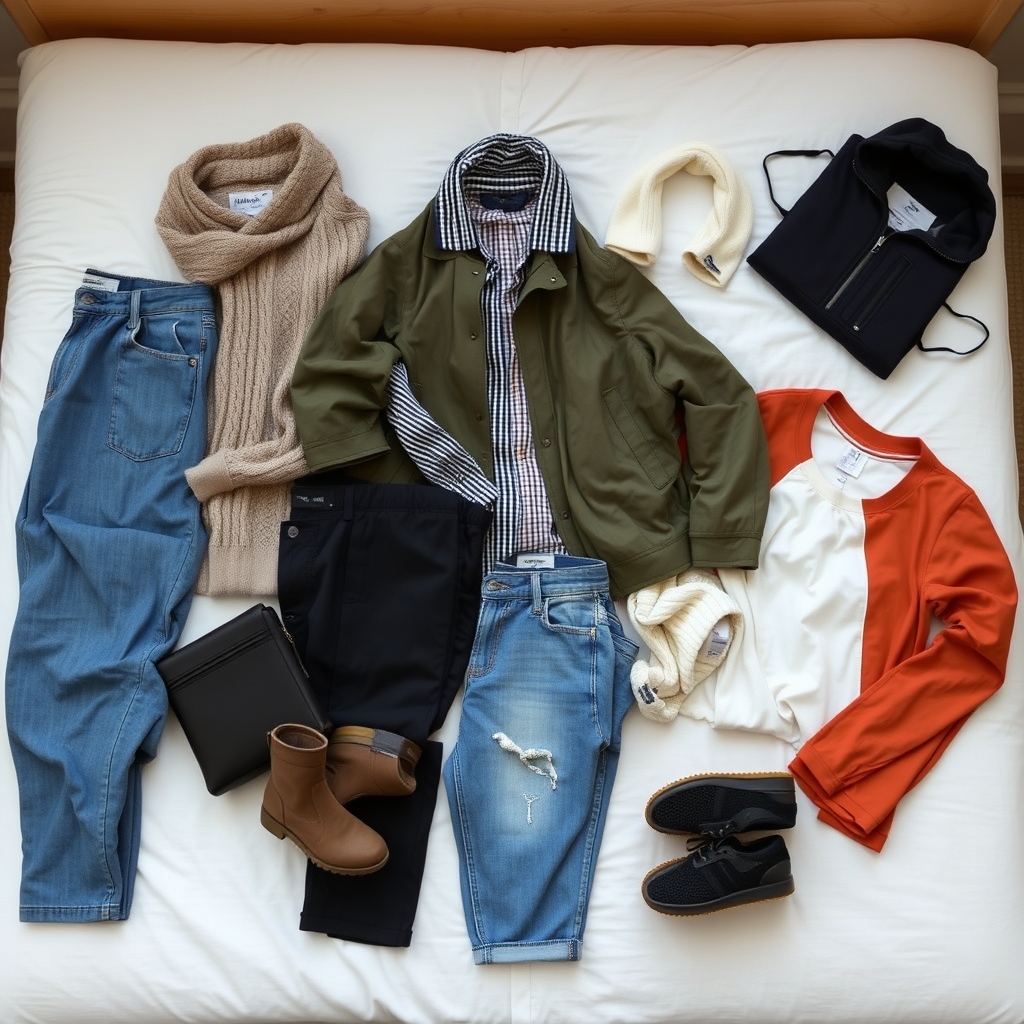
When you get home, lay everything out on the floor. Group items into three piles:
- Used every day: These are your essentials.
- Used once or twice: Consider if these are worth the weight for the next trip.
- Never touched: These are your “fear-based” items. Leave them at home next time.
This audit is the secret weapon of experienced backpackers. It turns every trip into a learning opportunity. Over time, your pack will naturally evolve into a highly efficient kit that is tailored specifically to your family’s needs and pace.
Remember that the goal is not to prove how little you can carry, but to increase the time and energy you have to spend with your kids. When you aren’t focused on the weight of your pack or the complexity of your gear, you have more bandwidth to notice the things that actually matter: the way your child looks at a salamander, the sound of the wind in the trees, and the shared sense of accomplishment when you reach your destination.
Common Pitfalls and How to Avoid Them
Even with the best intentions, there are a few common traps that parents fall into when transitioning to an ultralight style. The most common is “gear-chasing.” You see a new, expensive carbon-fiber tent or a lighter stove and think it will solve your problems. While lighter gear is nice, it is rarely the limiting factor. Your fitness level and your packing strategy are far more important than the brand of your gear.
Another pitfall is ignoring the “shoulder season” realities. Ultralight gear is often optimized for warm, dry weather. If you are planning to hike in the spring or fall, you need to account for temperature drops. Don’t sacrifice safety for weight. If the forecast calls for freezing temperatures, bring the extra sleeping bag liner. The goal is to be lightweight, not uncomfortable or unsafe.
Finally, avoid the trap of “group think.” Just because a popular blogger says you don’t need a sleeping pad doesn’t mean you should leave yours at home. Your physical needs are different from everyone else’s. If you have back pain, a high-quality inflatable pad is not a luxury; it is a necessity. The ultralight approach is about customization, not dogma.
Planning for Success: A Step-by-Step Approach
If you are ready to make the switch, start small. Don’t plan a week-long trek for your first ultralight outing. Start with a single overnight trip at a familiar location. This allows you to test your new gear and packing system without the pressure of a long-distance goal.
Start by creating a “gear list” spreadsheet. List every single item, its weight in grams, and a note about why you are bringing it. This forces you to justify every item. If you can’t justify why you need an item, remove it. You will be surprised at how much weight disappears just by the act of writing it down and seeing the total.
During the trip, pay attention to your kids. Are they tired? Are they frustrated? Use these cues to adjust your future plans. Maybe you need to shorten the daily mileage. Maybe you need more frequent snack breaks. The ultralight philosophy gives you the freedom to adjust because you aren’t anchored down by an excessive amount of gear.
Ultimately, backpacking with kids is an exercise in flexibility. There will be days when things go wrong, when the weather turns, or when the kids just aren’t having it. By traveling light, you are giving yourself the best possible chance to handle those moments with grace and, hopefully, a sense of humor. You are showing your children that adventure is accessible, that you don’t need a mountain of stuff to be happy, and that the best things in life—the view, the fresh air, the time spent together—are completely weightless.
If you find yourself struggling to stay under your target weight, look at your “big three”: your tent, your sleeping system, and your backpack itself. These are usually the heaviest items. Upgrading these three categories will provide the most significant weight savings. Don’t worry about the small stuff, like the weight of your spoon or your toothbrush, until you have optimized the big three.
Keep the spirit of the adventure alive by focusing on the “why.” You are out there to build memories, to foster a love of the outdoors, and to disconnect from the noise of everyday life. The gear is just a tool to help you get there. Don’t let the tool become the focus of the trip. Keep your kit simple, keep your pace steady, and keep your focus on the kids.
For further reading on gear safety and national park regulations, you can check resources like the National Park Service or the Leave No Trace Center for Outdoor Ethics. These organizations provide excellent guidance on how to travel safely and responsibly in the wilderness, regardless of how much—or how little—you are carrying.
Frequently Asked Questions
1. Is “ultralight” backpacking safe for children?
Yes, provided you don’t compromise on essentials like warmth, nutrition, and safety gear. The goal of “ultralight” is to reduce unnecessary weight, not to eliminate critical survival items. Always ensure your child has the appropriate gear for the specific environment and weather conditions.
2. What is the biggest mistake beginners make when going ultralight?
The biggest mistake is focusing on the gear rather than the skills. Many people buy expensive, lightweight gear but don’t know how to use it effectively or how to manage their energy. Ultralight backpacking is a system, not just a collection of expensive items. Start with what you have, weigh it, and systematically replace the heaviest, least-used items.
3. How do I handle emergency situations if I’m not carrying a heavy first-aid kit?
Focus on a “triage” kit rather than a “comprehensive” kit. Pack enough to handle common issues like blisters, minor cuts, and bug bites. For serious emergencies, your primary “gear” should be your knowledge—know how to signal for help, how to stay warm, and how to stay hydrated. If you are going into remote areas, consider carrying a satellite messenger for peace of mind.
Happy trails, and may your packs be light and your memories heavy.