Investing in modular furniture is the most effective way to future-proof your home, allowing you to adapt your living space to your children’s developmental stages without needing a complete renovation or a new shopping trip every two years.
- Longevity: Modular units are designed to be reconfigured, meaning they grow with your child from the toddler years through the teenage phase.
- Space Efficiency: These pieces allow you to maximize small footprints by changing the layout to suit specific activities, such as remote schooling or play.
- Sustainability: Investing in high-quality modular pieces reduces the need for “fast furniture,” lowering your long-term environmental footprint and budget.
If you are in your 30s or 40s, you likely remember the cycle: you buy a crib, then a toddler bed, then a twin bed. You buy a small activity table, then a desk, then a larger desk for high school. It’s a relentless cycle of acquiring, discarding, and assembling. It is exhausting, expensive, and frankly, a bit of a clutter nightmare.
The “modular furniture” trend isn’t just an aesthetic choice favored by interior designers on social media; it’s a pragmatic response to the reality of modern parenting. We are living in an era where square footage is a premium and our children’s needs evolve faster than our bank accounts can keep up. Let’s look at how this shift in thinking can save you time, money, and your sanity.
What Exactly Is Modular Furniture?
At its core, modular furniture is a system of independent units that can be combined, rearranged, or expanded. Think of it like high-end, functional LEGO blocks for your home. Instead of buying a static bookshelf, you buy a series of cubes, shelves, and cabinets that can be stacked vertically or spread horizontally. If you move houses, or if your kid goes from wanting a floor-based play area to needing a dedicated study zone, the furniture doesn’t change—your configuration does.
For parents, this means moving away from single-purpose items. A “nursery set” is a classic example of a single-purpose trap. Once the child outgrows the crib, those matching pieces often look entirely out of place in a pre-teen’s room. Modular systems prioritize neutral aesthetics and structural flexibility, ensuring that a storage unit you bought when your child was three can hold their gaming console or textbooks when they are thirteen.
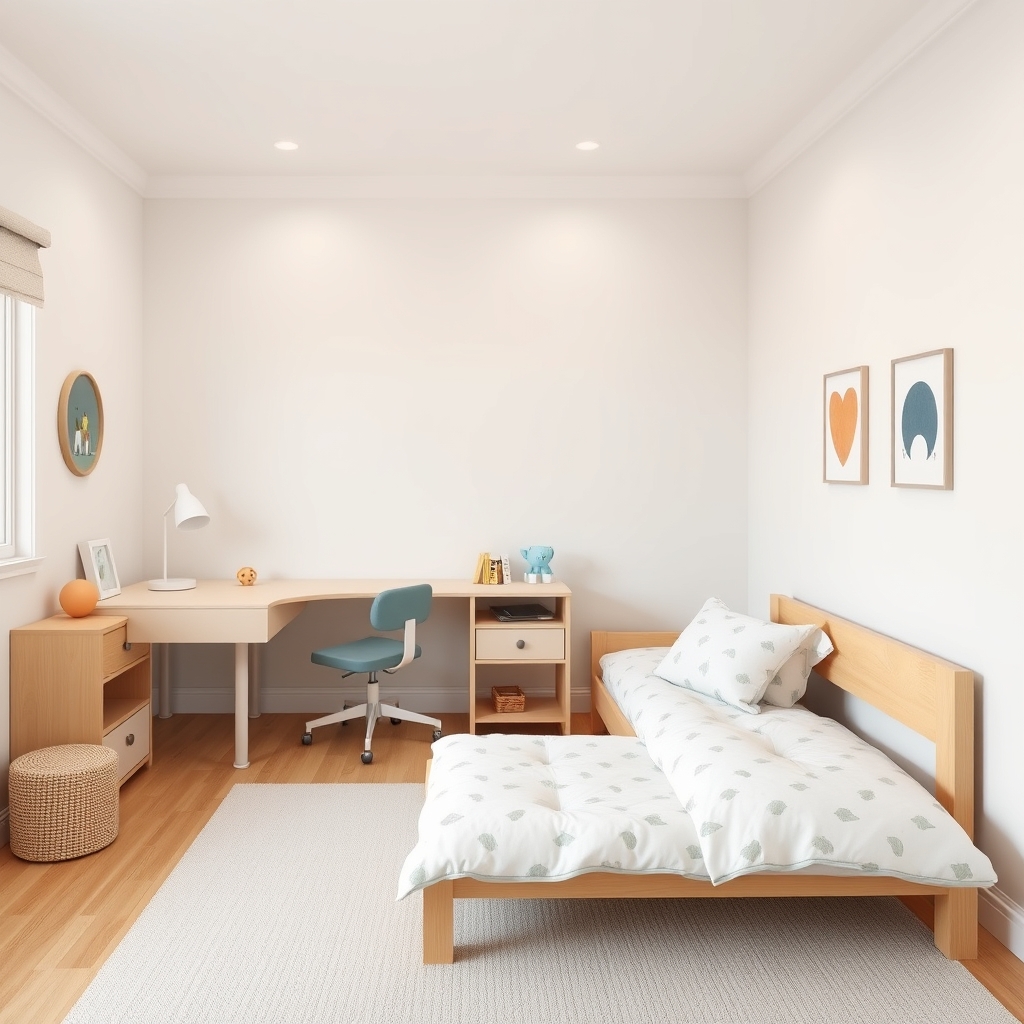
Why Your Current Furniture Is Holding You Back
Most of us grew up with “fixed” furniture. A bed was a bed. A desk was a desk. When our needs changed, we replaced the furniture. This model relies on the assumption that your home layout and your family’s needs will remain static for a decade or more. But as anyone with kids knows, life is anything but static.
When you use fixed furniture, you are essentially paying for a temporary solution. You buy a toddler-sized plastic desk, and within three years, it’s a piece of landfill-bound plastic. With modular pieces, you are investing in a system that matures. You might start with a base unit, and as your child gets older, you add a hutch, a drawer set, or a side extension. It’s an incremental investment strategy for your home.
Furthermore, modular furniture allows for better “zoning.” In a shared bedroom or a small apartment, the ability to physically shift a room’s layout is a game-changer. You can transform a play corner into a quiet reading nook by simply moving a modular shelving unit to act as a room divider. You don’t need a contractor; you just need a bit of elbow grease and a hex key.
Evaluating the Cost-to-Utility Ratio
A common pushback against modular furniture is the initial price tag. Yes, a high-quality modular desk system often costs more upfront than a mass-produced, particle-board table. However, we have to look at the total cost of ownership.
| Feature | Fixed Furniture | Modular Furniture |
|---|---|---|
| Lifespan | 2–4 years | 10+ years |
| Flexibility | None (fixed shape) | High (reconfigurable) |
| Resale Value | Low | High (parts are interchangeable) |
| Assembly | Required once | Required periodically |
When you calculate the cost of buying three separate desks over twelve years versus buying one modular system that evolves, the modular route is almost always cheaper. Plus, there is the hidden cost of frustration. Trying to sell or dispose of heavy, fixed furniture is a chore. Modular units break down into manageable, transportable pieces, making them far easier to move or pass on to a younger sibling or friend.
Common Mistakes to Avoid When Investing
It’s tempting to jump into a system because it looks good in a catalog, but you need to be strategic. Here are a few traps I’ve seen people fall into:
- Ignoring the Connector Quality: The “modular” nature of the furniture lives and dies by its connectors. If the hardware that holds the pieces together is cheap plastic, it will wiggle and fail after two reconfigurations. Always check for metal-on-metal locking mechanisms.
- Over-buying Early: Don’t try to build the “perfect” room on day one. Start with the essentials. As your child grows, you will better understand their habits—do they need more drawer space, or a larger surface for art? Buy the extensions when the need arises, not before.
- The “Aesthetic Trap”: Avoid buying pieces that are hyper-specific to a trend. A neon-green modular shelf might look cool today, but in four years, your child will likely hate it. Stick to wood tones, whites, or matte grays. These colors adapt to changing room themes effortlessly.
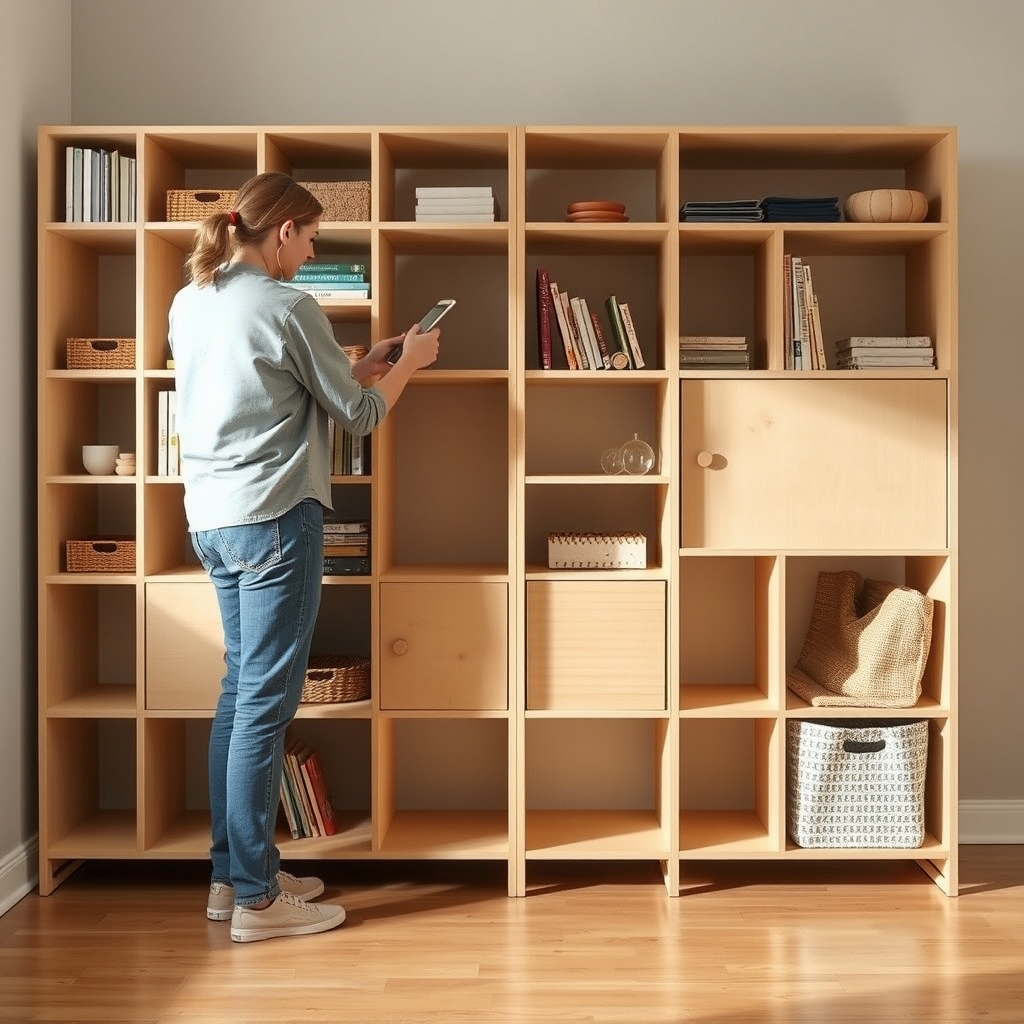
The Psychological Benefits of a Flexible Space
There is a subtle but real psychological impact of living in a space that changes. For children, having a room that evolves with them fosters a sense of agency. When they are toddlers, the floor is their kingdom. As they enter primary school, they need a dedicated space for focus. By allowing their room to change alongside their cognitive development, you are reinforcing the idea that their environment is a tool for their success, not just a place to store their toys.
For parents, the benefit is the reduction of “clutter anxiety.” When you have a modular system, everything has a place, and that place can be adjusted to fit the current volume of “stuff.” If your child goes through a phase of collecting rocks or building massive models, you can reconfigure the shelving to accommodate those specific needs. It’s a way of maintaining order without being a tyrant about your child’s hobbies.
Practical Tips for Implementation
If you’re ready to start, don’t feel like you need to gut your house in a weekend. Start with one zone. The most common place to start is the “activity zone.” Whether it’s a craft corner or a study area, this is where needs change most rapidly.
Step 1: Audit your storage. Look at what is currently on the floor. If it’s on the floor, it’s not being used efficiently. Modular shelving can take that clutter and move it to the walls, freeing up floor space for movement.
Step 2: Measure for the future. Don’t just measure for the space you have today. Measure for the space you might have in five years. Will this unit fit if you move it to a different wall? Is it modular enough to be split into two smaller units if you eventually move to a larger home?
Step 3: Invest in the base. If you are buying a modular system, the base units are the most important. Ensure they are heavy-duty and stable. You can always swap out a shelf or a door later, but you can’t easily swap out a warped frame.
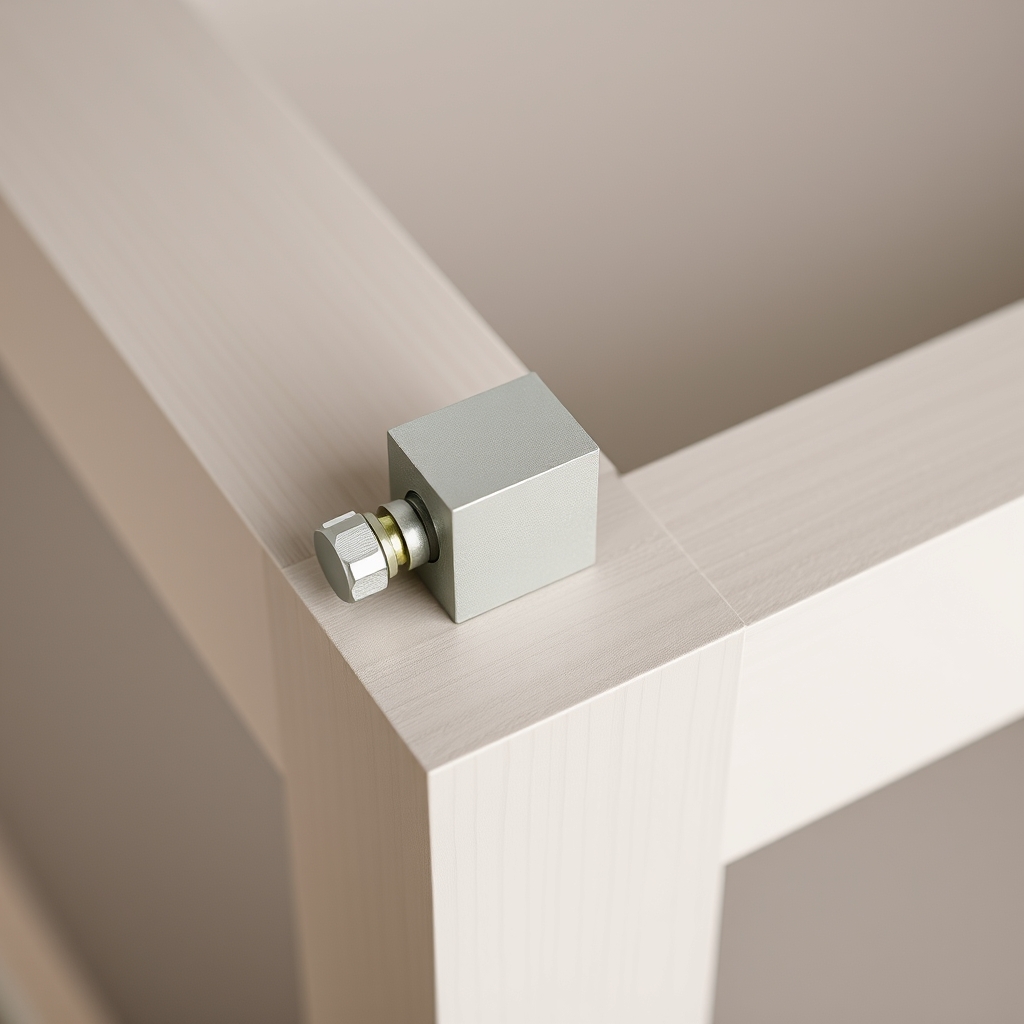
When shopping, look for brands that offer “open systems.” These are systems where you can still buy parts for them even five or ten years down the road. Some high-end Scandinavian brands are famous for this—you can buy a shelf today and find the matching bracket for it a decade later. Avoid “closed systems” from fast-furniture outlets that change their design specs every season.
If you are unsure where to start, look for companies that provide 3D room planners on their websites. These tools allow you to input your room dimensions and play with different configurations. It’s an excellent way to visualize how the furniture will grow with your child without committing to a purchase.
Also, keep in mind the safety aspect. Modular furniture, especially if it’s stacked high, must be anchored to the wall. This is non-negotiable, especially with active children. Most modular systems come with wall-mounting kits—use them. If you are stacking units, ensure the weight is balanced, with heavier items at the bottom to prevent tipping.
The Long-Term View
We are currently in a transition phase regarding home consumption. The “buy, break, replace” model is rapidly losing favor among people in their 30s and 40s who are prioritizing both financial sustainability and environmental responsibility. Modular furniture is a key pillar of this shift.
By choosing pieces that can adapt, you are teaching your children a valuable lesson about consumption. They see that an object doesn’t have to be replaced just because it’s slightly inconvenient. They see that with a bit of creativity and a few spare parts, you can make something new out of something old. That’s a lesson that will serve them well long after they’ve moved out of your house.
Of course, don’t expect perfection. There will be times when you reconfigure a room and realize it doesn’t work as well as you hoped. That’s okay. The beauty of modular furniture is that you can just move it again. It’s a process of trial and error, a way of living that acknowledges that our lives are constant works in progress.
Be patient with yourself as you make this transition. You don’t need to have the perfect, Instagram-ready modular room overnight. Start small, focus on quality, and remember that the goal is a home that supports your family’s growth, not a showroom that restricts it.
Frequently Asked Questions
Is modular furniture actually safe for young children?
Yes, provided you follow the manufacturer’s installation guidelines. The most critical step is wall-anchoring. Because modular furniture is often composed of separate units, it is essential to ensure that each unit is securely fastened to the wall to prevent tipping. Always check the weight limits for each shelf and ensure that heavy items are stored at the bottom.
How do I know if a brand will still sell parts for my furniture in five years?
Look for brands with a track record of “evergreen” collections—designs that haven’t changed in years. Generally, established furniture brands that focus on professional-grade or long-term residential systems are more reliable than trendy, fast-fashion home decor outlets. Reading reviews from customers who have owned the system for several years can provide insight into the brand’s commitment to legacy parts.
Can I mix and match different brands of modular furniture?
While it is possible to mix brands, it is rarely recommended unless you are very handy with tools. Different brands use different screw sizes, hole spacings, and proprietary locking mechanisms. To avoid frustration and structural instability, it is best to stick to one system or brand for each specific installation.
For further reading on home safety and furniture standards, you can check the resources provided by the U.S. Consumer Product Safety Commission (CPSC) regarding furniture stability, or explore sustainable interior design practices through organizations like the U.S. Green Building Council.