- Sensory regulation is key: Managing light, sound, and tactile input in your bedroom directly correlates to better sleep quality and nervous system recovery.
- Low-cost wins: You don’t need a total renovation; small changes like blackout liners, weighted blankets, and decluttering yield the highest impact.
- Focus on the environment: Sleep hygiene isn’t just about habits; it’s about creating a “low-arousal” environment that signals to your brain it is time to shut down.
You can transform your bedroom into a sensory-friendly sanctuary for less than the cost of a weekend getaway by focusing on three pillars: light management, auditory control, and tactile comfort. If you have ever felt like your bedroom is more of a source of stress than a retreat, you aren’t alone. As we hit our 30s and 40s, the “always-on” nature of work and parenting makes our home environment more critical than ever. When your brain is overstimulated by screens, noise, and clutter, your bedroom should be the one place that acts as a circuit breaker.
Creating a sensory-friendly space isn’t just a trend for neurodivergent individuals—it is a practical approach to sleep hygiene that benefits anyone struggling with modern-day burnout. Let’s look at how to strip away the sensory noise without breaking the bank.
Understanding the Sensory Environment
Before we start buying things, we have to talk about what “sensory-friendly” actually means in a domestic context. Sensory processing refers to how your brain receives, organizes, and responds to input from your environment. For many of us, the modern bedroom is a minefield of “sensory spikes.” Think about that blinking Wi-Fi router light, the hum of the air conditioner, the scratchy texture of a synthetic duvet cover, or the visual clutter of laundry piles.
When these inputs are left unchecked, they prevent the body from entering a parasympathetic state—the “rest and digest” mode necessary for deep sleep. By intentionally reducing these inputs, you are essentially telling your nervous system that it is safe to power down. This is particularly important if you are a parent; after a day of high-stimulation interactions with children, your brain needs a low-stimulation environment to recalibrate.

The Visual Diet: Managing Light and Clutter
Visual clutter is one of the most overlooked sensory stressors. When our eyes scan a room and see piles of books, half-folded clothes, or miscellaneous gadgets, our brains subconsciously process each item. This is “cognitive load.” To make a bedroom sensory-friendly, the goal is to reduce the number of things your brain has to track.
The Power of Blackout Solutions
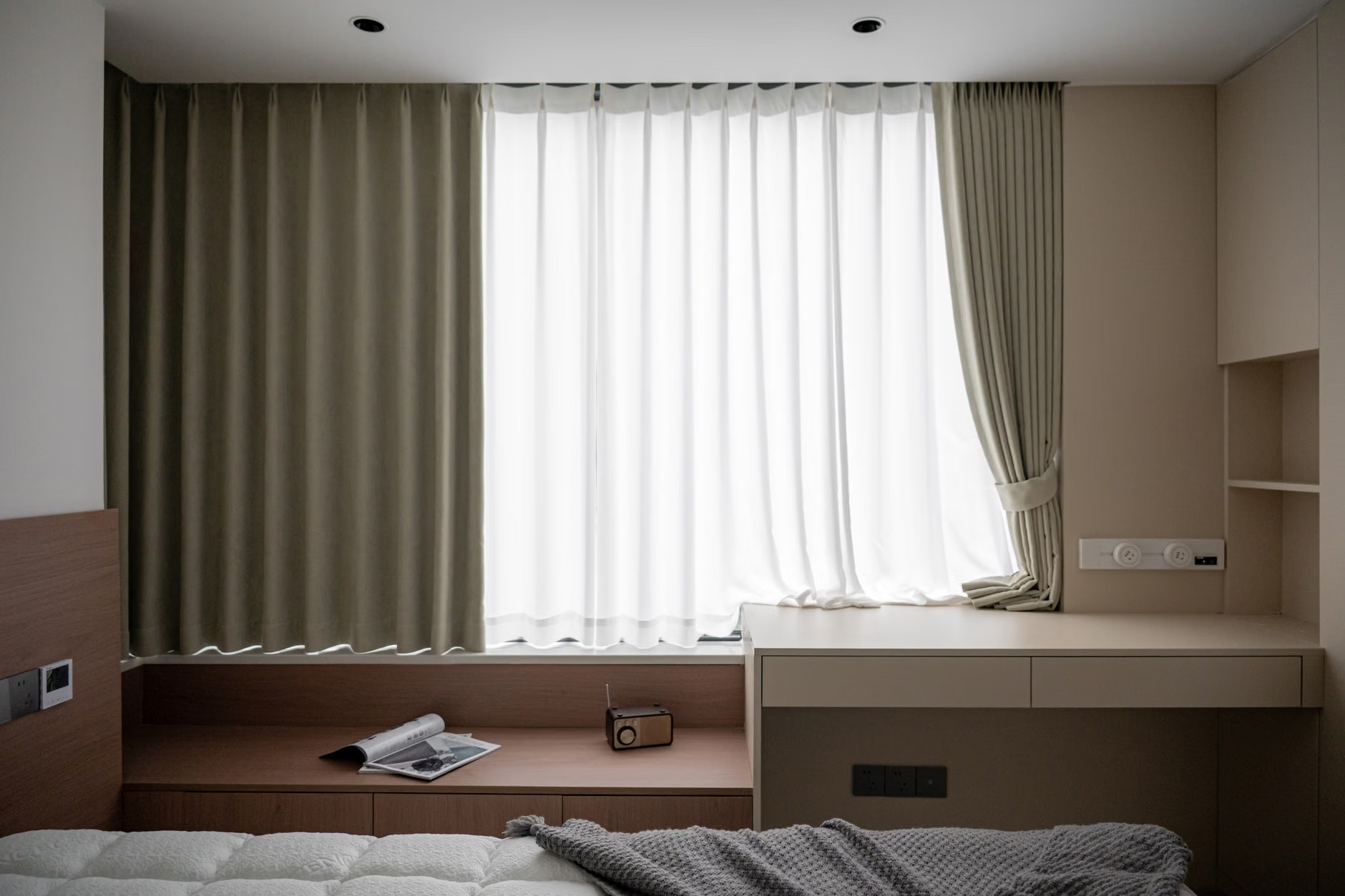
Light is the primary regulator of our circadian rhythm. Even low levels of light, such as a streetlamp filtering through thin curtains, can disrupt melatonin production. You don’t need custom-built shutters to fix this. Blackout liners are a budget-friendly alternative that can be attached to your existing curtain rods. Alternatively, simple tension rods with heavy, light-blocking fabric can do the trick for a fraction of the cost of professional window treatments.
Neutralizing the Palette
You don’t need to repaint the entire room to change the “vibe.” If your walls are a high-energy color, consider using large, neutral-toned tapestries or simply removing busy wall art. The goal is to move toward a palette that doesn’t demand attention. Soft grays, muted blues, or earthy creams provide a “visual silence” that helps the eyes—and the brain—relax.
Taming the Tech
LED lights from charging cables, routers, and smart speakers are “silent” stressors. A simple roll of electrical tape can cover those tiny, annoying green or blue status lights on your electronics. If you have a desk in your bedroom—a common reality for those balancing work-from-home life—ensure it is hidden or covered at night. A simple folding screen or a dedicated closet space can help you physically “close the door” on work stress.
Auditory Control: Creating a Sound Sanctuary
Silence is rarely truly silent. In urban environments, we deal with traffic, neighbors, and ambient electrical hums. In quieter environments, we might be hypersensitive to the sound of a ticking clock or the house settling. Managing sound is about creating a “sound floor” that masks unpredictable, jarring noises.
White Noise vs. Brown Noise
White noise is the standard, but many people find it too “hissy” or sharp. If you find white noise irritating, try “brown noise.” Brown noise has a deeper, rumbling frequency—think of the sound of a distant waterfall or heavy rain. It is often much more soothing for adults. You don’t need a fancy machine; a simple Bluetooth speaker connected to a free app on your phone works just as well.
Softening the Surfaces
Hard surfaces bounce sound around, creating an echoey, cold environment. Soft surfaces absorb sound. This is where textiles become functional tools. If you have hardwood floors, a thick area rug (even a budget-friendly synthetic one) will dampen footsteps and absorb ambient sound. Wall hangings, thick curtains, and even bookshelves filled with books act as acoustic baffles, making the room feel quieter and more intimate.
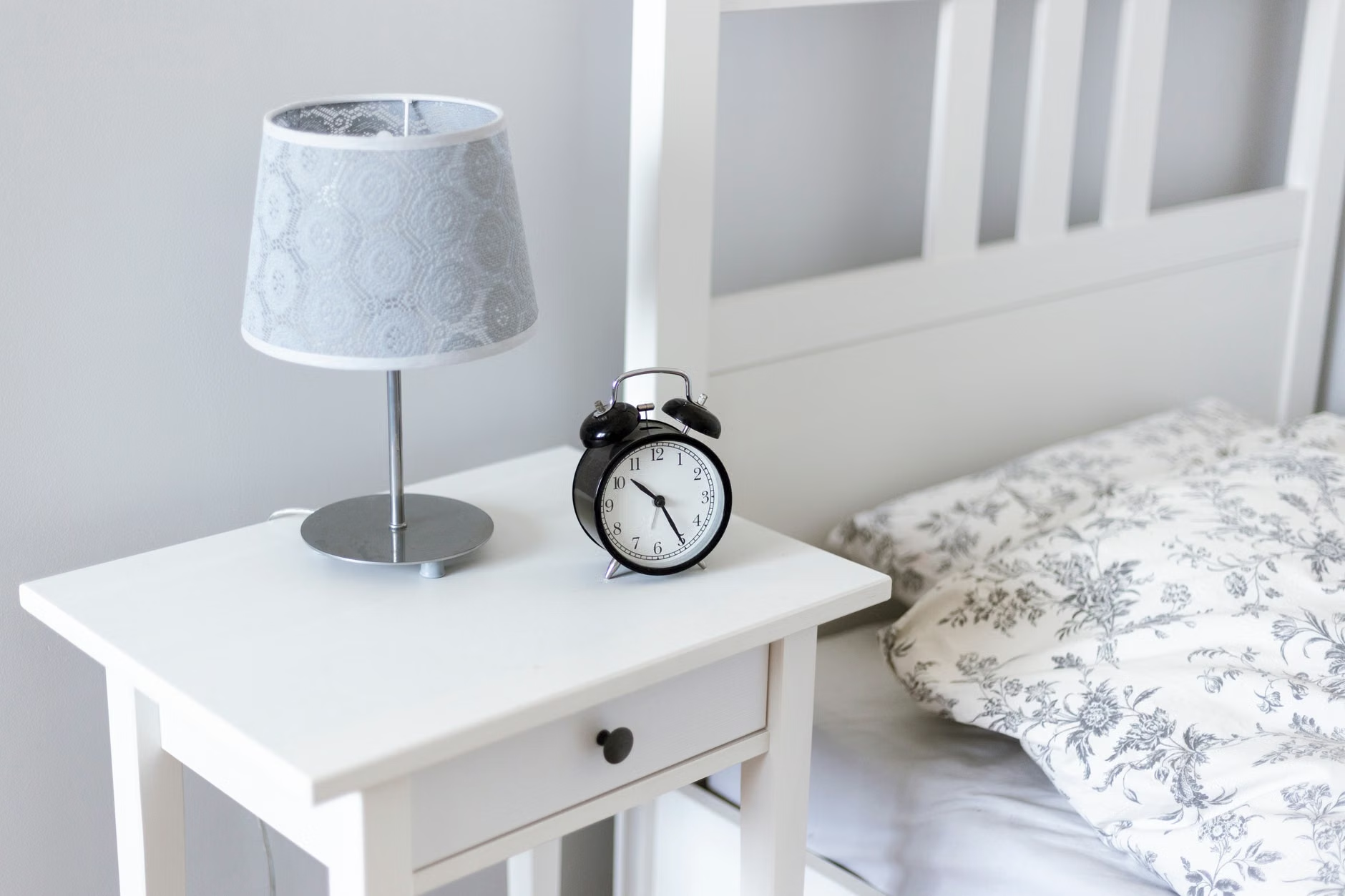
Tactile Comfort: The Importance of Texture
We spend roughly a third of our lives in bed, yet we often compromise on the quality of our bedding. Tactile sensitivity is real, and the way a fabric feels against your skin can either soothe you or keep you in a state of low-level agitation. When choosing sensory-friendly bedding, focus on natural fibers.
Why Natural Fibers Matter
Cotton, bamboo, and linen are breathable and temperature-regulating. Synthetic materials like polyester often trap heat, causing the body to overheat—a classic sensory trigger that leads to restlessness. If you’re on a budget, look for “cotton percale” or “bamboo-blend” sheets. They offer the benefits of natural fibers without the premium price tag of high-thread-count Egyptian cotton.
The Weighted Blanket Strategy
Weighted blankets have become popular for a reason: “Deep Pressure Stimulation” (DPS). This sensation mimics the feeling of being held or hugged, which helps lower cortisol levels and increases serotonin. You don’t need a $200 blanket. Look for entry-level options that are about 10% of your body weight. Ensure the filling is glass beads rather than plastic, as glass beads tend to stay distributed more evenly, preventing the “lumpy” feeling that can be a sensory distraction.
The “Low-Cost” Transformation Checklist
To make this actionable, let’s look at a step-by-step approach to transforming your room without spending a fortune. This is not about a total aesthetic overhaul; it is about functional optimization.
| Area | Budget-Friendly Action | Expected Benefit |
|---|---|---|
| Lighting | Blackout liners + electrical tape for LEDs | Deeper REM sleep; reduced visual stimulation. |
| Sound | Brown noise app + area rug | Masks jarring outside noises; reduces echo. |
| Tactile | Cotton sheets + weighted blanket | Regulates body temperature; provides calm. |
| Declutter | Under-bed storage bins | Reduces morning anxiety; visual peace. |
The Hidden Cost of Clutter
If you are a parent, you know that clutter accumulates like a slow-moving storm. Toys, laundry, and books seem to migrate into the bedroom. Use under-bed storage containers to hide anything that isn’t essential for sleep. The “out of sight, out of mind” principle is powerful here. If your brain doesn’t see the laundry pile, it doesn’t spend energy worrying about it while you are trying to fall asleep.
Addressing Common Pitfalls
One of the most common mistakes people make when trying to create a sensory-friendly space is “over-decorating.” It’s tempting to buy organizational bins that look pretty, or to add “cozy” decor items like excessive throw pillows. Remember: every object you add to the room is an object you have to maintain and that your brain has to process.
Another pitfall is ignoring the “scent” aspect. While not strictly a tactile or visual sense, our sense of smell is tied directly to the amygdala—the part of the brain responsible for emotional processing. Harsh chemical air fresheners can be a major sensory trigger. Instead, opt for clean, natural airflow or, if you prefer, a very subtle essential oil diffuser with a calming scent like lavender or cedarwood. Keep it simple and keep it natural.
Integrating Sensory Habits into Daily Life
Once the room is set up, the environment will do a lot of the work for you. However, you can supplement the physical changes with a “sensory transition” ritual. For many of us, the transition from “parent mode” or “work mode” to “sleep mode” is too abrupt. We go from a high-stimulation environment to bed in five minutes.
Try a 10-minute “decompression” period. Dim the lights to their lowest setting, start your brown noise, and spend a few minutes just sitting in the room. By limiting your sensory input before you even get under the covers, you allow your nervous system to “downshift” gradually. This is especially helpful if you find your brain racing with to-do lists the moment your head hits the pillow.
Final Thoughts on Sustainability
Creating a sensory-friendly bedroom is a long-term investment in your mental health. It is not about achieving a “Pinterest-perfect” look; it is about building a functional space that supports your biology. When your environment works with you rather than against you, you’ll find that the quality of your rest—and by extension, your patience as a parent and your efficiency as a professional—improves significantly.
Start small. Buy the blackout liners this week. Declutter the nightstand next week. You don’t need a massive budget to create a space that feels calm, quiet, and restorative. Your nervous system will thank you for the effort, and in the long run, the cumulative effect of better sleep will be far more valuable than any expensive piece of furniture.
For those looking for more scientific backing on how environment affects sleep, the National Sleep Foundation provides excellent resources on sleep hygiene and environmental factors. Additionally, organizations like Sleep Foundation (sleepfoundation.org) offer deep dives into how light, sound, and temperature influence the sleep-wake cycle.
Frequently Asked Questions
Q: Is a sensory-friendly bedroom only for people with sensory processing disorders?
A: Not at all. While the term is often associated with neurodivergence, the principles of reducing light, noise, and clutter are universal. Anyone suffering from insomnia, stress, or the general fatigue of modern life can benefit from a “low-arousal” sleeping environment.
Q: I have a small budget. What is the single most important purchase?
A: If you only buy one thing, invest in high-quality, 100% cotton or bamboo sheets. The tactile experience of your bedding is the most frequent sensory input you receive while in bed. If your sheets are scratchy or trap heat, no amount of noise-canceling equipment will make the room feel truly restorative.
Q: How do I handle sensory needs in a shared bedroom with a partner?
A: Compromise is essential. Focus on the “non-negotiables” like light and sound. You can use an eye mask if your partner needs a reading light, or wear soft silicone earplugs if your partner snores. The goal is to maximize your own comfort without requiring your partner to sacrifice their own preferences entirely.
Disclaimer: This guide is for informational purposes and is based on general lifestyle research. If you are experiencing chronic sleep disorders, please consult with a medical professional or sleep specialist.