The secret to a successful family bike-packing trip isn’t the distance you cover, but the simplicity of your setup and the manageability of your route. If you are looking to trade the screen time of a typical weekend for the fresh air and rhythmic hum of bicycle tires on gravel, you are already halfway to a memorable adventure. Bike-packing—essentially backpacking on a bike—has evolved from a niche endurance sport into a surprisingly accessible way for families to explore the outdoors, provided you approach it with the right mix of pragmatism and preparation.
- Start Small: Your first trip should be a “micro-adventure,” covering no more than 15-20 miles per day to keep morale high for children.
- Gear Minimalism: Focus on lightweight, multi-purpose items. If you don’t use it daily at home, you likely don’t need it on the trail.
- Route Selection: Choose rail-trails or dedicated cycling paths that offer flat gradients and frequent supply stops rather than remote mountain terrain.
We have all been there: the Sunday afternoon slump where the kids are restless, the house feels small, and the urge to “get away” is palpable. You don’t need a month-long sabbatical or a massive logistics budget to reset. Bike-packing offers a unique middle ground between the intensity of a long-distance tour and the sedentary nature of a weekend at a local park. It turns the journey into the destination, teaching resilience and self-reliance in a way that resonates with both adults managing work-life balance and children navigating their own physical boundaries.
Understanding the Bike-Packing Philosophy
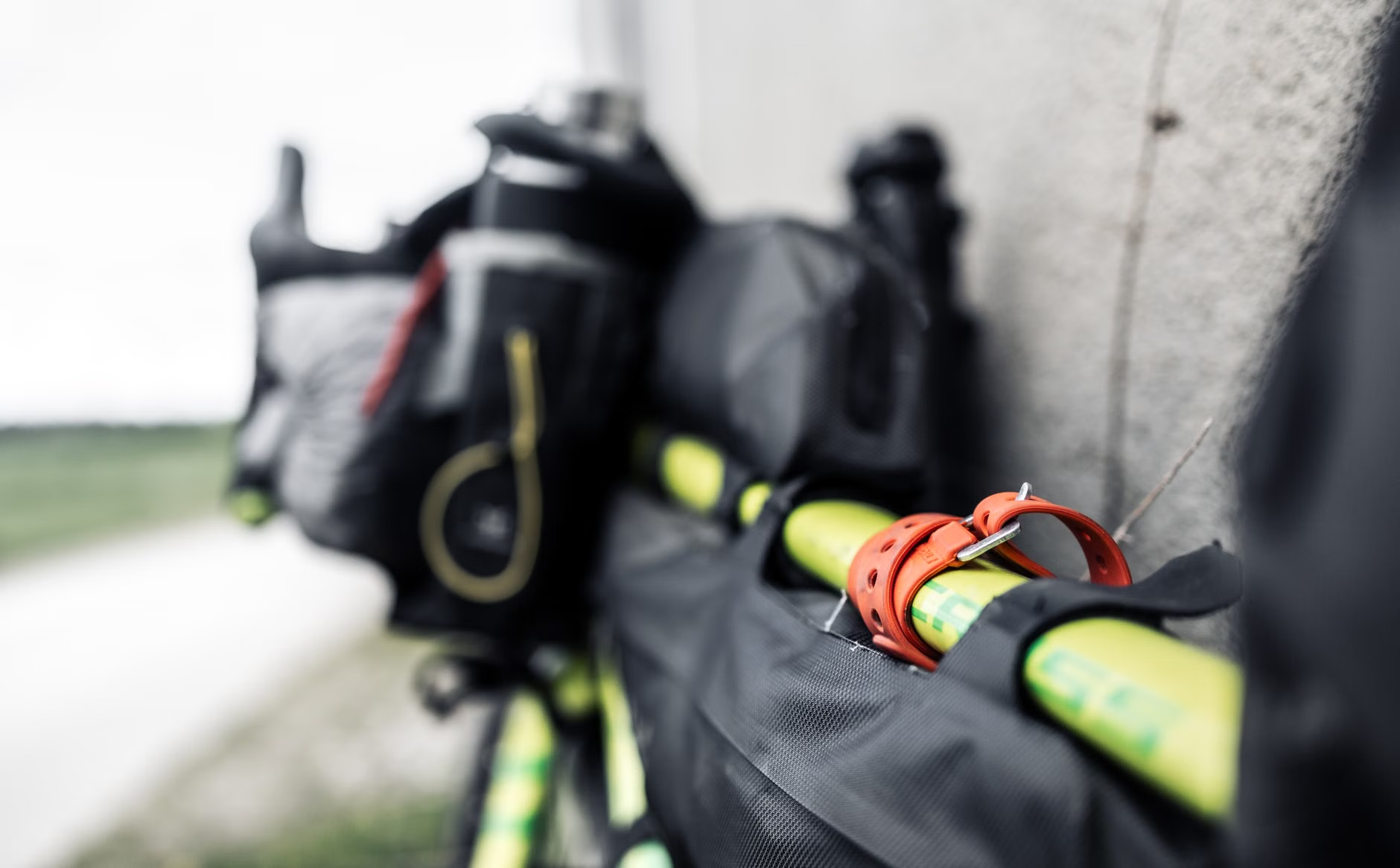
At its core, bike-packing is about stripping away the non-essentials. Unlike traditional cycle touring, which often involves heavy panniers and road bikes on asphalt, bike-packing emphasizes off-road capability and “soft” luggage. This means using frame bags, seat packs, and handlebar rolls that keep the bike nimble and capable of handling gravel, dirt, or light forest trails.
For a family, this philosophy needs a slight adjustment. You aren’t trying to set speed records; you are trying to keep everyone fed, hydrated, and smiling. The “lightweight” rule is your best friend. Every extra pound on a bike frame is a pound someone has to pedal, and when you are towing a trailer or managing a tag-along, that effort adds up quickly. Start by auditing your gear. Do you really need that heavy camping chair, or will a lightweight sitting pad suffice? Can your sleeping bags double as pillows? By focusing on the essentials, you keep the bike handling predictable and the ride enjoyable.
Essential Gear: The ‘Less is More’ Approach
The biggest mistake newcomers make is over-packing. When you are on a bike, your back, legs, and balance are your primary tools. Adding 30 pounds of unnecessary gear changes the physics of the ride, making it exhausting. Here is how to break down your packing list into manageable categories.
The Bike Setup
You don’t need a custom-built, thousand-dollar adventure rig. Any reliable mountain bike, hybrid, or gravel bike will do. The key is ensuring it is mechanically sound. Before any trip, visit a local shop for a “safety check.” Ensure your brakes are sharp, your tires are properly inflated for the terrain, and your chain is lubricated. If you are riding with children, their bikes should be checked with equal rigor. For younger children, consider a tag-along bike or a high-quality trailer—these allow the kids to rest when they get tired while still being part of the experience.
Sleep Systems and Shelter
Weight is the enemy of comfort. Look for compact, lightweight tents or bivy sacks that can be strapped to the handlebars. Synthetic sleeping bags are often more forgiving in damp conditions than down, though they are bulkier. For a family weekend, consider a shared tent system to distribute the weight across multiple bikes. If you are traveling as a pair with one child, the adult bikes should carry the bulk of the tent and sleeping gear, while the child focuses on their own hydration and snacks.
| Gear Category | Priority Level | Key Tip |
|---|---|---|
| Hydration | Critical | Use frame-mounted cages to keep weight low. |
| Repair Kit | Essential | Includes a multi-tool, patch kit, and spare tubes. |
| Clothing | Moderate | Layering is key; avoid heavy cotton. |
| First Aid | Essential | Focus on blisters, cuts, and insect stings. |
Choosing Your First Route: The ‘Micro-Adventure’ Framework
The temptation is to pick a famous, scenic route that looks great on social media. Resist this. Famous routes often involve steep climbs, remote stretches without water, or technical terrain that will frustrate a family. Instead, look for “Rails-to-Trails” projects. These are former railway lines converted into walking and cycling paths. They are almost always flat, well-maintained, and pass through small towns where you can grab an ice cream or a hot meal if the weather turns.
When planning your route, use the “Rule of Three”:
- Distance: Plan for 15-20 miles maximum per day.
- Supply: Ensure you pass a grocery store or cafe at least once every 10 miles.
- Exit Strategy: Always have a “bail-out” point—a road access or train station where you can call a taxi or ride home if a mechanical issue or exhaustion occurs.
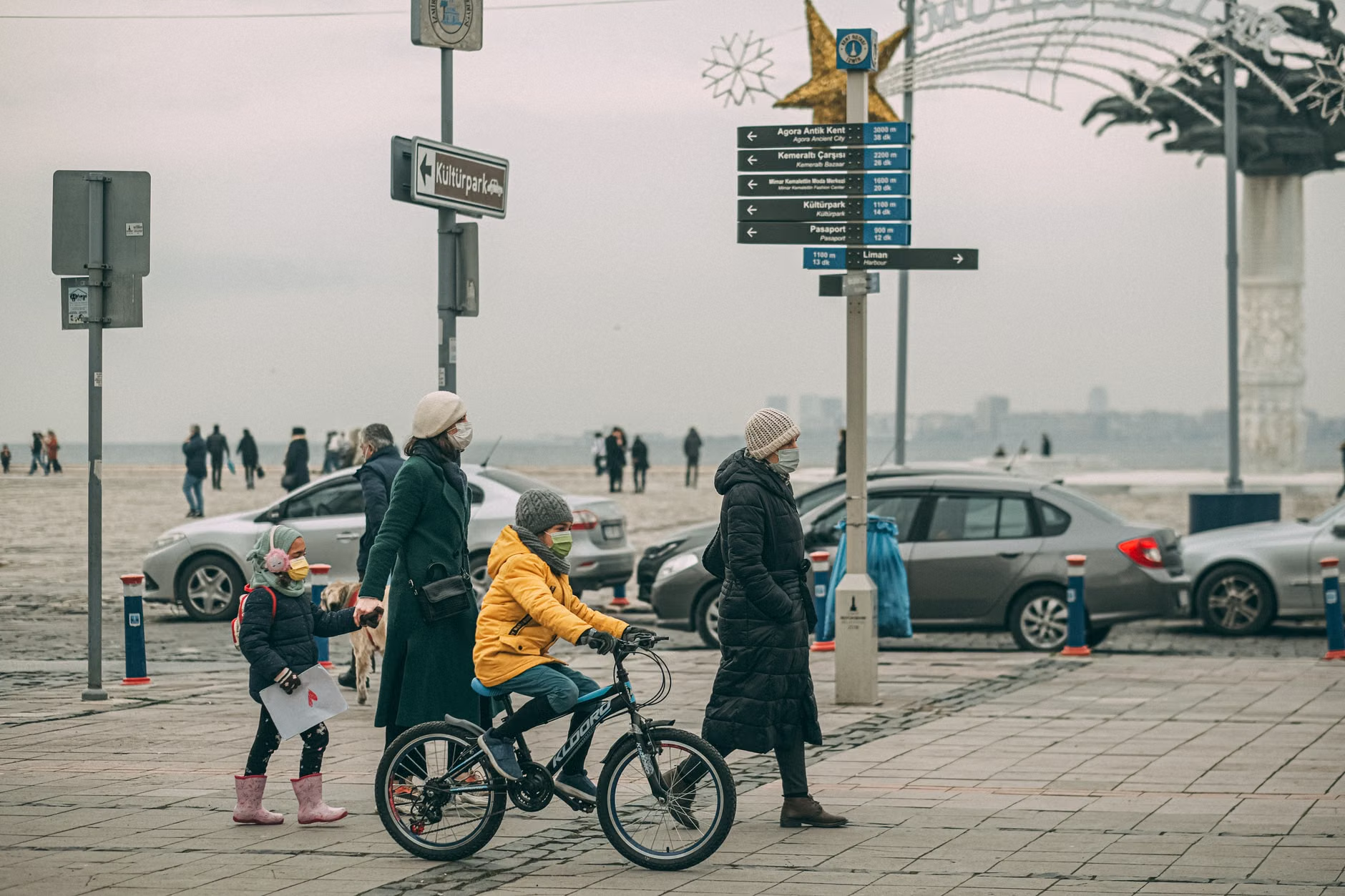
Look for campsites that are “bike-friendly.” These sites often have a dedicated area for cyclists that doesn’t require a car-sized plot. Some even offer small amenities like charging stations or repair stands. Checking these details ahead of time prevents the stress of arriving at a full campground with tired children.
Managing the Logistics: Food, Water, and Energy
Hungry kids are unhappy campers. On a bike, your energy expenditure is significantly higher than during a sedentary weekend. Plan for high-density, easy-to-access snacks. Think trail mix, energy bars, dried fruit, and sandwiches that can survive a bit of jostling. Keep these in “feed bags” or stem bags on your handlebars so you don’t have to stop every time someone needs a bite to eat.
Water is the most critical logistics challenge. A gallon of water weighs over 8 pounds. Do not try to carry two days’ worth of water. Plan your route around water sources—public parks, campgrounds, or friendly cafes. A portable water filter is a great insurance policy, allowing you to top up from streams or fountains if you find yourself running low between towns.
The Maintenance Mindset
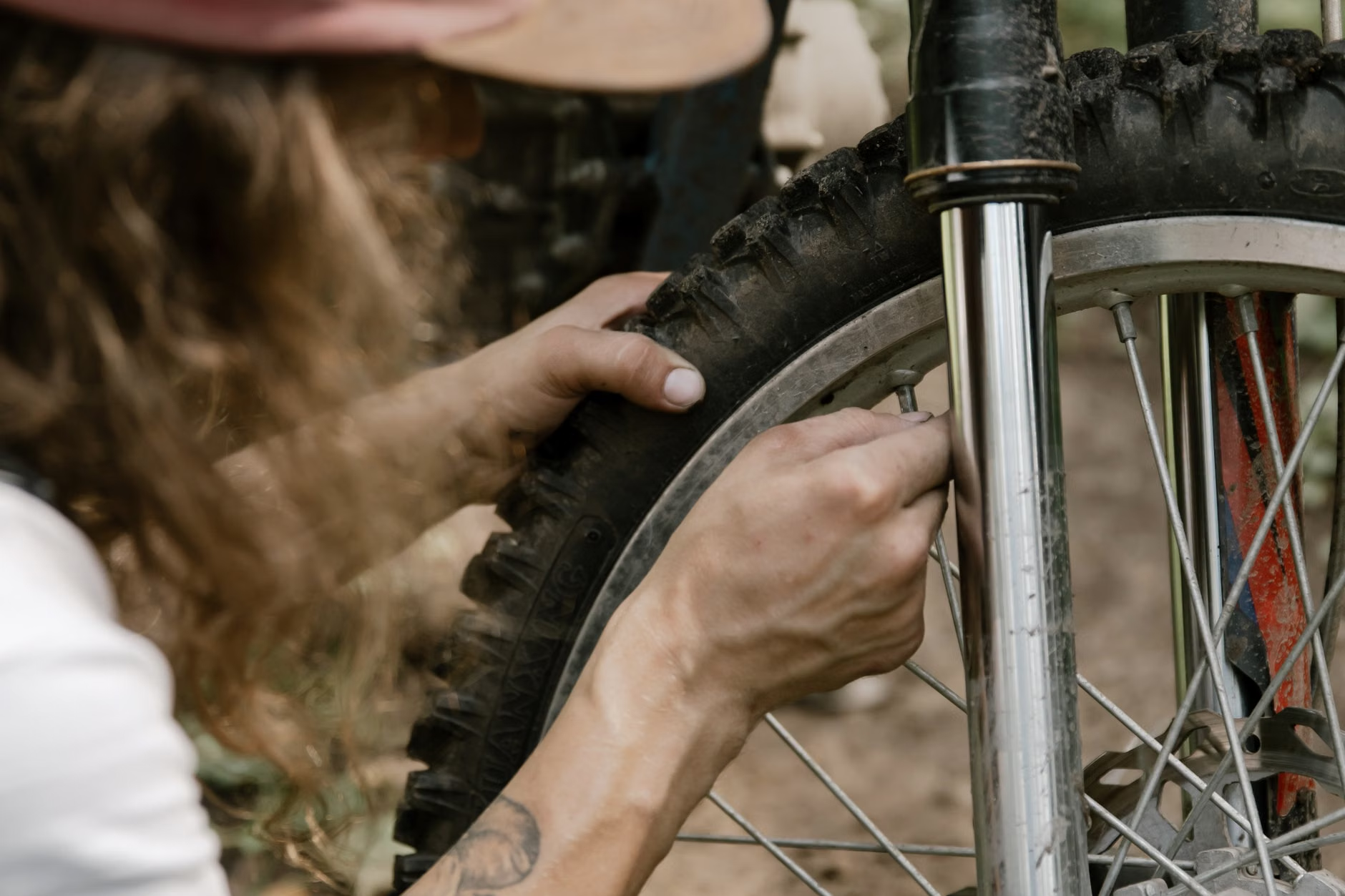
Even on a short trip, things can go wrong. A flat tire is the most common issue. Do not leave home without knowing how to change one. Spend an hour in your garage with your child, showing them how the tire lever works and how the pump attaches. It turns a potential crisis into a “learning moment” and gives them a sense of ownership over the trip. Carry a small repair kit containing:
- A multi-tool with a chain breaker.
- Two spare inner tubes (even if you have tubeless tires).
- A reliable hand pump.
- Tire levers and a patch kit.
- Zip ties and duct tape (the universal fix-everything items).
Overcoming Mental Hurdles: The Reality of Family Travel
Let’s be honest: family travel is rarely the seamless, filtered experience you see online. There will be a moment when it starts to rain, someone gets a flat tire, or a child decides they are “done” with cycling. This is normal. The goal of a weekend bike-packing trip is not perfection; it is exposure to the outdoors. If you have to cut the trip short, you haven’t failed. You’ve successfully tested your limits and learned what you need for the next time.
Prepare your children by involving them in the planning. Let them pick the snacks, help pack the bags, and look at the map. When they feel like part of the expedition team rather than just passengers, their tolerance for the minor discomforts of outdoor travel increases significantly. Frame the trip as an adventure, not a workout. Stop for photos, explore the weird rock formations by the trail, and don’t be afraid to pull over for a long, lazy lunch.
Safety and Ethical Considerations
Safety is not just about wearing helmets—though that is non-negotiable. It is about visibility and awareness. Use high-visibility clothing and, even for daytime riding, run front and rear lights. Modern LED lights are incredibly small and bright, making you visible to motorists on road crossings. Always communicate your route to a friend or family member who is not on the trip, and keep your phone charged, but prioritize disconnecting from the digital world once you are on the trail.
As for ethics, follow the “Leave No Trace” principles. If you pack it in, pack it out. This is a vital lesson to pass on to the next generation. Treat the trails with respect, stay on marked paths, and be courteous to other trail users. Bike-packing is a privilege, and keeping the routes clean and accessible ensures that we can continue to enjoy them for years to come.
Wrapping Up Your First Adventure
The beauty of bike-packing lies in the slow transition from the noise of daily responsibilities to the quiet of the trail. You start the weekend with a list of tasks, and you end it with a shared memory of a steep hill conquered or a perfect campfire meal. It is a grounding experience that reminds us that we don’t need much to be happy—just a bike, a bit of gear, and the company of the people we love.
Don’t wait for the “perfect” gear or the “perfect” weather. Start with a backyard campout or a short ride to a nearby state park. As you gain confidence, you can extend your range and tackle more challenging terrain. The gear will evolve, your legs will get stronger, and your planning will get more efficient. But the joy of that first, successful weekend escape will remain the benchmark for every adventure that follows.
Frequently Asked Questions
Q: What is the minimum age for a child to join a bike-packing trip?
A: There is no strict minimum age, but it depends on your setup. Infants can ride in specialized trailers (with appropriate suspension/seats), while toddlers can use tag-alongs. For independent riding, 7-9 years old is often the sweet spot, provided they have experience with longer rides on paved paths.
Q: How do I handle hygiene and bathroom breaks on the trail?
A: Stick to established routes that pass through towns or parks with public facilities. If you are camping in more remote areas, always pack a small trowel and toilet paper, and follow Leave No Trace principles (bury waste at least 200 feet from water sources). Wet wipes and hand sanitizer are essential items to keep in your top-tube bag.
Q: Is it dangerous to ride on roads during a bike-packing trip?
A: It can be, but you can minimize risk by choosing routes with low traffic volume or dedicated cycling lanes. Use services like Komoot or RideWithGPS to filter for “cycling-friendly” roads. Always assume you are invisible to cars and prioritize high-visibility gear, especially in low-light conditions.
For more information on planning your routes and checking trail conditions, you can visit the Adventure Cycling Association or your local national parks website for updated trail closures and campsite regulations.