The most effective way to eliminate the anxiety of international family travel is to replace the chaotic airport experience with a “Train-First” strategy, which allows for city-center-to-city-center transit while keeping your luggage, your sanity, and your schedule entirely in your control.
- The Center-to-Center Advantage: Save hours by avoiding long commutes to and from peripheral airports; trains drop you directly in the heart of the city.
- The Luggage Freedom: Unlike airlines, trains rarely enforce strict weight limits or liquid restrictions, making it significantly easier to pack for children.
- Regulatory Ease: Cross-border rail travel within regions like the Schengen Area eliminates the “two-hour early” security theater, allowing for a much lower-stress boarding process.
If you are in your 30s or 40s, you likely remember a time when travel felt like an adventure. Now, with kids in tow, that “adventure” often feels more like a logistical military operation. We have all been there: the frantic race to the gate, the liquid-limit panic, the dreaded middle seat, and the inevitable exhaustion that sets in before you even reach your destination. But what if you could trade the terminal chaos for a smooth, predictable, and actually enjoyable experience?
The “Train-First” strategy isn’t just about being eco-conscious or romanticizing the rails. It is a pragmatic approach to family logistics. When you choose to travel by rail, especially across international borders, you are choosing a mode of transport that respects your time and your physical comfort.
Why the Airport Model Fails Families
To understand why the train is superior, we have to acknowledge the inherent flaws of modern air travel for parents. When you fly, you are paying for a seat, but you are also paying a “stress tax” in the form of security lines, boarding groups, and the constant fear that your stroller will be destroyed by baggage handlers.
Consider the “friction points” of air travel:
- The Commute: Most major airports are located 30 to 60 minutes outside of the city center. Once you add the mandatory arrival time, you are often looking at a four-hour “pre-travel” window.
- The Security Theater: Removing shoes, laptops, and liquids is a nightmare when you are managing toddlers or even just a heavy bag.
- The Physical Constraint: Once you are in the air, you are buckled in. If your child needs to walk, stretch, or change their environment, you are limited to the tiny space of your row.
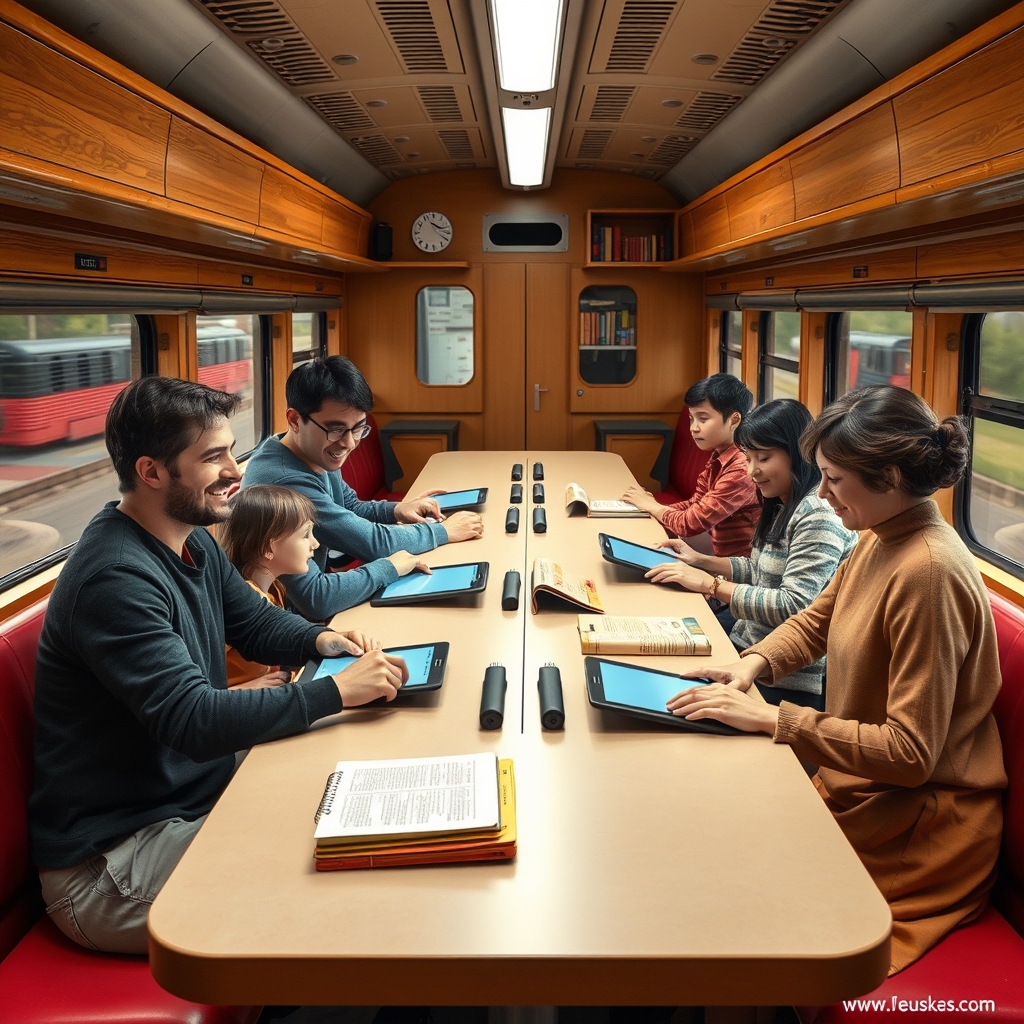
Trains flip this script. They arrive at central stations. They have bathrooms you can actually use. They offer table space for coloring, snacks, or homework. You aren’t just moving from point A to point B; you are utilizing the travel time as part of your family’s downtime.
The Cross-Border Rail Advantage
Navigating international borders on a train is a vastly different experience than doing so at an airport. In many parts of the world—most notably the European Union—the border crossing is often invisible. You simply stay seated. There are no customs declarations for your shampoo size, and there are no long queues for passport control.
However, “Train-First” does require a shift in mindset. You are no longer looking for the cheapest flight; you are looking for the most efficient connection. Here is how to evaluate your routes:
| Feature | Air Travel | Cross-Border Rail |
|---|---|---|
| Transit Time | Short flight, long overhead | Longer duration, zero overhead |
| Luggage | Strict limits/fees | Flexible/Included |
| Comfort | Cramped | Spacious/Walkable |
| Arrival | Remote airport | City center |
When planning a trip between major cities—like Paris to Amsterdam, or Vienna to Budapest—the train is almost always the winner when you account for the “door-to-door” travel time. If a flight takes one hour but requires two hours of security and one hour of travel to the airport, the total is four hours. A three-hour train ride, by comparison, is faster and significantly less stressful.
Mastering the Logistics: Booking and Preparation
The biggest hurdle for most travelers is the perceived complexity of booking international rail. Unlike airlines, which have consolidated into a few massive search engines, rail systems can feel fragmented. Here is your tactical guide to booking like a pro.
1. Use the Right Aggregators
Don’t try to navigate a dozen different national rail websites. Use aggregators like Trainline, Omio, or Rail Europe. These platforms allow you to see connections across borders, compare prices, and store all your tickets in one place. They also provide real-time updates on platform changes, which is a lifesaver when you are juggling children and bags.
2. The “Seat Selection” Rule
If you are traveling with a family, always, and I mean always, pay the extra few dollars for seat reservations. Many rail systems allow you to choose seats around a table. This is the single most important factor for a successful trip. A table gives your children a surface for drawing, playing cards, or eating snacks, which keeps them occupied for hours.
3. Digital vs. Physical Tickets
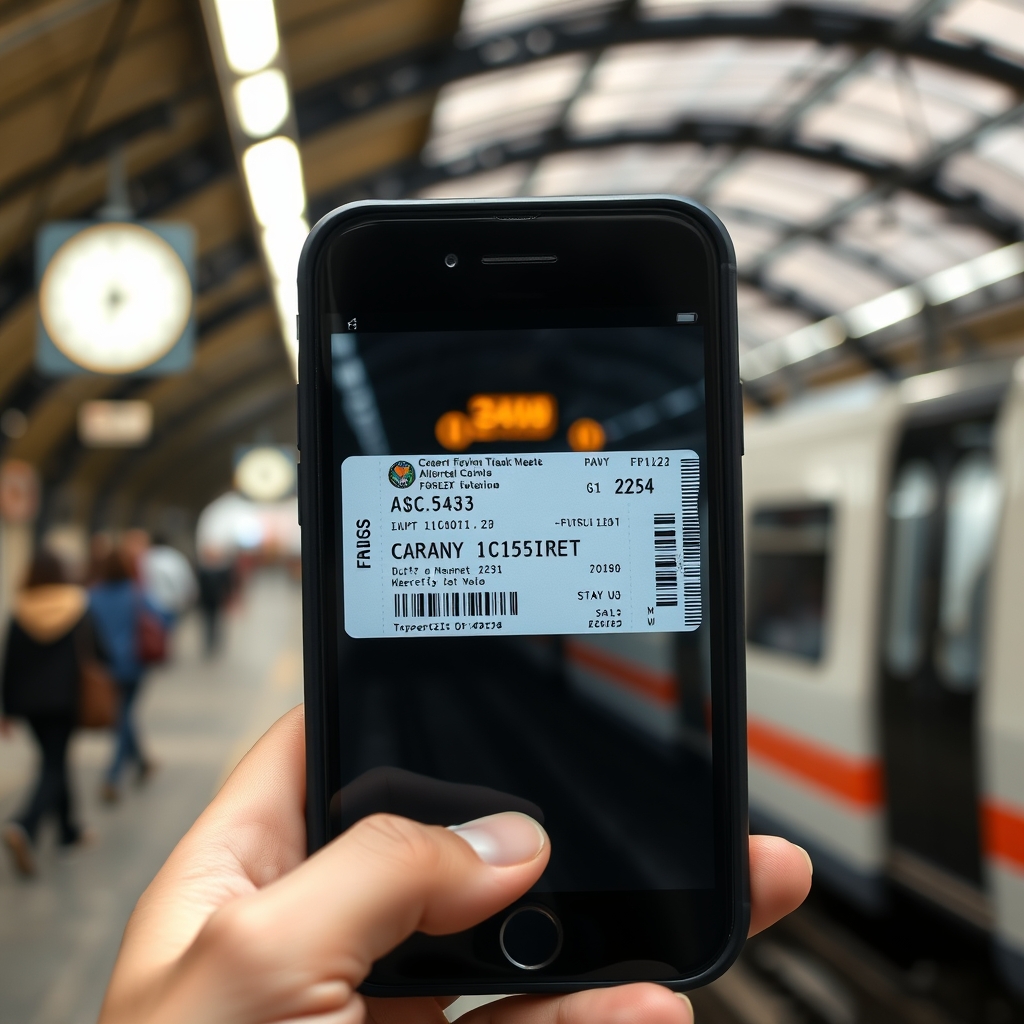
While most systems now offer QR-code-based digital tickets, always take a screenshot of your ticket before you board. If you enter a tunnel or a remote area where cellular service drops, you do not want to be fumbling to reload a web page while the conductor is checking your ticket. Keep your digital tickets in a dedicated folder on your phone or, better yet, print them out if you are prone to phone battery anxiety.
Common Pitfalls and How to Avoid Them
Even with the best plans, things can go wrong. The most common mistake parents make is overestimating their ability to carry luggage while managing children. If you are traveling by train, adopt the “one-bag-per-person” rule. If you cannot lift your suitcase onto the overhead rack yourself, it is too heavy.
Another pitfall is the “tight connection.” While train stations are generally efficient, transferring between trains in a busy hub like Brussels or Zurich can be tricky. Try to book connections with at least 45 minutes of buffer time. This gives you time to find your platform, use the restroom, and grab a coffee without the stress of missing your next leg.
Finally, be aware of the “border check” reality. While most borders in the Schengen area are open, occasionally, local authorities may conduct spot checks. Always keep your passports in an accessible side pocket of your bag, not buried at the bottom. You don’t want to be the person unpacking their entire suitcase on the train floor because the conductor asked for identification.
The Psychological Shift: Embracing the “Slow” Travel
There is a quiet dignity in watching the world change outside your window. When you fly, you see clouds. When you take the train, you see villages, forests, industrial zones, and mountains. This is a form of “slow travel” that is incredibly beneficial for children.
Instead of the “let’s just get there” mentality, frame the train journey as part of the destination. If you are traveling to Italy, the journey through the Alps on a train is a sightseeing tour in itself. Use this time to read aloud, play games, or simply talk. You will find that when you arrive, you are not “travel-worn.” You are actually ready to start your vacation.
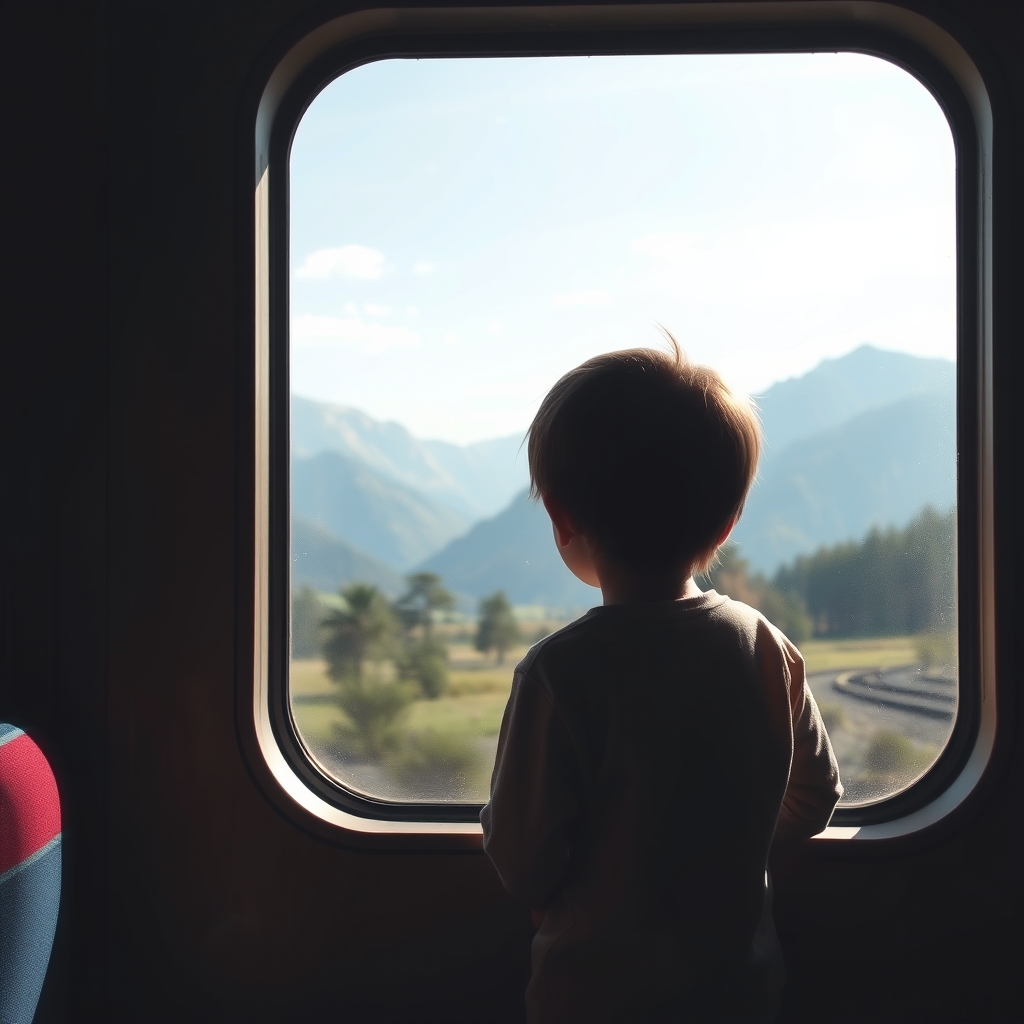
This strategy also helps with the transition to a new time zone or culture. The gradual nature of moving through the landscape helps both adults and children adjust to the changing environment. It is a more natural way to travel than the “teleportation” effect of air travel, which often leaves everyone feeling disoriented and irritable.
Practical Tips for the Modern Parent
To make this work, you need to be prepared for the specific environment of a train car. Here is a quick checklist of items that will save you:
- Universal Power Adapters: Most modern trains have power outlets at every seat, but they may be the standard for the country of origin. Bring a multi-plug adapter.
- Noise-Canceling Headphones: Even if your kids don’t use them, you will want them to maintain your sanity when the train gets busy.
- The “Go-Bag”: Pack a small tote with snacks, water, wet wipes, and a change of clothes. Keep this at your feet. Do not put it in the overhead rack.
- Entertainment Offline: Download movies, podcasts, and games before you leave. Do not rely on train Wi-Fi, which can be spotty at best.
Lastly, recognize that not every train is a high-speed luxury liner. Some regional trains are older and lack AC or dining cars. Always check the train type when booking. For long cross-border hauls, prioritize “High-Speed” or “Intercity” options. The extra cost is almost always worth the upgrade in comfort and reliability.
Final Considerations for Your Next Trip
The “Train-First” strategy is not about rejecting air travel entirely. There are times when flying is the only logical choice, especially for transoceanic trips or massive distances. However, for regional travel, the train should be your default. It is the option that respects your time, your budget, and your family’s need for a calm, predictable environment.
By choosing the train, you are deciding that the journey itself is a valuable part of the experience. You are trading the stress of the terminal for the comfort of a seat, the view from a window, and the peace of mind that comes with a smoother, more human-centric way to travel. Take the time to map out your next trip, look for the rail connections, and see how much more enjoyable the process can be.
For official information on European rail routes and schedules, you can consult the Eurail official site or the Rail Europe portal. These resources provide updated maps and service alerts that are essential for any international traveler.
Frequently Asked Questions
Is train travel really cheaper than flying with a family?
It depends on how you calculate the cost. While the base ticket price might sometimes be higher, you must factor in the “hidden” costs of flying: baggage fees, airport transfers (taxis or trains to the city), and the cost of food at expensive airports. When you add these up, the train is often significantly cheaper, especially for a family of four or more.
How do I handle border control if I am traveling with children?
In the Schengen Area, you rarely encounter border control on trains. However, if you are traveling to a country outside of this zone, the process is usually handled on-board by officials who walk through the train. Ensure every family member has their passport easily accessible. Having your documents organized in a single folder or pouch for the whole family makes the process much faster.
What if my child has a meltdown on a train?
Trains are much more forgiving than airplanes. You can move to a different car, walk to the vestibule area between carriages to pace, or visit the café car. There is no “fasten seatbelt” sign keeping you trapped in your seat. This freedom of movement is the greatest advantage of rail travel for parents of young children.
Safe travels, and may your next journey be defined by the view from the window rather than the stress of the security line.