The secret to a stress-free family vacation isn’t about bringing everything you might need; it is about bringing exactly what you actually need by mastering the art of the ‘ultralight’ pack. By shifting your mindset from “what-if” scenarios to “minimalist necessity,” you can reduce your transit stress by at least 50%, allowing you to focus on the experience rather than the baggage carousel.
- Adopt the Capsule System: Pack versatile, coordinating clothing items that can be layered to suit changing weather conditions.
- Master Compression Technology: Use packing cubes to condense volume and keep items organized, making security checks and hotel transitions seamless.
- The ‘One-Bag’ Philosophy: Aim for one carry-on per adult and a shared backpack for children to eliminate checked-bag wait times and lost luggage anxiety.
We have all been there: standing at the departure gate, sweating under the weight of three oversized suitcases, a stroller that refuses to fold, and a diaper bag that feels like it contains a small library. Traveling with children is often framed as a logistical nightmare, primarily because we tend to over-compensate for the lack of home comforts by bringing the home itself along with us. But what if the key to a smoother trip wasn’t better organization of more stuff, but a radical reduction in the sheer volume of gear?
The ultralight movement, long the domain of solo backpackers and hikers, is increasingly becoming the gold standard for parents in their 30s and 40s. It’s not about deprivation; it’s about agility. When you aren’t tethered to heavy luggage, you can move through transit hubs with the speed of a solo traveler, which is a massive advantage when managing energetic kids or navigating tight flight connections.
Why Overpacking is the Silent Killer of Vacation Joy
The psychological toll of heavy luggage is real. Research into travel stress suggests that “cognitive load”—the amount of mental effort being used in the working memory—spikes when travelers are forced to manage multiple large items. For parents, this load is already high due to the constant vigilance required to keep track of children. When you add the physical burden of wrestling with oversized suitcases, your threshold for patience drops significantly.
Consider the ‘Decision Fatigue’ factor. Every item you pack is an item you have to track, clean, pack back up, and potentially worry about losing. By trimming your gear, you aren’t just saving space; you are freeing up mental bandwidth. When you arrive at your destination, you don’t want to spend an hour unpacking; you want to start your trip. Reducing your load by 30% can equate to a 50% reduction in the friction experienced during airport security, boarding, and hotel check-in processes.
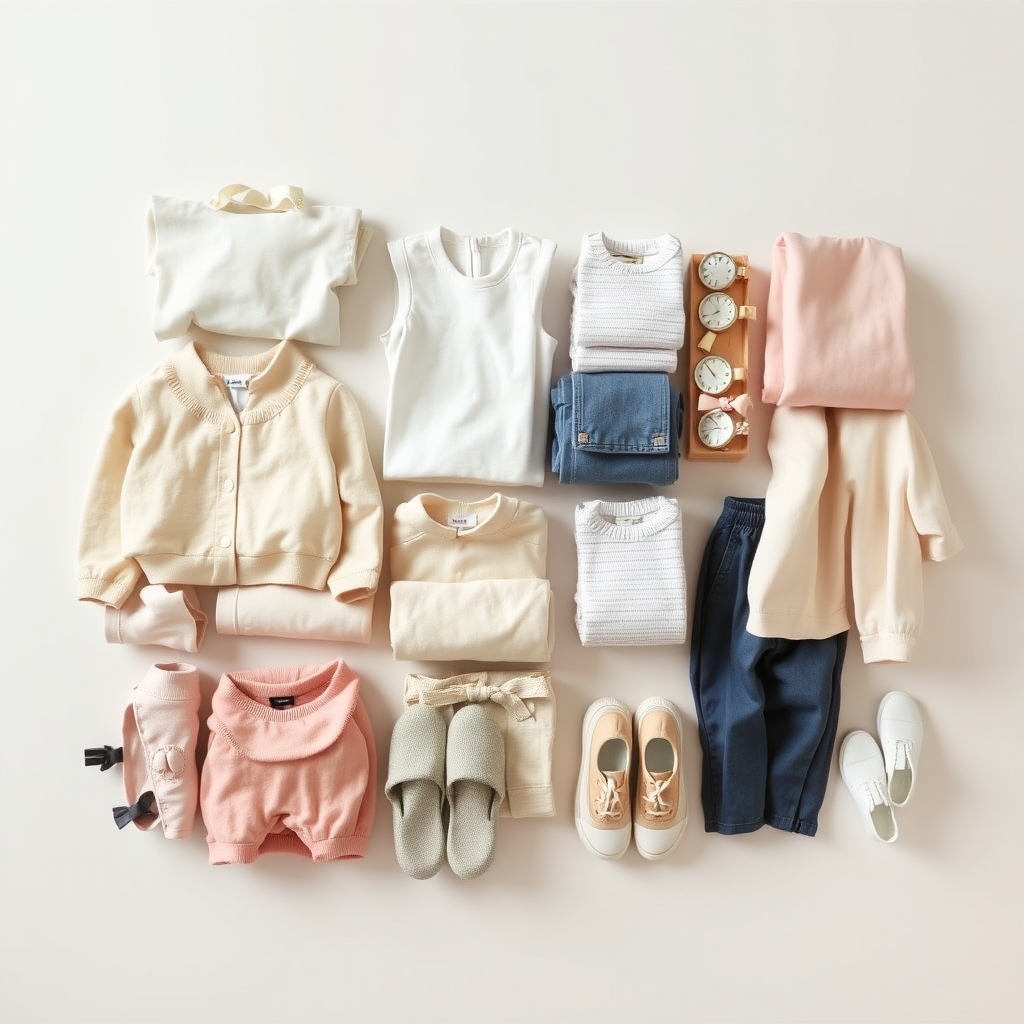
The Anatomy of the Ultralight Family Wardrobe
The biggest offender in any suitcase is clothing. We often pack for every possible weather event, which leads to “just in case” syndrome. To pack ultralight, you must transition to a capsule wardrobe model. This means selecting items that serve multiple purposes and color-coordinate perfectly.
| Item Category | The Traditional Approach | The Ultralight Strategy |
|---|---|---|
| Clothing | One outfit per day | 7-day rotation with mid-trip laundry |
| Footwear | 3-4 pairs per person | 1 pair worn, 1 pair packed (versatile) |
| Toiletries | Full-sized bottles | Solid bars (shampoo/soap) and travel-sized decants |
| Entertainment | Physical books and bulky toys | Digital tablets and multi-use travel games |
For children, the rule is even simpler: prioritize durability and ease of cleaning over variety. Children are remarkably adaptable; they rarely care if they wear the same shirt twice in a week, provided it is comfortable. By using a laundry service or a quick sink-wash with a travel-sized detergent strip, you can cut your clothing volume by half.
Mastering the Logistics: Packing Cubes and Tech
If you take only one piece of advice from this guide, let it be the adoption of high-quality compression packing cubes. These aren’t just for organization; they are a mechanical advantage. By squeezing out the excess air from bulky items like jackets or extra sweaters, you can fit significantly more into a smaller footprint. More importantly, they act as drawers. When you reach your hotel, you don’t need to unpack; you simply lift the cubes out and place them in the hotel dresser.
Beyond cubes, consider the “tech stack” for your family. Instead of bringing a dedicated camera, a tablet for the kids, a laptop for work, and various chargers, look for consolidation. Can your phone act as the camera? Can one tablet be shared with headphones? Using a single, high-wattage GaN (Gallium Nitride) charger with multiple ports can replace the tangle of individual bricks that usually inhabit a carry-on pocket.
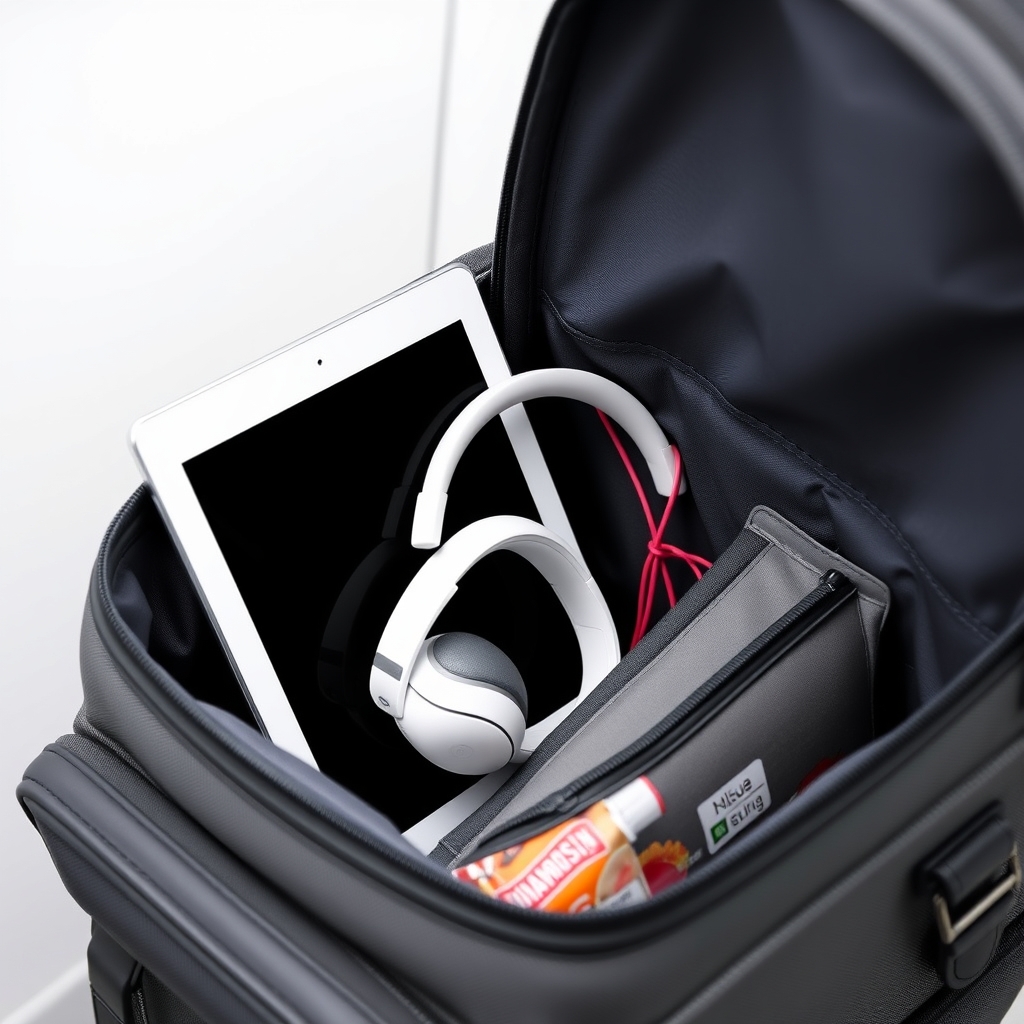
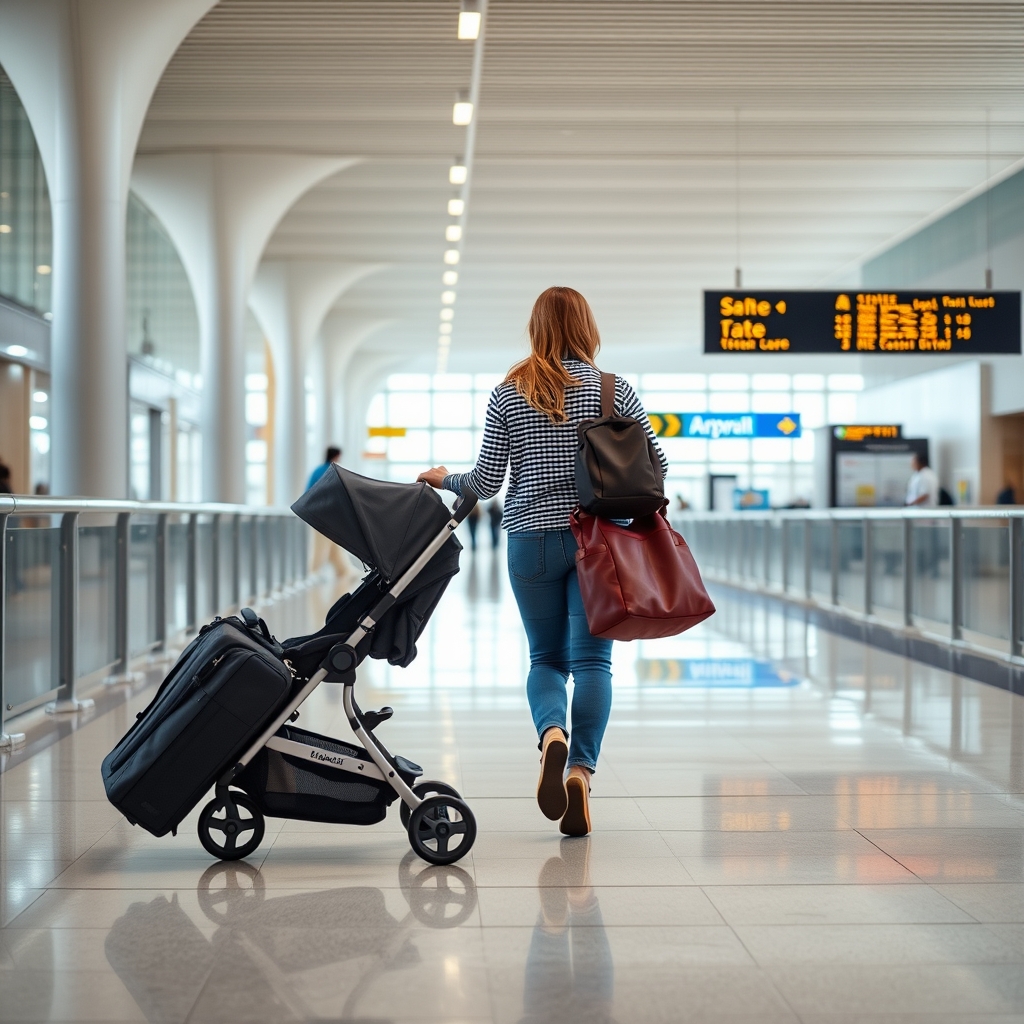
The goal is to reach a state where each adult can manage their own personal items plus one carry-on, leaving their hands free to hold children’s hands or manage a lightweight stroller. This is the “One-Bag” philosophy. It sounds daunting, but it is achievable through strategic planning.
When you eliminate checked luggage, you eliminate the “baggage claim trap”—that period of 30 to 60 minutes where you are standing in a crowded, noisy hall, waiting for your bags while your children are hitting their limit. By carrying everything on, you walk off the plane and straight into your vacation. This is a massive win for maintaining a positive mood for the entire family.
Common Mistakes to Avoid:
- The “Just in Case” Trap: If you haven’t used an item in the last three months at home, you won’t use it on vacation. Leave it behind.
- Ignoring Local Accessibility: Many parents pack diapers, wipes, and snacks for the entire duration of the trip. Remember that stores exist in your destination. Pack enough for the first 24 hours, then restock locally.
- Neglecting Weight Distribution: Even if your bag is small, if it is poorly packed, it will feel heavy. Always place heavy items like shoes or electronics near the wheels or the base of the bag to keep the center of gravity low.
The Psychological Shift: From ‘Owner’ to ‘Visitor’
A huge part of the stress of family travel comes from the perceived need to replicate the home environment. We want our children to have their favorite blanket, their specific pillow, their exact brand of snack. While comfort is important, constant exposure to new environments is part of the growth experience of travel. By simplifying what you bring, you are also implicitly teaching your children that they can be comfortable and happy in new surroundings with very little.
When you travel ultralight, you become more present. You aren’t worrying about whether the checked bag will arrive or if you left an expensive toy at the hotel. You are focused on the immediate environment—the sights, the sounds, and the people you are with. This shift in focus is precisely what makes a vacation feel like a break, rather than just “parenting in a different location.”
Addressing the ‘What-If’ Anxiety
The biggest hurdle to ultralight packing is anxiety. Parents are conditioned to prepare for worst-case scenarios. What if they get sick? What if it rains for three days straight? What if they rip their only pair of pants? These are valid concerns, but they are statistically unlikely, and even when they do happen, they are rarely catastrophic.
If it rains, you buy a cheap poncho at the destination. If they get sick, you visit a local pharmacy. The “what-if” tax—the extra weight you carry to mitigate unlikely problems—is usually higher than the cost of simply solving the problem on-site if it arises. Trust in the fact that you are capable of problem-solving in the moment. You have survived parenting at home; you can certainly handle a missing pair of socks in a foreign city.
Refining Your System Over Time
Don’t expect to get it perfect on your first attempt. Treat your packing list as a living document. After every trip, perform a quick “post-mortem.” Which items did you never touch? Which items did you wish you had? Be brutal with your analysis. If you packed a fancy camera lens and never took it out of the bag, it doesn’t get to come on the next trip. If you found yourself wishing for an extra power bank, add that to the core list.
Consistency is key. Once you have a proven list, stick to it. This removes the need to reinvent the wheel every time you plan a trip, further reducing the pre-travel stress that often leads to burnout before you even leave the house.
Final Thoughts on Traveling Light
Moving through the world with less is a liberating experience. It allows for spontaneity—like choosing to walk to your hotel instead of waiting for a shuttle, or being able to switch flights without worrying about luggage transfers. It changes the rhythm of your travel, making it less about managing ‘stuff’ and more about managing experiences.
Start small. Try to reduce your luggage by just one bag on your next weekend getaway. Observe how much lighter you feel, not just physically, but mentally. When you return, you will likely find that you didn’t miss the extra items at all. The goal is to make travel a gateway to joy, rather than a test of your endurance. Pack light, move fast, and enjoy the moments that actually matter.
Frequently Asked Questions
1. How do I handle laundry while traveling with children?
Most hotels offer laundry services, but for a more budget-friendly approach, look for local laundromats or “wash-and-fold” services. Alternatively, carry a small travel-sized bottle of concentrated detergent and wash essential items in the sink. Quick-dry fabrics are your best friend here; they can be washed in the evening and are ready to wear by morning.
2. Is it really possible to survive with only carry-on luggage for a family?
Yes, it is, provided you are strategic. The key is to avoid bringing “just in case” items. Use compression cubes to maximize space, and remember that you can buy almost anything—diapers, snacks, toiletries—at your destination. Focus on the essentials: passports, medications, enough clothing for a few days, and your primary electronics.
3. How do I balance the kids’ need for entertainment with the need for light packing?
Prioritize multi-use items. A tablet can hold hundreds of books, movies, and games, replacing the need for physical copies. For younger children, a few small, versatile toys like building blocks or a deck of cards take up almost no space and can provide hours of entertainment. Focus on open-ended toys that allow for creative play rather than bulky, single-purpose plastic toys.
For more information on airline baggage policies and international travel requirements, please visit the International Air Transport Association (IATA) website to ensure you are compliant with current standards and regulations.