The most effective way to ensure your child’s digital assets remain safe for the next decade is to move them off centralized exchanges and into a self-custodial hardware wallet. While digital savings for children—whether in the form of cryptocurrencies, NFTs, or tokenized assets—are becoming an increasingly common part of modern financial planning, the risks of leaving these assets on a third-party platform are often overlooked by parents who are otherwise meticulous about their family’s security.
Key Takeaways for Digital Asset Security
- Self-Custody is Essential: Holding assets on an exchange means you don’t truly own them; a hardware wallet puts you in total control.
- The Seed Phrase is Everything: The recovery phrase is the master key to the wallet; protecting it is more important than protecting the device itself.
- Long-Term Strategy: Treat digital savings like a traditional trust fund—set up, secure, and leave it to grow without frequent meddling.
If you are a parent in your 30s or 40s, you’ve likely spent a good portion of your adult life navigating the transition from physical to digital finance. We’ve moved from piggy banks and savings accounts to apps that track our spending in real-time. Now, as some parents begin to allocate a small percentage of their children’s college funds or “future nest eggs” into digital assets, we face a new, peculiar challenge: how do we keep these intangible assets as safe as a gold bar in a home safe?
Many parents assume that leaving funds on a major cryptocurrency exchange is the same as leaving money in a bank. It isn’t. When a bank fails, there are often insurance schemes—like the FDIC in the U.S. or the FSCS in the U.K.—that protect your deposits. In the world of digital assets, if an exchange goes bankrupt or is hacked, your funds are often treated as unsecured debt. This is why the hardware wallet has become the gold standard for long-term digital asset storage.
What Exactly is a Hardware Wallet and Why Does Your Family Need One?
Think of a hardware wallet not as a “wallet” that holds money, but as a digital vault that holds your keys. In the blockchain world, you don’t actually store your coins inside a device. Instead, the device stores the private cryptographic keys that allow you to move those assets on the blockchain. If someone else gets your keys, they can access your assets. If you lose your keys, the assets are gone forever. No “forgot password” button can help you.
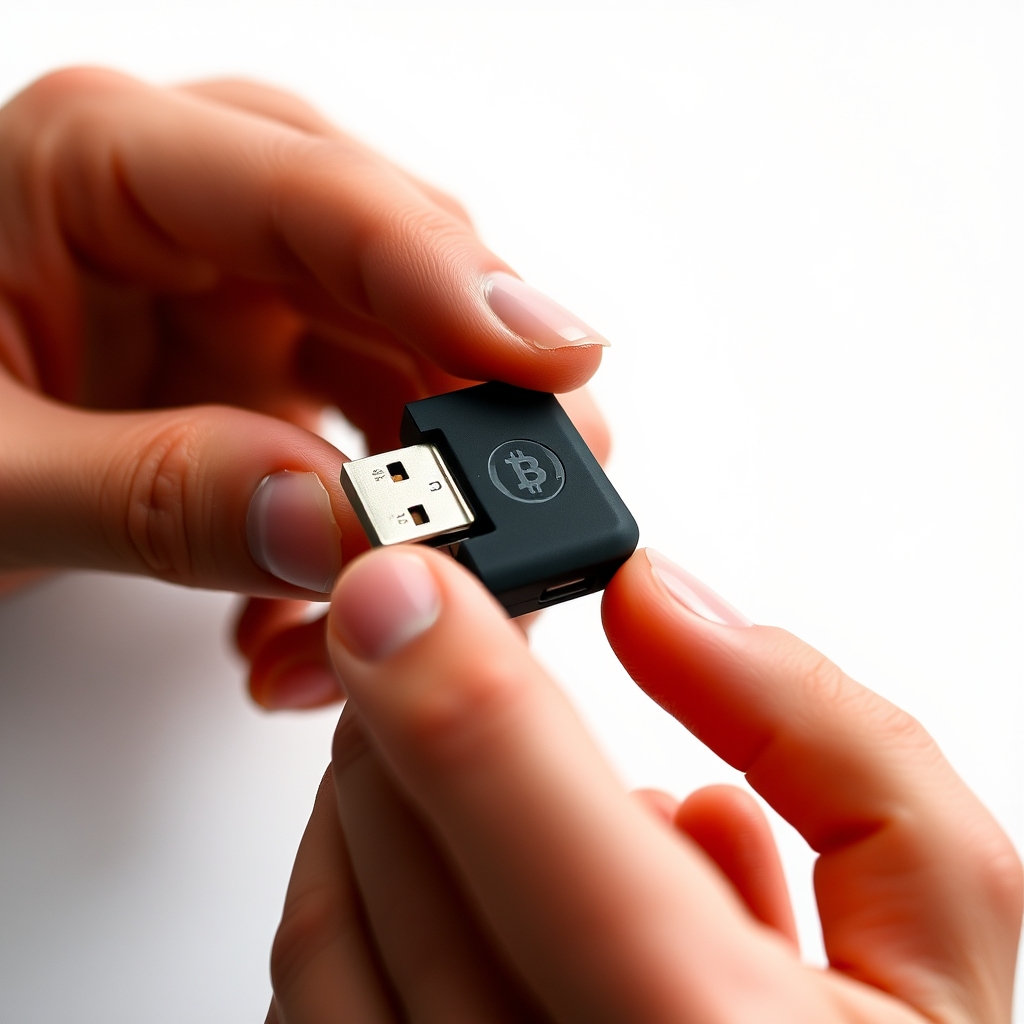
A hardware wallet is a physical device—usually looking like a small USB drive—that keeps these keys in “cold storage.” This means the keys are stored offline, away from the prying eyes of hackers and the internet. When you want to send or receive assets, the device connects to your computer or phone, signs the transaction internally, and never exposes your private keys to the internet-connected machine. This air-gapped security is exactly why it is the preferred method for long-term family savings.
The Comparison: Centralized Exchanges vs. Hardware Wallets
To understand the necessity of a hardware wallet, consider the difference between a savings account and a digital vault. A centralized exchange acts like a bank, but without the regulatory safety net. A hardware wallet acts like your own personal, private bank vault.
| Feature | Centralized Exchange | Hardware Wallet |
|---|---|---|
| Custody | Third-party (Not your keys) | Self-custody (Your keys) |
| Security | Vulnerable to hacks/bankruptcy | Immune to online attacks |
| Control | Restricted by platform rules | Total, unrestricted control |
| Ease of Use | Very high (Password reset available) | Requires technical diligence |
Setting Up Your Family’s Digital Vault: A Step-by-Step Approach
Setting up a hardware wallet for your child’s savings isn’t as daunting as it sounds, but it does require a methodical approach. You are essentially building a digital legacy, so take your time. Do not rush the process, and never do it while distracted by household chaos.
First, purchase a reputable hardware wallet directly from the manufacturer’s official website. Never, under any circumstances, buy one from a third-party reseller like eBay or an unauthorized Amazon seller. There have been instances where pre-tampered devices were sold to unsuspecting users. Once you have the device, the setup process generally involves initializing a new wallet and generating a “seed phrase.”
The Golden Rule: The Seed Phrase
The seed phrase (or recovery phrase) is a list of 12 to 24 random words. This phrase is the master key. If your hardware wallet is dropped in a river, run over by a car, or destroyed in a fire, you can buy a new device, enter these words, and regain access to all your funds. Consequently, this piece of paper (or metal plate) is the most valuable thing in your home. Do not store it on your computer. Do not take a photo of it. Write it down on physical paper, or better yet, etch it onto a stainless steel plate to protect it from fire and water damage.

Managing the “Digital Inheritance” for the Next Generation
One of the most common questions parents ask is, “How do I ensure my children can access this later?” This is a valid concern. If you are the only one who knows the recovery phrase, and something happens to you, the assets could be lost to time. You need a succession plan.
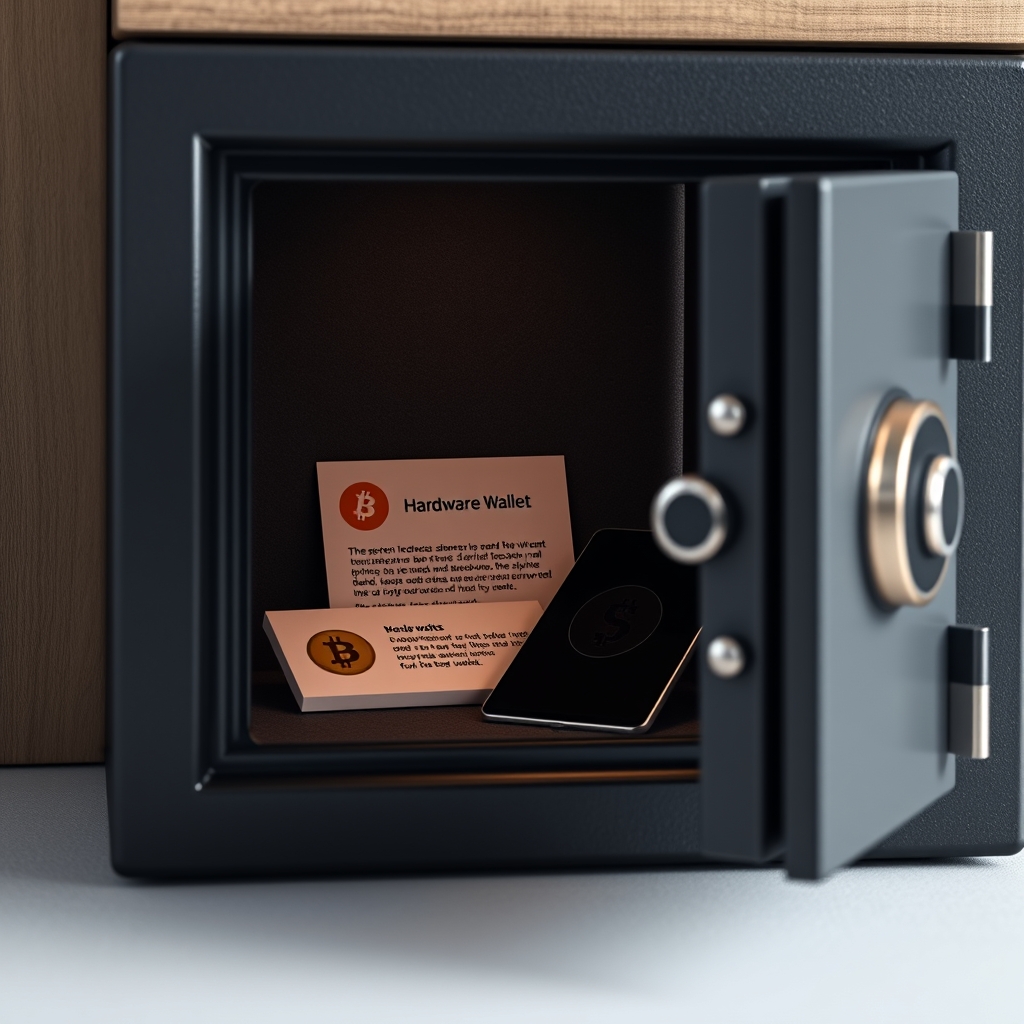
Many families choose to store the physical recovery phrase in a secure, fireproof location, such as a home safe or a bank safety deposit box. You should also have a clear, documented instruction set—a “Digital Will”—that explains to your spouse or executor how to access the hardware wallet and where the recovery phrase is located. You don’t need to share the actual keys with them right now, but you must ensure that they have a clear roadmap on how to recover the assets if you are no longer around.
Think of this as a digital trust fund. You are essentially acting as the custodian until they reach an age where you feel they are responsible enough to manage the assets themselves. This provides a great opportunity to teach them about the importance of security, the nature of digital ownership, and the value of patience in investing.
Common Pitfalls to Avoid
Even with the best intentions, parents often make avoidable mistakes. Here are the most frequent ones:
- Over-Sharing: Never share your seed phrase with anyone, including customer support for your hardware wallet. No legitimate company will ever ask for it.
- Digital Storage: Never save your seed phrase in a password manager, an email draft, or a cloud-synced note app. These are prime targets for hackers.
- Losing the Device: While the seed phrase is the key, the device itself is the daily driver. Keep it in a place where it won’t be mistaken for a toy or a spare USB drive.
- Neglecting Firmware Updates: Keep your hardware wallet’s software updated. Manufacturers release updates to improve security and fix vulnerabilities.
Integrating Digital Security into Family Financial Literacy
Beyond the technical security, this is a perfect time to talk to your kids about what “money” actually means. For a child growing up in the 2020s, money isn’t just paper in a wallet; it’s numbers on a screen. Using a hardware wallet as a visual aid—showing them the device that “holds” their savings—can make the concept of digital ownership more tangible.
It’s important to explain that this isn’t a “get rich quick” scheme. It’s a long-term savings vehicle. Just as you wouldn’t expect a piggy bank to turn five dollars into five hundred overnight, your child should understand that these digital assets are meant to grow over years, not days. This conversation builds a foundation of financial responsibility that will serve them well long after they’ve moved out.
The Evolution of Digital Asset Custody
As we look toward the future, the technology behind self-custody is getting better. We are seeing the emergence of “multi-signature” wallets, which require two or more keys to authorize a transaction. For a family, this is brilliant—you could set it up so that both parents must authorize any transfer of funds, adding an extra layer of protection against impulsive decisions or single-point-of-failure risks.
However, for most families, a high-quality hardware wallet from a reputable manufacturer remains the best starting point. Keep it simple. The more complex the setup, the more likely you are to make a mistake. A single device, properly secured with a robustly stored recovery phrase, is far more secure than 99% of the digital storage solutions used by the general public today.
Summary and Final Thoughts
Securing your family’s digital future is not about becoming a cybersecurity expert; it is about adopting a “safety first” mindset. By moving your child’s assets from an exchange to a hardware wallet, you are moving from a position of reliance to one of sovereignty. You are taking the responsibility of a bank and bringing it into your own home, where you can control the environment and the outcome.
It requires a bit of upfront effort, a sturdy fireproof box, and a commitment to keeping your recovery phrase offline. But in return, you get the peace of mind that comes with knowing your family’s digital assets are truly yours. As with all things in life, the best time to start was yesterday, but the second-best time is today. Take the time to research, buy from an official source, and set up your digital vault with the care your family’s future deserves.
Frequently Asked Questions
1. Can I use a regular USB drive to store my digital assets?
No. A standard USB drive does not have the secure, encrypted hardware architecture required to protect your keys. If you store your keys on a regular USB, a computer infected with malware can easily extract them the moment you plug it in. A hardware wallet is specifically designed to keep your keys isolated.
2. What happens if I lose both my hardware wallet and my recovery phrase?
Unfortunately, if you lose both the device and the recovery phrase, your assets are permanently unrecoverable. There is no central authority to call, no password reset option, and no way for the manufacturer to help you. This is why the security and physical storage of your recovery phrase are the absolute most important parts of this entire process.
3. How often should I check on my hardware wallet?
You don’t need to check it daily. In fact, checking it too often can increase the risk of exposing your keys. A good practice is to perform a “health check” once every six months—ensure the device still powers on, that the firmware is updated, and that your recovery phrase is still safe and legible in its storage location. Treat it like a long-term savings account: set it, secure it, and let it be.
For further reading on digital asset security and custody, you may refer to the official documentation provided by leading manufacturers such as Trezor or Ledger. Always ensure you are on the legitimate, official website before downloading any software or purchasing hardware.