The secret to a successful family bike-packing trip isn’t having the most expensive carbon-fiber gear; it is mastering the art of carrying just enough to be comfortable without turning your weekend into an endurance test.
- Keep it simple: Start with an overnight trip close to home to test your gear and your children’s stamina before committing to longer routes.
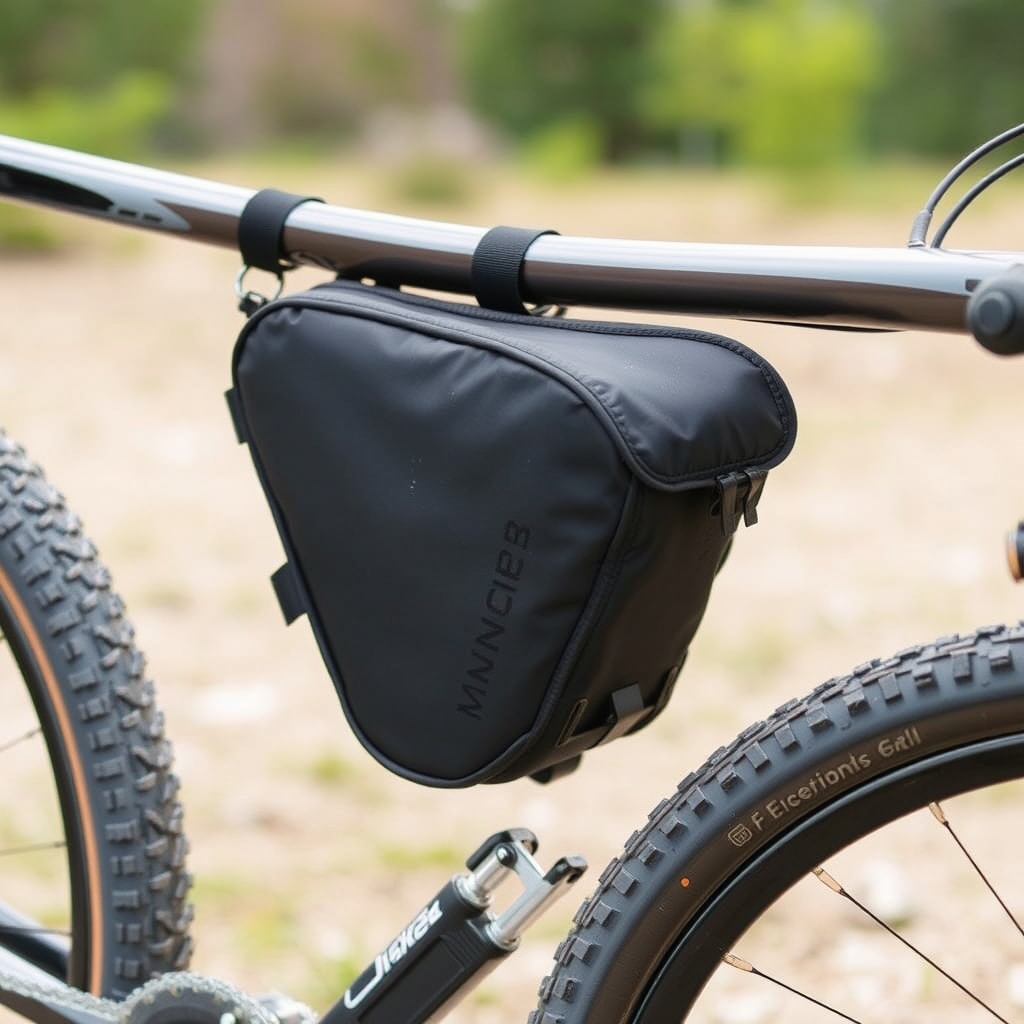
- Weight distribution matters: Use frame bags and saddlebags to keep the center of gravity low, ensuring your bike remains stable and easy to handle.
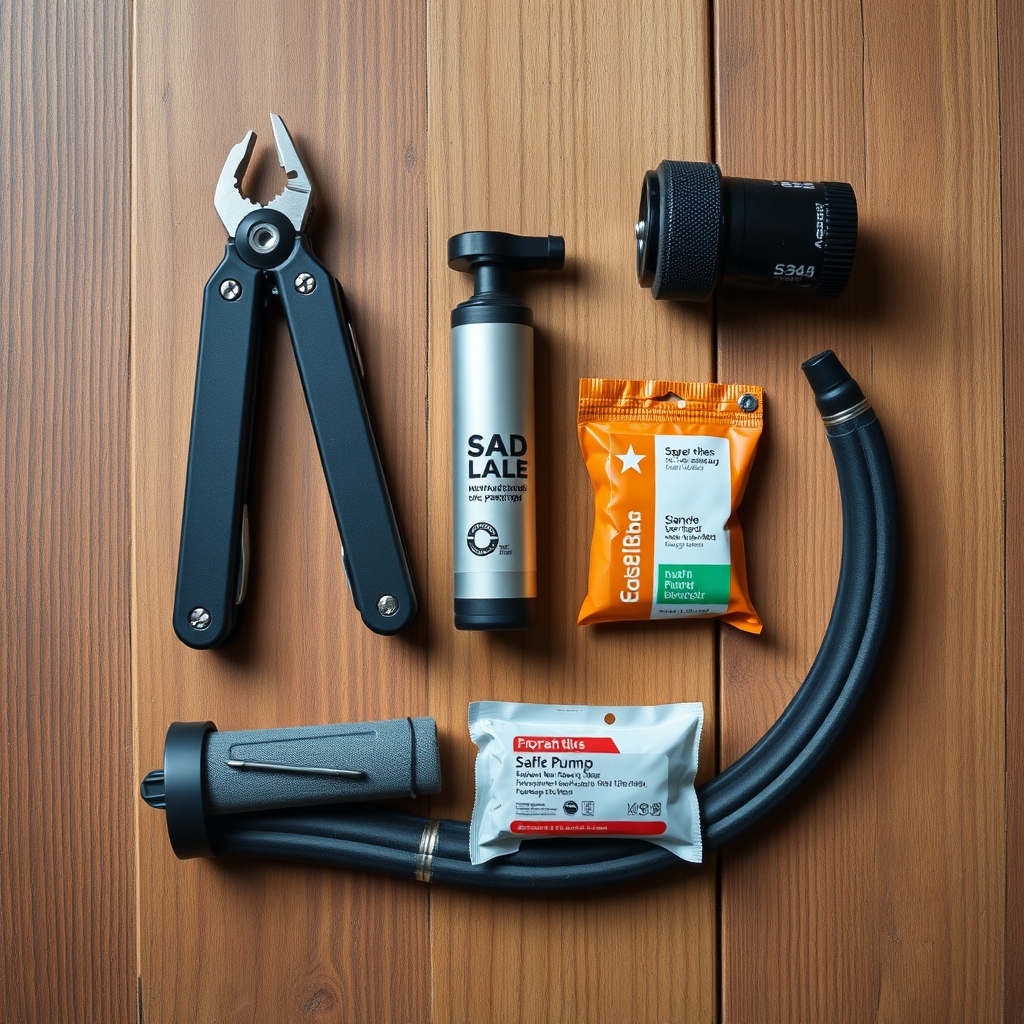
- Prioritize repair basics: Never leave home without a multi-tool, tire levers, and a reliable patch kit—mechanical issues are only stressful if you aren’t prepared to fix them.
If you have spent your weekends juggling laundry, grocery shopping, and the perpetual search for “kid-friendly” activities, the idea of packing up your bikes and heading into the wilderness might sound like either a dream or a logistical nightmare. Let’s be honest: it’s usually a bit of both. But there is something incredibly grounding about moving under your own power, carrying your home on your back, and teaching your children that adventure doesn’t require a plane ticket.
Bike-packing—essentially backpacking on a bicycle—has exploded in popularity, but it doesn’t have to be an extreme sport. For families in their 30s and 40s, it is a chance to reset. The barrier to entry is lower than you think, provided you approach it with a “less is more” mentality.
Choosing the Right Setup: Why Your Daily Commuter Might Just Work
One of the biggest misconceptions in the cycling world is that you need a specialized, high-end “adventure bike” to start bike-packing. While those bikes are optimized for rugged terrain, most family trips occur on rail-trails, gravel paths, or well-maintained forest roads. If you have a mountain bike, a hybrid, or even a sturdy gravel bike, you already have a vehicle capable of carrying your gear.
The key isn’t the frame material; it’s the mounting points. Look at your bike frame. Do you have eyelets for a rear rack? Can you attach bottle cages? If the answer is yes, you are halfway there. If you are riding a bike without these features, don’t worry—modern “bikepacking” bags are designed to strap directly onto your seat post, handlebars, and frame tubes using heavy-duty hook-and-loop fasteners.
When selecting a bike for a child, keep it simple. If they are young, a tag-along or a trailer is your best friend. It allows them to participate without the pressure of having to maintain pace or navigate challenging terrain for hours on end. For older kids who ride their own bikes, ensure their bike is tuned up. A simple gear check at a local shop a week before you leave is the best insurance policy you can buy.
The Art of Packing: Weight, Balance, and Accessibility
Packing for a bike trip is a masterclass in compromise. Every item you bring must justify its weight. The golden rule is to keep the heaviest items low and centered on the bike. This prevents the “wobble” that can make steering feel sluggish or dangerous, especially when you are tired.
Start by categorizing your gear into three tiers: “On-Bike” (tools, snacks, rain gear), “Camping” (tent, sleeping bags, pads), and “Personal” (clothes, hygiene items). Your “On-Bike” items should be in bags that you can reach while moving or during a quick stop without unpacking your entire load.
| Bag Type | Best For | Pro Tip |
|---|---|---|
| Frame Bag | Heavier items (tools, stove) | Keep the center of gravity low. |
| Saddle Bag | Sleeping gear/clothing | Ensure it doesn’t rub on your thighs. |
| Handlebar Bag | Light, bulky items | Don’t overpack; keep steering light. |
For parents, the most common mistake is overpacking clothing. You do not need a fresh outfit for every day. Choose merino wool or synthetic base layers that resist odors and dry quickly. A simple rule of thumb: one set to ride in, one set to sleep in, and one set of “off-bike” clothes for the evening. If you are going for a weekend, that is all you need.
Essential Gear for the Overnight Adventure
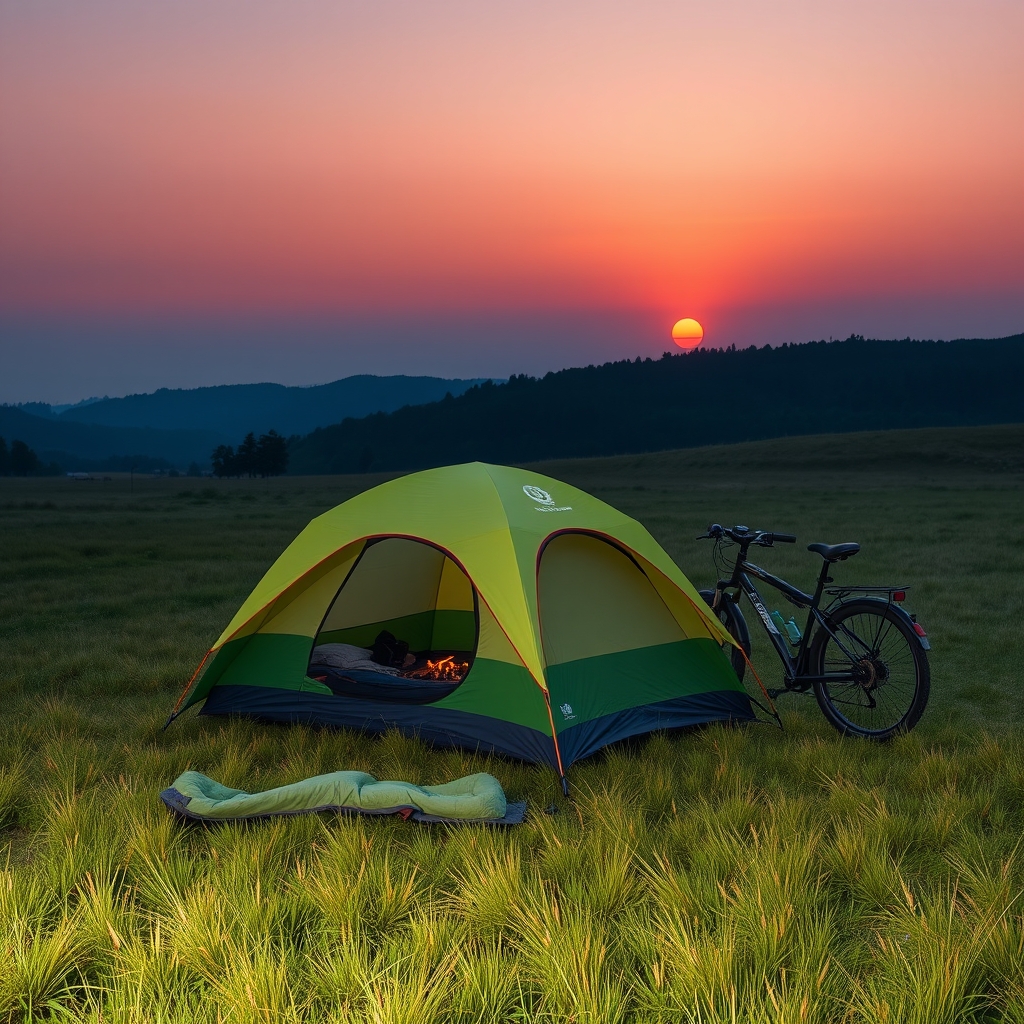
When you are out in the wild, your gear needs to be reliable. You don’t need a thousand-dollar tent, but you do need one that is lightweight and easy to pitch. If you are traveling as a family, consider splitting the tent components between two bikes to distribute the weight.
Sleeping pads are often overlooked. Do not skimp here. A cold night on the ground will ruin the next day’s ride faster than a flat tire. Inflatable pads are compact and provide excellent insulation. Pair these with a sleeping bag rated for the lowest temperature you expect to encounter, plus a buffer of five degrees for safety.
The “Oh-No” Kit:
- Multi-tool: Must include a chain breaker.
- Tire Levers: Carry at least two, preferably three.
- Spare Tubes: One for every bike size in your party.
- Patch Kit: Including a boot (a piece of heavy material to patch a side-wall tear).
- Mini-Pump or CO2 Inflator: Make sure you know how to use it before you leave.
- Zip Ties and Duct Tape: The “fix-anything” duo.
Lighting is another non-negotiable. Even if you plan to arrive at your campsite by 4:00 PM, things happen. A mechanical delay or a wrong turn can push you into dusk. Every bike needs a high-visibility front white light and a rear red light. Keep them charged, and always carry a spare headlamp for camp tasks.
Route Planning: Why “Short and Sweet” Wins
When you are riding with kids, the destination is less important than the journey. Avoid the temptation to plan 50-mile days. For a first trip, 10 to 15 miles is plenty. You want to leave room for ice cream stops, rock-throwing sessions by the creek, and the inevitable “my legs are tired” breaks.
Use apps like Komoot or RideWithGPS to find routes. Look for “Rail-to-Trail” paths. These are often flat, car-free, and scenic—perfect for families. They provide a safe environment where you don’t have to worry about traffic, allowing you to focus on the kids and the scenery.
Before you set off, check the weather forecast, but don’t be discouraged by a light drizzle. As long as you have proper rain gear, riding in the mist can be one of the most memorable parts of the trip. However, if the forecast calls for severe storms or high winds, reschedule. There is no shame in choosing safety over a rigid schedule.
Managing Expectations and Energy Levels
The biggest challenge of family bike-packing isn’t the terrain; it’s the temperament of the group. If the kids are having a bad time, the trip is effectively over. Keep the mood light. Bring a small deck of cards, a lightweight travel game, or just a notebook for sketching at the campsite.
Food is your primary fuel and, more importantly, your primary motivator. Pack “high-value” snacks. Things you wouldn’t normally give them at home—like a specific kind of candy or a favorite energy bar—can act as a powerful incentive to get over that last hill. For meals, keep it simple. Dehydrated meals are convenient, but for a one-night trip, fresh food like pre-cooked sausages or a sturdy pasta dish can be a morale booster.
Hydration is equally critical. Ensure everyone has easy access to water. If you are using a hydration bladder (like a CamelBak), make sure the kids know how to use the bite valve. If you are using bottles, ensure they are in easy-to-reach cages. Always carry a water filter or purification tablets, just in case you run out or find a stream you want to use.
Common Pitfalls and How to Avoid Them
Many first-time bike-packers fail because they try to replicate their “home life” on the bike. You cannot bring the espresso machine, the extra pillows, or the massive first-aid kit. You have to learn to be comfortable with less. If you find yourself agonizing over whether to bring a second pair of shoes, leave them behind. You will be wearing your cycling shoes or camp sandals anyway.
Another common issue is improper bike fit. If your seat is too low, you will tire out twice as fast. If your handlebars are too far away, your back will suffer. Spend time adjusting your bike before the trip. If you are uncomfortable during a 30-minute ride, you will be in agony during a two-day trip. If you are unsure, a quick professional bike fit at a local shop is worth every penny.
Finally, respect the environment. “Leave No Trace” isn’t just a slogan; it’s a necessity for keeping these spaces open for future generations. Pack out everything you pack in. If you use a stove, ensure it is on a stable, fire-safe surface. Teach your children about the importance of staying on marked trails and respecting wildlife. These lessons are just as important as the physical activity itself.
The Deeper Value of the Weekend Escape
There is a specific kind of silence that comes with being away from the hum of modern life. When you are on a bike, you are traveling at the speed of human perception. You notice the way the light hits the trees, the smell of the pine needles after a rain, and the shifting temperature as you move through different elevations. Sharing this with your children—seeing them marvel at a turtle on the path or the stars above the tent—is a rare gift.
The logistics might feel daunting at first, and the first time you pack your bike, you will almost certainly bring too much. That is part of the process. You will come home, look at the things you didn’t touch, and you will refine your gear list for the next time. It is a cycle of improvement, both for your gear and for your family dynamics.
Don’t wait for the “perfect” gear or the “perfect” weather. The best time to start is this coming weekend. Even if you just ride to a local park or a nearby campground, the experience of being self-sufficient on two wheels will change the way you look at your bike and your family time. You are not just going for a ride; you are building a tradition of resilience, curiosity, and shared adventure.
When you return, keep your gear organized. Clean your chain, dry out your tent, and restock your repair kit. By treating your equipment with respect, you are already preparing for the next trip. And trust me, once you have that first successful night in the woods, there will definitely be a next trip.
Frequently Asked Questions
How do I know if my bike is capable of carrying luggage?
Most bikes can carry a reasonable amount of weight. If your frame is made of aluminum, steel, or carbon, it is likely strong enough. The limitation is usually the mounting points. If you lack rack mounts, you can use “bikepacking” style bags that attach via straps. Always check your manufacturer’s weight limit, especially for carbon frames, and avoid overloading the front fork unless it is specifically designed for it.
What is the best way to handle food safety and storage while camping?
Always store food in a sealed, smell-proof bag. If you are in an area with wildlife, such as bears or raccoons, use a bear canister or a hang-bag system to keep food away from your tent. Never keep food inside your sleeping area, as it attracts pests and wildlife, which is the last thing you want on a family trip.
Should I train specifically for a bike-packing trip?
You don’t need to be an athlete, but being comfortable in the saddle is key. Try to get in a few longer rides in the weeks leading up to your trip. If you are carrying significant weight, do a “shakedown ride”—a short, loaded ride around your neighborhood—to see how the bike handles. This will help you identify any issues with your packing or your bike’s mechanical setup before you are miles away from home.
For more information on trail safety and planning, you can visit the Adventure Cycling Association for resources and community-vetted routes. Always check local land management websites for camping regulations and fire bans before you depart.