The secret to packing for unpredictable weather is not bringing more clothes, but choosing pieces that function as a cohesive system of thermal regulation.
- The Layering System: Focus on the triad of base, mid, and shell layers to manage body temperature in any climate.
- Fabric Choices: Prioritize merino wool, synthetic blends, and technical fabrics over cotton to ensure moisture-wicking and quick-drying performance.
- Versatility Over Quantity: Every item in your bag must serve at least two distinct purposes to reduce bulk and decision fatigue.
If you are in your 30s or 40s, you likely remember the days of throwing everything you owned into a duffel bag and figuring it out later. Back then, shivering in a rainstorm or sweating through a heavy sweater felt like a “travel story.” Today, with kids in tow or a tight schedule to maintain, that same lack of preparation is just a logistical nightmare.
We’ve all been there: you check the weather app, it promises 20°C (68°F) sunshine, so you pack light. You arrive, and a freak cold front drops the temperature by ten degrees while adding a persistent drizzle. Suddenly, you’re spending your vacation budget on overpriced, low-quality hoodies at a souvenir shop. It’s frustrating, it’s expensive, and frankly, it’s avoidable.
The Physics of Temperature Regulation
To pack for “multi-climate” travel, you have to stop thinking about “outfits” and start thinking about “thermal management.” Your body needs to maintain a core temperature of roughly 37°C (98.6°F). When the environment shifts, your clothing acts as the barrier that slows down heat transfer.
The classic three-layer system remains the gold standard for a reason. It is not just for mountaineers; it is for anyone who wants to be comfortable while walking through a city in the morning fog, a sunny afternoon, and a breezy evening.
1. The Base Layer: This is your “second skin.” Its job is moisture management. If you sweat, you want the moisture pulled away from your skin so it can evaporate. If it stays against your skin, you will chill the moment you stop moving. Look for thin merino wool or high-quality synthetic blends. Avoid cotton at all costs; it holds moisture, takes forever to dry, and will make you feel cold and clammy.
2. The Mid-Layer: This is your insulation. Its job is to trap body heat. Think fleece, a light down vest, or a wool sweater. In a multi-climate scenario, this piece should be easily removable. If you are going from a freezing train station to a heated café, you want to be able to shed this layer in under ten seconds.
3. The Outer Shell: This is your shield. Its job is to block wind and rain. A windbreaker or a light, packable waterproof jacket is essential. It doesn’t need to be heavy; it just needs to be a barrier. If the wind can’t get through, your body heat stays trapped near your skin.
The “Rule of Three” for Packing Efficiency
Packing for unpredictable weather often leads to the “just in case” trap. You pack an extra jacket, an extra pair of jeans, and a heavy sweater, just in case. The result is a suitcase that is nearly impossible to lift. Instead, adopt the Rule of Three for your core items.
| Category | Item Recommendation | Why it works |
|---|---|---|
| Base Layer | Merino wool long-sleeve tee | Naturally odor-resistant and thermoregulating. |
| Mid-Layer | Lightweight synthetic fleece | Dries quickly and packs into a small space. |
| Outer Shell | Packable technical windbreaker | Blocks wind, which is the primary cause of heat loss. |
The goal is to ensure that every single item you pack can be worn in combination with at least two other items. If a sweater only looks good with one specific pair of pants, it stays home. If a jacket is too bulky to fit under your raincoat, it stays home. We are building a modular system, not a collection of outfits.
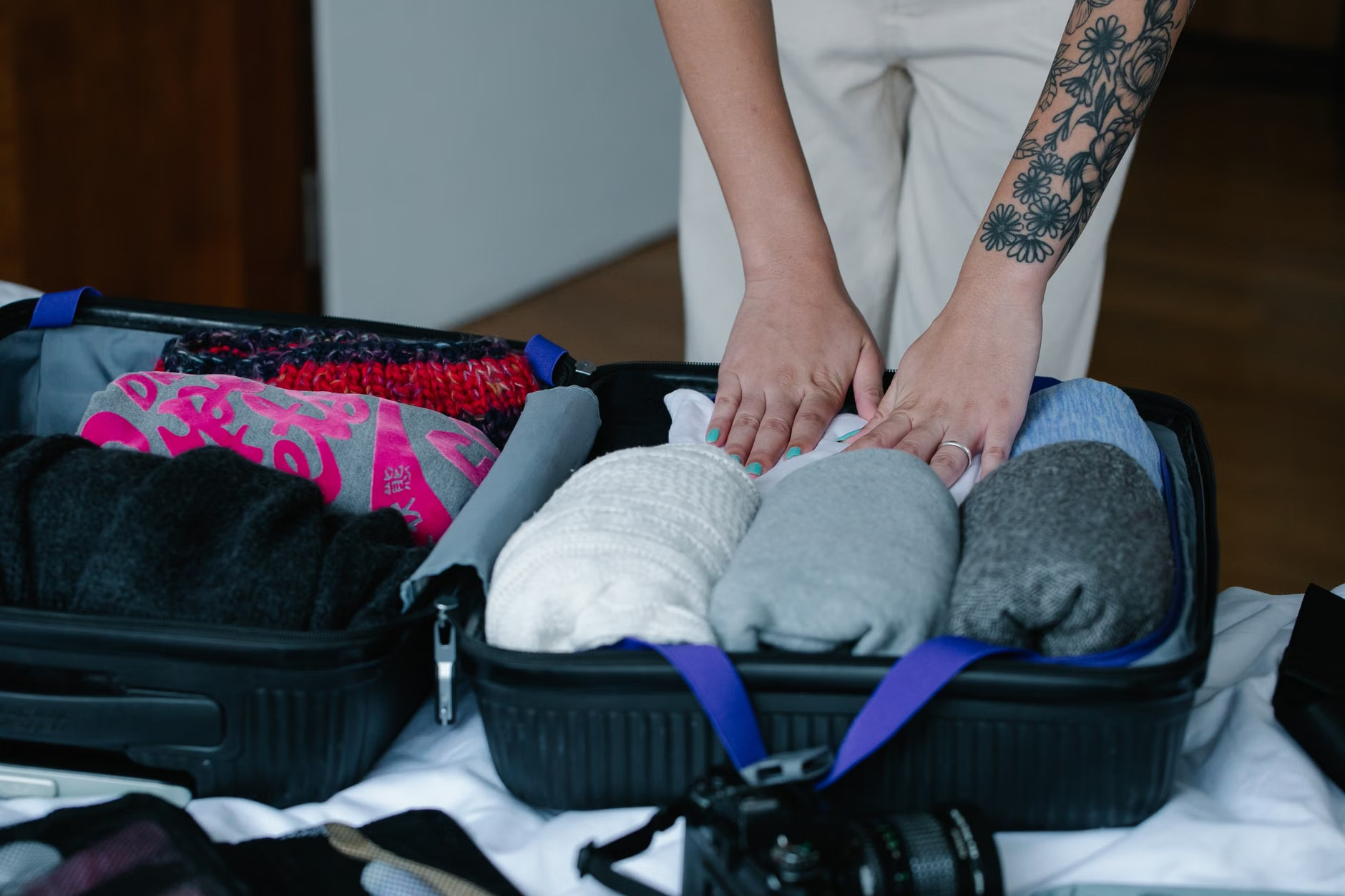
Fabric Selection: The Unsung Hero of Travel
When you are dealing with unpredictable weather, the fabric is more important than the cut or the brand. You are looking for high performance-to-weight ratios. In your 30s and 40s, you value comfort and functionality over fast-fashion trends. This is the perfect time to invest in materials that work for you.
Merino Wool: This is the holy grail of travel fabric. It is naturally antimicrobial, meaning you can wear a shirt for two or three days without it smelling. It is also incredibly breathable. It keeps you cool when it’s warm and traps heat when it’s cold. While it can be more expensive, the cost-per-wear is significantly lower because you need to pack fewer items.
Synthetic Blends: Look for polyester or nylon blends with a bit of spandex. These fabrics are durable, wrinkle-resistant, and—most importantly—they dry incredibly fast. If you get caught in a downpour, a synthetic shirt will be dry within a few hours. A cotton shirt will stay damp all day, making you uncomfortable and prone to catching a chill.
Common Misconception: Many people believe that “heavier” equals “warmer.” This is false. Air is an insulator. A thick, heavy sweater is less efficient than a down vest that traps warm air close to your core. When packing for uncertain weather, prioritize loft over weight.
Footwear Strategy: The Weakest Link
Your feet are the first things to get cold or wet, and once they are, your entire mood changes. In unpredictable weather, you are usually facing one of two enemies: water or temperature drops.
The best travel shoe for unstable climates is a waterproof-breathable sneaker or a leather boot with a decent tread. Avoid mesh running shoes if there is any chance of rain, as your feet will be soaked in seconds. If you are a parent traveling with children, you will likely be on your feet for hours. Do not sacrifice support for style. A pair of comfortable, water-resistant walking shoes is worth its weight in gold.
If you are traveling in a particularly wet climate, consider a pair of wool-blend socks. Even when wet, wool retains heat better than synthetic or cotton socks. It is a small detail, but it prevents the “cold toe” phenomenon that ruins long walks through historical city centers.
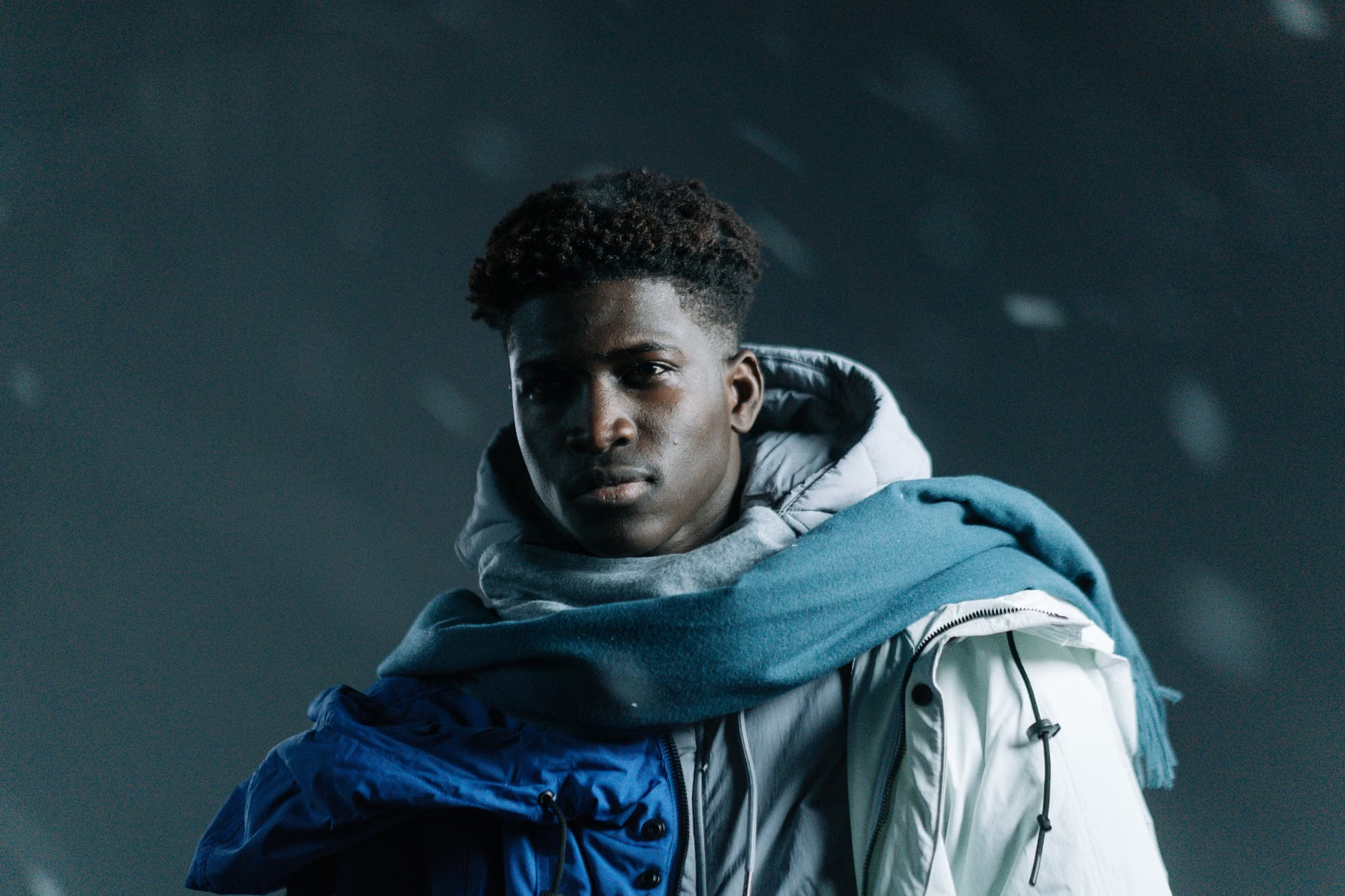
Managing the “Middle-Age” Packing Fatigue
Packing for a family is a logistical challenge. When you’re in your 30s and 40s, you aren’t just packing for yourself; you’re managing the gear for your partner and potentially your children. The stress of “did I pack enough?” often leads to overpacking.
To combat this, use the “Packing Cube Method.” Assign one color to each person. Within those cubes, organize by function: one for base layers, one for accessories, one for heavier items. When the weather changes, you don’t have to dump your entire suitcase to find the one item you need. You just pull the “accessory” cube out, grab a scarf or a hat, and you’re ready to go.
Pro-tip: Always keep a “Go-Bag” or a small daypack that contains your emergency weather gear. This should include a compact umbrella, a lightweight scarf, and a pair of gloves. If you are out and the weather turns, you don’t need to head back to the hotel. You have everything you need on your back.
The Psychology of “Good Enough”
One of the biggest hurdles to minimalist travel is the fear of being underdressed. We worry that if we don’t have a specific outfit for a specific scenario—like a sudden fancy dinner or a rainy hike—we will be caught off guard. However, most modern travel scenarios are forgiving.
A smart, dark-colored base layer (like a black merino long-sleeve) can be dressed up with a nice scarf or jacket for a dinner, or worn as a functional layer for a hike. The key is to choose neutral colors: navy, black, gray, and olive. These colors hide dirt better than lighter shades and they all match each other, which reduces the number of items you need to bring.
If you find yourself worrying about a specific “what if” scenario, ask yourself: “Can I buy this there if I really need it?” If the answer is yes, and it is a rare occurrence (like a heavy winter parka in late spring), leave it behind. You are better off spending $50 on a local item you might use once than carrying 5kg of extra weight for the entire duration of your trip.

Refining Your System Over Time
After your first trip using the layering system, take ten minutes to conduct a “post-trip audit.” Look at what you actually wore versus what you didn’t touch. Most of us find that we use about 50% of what we pack, and the other 50% is just psychological insurance.
If you find you didn’t use your rain jacket, don’t necessarily stop packing it. Instead, evaluate *why*. Was it not raining? Or was it just too bulky to carry? If it was the latter, look for a more packable version. This iterative process is how you become a master traveler.
Remember that the goal is not to be a minimalist for the sake of it. The goal is to spend less time managing your luggage and more time focusing on the people you are with. When you aren’t worried about whether you have the right sweater, you are more present. And in our 30s and 40s, being present is the most valuable luxury we have.
Common Mistakes to Avoid
- The Cotton Trap: Bringing heavy denim jeans and cotton hoodies. They are heavy, slow to dry, and offer poor thermal regulation.
- Ignoring the Wind: Forgetting that wind chill is often what makes a day feel much colder than the forecast suggests. A thin windbreaker is more effective than a thick, porous sweater.
- Over-packing Shoes: Shoes are the heaviest items in your bag. Limit yourself to two pairs: one for walking/activity, and one for nicer occasions.
- Neglecting Maintenance: Not checking the weather forecast until the day of departure. Check the 10-day outlook, but look at the *historical* averages for the region as well to get a better sense of the climate’s personality.
Practical Checklist for Your Next Trip
Before you zip up that bag, run through this final checklist to ensure you have covered your bases without adding unnecessary weight:
| Item | Check | Notes |
|---|---|---|
| Base Layers (2-3) | [ ] | Merino wool is best for odor control. |
| Mid-Layer (1) | [ ] | Fleece or light down vest. |
| Outer Shell (1) | [ ] | Waterproof and windproof. |
| Comfortable Pants (2) | [ ] | Quick-dry or travel-specific chinos. |
| Versatile Shoes (1-2) | [ ] | Supportive and water-resistant. |
| Accessories | [ ] | Scarf, thin gloves, and a compact umbrella. |
By sticking to this structured approach, you remove the guesswork from your travel experience. You are no longer at the mercy of a changing forecast, because your wardrobe is designed to adapt in real-time. Whether you are navigating a rainy weekend in London or a fluctuating temperature range in the mountains, you will have exactly what you need to stay comfortable and focused on the experience.
As you continue to refine your packing list, you will notice that the anxiety of travel prep starts to fade. You stop seeing a weather forecast of “scattered showers” as a threat to your plans and start seeing it as a minor logistical detail you have already solved. That sense of control is the ultimate travel hack for any busy parent or professional.
For more detailed information on climate-specific layering, you can check resources like the World Meteorological Organization for global climate data, or look into outdoor gear guides from reputable sources like REI’s Expert Advice on layering systems.
Frequently Asked Questions
1. Can I really wear the same clothes for a week?
Yes, if you choose the right fabrics. Merino wool and high-quality synthetic blends have natural or treated antimicrobial properties. If you wash your base layers in a hotel sink with a bit of soap and hang them to dry overnight, you can easily go a week with just two or three sets of base layers.
2. What if I am traveling with children who have their own unpredictable needs?
The system applies to them as well. Focus on the same layering principles. Use a “base, mid, shell” approach for their clothing. Because their clothes are smaller, you have more room for extra base layers, which are the items most likely to get dirty or wet. Packing their clothes in separate, labeled cubes will save you hours of searching during the trip.
3. How do I decide between a rain jacket and a full waterproof shell?
It depends on your activity level. If you are doing light city walking, a water-resistant windbreaker is usually sufficient. If you are planning on being outdoors for hours in heavy rain (like on a hike or a boat tour), a GORE-TEX or similar waterproof-breathable shell is necessary. For most family travelers, a high-quality water-resistant jacket is the “sweet spot” of versatility.
Packing for unpredictable weather is a skill that improves with every trip. Start with the basics, prioritize the quality of your fabrics, and don’t be afraid to leave the “just in case” items at home. Your back, and your sanity, will thank you.