Creating a sensory-integration corner is one of the most effective ways to help your child regulate their emotions, improve their focus, and navigate the overwhelming input of a busy household. By curating a specific space that caters to their tactile, vestibular, and proprioceptive needs, you aren’t just building a “play area”—you are building a self-regulation tool that functions even when you are busy juggling work and daily chores.
- Purpose over clutter: A sensory corner isn’t about having more toys; it’s about having the right tools to help a child calm down or get energized.
- The “Big Three” systems: Focus on tactile (touch), vestibular (balance/movement), and proprioceptive (body awareness) inputs.
- Consistency is the goal: This space works best when it is a predictable, safe haven, not a place for punishment or general storage.
Why Your Living Room Needs a Dedicated Sensory Space
If you have ever felt like your child is climbing the walls after school, or perhaps they seem unable to sit still for more than five minutes, you have likely encountered a child who is struggling to process sensory input. In our 30s and 40s, we are often managing our own stress while trying to keep the household running. When a child is dysregulated—meaning their internal “thermostat” for stimulation is off-balance—it creates a ripple effect of chaos in the home.
Sensory integration is a term coined by occupational therapists. Simply put, it is the brain’s ability to take in information from the senses, organize it, and respond to it appropriately. When a child’s sensory system is overloaded, they might seek out “heavy work” (crashing into things, pushing furniture) or “tactile input” (fidgeting, touching everything in sight). A sensory-integration corner provides a controlled environment where these impulses can be satisfied in a healthy, constructive way.
Understanding the Three Pillars of Sensory Input
To design an effective corner, you don’t need a degree in occupational therapy, but you do need to understand what you are trying to regulate. Most sensory corners aim to address three specific systems:
1. The Proprioceptive System (Body Awareness)
This is the sense that tells our body where it is in space. Kids who crave this input often love jumping, crashing, or squeezing themselves into tight spaces. Providing “heavy work” items like weighted lap pads, resistance bands, or even a simple crash pad can help them feel grounded.
2. The Vestibular System (Balance and Movement)
This system, located in the inner ear, controls our sense of balance and movement. If your child is constantly spinning in circles or hanging upside down, they are likely seeking vestibular input. A small balance board or a rocking chair can provide this movement in a safe, contained manner.
3. The Tactile System (Touch)
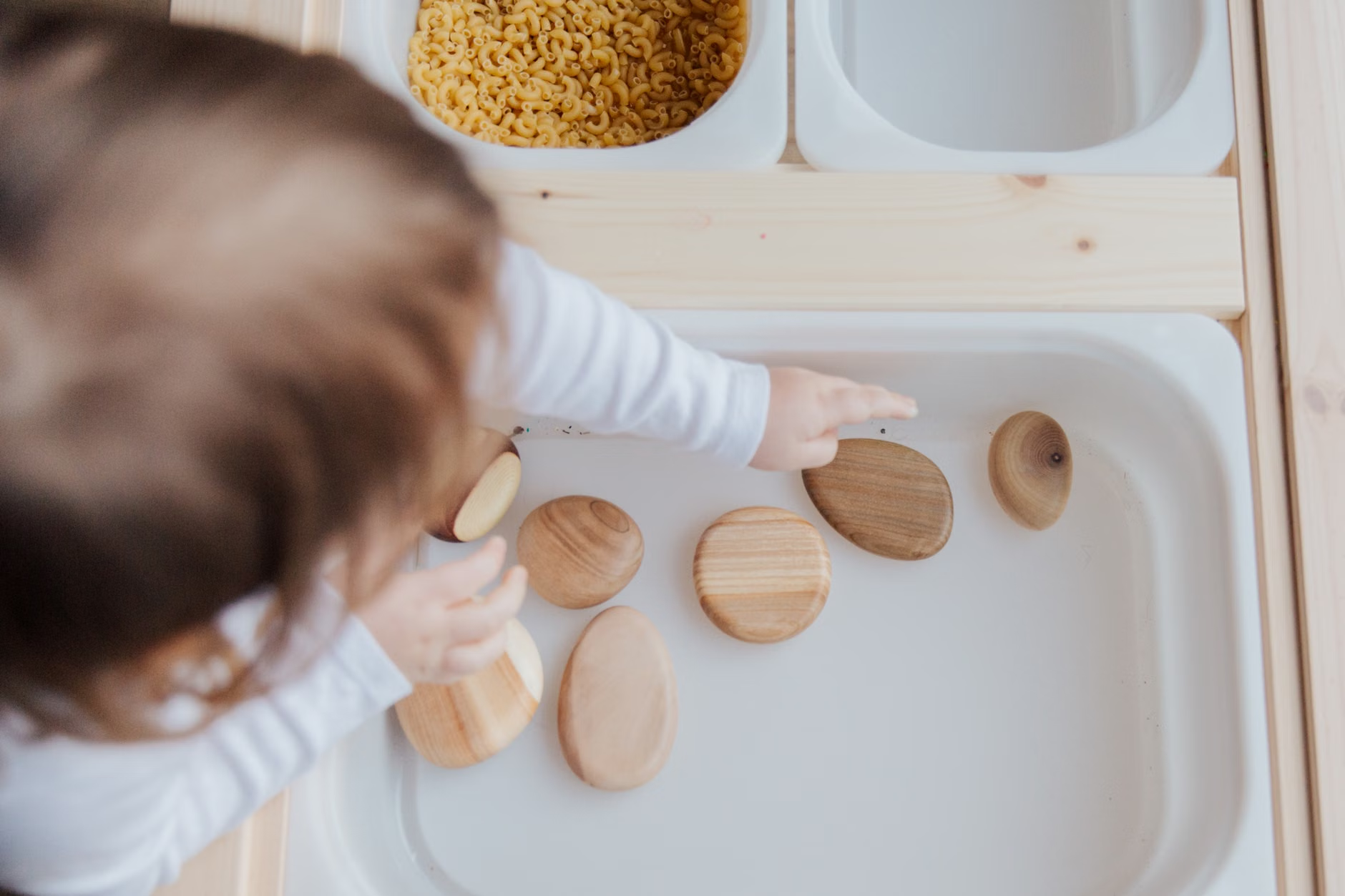
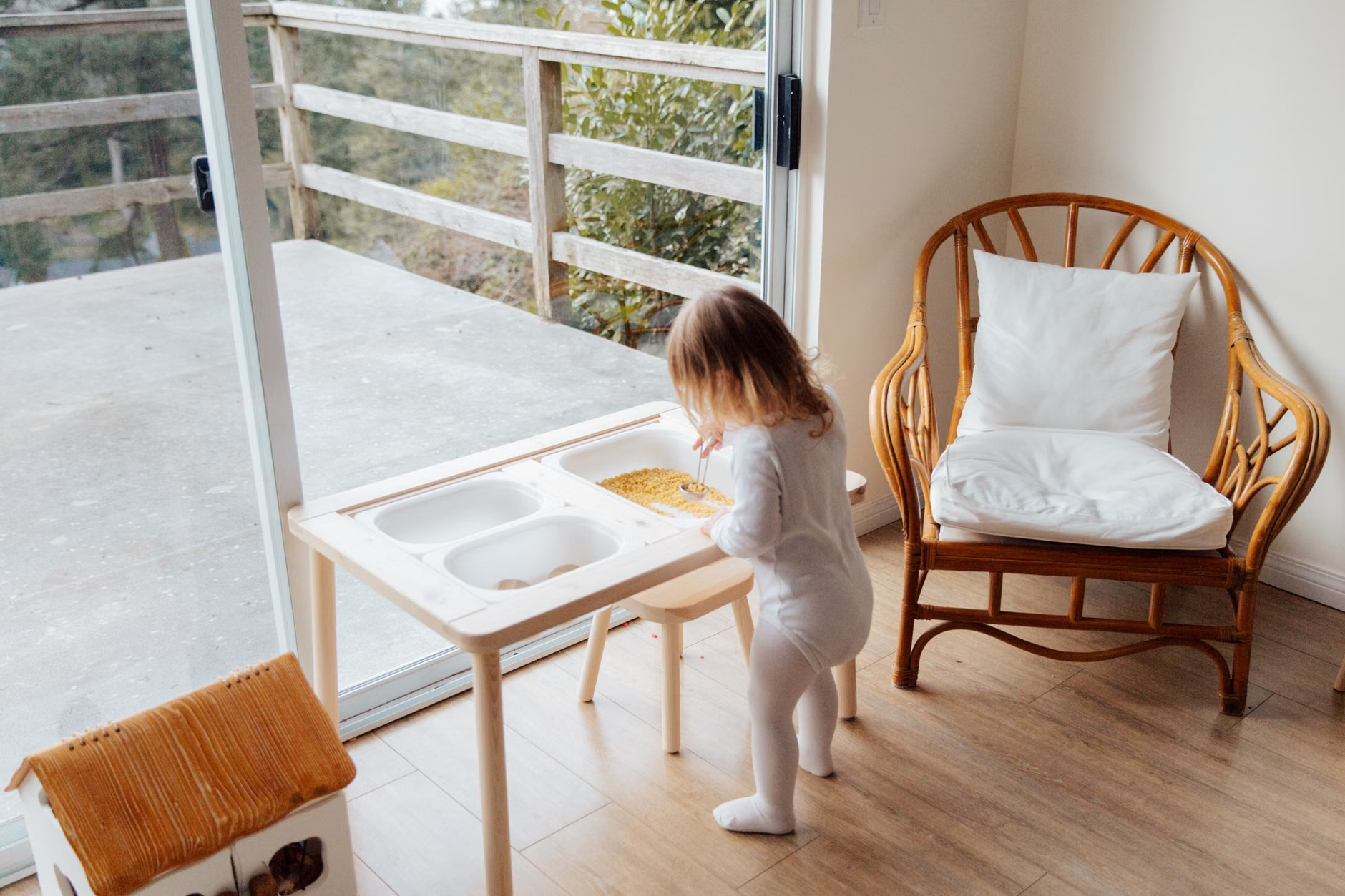
This is how we perceive texture, pressure, and temperature. Some children are “tactile seekers,” meaning they need to touch everything. Others are “tactile defensive,” meaning certain labels or textures might cause a meltdown. A sensory bin filled with kinetic sand, rice, or soft fabrics can help satisfy these needs without the mess of uncontrolled play.
Step-by-Step: Building Your Sensory Corner
You don’t need a massive playroom to make this happen. A small corner of the living room or a quiet slice of a bedroom is perfectly adequate. The goal is accessibility and safety. Here is how you can set it up without breaking the bank.
Step 1: Define the Perimeter
Use a soft, high-pile rug or a foam mat to physically delineate the space. This creates a psychological boundary. When the child is on the mat, they are in their “sensorimotor zone.” This helps them understand that this space is meant for specific types of play.
Step 2: Curate the Tools
Less is more. If you flood the corner with too many options, it becomes a source of overstimulation rather than a tool for regulation. Start with one item for each system. For example, a balance board for vestibular, a bin of sensory materials for tactile, and a weighted cushion for proprioceptive.
| Sensory Type | Practical Item | Why It Works |
|---|---|---|
| Proprioceptive | Weighted blanket/lap pad | Deep pressure calms the nervous system. |
| Vestibular | Balance board | Provides controlled movement and core engagement. |
| Tactile | Sensory bin with varied textures | Allows for focused, quiet tactile exploration. |
Step 3: Lighting and Ambiance
Fluorescent overhead lights are often the enemy of a calm space. Use a dimmable floor lamp or warm-toned fairy lights (safely secured). If the corner is near a window, consider a sheer curtain to soften the sunlight. The goal is to reduce visual clutter and create a “cocoon” effect.
Common Mistakes to Avoid
As parents, we often want to “optimize” everything. However, a sensory corner is not a project you finish; it is a space that evolves with your child. One common mistake is making the space too “busy.” If you add bright colors, flashing lights, or loud sounds, you are likely overstimulating the child rather than helping them regulate.
Another mistake is using the space as a “time-out” corner. Never use the sensory-integration corner as a punishment. If you do, the child will associate the calming tools with negative emotions, and the space will lose its effectiveness. It should be a place they want to go when they feel their internal engine running too fast or too slow.
Integrating Sensory Play into Your Daily Routine
The beauty of a sensory corner is that it doesn’t require an hour of dedicated time. It is designed for “micro-dosing” sensory input. If you are preparing dinner and the kids are getting restless, suggest they head to the corner for five minutes of “heavy work” with their weighted cushion or a few minutes of balancing on their board. This quick intervention can reset their system, buying you the peace you need to finish your task.
Think of it as a pit stop for a race car. The car doesn’t go to the pit stop to park; it goes there to get a quick adjustment so it can perform better on the track. Your child is the race car, and the living room is the track.
When to Consult a Professional
While a home sensory corner is a fantastic tool, it is not a replacement for professional intervention. If you notice that your child’s sensory needs are severely impacting their ability to function at school, sleep through the night, or interact with peers, it is time to consult an occupational therapist (OT). An OT can provide a sensory profile for your child, which acts as a roadmap for what specific inputs they need most.
Keep in mind that sensory processing is a spectrum. Some children have mild preferences, while others have significant sensory processing disorders. Your home corner is a great starting point, but don’t hesitate to seek expert advice if you feel like you are guessing more than you are helping.
Maintaining the Space: A Practical Checklist
To keep the corner functional, you need to maintain it. Here is a quick checklist for your weekly reset:
- Sanitize: Wipe down hard surfaces and wash any fabric covers or weighted pads.
- Audit: Are there items in the corner that haven’t been touched in weeks? Rotate them out.
- Safety Check: Ensure that any movement-based equipment (like balance boards) is still stable and that no small parts have become choking hazards.
- Restock: Refill sensory bins if materials have spilled or become degraded.
The Long-Term Impact on Family Life
By investing in a sensory-integration corner, you are teaching your child a lifelong skill: self-regulation. Instead of relying on you to manage their emotions, they are learning to recognize their own body’s needs. Eventually, they will start using these tools instinctively. You might even find yourself using the space! There is no shame in a parent taking five minutes on a balance board or squeezing a stress-relieving tactile toy after a long day of meetings.
Remember, the goal isn’t to create a perfectly behaved child. The goal is to create a child who understands how their body works and has the tools to manage it. This is a journey, not a destination. Take it one corner at a time, stay observant of what actually works for your child, and don’t be afraid to change things up as they grow older.
Frequently Asked Questions
Is a sensory corner the same as a “calm-down” corner?
There is significant overlap, but a sensory corner is more focused on input. A calm-down corner is often about removing stimuli to de-escalate. A sensory corner provides specific, regulated stimuli to help the nervous system organize itself. You can combine both, but the focus remains on meeting the child’s physiological needs.
How much does it cost to set up a sensory corner?
It can be as cheap or as expensive as you want. Many sensory tools can be DIYed—a heavy blanket you already own, a collection of smooth rocks and fabrics in a basket, or a simple wooden board for balance. You don’t need expensive therapy equipment to start seeing the benefits.
At what age should I stop using a sensory corner?
There is no age limit. As children grow into their teens, their sensory needs change. A teenager might not want a “play corner,” but they might benefit from a quiet space in their room with a weighted blanket, a noise-canceling headset, or a specific type of lighting that helps them focus on their studies. It’s all about adapting the space to their developmental stage.
For further reading on sensory processing and occupational therapy, you can explore resources from the American Occupational Therapy Association (AOTA), which provides evidence-based information on how sensory integration benefits children and adults alike. Always prioritize safety and consult with a professional if you have concerns about your child’s sensory development.
Building this space is a small act of care that pays dividends in your daily family rhythm. Start small, observe your child’s reactions, and adjust as you go. You’ve got this.