The secret to a successful parent-friendly gathering in your 30s and 40s is shifting the focus from the alcohol content to the intentionality and quality of the beverage experience itself.
- Prioritize Complexity: Use shrubs, bitters, and botanical distillates to create layers of flavor that mimic the depth of traditional cocktails.
- The “Host’s Rule”: Offer a designated “signature drink” that requires a ritualized preparation; this makes non-drinkers feel included rather than sidelined.
- Mind the Ritual: The enjoyment of a drink is 50% presentation; invest in glassware and fresh garnishes to elevate the experience beyond a standard soft drink.
Let’s be honest: the social landscape of our 30s and 40s is complicated. Gone are the days when a Friday night could spontaneously roll into a Saturday morning without consequence. Between the early wake-up calls from toddlers, the mental load of managing a household, and the simple reality that a hangover now lasts three business days, many of us are rethinking our relationship with alcohol. But here is the catch—we still want the ritual. We want the clink of the glass, the sophisticated flavor profile that signals “the workday is done,” and the connection that comes with hosting friends.
Enter the “Zero-Proof” movement. This isn’t just about lemonade or soda water; it is a full-blown culinary shift toward complex, non-alcoholic beverages that can hold their own at any adult dinner party or backyard hangout. If you’ve been hesitant to host a party without alcohol because you fear it will feel like a “kids’ table” event, it’s time to rethink the logistics. It is entirely possible—and arguably more enjoyable—to host a party that leaves everyone feeling refreshed rather than regretful.
Understanding the Shift: Why Zero-Proof is Having a Moment
The rise of the “sober curious” movement is supported by more than just anecdotal evidence. Recent market data suggests that the global non-alcoholic beverage market is growing at a significant pace, with consumers in the 30-45 demographic leading the charge. Why? It’s rarely about total abstinence for everyone. It’s about choice.
When you host a zero-proof party, you are removing the “alcohol tax”—that physical and mental toll that often follows a night of drinking. By focusing on high-quality ingredients like house-made syrups, fresh herbs, and non-alcoholic spirits, you aren’t just serving “mocktails”; you are serving an experience that respects the palate. The goal is to provide a drink that is sipped, not chugged, and that pairs thoughtfully with the food you’ve prepared.
The cultural shift is also about inclusivity. When your party is zero-proof by design, you eliminate the awkwardness for friends who are pregnant, driving, on medication, or simply choosing a healthier lifestyle. The playing field is leveled, and the conversation becomes the main event, rather than the buzz.
Curating the Menu: The Three Pillars of a Great Mocktail
To pull off a zero-proof party that doesn’t feel like a compromise, you need to treat your beverage program with the same seriousness a sommelier treats a wine list. You don’t need a degree in chemistry, but you do need to understand how to balance flavor profiles.
1. The Base: Beyond Fruit Juice
Most bad mocktails fail because they are essentially juice boxes for adults. They are too sweet and lack structural integrity. To fix this, look for non-alcoholic spirits—distilled botanical waters that mimic the burn and herbal notes of gin, tequila, or whiskey. If you don’t want to invest in specialty brands, look toward tea infusions. A strong, chilled lapsang souchong provides a smoky depth that works beautifully as a base for a “whiskey” style drink.
2. The Complexity: Shrubs and Bitters
This is where the magic happens. A “shrub” is a drinking vinegar made from fruit, sugar, and vinegar. It provides that sharp, acidic backbone that alcohol usually provides in a cocktail. A few dashes of bitters (check labels, as some contain trace alcohol) or a splash of an apple cider vinegar-based shrub can turn a bland sparkling water into a complex, savory beverage.
3. The Presentation: Glassware and Garnish
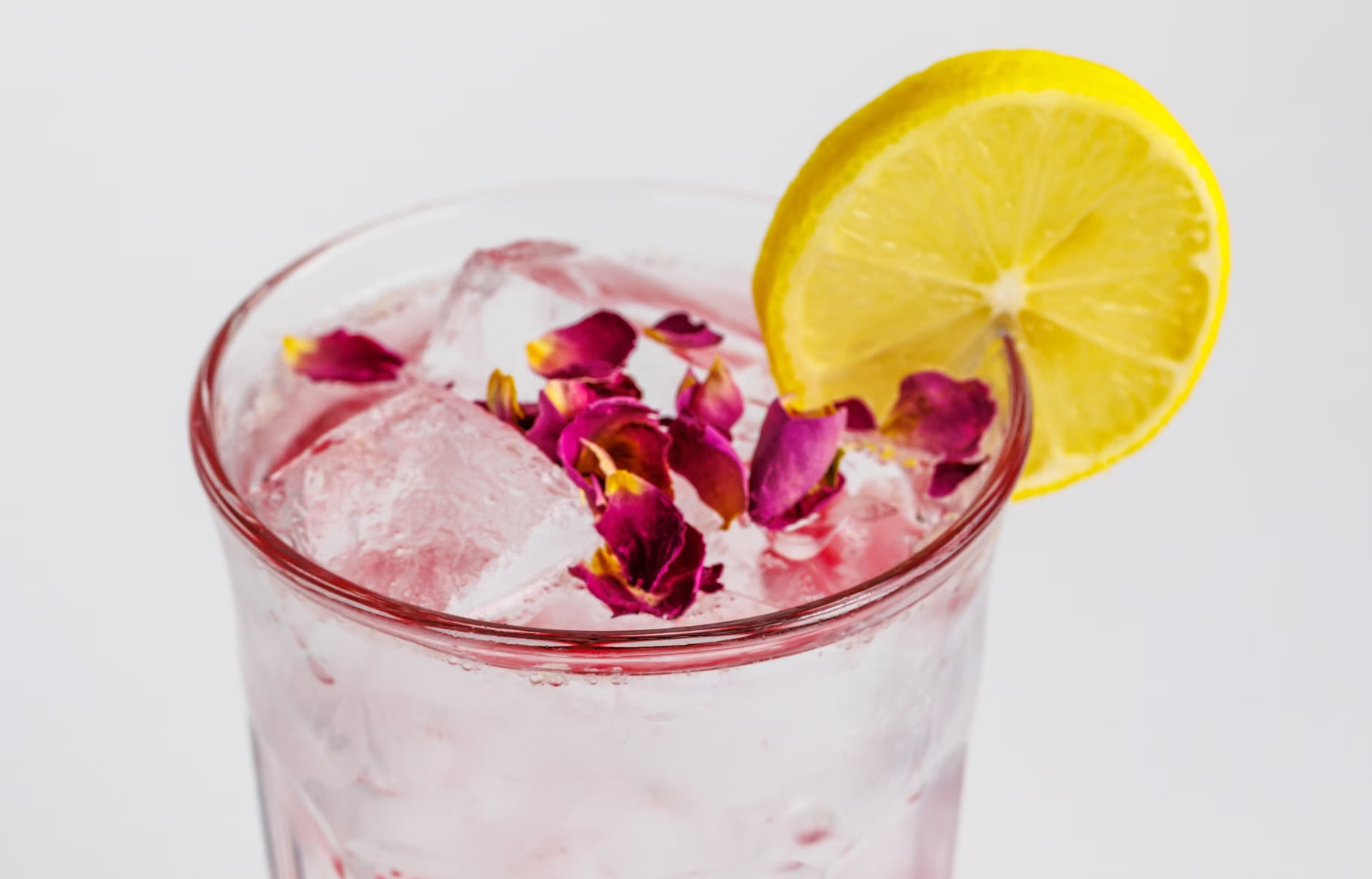
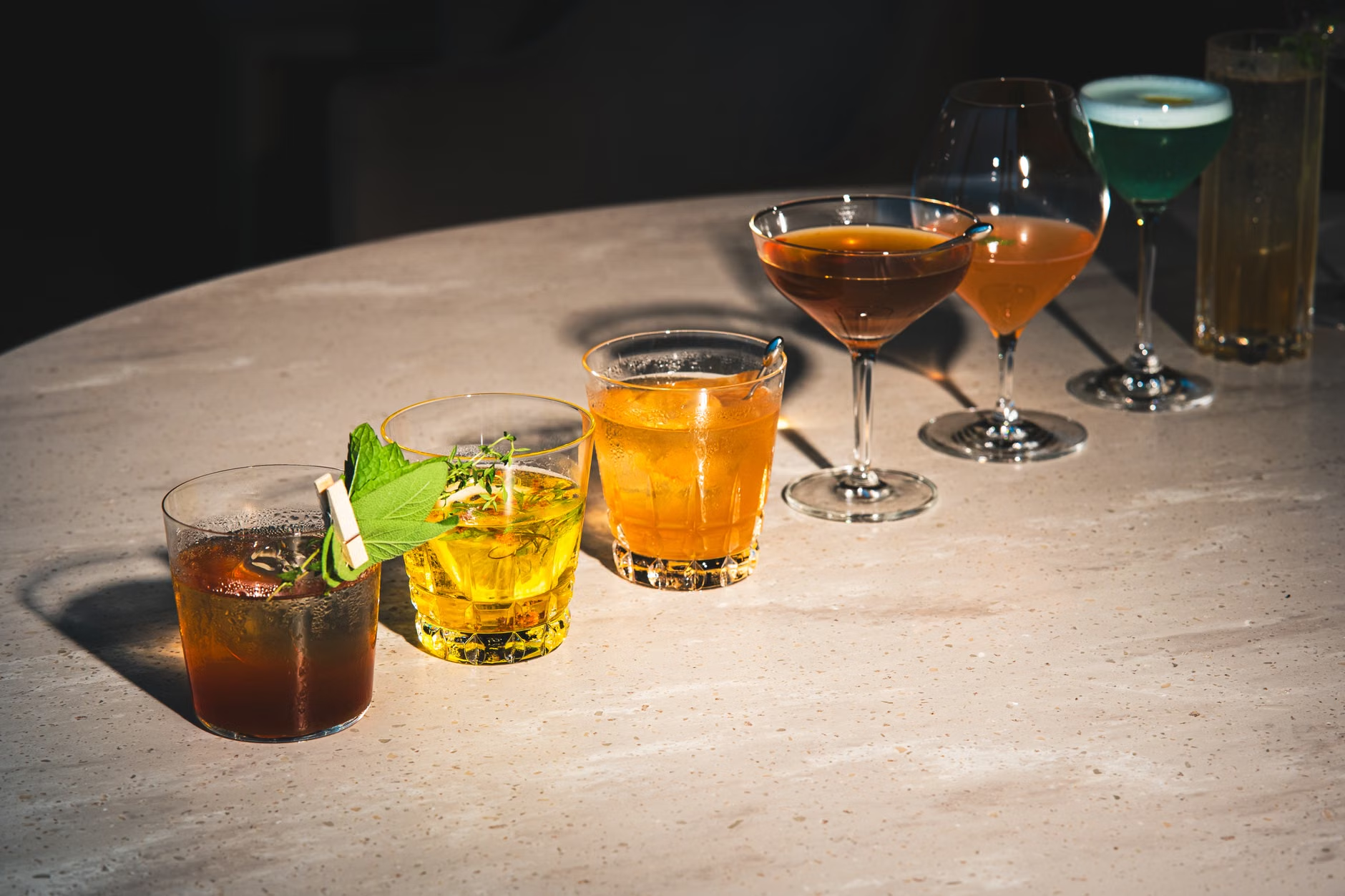
Never underestimate the power of a coupe glass or a heavy-bottomed rocks glass. If you serve a sophisticated drink in a plastic cup, it will taste like a soft drink. If you serve it in fine crystal with a hand-cut ice cube and a fresh sprig of rosemary, it becomes an “occasion.”
| Component | Why It Matters | Practical Tip |
|---|---|---|
| The Acid | Cuts through sweetness | Use lime juice or a homemade balsamic shrub. |
| The Botanical | Provides “nose” and depth | Steep fresh thyme or basil in simple syrup. |
| The Texture | Makes it feel like a “real” drink | Use egg white (or aquafaba) for a silky foam top. |
Setting the Scene: Logistics for the Modern Parent
Hosting while parenting is an exercise in time management. The beauty of a zero-proof party is that it is inherently lower-stress. You aren’t worried about how much everyone is drinking, you don’t need to stock a full bar of expensive spirits, and you certainly don’t need to worry about anyone driving home impaired. However, there are nuances to consider.
Start by creating a “Self-Service Station.” If you have young children running around, you don’t want to be stuck behind a bar all night. Prepare a large batch of a signature drink—let’s call it a “Garden Tonic”—in a beautiful glass carafe. Set it out with bowls of garnishes: cucumber ribbons, grapefruit twists, and fresh mint. This allows guests to customize their drinks while you handle the actual hosting duties.
Also, consider the timing. Mid-afternoon “Apero” hours are gaining popularity among parents. Starting at 4:00 PM and wrapping up by 7:30 PM allows everyone to enjoy the social aspect of a dinner party without encroaching on the “witching hour” or the bedtime routine. It’s a win-win for everyone involved.
Inevitably, someone might ask, “Why no booze?” It’s a fair question, but it’s how you answer it that sets the tone for the night. You don’t need to be preachy or apologetic. Simply frame it as a quality choice. “I wanted to try out some really interesting botanical recipes tonight,” is usually enough. Most people are actually relieved to have a break from alcohol, even if they wouldn’t admit it out loud.
If you have guests who are staunchly attached to the idea of alcohol, don’t make it a “dry” party in the sense of a prohibition. There is nothing wrong with being a gracious host who provides a selection of craft beers or a nice bottle of wine alongside your curated mocktail menu. But here is the trick: make the mocktail the star of the show. When the non-alcoholic drink looks better, tastes more complex, and is presented with more care than the beer in the fridge, your guests will naturally gravitate toward it.
Common Mistakes to Avoid
Even with the best intentions, it is easy to fall into common traps when hosting a zero-proof event. Here is what to watch out for:
- The Sugar Trap: Many store-bought “mocktail” mixers are packed with high-fructose corn syrup. They taste like candy and will leave your guests feeling sluggish. Always aim for “dry” or “bitter” flavor profiles rather than “sweet.”
- Ignoring the Ice: If you are serving premium ingredients, do not use old, freezer-burned ice. Use fresh, clear ice. If you have the time, large-format cubes make a huge difference in the drinking experience.
- Forgetting the “Burn”: Alcohol provides a tactile sensation on the tongue. You can mimic this using ginger, chili, or high-quality peppercorns. A “Spicy Pineapple Margarita” mocktail made with a slice of jalapeño gives that satisfying kick that many drinkers miss.
Building Your Signature “Parent-Proof” Menu
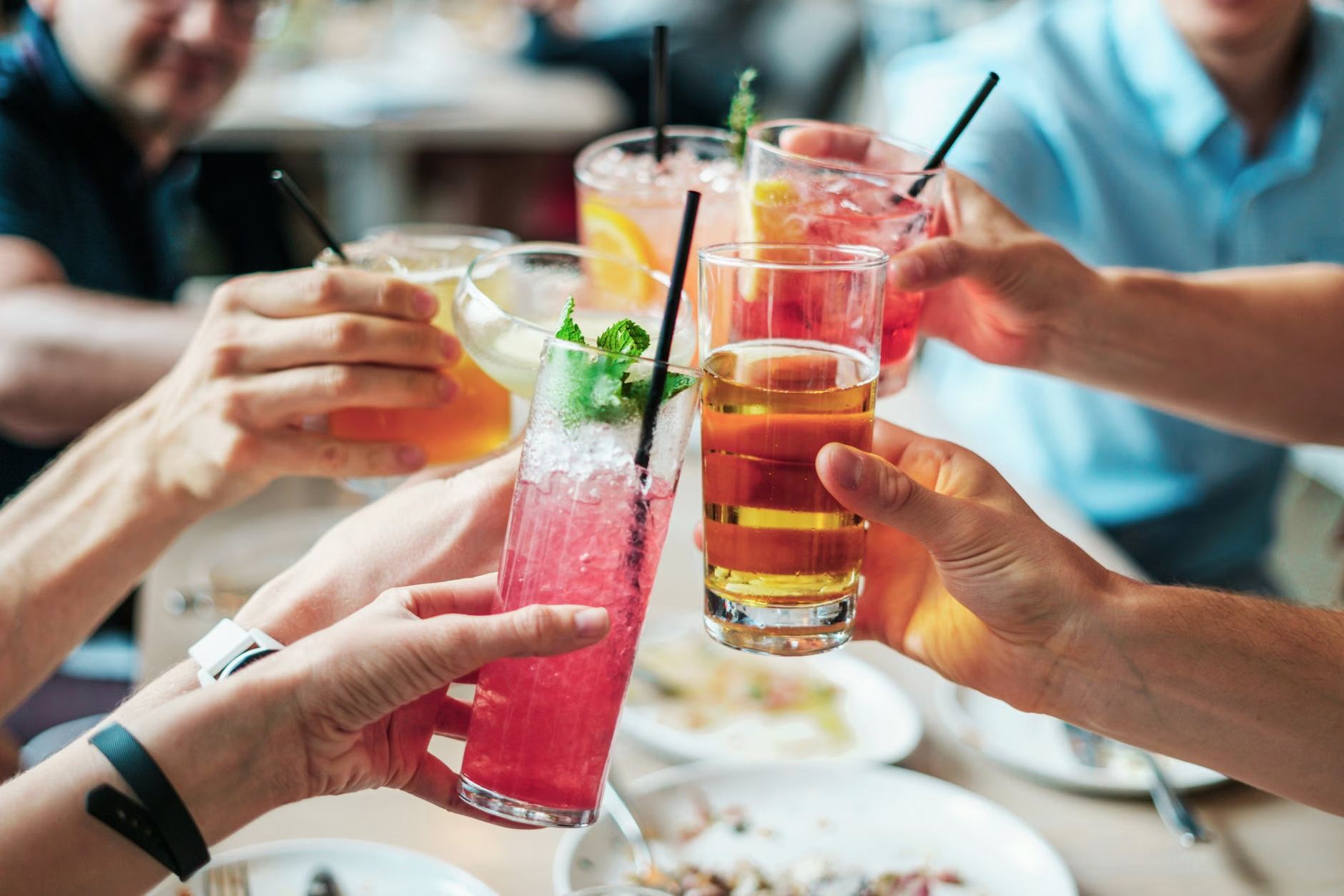
Let’s talk about three distinct profiles you can build your menu around. These are designed to be simple enough for a Tuesday, but elegant enough for a Saturday night.
1. The “Botanical Refresher”
Base: Seedlip Garden 108 or a strong infusion of cucumber and mint.
Mixer: High-quality tonic water (look for brands with lower sugar content).
Garnish: A long ribbon of cucumber and a crack of black pepper.
Why it works: It’s crisp, cooling, and feels incredibly sophisticated.
2. The “Smoky Sunset”
Base: Lapsang souchong tea (brewed strong and chilled).
Mixer: Blood orange juice and a dash of agave.
Garnish: A rosemary sprig that you’ve lightly charred with a kitchen torch.
Why it works: The smoke from the tea mimics the complexity of mezcal or whiskey.
3. The “Spiced Orchard”
Base: Unfiltered apple cider.
Mixer: Ginger beer and a splash of lemon juice.
Garnish: A cinnamon stick and a star anise.
Why it works: It’s comforting, aromatic, and perfect for cooler weather.
The Economics of the Zero-Proof Bar
One of the hidden benefits of the zero-proof movement is the cost. While premium non-alcoholic spirits can be expensive, they are often still cheaper than high-end liquor. Furthermore, your “mixer” costs are significantly lower when you are relying on tea, herbs, and homemade shrubs rather than expensive liqueurs or cordials. You can host a high-end experience for a fraction of what a traditional cocktail party would cost.
Consider the “Return on Investment” in terms of your own energy. The time you save by not having to manage a hangover is worth its weight in gold. The ability to wake up on Sunday morning ready to tackle a hike, a sports game, or just a quiet morning with your kids is the ultimate luxury in our 30s and 40s.
Refining the Experience: A Checklist for the Host
To ensure your gathering runs smoothly, follow this simple checklist:
| Prep | Batch your base drinks 2 hours before guests arrive. |
| Garnish | Pre-cut your citrus and herbs; keep them in damp paper towels to stay fresh. |
| Glassware | Ensure you have enough glasses so guests don’t have to rinse them mid-party. |
| Menu | Write the names of the drinks on a small card—it adds a touch of professional flair. |
Hosting a zero-proof party is about shifting your perspective on what “celebration” looks like. It is about moving away from the idea that a party is defined by the alcohol consumed, and moving toward the idea that a party is defined by the quality of the company and the care put into the environment. When you provide a space where everyone can feel their best, you are doing more than just serving drinks—you are fostering a culture of health and intentionality within your social circle.
Don’t be afraid to experiment. If a recipe doesn’t work, it’s just a drink—pour it out and try something else. The best part of this journey is that you are learning new skills that will serve you well beyond the living room. You are becoming a more mindful host, a more conscious consumer, and, perhaps most importantly, a parent who can enjoy the party without sacrificing the morning after.
For those looking to dive deeper into the science of non-alcoholic spirits and flavor profiles, I recommend checking out resources like the Dry January guides or specialized platforms like Seedlip or Athletic Brewing‘s blog, which often provide excellent insights into the craft of non-alcoholic mixology. Remember, the goal isn’t to be perfect, but to be intentional. Enjoy the process of creating something new, and don’t forget to have a glass yourself.
Official Resources for Further Research:
- World Health Organization – Alcohol Facts and Guidelines
- National Institute on Alcohol Abuse and Alcoholism (NIAAA)
Frequently Asked Questions
1. Do I need to buy expensive non-alcoholic spirits to host a good party?
Not at all. While they can add complexity, you can achieve incredible results with tea infusions, fresh herbs, fruit shrubs, and high-quality sparkling waters. Focus on flavor balance—acid, sweetness, and aromatics—rather than just the base spirit.
2. How do I handle guests who are disappointed there is no alcohol?
Most guests are happy with a delicious, well-crafted drink regardless of the alcohol content. If you are worried, there is no harm in providing a small selection of beer or wine, but keep the focus of your “signature” offerings on the zero-proof menu. Once they taste a complex mocktail, the “missing” alcohol usually becomes a non-issue.
3. Are these drinks safe for children to try?
Generally, yes, as they are essentially fancy fruit and botanical sodas. However, always check the labels of any store-bought non-alcoholic spirits, as some brands may contain trace amounts of alcohol or stimulants like caffeine that you might want to avoid depending on the age of your children. When in doubt, stick to homemade infusions using fresh ingredients.