Key Takeaways:
- Progress over perfection: Zero-waste is a spectrum, not an all-or-nothing goal. Small, consistent swaps are more sustainable for families than drastic lifestyle overhauls.
- Audit your trash: Identifying your top three sources of kitchen waste allows you to target your efforts where they will have the biggest financial and environmental impact.
- Systematic shopping: Reducing waste starts before you enter the store. Meal planning and inventory checks are the most effective tools to prevent food spoilage and excess packaging.
The most effective way to transition to a zero-waste kitchen is to stop viewing it as a destination and start treating it as a series of small, manageable habit shifts that save you both time and money. If you are reading this, you are likely someone who cares about the planet but also has a toddler pulling at your pant leg, a work deadline looming, and a grocery list that feels like a full-time job. The good news is that the “zero-waste” movement has moved past the aesthetic of expensive mason jars and perfectly curated pantries into a practical, grounded approach that actually makes life easier for busy parents.
When we talk about zero-waste in a modern household, we aren’t talking about fitting your annual trash into a single jar. We are talking about reducing the sheer volume of single-use items entering your home and finding better ways to manage the resources you already have. Let’s look at how to realistically integrate these changes into a household that has more important things to do than obsess over every scrap of plastic.
Why Your Kitchen is the Best Place to Start
The kitchen is the heart of the home, but it is also the primary source of household waste. According to various environmental studies, food waste and packaging constitute a significant portion of the average family’s weekly refuse. By focusing your efforts here, you aren’t just helping the environment; you are streamlining your home management. A kitchen with less clutter and fewer single-use items is easier to clean, easier to organize, and generally costs less to run.
The transition often fails when people try to do everything at once. If you toss all your plastic containers on Monday, you will be scrambling for storage by Wednesday. Instead, think of this as an iterative process. Start with the “low-hanging fruit”—the items you use once and throw away daily—before moving on to more complex systemic changes.
1. The “Waste Audit”: Know Your Enemy
Before you buy a single bamboo toothbrush or compost bin, take a week to observe your trash. What is the most common item in your bin? For many parents, it’s single-use snack packaging, paper towels, or plastic produce bags. By identifying your specific “waste culprits,” you can prioritize your swaps.
If you find that 60% of your trash is snack-related, your first goal shouldn’t be to find a plastic-free alternative for your dishwasher detergent; it should be to find a bulk-buying or homemade solution for snacks. This targeted approach prevents burnout. When you tackle the waste that bothers you the most, you feel the immediate relief of having less trash to take out, which provides the motivation to keep going.
The Rule of Replacement
Never replace something until you have used it up or it has broken. Buying a set of expensive silicone storage bags because you saw them on social media, while throwing away perfectly functional plastic containers, is not zero-waste. It is “eco-consumerism.” Use what you have until it is truly at the end of its life, then replace it with a more sustainable version.
2. Mastering the Art of Low-Waste Grocery Shopping
The grocery store is where the battle for a zero-waste home is won or lost. If you bring home excessive packaging, you are essentially paying for trash that you then have to dispose of. The goal is to shift your shopping habits toward items that are either package-free or come in recyclable materials.
Table 1: Simple Swaps for Common Grocery Items
| Common Item | Zero-Waste Alternative | Why It Works |
|---|---|---|
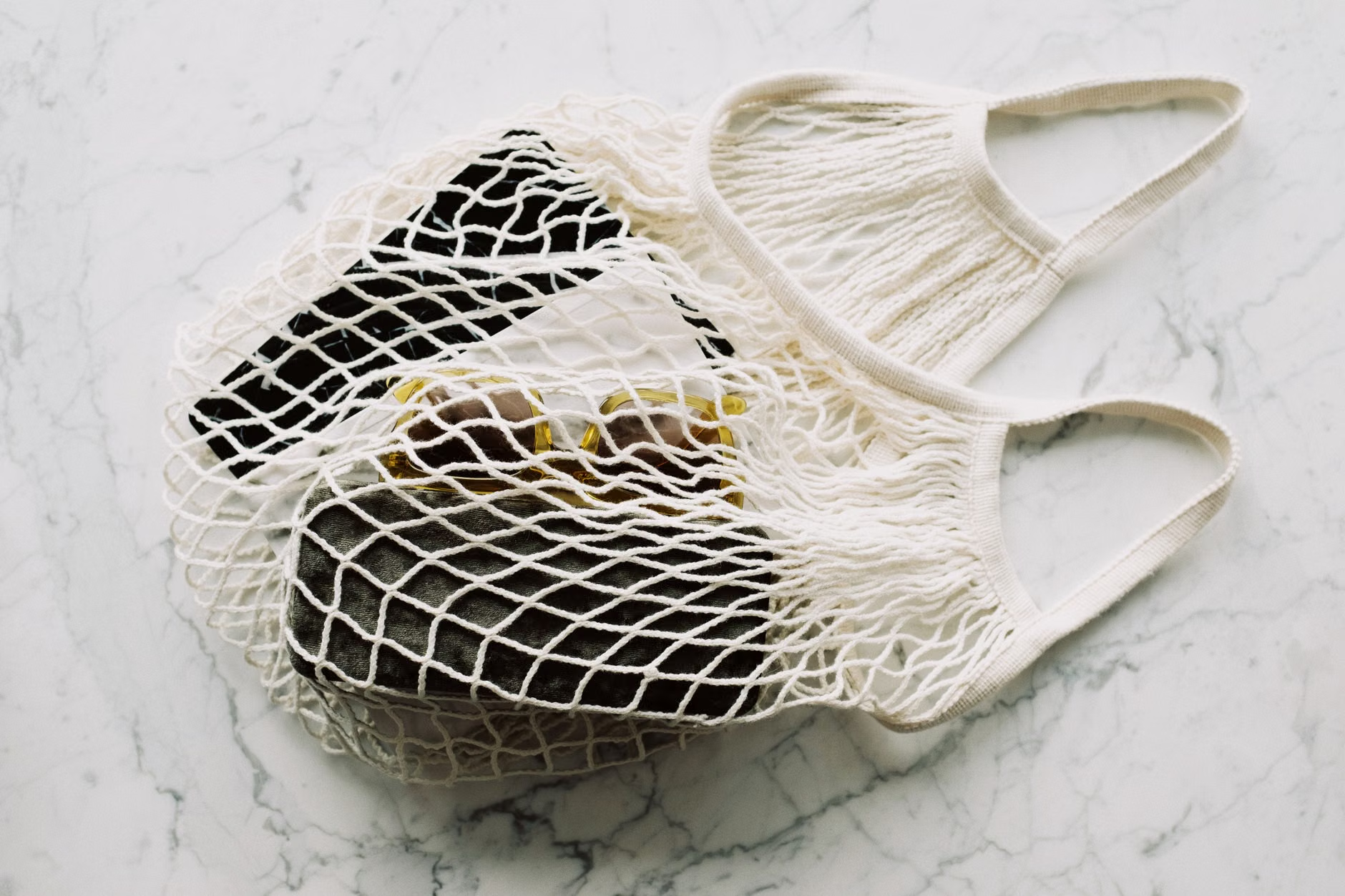
| Plastic produce bags | Mesh or cotton bags | Washable and infinitely reusable |
| Paper towels | Cotton rags or “unpaper” towels | Cheaper over time; better absorbency |
| Pre-packaged snacks | Bulk bin containers | Reduces plastic; controlled portion sizes |
When you shop, try to stick to the perimeter of the store where fresh produce lives. If you must buy packaged goods, look for glass or metal, which are infinitely recyclable, rather than plastic, which often ends up in landfills even when placed in the recycling bin.
3. Managing Food Waste: The Hidden Culprit
Food waste is arguably the most significant environmental issue in the kitchen. When organic matter ends up in a landfill, it decomposes anaerobically (without oxygen) and produces methane, a potent greenhouse gas. Composting is the single most effective way to deal with this, but it can feel intimidating if you live in an apartment or a busy suburb.
You don’t need a backyard to compost. Many cities now offer municipal composting programs where you simply collect food scraps in a bin and drop them off at a local site. If that isn’t available, look into worm composting (vermicomposting) or bokashi bins, which are compact and designed specifically for indoor use. Even if you only compost your fruit and vegetable peels, you are significantly reducing your carbon footprint.
Strategies for Reducing Food Spoilage
- First-In, First-Out (FIFO): Adopt the restaurant method. When you bring new groceries home, move the older items to the front of the fridge or pantry.
- The “Eat Me” Basket: Keep a small bowl or designated shelf area for items that need to be used within 24-48 hours.
- Freezer as a Tool: Almost everything can be frozen. If your spinach is wilting, freeze it for smoothies. If your bread is going stale, freeze it for toast or turn it into breadcrumbs.
4. Rethinking Cleaning and Storage
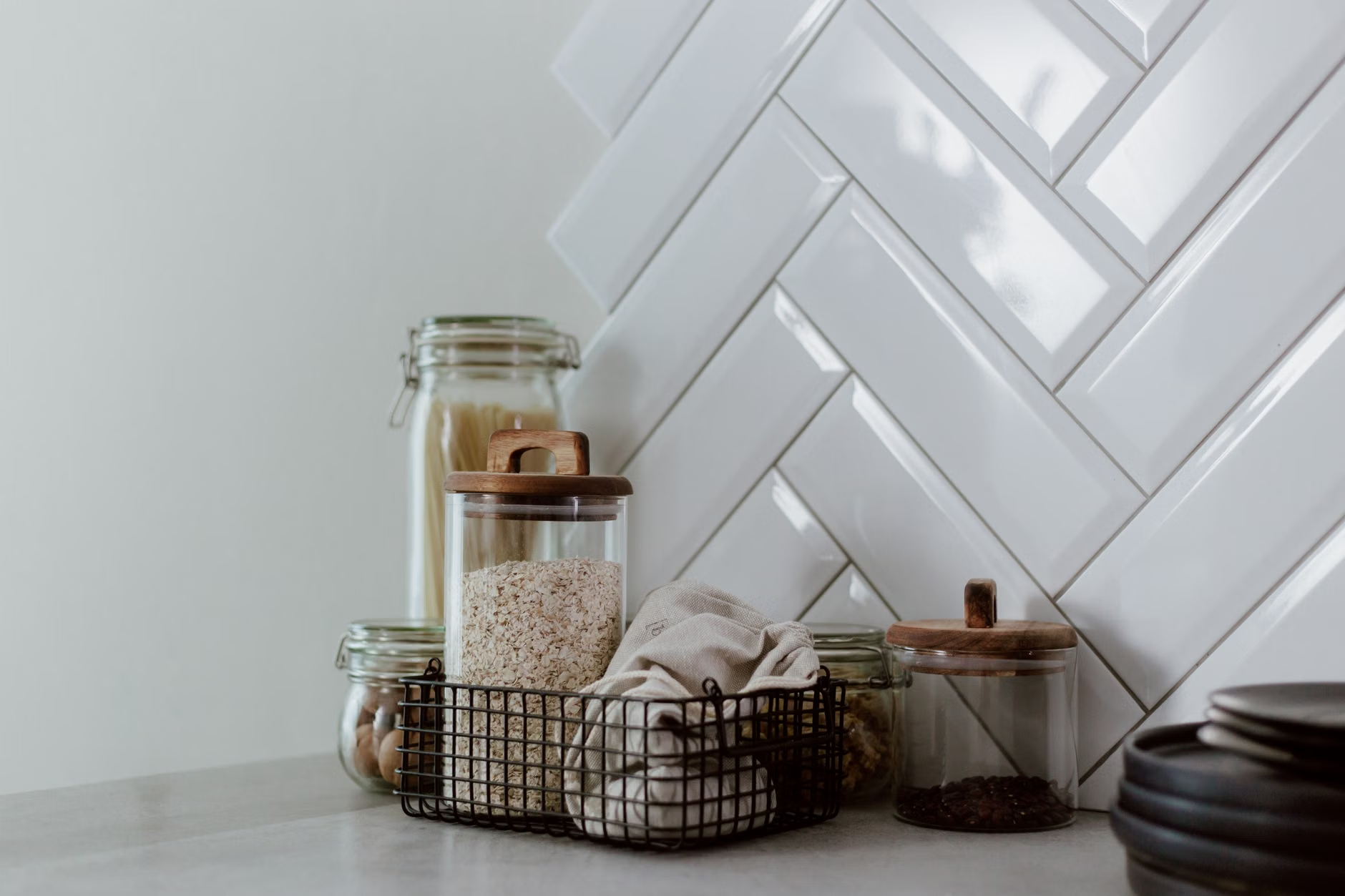
The “zero-waste” aesthetic often leans heavily on fancy glass jars, but you don’t need to spend a fortune on specialized storage. Reuse the glass jars from pasta sauce, pickles, or nut butters. Wash them thoroughly, remove the labels with a little oil and baking soda, and you have perfectly functional storage containers for free.
When it comes to cleaning, most of us have been conditioned to believe we need a different chemical spray for every surface in the kitchen. In reality, a few simple ingredients can handle almost any mess. White vinegar, baking soda, and a mild dish soap are the “holy trinity” of green cleaning. They are inexpensive, non-toxic, and come in packaging that is easy to recycle or even refill.
A simple all-purpose cleaner recipe: Mix one part white vinegar with one part water in a spray bottle. Add a few drops of essential oil (like lemon or tea tree) if you dislike the scent of vinegar. This mix is safe for most countertops and is a fraction of the cost of store-bought alternatives.

We need to be honest: parenting often requires convenience. If you are exhausted, the last thing you want to do is spend an hour washing cloth snack bags. The goal here is not to make your life harder, but to make your waste-reducing habits as frictionless as possible.
For example, instead of trying to eliminate all pre-packaged snacks, focus on the ones you use the most. Can you buy the bulk version and portion it out into reusable containers on Sunday night? This saves money and plastic. If you find yourself using disposable wipes for everything, consider keeping a stack of old t-shirts cut into squares for quick spills. They are softer, more absorbent, and already in your house.
Handling “Eco-Guilt”
There will be days when you use a paper plate or buy the pre-cut fruit because you are running late for school pickup. That is okay. Zero-waste is not about being a martyr. It is about making choices that align with your values most of the time. If you get it right 80% of the time, you are making a massive difference compared to where you started.
6. Common Pitfalls to Avoid
The most common mistake is “over-purchasing” sustainable goods. You do not need to buy a $50 set of beeswax wraps if you already have a roll of cling film. Use the cling film until it is gone. If you find it doesn’t work for your needs, then consider the upgrade. Buying new products to “be sustainable” creates its own form of waste.
Another pitfall is ignoring the “hidden” waste. We often focus on the trash we see, but what about the energy used to run your dishwasher or the water wasted during food prep? A zero-waste kitchen is also an efficient kitchen. Run your dishwasher only when full, use a bowl of water to wash produce instead of letting the tap run, and ensure your fridge seals are tight so it isn’t working harder than necessary.
7. Sustaining the Habit Over the Long Term
The final step is to make these habits part of your family culture. Get your kids involved. If they are old enough, let them help with the composting or the grocery shopping. When they see the “why” behind these actions, they are more likely to participate. It becomes a shared family project rather than a chore you are doing in secret.
Remember that the landscape of sustainability changes. New technologies, better recycling programs, and more bulk-friendly stores are popping up all the time. Stay curious and stay flexible. If a specific habit isn’t working for your family after a few months, don’t force it. Pivot to something else. The best zero-waste strategy is the one you can actually stick to.
Frequently Asked Questions
Q: I live in a small apartment; how can I realistically compost?
A: Look for “bokashi” bins or countertop composters. These are designed to be odor-free and compact. Alternatively, check if your local city or neighborhood has a community drop-off program for food scraps. Many farmers’ markets also accept compost from community members.
Q: Is it really cheaper to go zero-waste, or is it just for people with more money?
A: It can be cheaper, provided you focus on reducing consumption rather than buying expensive “eco-friendly” alternatives. Buying in bulk, using what you already have, and making your own basic cleaners will almost always save you money in the long run. The “expensive” version of zero-waste is purely marketing.
Q: How do I deal with the “convenience” snacks my kids love?
A: You don’t have to eliminate them entirely. Try a “middle-ground” approach: buy the larger, family-sized packages of their favorite snacks rather than individual single-serve packs. This reduces the amount of plastic packaging per ounce of food, and you can portion them out into reusable containers for school lunches.
Transitioning to a zero-waste kitchen is a marathon, not a sprint. By focusing on your unique household habits, auditing your waste, and prioritizing practical swaps over aesthetic perfection, you can build a system that serves your family and the planet. Start small, be kind to yourself when you slip up, and remember that every piece of plastic you choose not to bring into your home is a victory. You are building a more intentional, efficient, and thoughtful kitchen one day at a time.
For more information on reducing household waste and local recycling guidelines, you can visit resources such as The EPA’s Recycling Basics or TerraCycle for hard-to-recycle items.