Traveling during the off-peak season is the single most effective way to reclaim your city break from the clutches of overtourism, inflated prices, and the sheer exhaustion of navigating shoulder-to-shoulder crowds. By shifting your travel window just a few weeks outside of the traditional summer or holiday peaks, you unlock a version of a city that feels local, accessible, and significantly more affordable.
- Strategic Scheduling: Aim for the “shoulder seasons”—typically late April to early June or late September to October—to find the perfect balance of weather and crowd density.
- Cost Optimization: Off-peak travel typically slashes accommodation and flight costs by 20% to 40%, allowing you to upgrade your experience or extend your stay.
- Authenticity Over Efficiency: Without the crushing weight of peak-season tourism, you gain access to local rhythms, shorter queues, and more genuine interactions with residents.
The Psychology of the Off-Peak Pivot
If you are in your 30s or 40s, you likely remember a time when travel was less about “ticking boxes” for social media and more about the experience of being somewhere else. The modern pressure to travel during peak windows—driven by school holidays and the “fear of missing out” on perfect weather—has turned many of the world’s great cities into theme parks. When you visit Paris in July or Rome in August, you aren’t just visiting the city; you are visiting the queues of the city.
Choosing an off-peak city break requires a shift in mindset. It requires trading the guarantee of constant sunshine for the likelihood of mild, variable weather. It requires accepting that some tourist-centric attractions might operate on reduced winter hours. However, in exchange, you get the city back. You get to hear the actual language spoken in the streets instead of a cacophony of your own native tongue. You get to walk into a museum without booking a ticket three months in advance.
This is not about settling for “less.” It is about prioritizing a higher quality of engagement. When you aren’t fighting for a table at a cafe or elbowing your way through a crowded square, your cortisol levels drop. For parents, this is a game-changer. Navigating a city with children in the off-peak season transforms a high-stress logistical nightmare into a manageable, enjoyable exploration.

Defining Your Window: When is “Off-Peak” Actually Best?
The term “off-peak” is often misunderstood as “the worst time to go.” In reality, it is simply the time when the masses stay home. To find your sweet spot, you need to understand the concept of the Shoulder Season. This is the period between the peak summer rush and the deep winter doldrums.
| Season | Pros | Cons |
|---|---|---|
| Peak (June-Aug) | Predictable weather, long days. | High prices, extreme crowds, heatwaves. |
| Shoulder (April-May, Sept-Oct) | Mild weather, local events, better value. | Unpredictable rain, slight reduction in tourist hours. |
| Off-Peak (Nov-March) | Lowest costs, zero crowds, authentic vibe. | Cold/dark, many attractions have limited hours. |
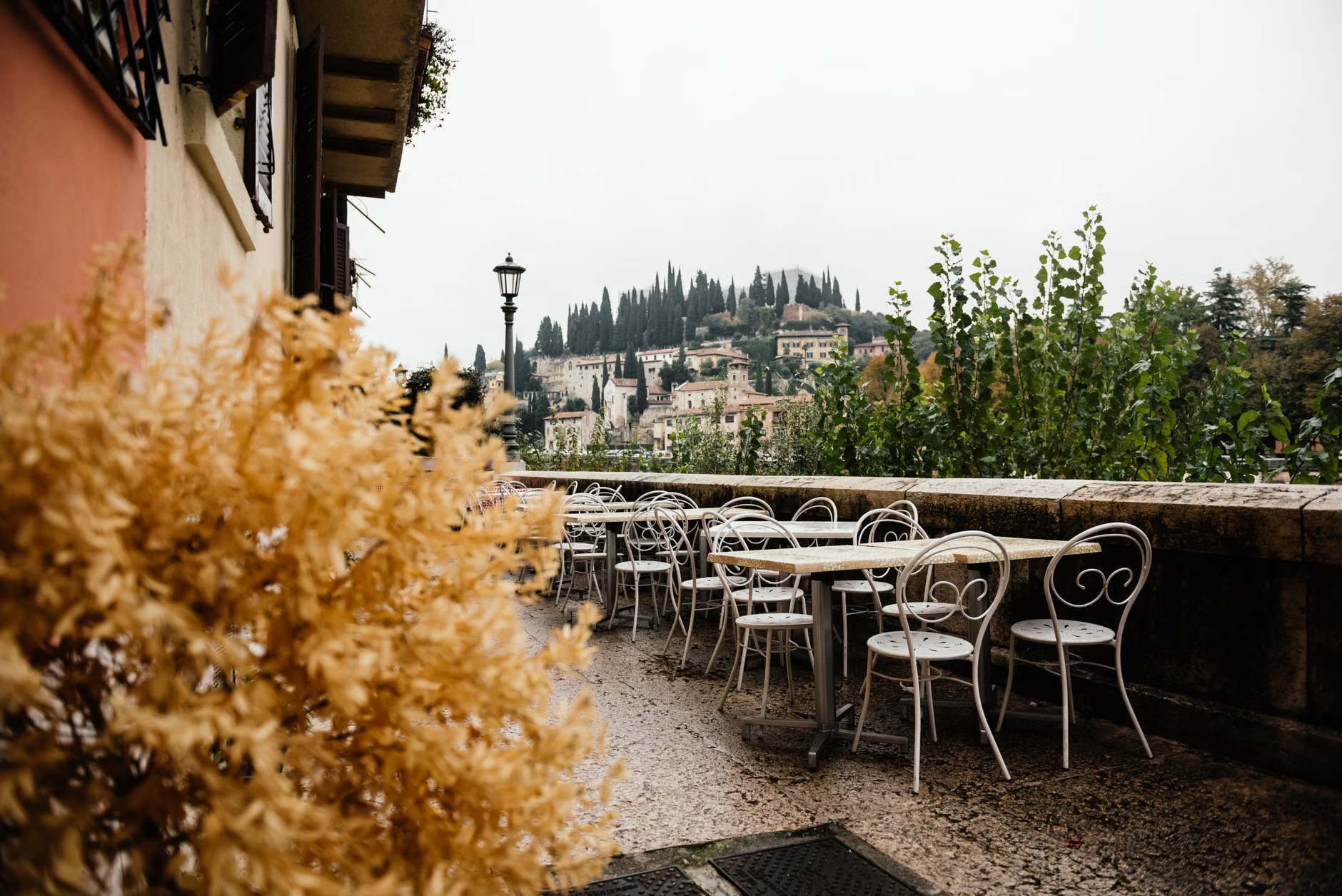
For families, the shoulder season is the gold standard. In Europe, for example, late September offers a gentle transition. The heat of the Mediterranean summer has dissipated, but the sea is still warm enough for a final swim. The local schools have resumed, meaning the parks and plazas are once again the domain of residents rather than tourists. This is when the city breathes again.
The Financial Advantage: Making Your Budget Work Harder
When you travel off-peak, your money goes significantly further. This is not just about cheaper flights. It is about the ability to choose higher-quality accommodation for the same price you would pay for a mediocre room during peak season. If you are traveling as a family, this is crucial. A cramped hotel room in July might cost $300 a night; in November, that same budget might secure you an apartment with a kitchen, separate bedrooms, and a balcony.
Cooking one or two meals a day in an apartment is a massive stress-reducer for parents. It removes the “where are we going to eat?” battle at 7:00 PM when everyone is tired and hungry. You can visit a local market, buy fresh regional produce, and have a leisurely dinner at “home” after a day of walking. This isn’t just a budget hack; it’s a lifestyle choice that makes travel feel sustainable rather than frantic.
Furthermore, many cities now offer “off-peak” city passes. These bundles, which include public transport and museum entries, are frequently discounted during the low season to encourage visitors to keep the local economy running when the cruise ships stop docking. Always check the official tourism board website of your destination city; they often list these deals prominently.
Traveling off-peak requires a different set of logistical skills. You cannot rely on the “tourist infrastructure”—the constant stream of open-top buses, the endless supply of English-speaking guides, and the extended operating hours of every attraction. You have to be a bit more self-sufficient.
1. The Weather Variable
The biggest hurdle to off-peak travel is the weather. The solution is simple: layer, and don’t be afraid of the rain. Invest in high-quality, lightweight waterproof gear. If you are traveling with children, bring an extra pair of comfortable walking shoes. Wet feet are the fastest way to ruin a city break. Treat the weather as part of the local experience. Seeing a city like London or Prague in the rain, with the cobblestones glistening under streetlights, is far more atmospheric than seeing it under a harsh, midday sun.
2. Researching Local Rhythms
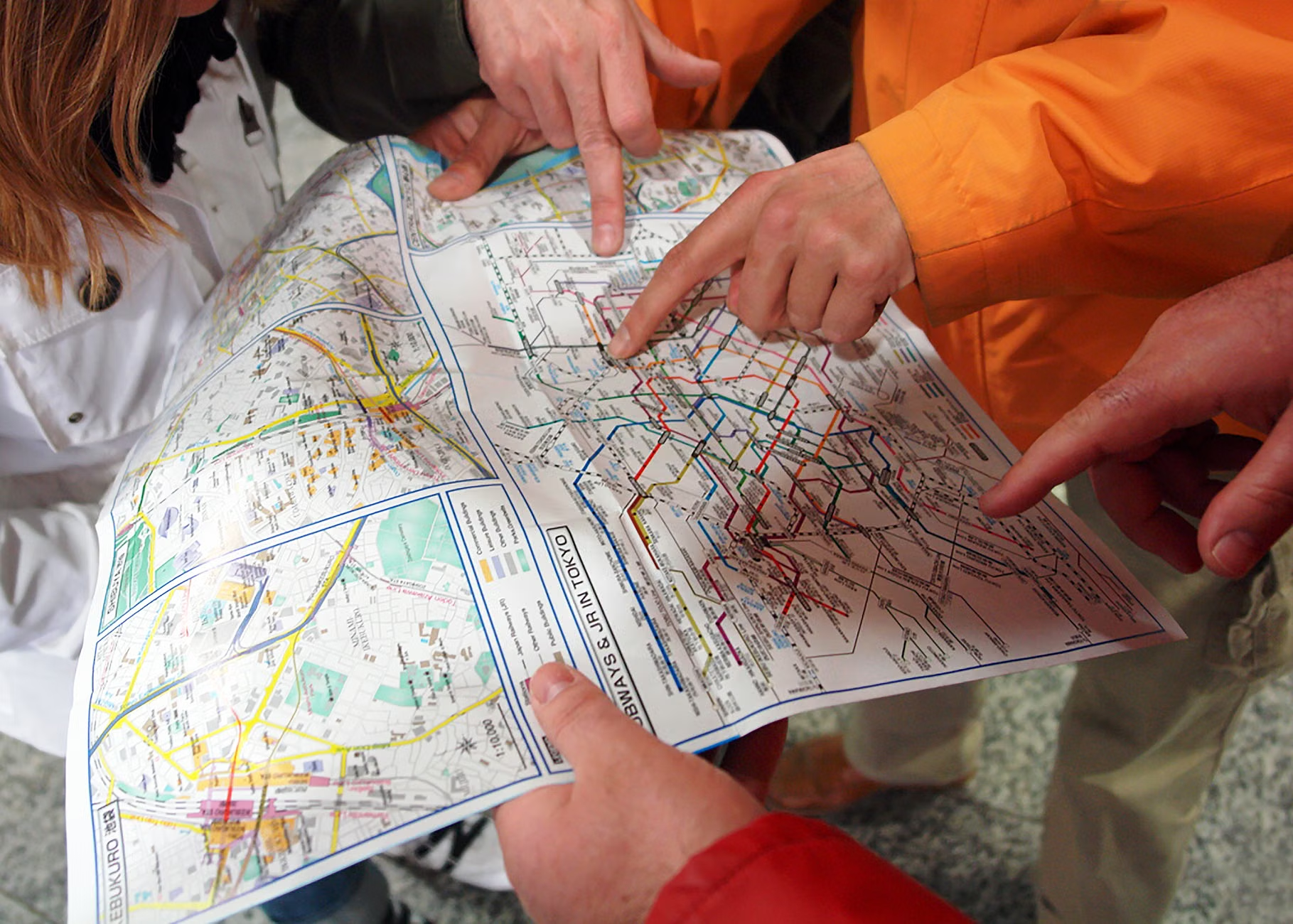
In peak season, everything is open for the tourist. In the off-season, you must check local holidays. Many European cities have specific public holidays where everything—even grocery stores—shuts down. Use Google Maps to check “popular times” for venues, but also check the official museum website to confirm operating hours. A common mistake is assuming a site is open just because it’s a major landmark. Always have a “Plan B” for every day—a secondary museum, a park, or a local market that you can pivot to if your primary choice is closed.
3. Digital Nomadism and Connectivity
If you are balancing work with travel, the off-peak season is your best friend. Cafes are less crowded, meaning you can actually find a seat to open your laptop for an hour without feeling like you are taking up valuable real estate. The Wi-Fi is generally more stable because the network isn’t being stressed by thousands of other tourists. Look for “work-friendly” cafes in residential neighborhoods rather than the city center to get a feel for how locals live.
The Family Dynamic: Managing Expectations
Traveling with children in their 30s and 40s is a balancing act. You want them to experience the world, but you also want to maintain your own sanity. The off-peak advantage here is space. Kids need room to run, and parents need room to breathe. In the summer, popular squares are so packed that you spend the entire time keeping a hand on your child’s shoulder, terrified they will be swept away by the crowd.
In the off-peak season, you can let them explore a bit more freely. A quiet square becomes a playground. A museum with fewer visitors means you don’t have to worry about them blocking someone’s view of a painting. You can actually engage with the art or the history rather than just herding your group through the exhibit.
Common Mistakes to Avoid:
- Over-scheduling: Just because the queues are shorter doesn’t mean you should pack more in. Keep your pace slow. One or two “big” activities per day is plenty.
- Ignoring local nap/rest times: Even if you are on vacation, your children’s internal clocks are still running. Don’t skip the downtime.
- Forgetting the “Why”: Remind yourself why you are there. It isn’t to see every statue in the city. It’s to share a new environment with your family.
The Cultural Shift: Why “Slow Travel” Wins
The term “slow travel” has become a bit of a buzzword, but at its core, it is the perfect philosophy for the off-peak city break. It is the practice of staying in one place longer and digging deeper. Instead of spending two days in a city and trying to see every major monument, you spend four days and truly get to know one neighborhood.
When you stay in one neighborhood, you become a “regular.” You go to the same bakery each morning. The barista starts recognizing your order. You learn which park has the best shade and which street has the most interesting independent shops. This is where the magic of travel actually happens. It isn’t in the lobby of a major museum; it’s in the quiet, unscripted moments of daily life in a foreign place.
This approach also minimizes the environmental and social impact of your visit. Overtourism is a burden on local residents. By visiting during the off-peak, you are actually helping to balance out the local economy, providing much-needed income during the “lean” months without contributing to the overcrowding that makes life difficult for locals during the peak season.
Maintaining Your Routine While Abroad
One of the biggest anxieties for people in their 30s and 40s is the disruption of their routine. We have habits—morning exercise, specific dietary needs, work commitments—that provide structure. The secret to a successful city break is to integrate your routine into your travel, rather than abandoning it.
If you enjoy a morning jog, use Google Maps to find a local park or a riverfront path before you leave. It is a fantastic way to see the city wake up. If you are particular about your coffee, research the local roasters in your destination city. Turning these small tasks into “mini-adventures” makes the trip feel less like a disruption and more like an extension of your life.
Also, don’t be afraid to use technology to your advantage. Use apps like Citymapper for public transport, and keep a shared note on your phone for everyone in the family to add their “must-see” items. This gives everyone a sense of agency and reduces the friction that comes from one person trying to dictate the entire itinerary.
Final Thoughts: The Reward of the Path Less Traveled
The art of the off-peak city break is ultimately about reclaiming your time. In our daily lives, we are constantly rushing—dropping kids at school, finishing work projects, managing household logistics. When we travel, we often bring that same frantic, high-pressure energy with us. We treat the vacation like a checklist of obligations.
By choosing to travel when the rest of the world isn’t, you are giving yourself permission to slow down. You are choosing to prioritize your own comfort and the quality of your experience over the convenience of a “perfect” weather forecast. You will likely find that the moments you remember most aren’t the ones you stood in line for, but the quiet ones—the morning coffee in a local square, the afternoon walk in a park that belongs to the city’s residents, the shared laugh in a small, out-of-the-way restaurant.
Travel is an investment in your perspective. By stepping outside the peak-season bubble, you gain a more honest view of the world. So, for your next break, look at the calendar, pick a shoulder month, and go somewhere you’ve always wanted to see, but without the crowds. You might find that the city has been waiting for you all along.
Frequently Asked Questions
1. Is the weather in the off-season really that bad?
It depends entirely on the destination. In many parts of Southern Europe, “off-peak” simply means it isn’t scorching hot. In Northern or Central Europe, it may mean cooler temperatures and a higher chance of rain. The key is to research the specific climate of your destination and pack accordingly. With the right gear, most weather is perfectly manageable and often adds to the charm of the city.
2. What if everything I want to see is closed?
While some seasonal attractions (like outdoor water parks or specific summer festivals) will be closed, the core cultural institutions, museums, and historical sites are almost always open year-round, just with shorter hours. Always verify your “must-see” list against the official website of the venue before booking your flights. If a major site is closed for renovation, it is almost always announced months in advance.
3. How do I find the best deals for off-peak travel?
Use price-tracking tools like Google Flights to monitor trends for your chosen destination. Set alerts for your preferred travel window. Additionally, look for “city cards” on official tourism websites, which often provide bundled entry to attractions and public transit at a significant discount during the low season. Booking directly with hotels often yields better perks or flexible cancellation policies than third-party booking sites.
For further reading on sustainable and responsible travel practices, please visit the World Tourism Organization (UNWTO) or check the official tourism portal of your target city for local guidelines on sustainable visitor behavior.