- Sensory regulation is a biological necessity: Reducing visual and auditory clutter directly lowers cortisol levels, which is vital for parents dealing with decision fatigue.
- Lighting is the primary sleep regulator: Prioritizing color temperature (below 2700K) and total blackout capabilities is more impactful than expensive furniture upgrades.
- Texture matters more than aesthetics: Prioritizing breathable, tactile-neutral fabrics over high-thread-count synthetic blends prevents overheating and skin irritation that disrupts deep sleep stages.
If you find yourself lying in bed at 11:00 PM, replaying the day’s to-do list while feeling overstimulated by the piles of laundry in the corner and the hum of the refrigerator, you aren’t just tired—you are sensory-overloaded. For those of us in our 30s and 40s, the bedroom has often become a dumping ground for the day’s leftover chores rather than a recovery space. Transforming your sleeping quarters into a “sensory-friendly” environment isn’t about luxury interior design; it is about creating a physiological buffer against the relentless input of modern parenting and work life.
Why Your Nervous System Needs a Sensory Reset
In our 30s and 40s, we are often at the peak of our “input load.” Between digital notifications, the chaotic sensory environment of raising children, and professional responsibilities, our nervous systems are rarely given the chance to return to a baseline state of rest. Sensory processing isn’t just for children with neurodivergent needs; it is a universal biological reality. When we are exposed to excessive clutter, harsh lighting, or inconsistent ambient noise, our brains continue to process this information even when we try to sleep.
The “sensory-friendly” approach focuses on three pillars: visual calm, auditory control, and tactile comfort. When you strip away the non-essential stimuli in your bedroom, you aren’t just cleaning a room; you are lowering the cognitive load required to exist in that space. Research in environmental psychology suggests that visual clutter competes for our neural resources. By simplifying your environment, you allow your brain to shift from “active processing” mode to “recovery” mode much faster.

The Science of Visual Calm and Sleep Architecture
The most common mistake people make when attempting to “fix” their bedroom is focusing on aesthetics over function. A room that looks like a boutique hotel but features high-glare surfaces or busy patterns can still be a sensory nightmare. The goal is to reduce “visual noise.”
Start by evaluating the surfaces in your room. Do you have open shelving with miscellaneous items? These are constant visual reminders of tasks left undone. The most effective strategy is to transition to closed storage. If you cannot change your furniture, use bins or baskets to hide the “visual static.”
The Impact of Light Temperature
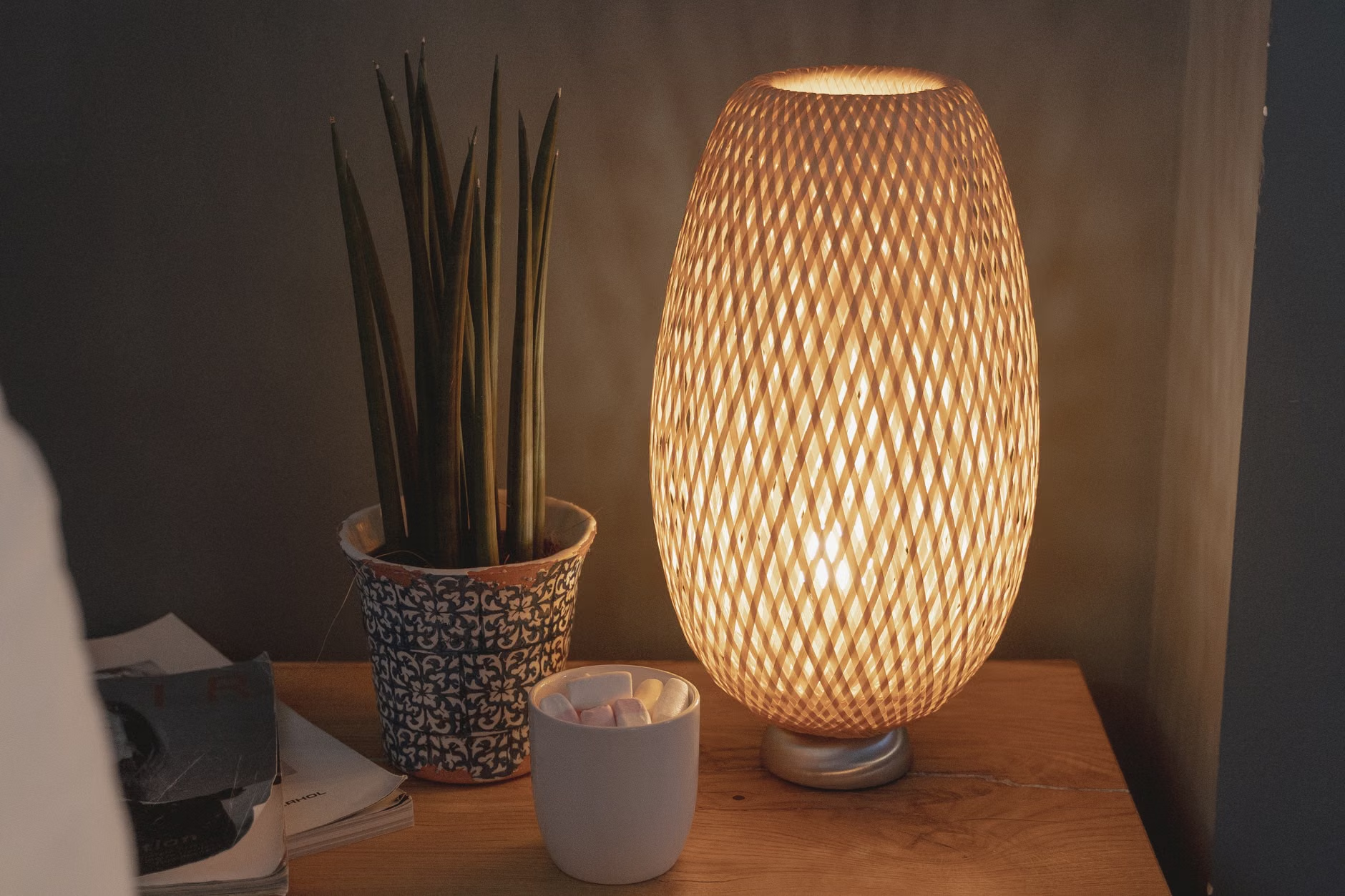
Light is the most potent external cue for your circadian rhythm. While many people focus on “blue light” from devices, they ignore the light sources within the room. If your bedside lamp emits a cold, clinical white light (above 3000K), it is actively suppressing melatonin production. Transitioning to warm, amber-toned lighting (around 2200K to 2700K) signals to your brain that it is time to wind down. This isn’t a minor tweak; it is a fundamental shift in how your body prepares for the REM cycle.
| Light Source | Color Temperature | Effect on Sleep |
|---|---|---|
| Standard LED (Cool) | 4000K – 5000K | Suppresses melatonin, keeps brain alert. |
| Warm LED/Bulb | 2700K | Neutral; supports natural evening wind-down. |
| Amber/Sunset Tone | 1800K – 2200K | Ideal; mimics sunset, promotes relaxation. |
Auditory Control: Beyond Just “Silence”
Total silence is actually rare and can sometimes be more jarring to a stressed brain than consistent background noise. If your home is in a busy neighborhood or has thin walls, the “startle response” from an unexpected sound—a car door slamming or a pet moving—can pull you out of deep sleep. This is where white, pink, or brown noise becomes essential.
White noise is high-frequency and helps mask sharp, sudden sounds. Brown noise, which has gained popularity for its deeper, rumble-like frequency, is often described by adults as being more soothing because it mimics the sound of heavy rain or a distant waterfall. When choosing a sound machine, avoid anything that has a “loop” you can detect. The brain is excellent at pattern recognition; if you hear the same 30-second recording repeat, your brain will eventually “tune in” to the loop, defeating the purpose of the sound masking.
Actionable step: If you are sensitive to sudden noises, invest in a dedicated, high-quality sound machine rather than using a smartphone app. Smartphone speakers are designed for voice clarity, not for rich, low-frequency sound reproduction. A dedicated machine provides a consistent “sound floor” that keeps your nervous system from reacting to external environmental changes.
Tactile Comfort: The Often Overlooked Variable
We spend roughly one-third of our lives in bed, yet we often compromise on the very materials that touch our skin. For parents who are physically touched all day—whether by children, work, or chores—the tactile experience of the bedroom is crucial for “sensory recovery.”
Choosing Fabrics for Regulation
Synthetic materials like polyester or cheap microfiber often trap heat, which is a major contributor to sleep fragmentation. When your body temperature rises, your heart rate increases, and your sleep quality drops. Natural fibers like organic cotton, linen, or bamboo are superior because they are breathable and help regulate thermal comfort.
The “Tactile Overload” Check: If you find yourself tossing and turning, it might not be your mattress; it might be the sensory irritation of your sheets. If you have sensitive skin or find yourself feeling “itchy” at night, opt for high-quality, long-staple cotton (percale or sateen weave). Avoid high-thread-count marketing claims; a 300-thread-count high-quality cotton is often more breathable and comfortable than a 1,000-thread-count blended sheet that feels like plastic.
Implementing a Sensory-Friendly Workflow
Creating a sensory-friendly bedroom is not a one-time project; it is a maintenance habit. The following framework helps you manage the space over time.
- The “Nightly Reset” Rule: Spend exactly three minutes before you get into bed clearing the “surface clutter.” Put the book back on the shelf, move the laundry basket out of sight, and place your phone in a designated charging station outside of the immediate bedside area.
- The Sensory Audit: Every three months, lie down in your bed with the lights off and the door closed. What do you hear? What do you smell? What do you see? If a specific element—like a blinking light on an air purifier or a drafty window—catches your attention, address it immediately.
- The “No-Task” Zone: Strictly enforce a rule that no work-related items, bills, or “to-do” lists are allowed in the bedroom. If you must keep a notepad for late-night thoughts, store it in a drawer. The bedroom should be a place where your brain knows it does not need to perform.
Common Pitfalls and How to Avoid Them
One common mistake is over-investing in “sleep gadgets” while ignoring the structural basics. You do not need a $3,000 smart mattress to improve your sleep. Often, a $50 set of blackout curtains that actually seal the light gaps around the edges is more effective than any technology. Another mistake is relying on “ambient scent” without considering individual sensitivity. While lavender is widely touted as a sleep aid, some people find strong floral scents stimulating or irritating. If you use scent, ensure it is subtle and consistent, or stick to a neutral, fresh-air environment.
Hidden Cost Warning: Be wary of “smart” bedroom devices that require constant connectivity. If a device requires an app, a Wi-Fi connection, and regular updates, it is adding a layer of digital friction to your space. Choose “dumb” tech—a simple digital alarm clock, a manual dimmer switch, and a high-quality mechanical sound machine—to keep your bedroom truly unplugged.
The Long-Term Impact on Parental Resilience
For parents in their 30s and 40s, resilience is a finite resource. By curating your environment, you are essentially “outsourcing” some of your self-regulation to your room. When your bedroom is sensory-friendly, it does the work of calming you down so that your brain doesn’t have to. You will likely find that you wake up with more patience, fewer instances of decision fatigue, and a greater capacity to handle the “input” that the next day will inevitably bring.
Start with one change: swap your light bulbs for warmer tones or invest in a proper blackout solution. Once you experience the difference in your own nervous system, the rest of the adjustments will feel less like chores and more like essential maintenance for your well-being.
Frequently Asked Questions
Q: Is it really necessary to remove all technology from the bedroom?
A: It is not about a total ban, but about reducing “active” technology. A dedicated e-reader with the backlight turned off is different from a smartphone that is constantly pinging with notifications. If you keep a device, ensure it is set to “Do Not Disturb” and is physically placed where you cannot see the screen from your pillow.
Q: How can I make a shared bedroom sensory-friendly if my partner has different needs?
A: Focus on “personal zones.” Use individual reading lamps with different color temperatures, use noise-canceling earplugs for yourself if your partner prefers a different sound environment, and agree on the primary “neutral” elements like bedding material and the absence of clutter. The goal is to minimize the shared stimuli that cause the most stress.
Q: Are weighted blankets actually helpful for sensory regulation?
A: For many, yes. The deep pressure stimulation provided by a weighted blanket can help lower heart rate and reduce physical restlessness. However, if you are a “hot sleeper,” ensure you choose a breathable, moisture-wicking weighted blanket, as the heat retention of many standard models can be counterproductive to deep sleep.
For further reading on the impact of light and environment on sleep, you can explore the resources provided by the National Sleep Foundation’s guide to the ideal bedroom environment.