The “zero-proof” movement is no longer just a trend for those avoiding alcohol; it has matured into a sophisticated culinary category that allows you to enjoy the ritual of a complex drink without the next-day brain fog or the social pressure of consuming spirits.
- Quality over quantity: Modern zero-proof drinks focus on botanical complexity, acidity, and mouthfeel rather than just sugar-heavy fruit juices.
- The “Third Space” shift: Hospitality venues are now designing menus where non-alcoholic options are treated with the same culinary rigor as house cocktails, making them worth the premium price tag.
- Social autonomy: Choosing zero-proof is increasingly viewed as a lifestyle choice focused on performance, health, and presence, rather than a forced abstinence.
If you are in your 30s or 40s, you have likely noticed the shift. A few years ago, asking for a non-alcoholic drink at a decent restaurant resulted in a sad glass of soda water with a lonely lime wedge. Today, you are just as likely to be handed a menu featuring house-made shrubs, non-alcoholic distilled spirits, and fermented tonics that look and taste like serious beverages.
But why is this happening now, and how do you navigate this landscape without feeling like you are compromising on the “adult” experience of going out?
The Anatomy of a Modern Zero-Proof Beverage
To understand why these drinks are suddenly everywhere, we have to look at how they are made. The biggest mistake people make is assuming that “zero-proof” is synonymous with “mocktail”—a word that often conjures images of syrupy, overly sweet fruit punches served in plastic cups at a child’s birthday party.
True zero-proof mixology mimics the structure of a cocktail. A great cocktail relies on three pillars: alcohol (which provides heat and mouthfeel), acidity (citrus or vinegar), and aromatics (bitters, botanicals, or herbs). If you remove the alcohol, you lose the “burn” and the body. Modern producers are filling that void using three specific methods:
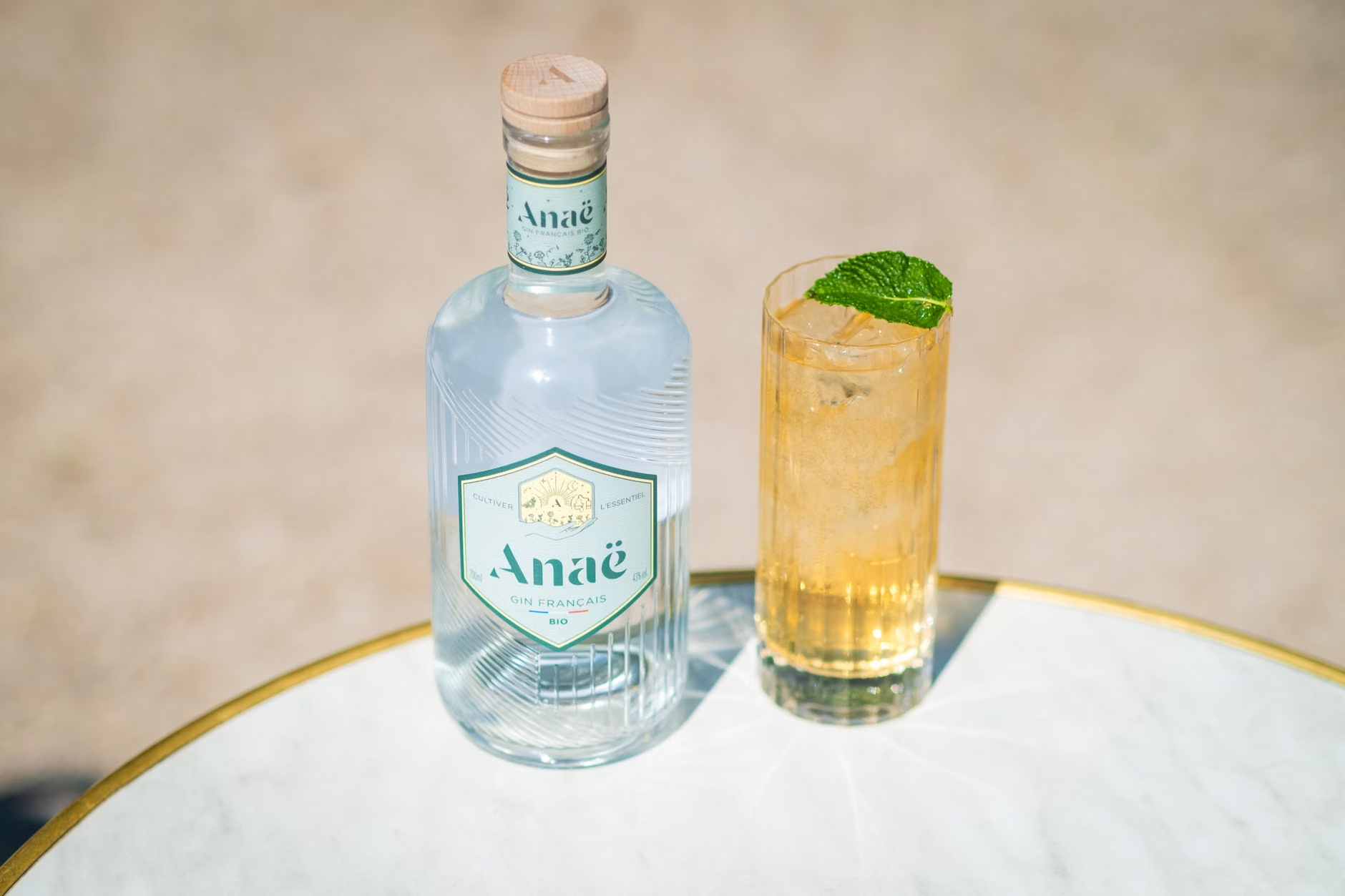
- Distillation: Using traditional copper stills to distill botanicals like juniper, coriander, and citrus peels without the fermentation process that creates ethanol. This provides the “gin-like” flavor profile without the alcohol content.
- Maceration and Infusion: Steeping roots, barks, and spices in glycerine or water to create depth and complexity. This is where you get those dark, moody, “whiskey-like” profiles.
- Fermentation: Using processes similar to kombucha or water kefir to create a natural, complex “funk” and acidity that mimics the depth of aged wines or ciders.
When you are at a bar, look for these keywords: botanical, shrub, house-made, cold-pressed, and fermented. If a menu describes a drink as “fruit juice with soda,” it is likely a standard mocktail. If it describes “distilled botanical spirit with house-made bitters,” you are paying for the culinary craft, not just the ingredients.
Evaluating the “Worth” of a $15 Non-Alcoholic Drink
One of the most common complaints among readers is the price point. “Why am I paying $15 for a drink with no booze in it?” It is a fair question, but it stems from the misconception that the cost of a drink is tied entirely to the alcohol tax and the base spirit.
In reality, the cost of a high-end zero-proof drink is tied to labor and R&D. A bartender spending four hours dehydrating citrus, making a custom oleo-saccharum (a sugar-citrus oil syrup), and balancing a complex botanical blend is providing just as much labor as they would for an Old Fashioned.
However, you should be discerning. Here is a quick decision matrix to help you decide if a menu item is worth the premium price:
| Indicator | Is it worth it? | Why? |
|---|---|---|
| House-made ingredients (Shrubs, cordials) | Yes | High labor and unique flavor profiles you cannot get at home. |
| Non-alcoholic spirit brands | Yes | These spirits are expensive to produce and replicate complex profiles. |
| Fruit juice + Soda water | No | This is a basic beverage, not a cocktail. The markup is unjustified. |
If you see a menu that relies heavily on “juice + soda,” don’t hesitate to ask the server if the bartender can make a “bespoke” drink. Many bartenders in modern establishments love the creative challenge of building a drink from scratch using the bitters and herbs they have on hand. It is a fantastic way to get a premium experience for the price of a standard menu item.
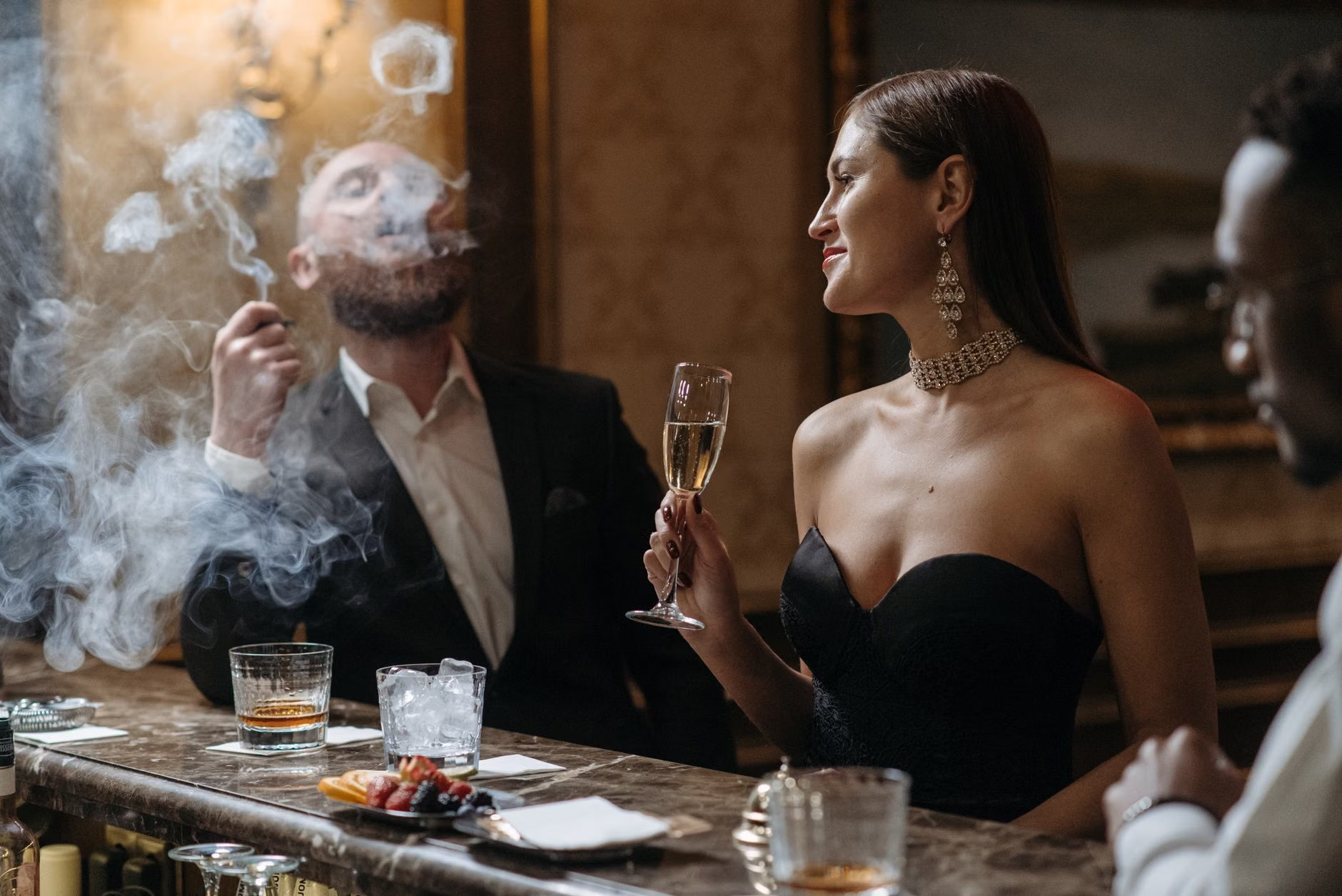
For those of us in our 30s and 40s, the “why” behind drinking is often tied to the “who.” We are in the thick of parenting, managing demanding careers, and trying to maintain a fitness routine that doesn’t include a hangover. The social pressure to drink is often internalized—we feel like we need to hold a glass to “fit in” or to signal that we are relaxed.
The beauty of the zero-proof movement is that it acts as a “social camouflage.” Holding a glass that looks sophisticated—garnished with a fresh sprig of rosemary or a perfectly expressed orange peel—signals to others that you are participating in the ritual. It effectively ends the “Why aren’t you drinking?” conversation before it even starts. People are far less likely to press you on your sobriety (or your choice to take a break) when you are holding a drink that looks like a cocktail.
Common Mistake: Trying to explain your choice to everyone at the table. You don’t need to justify your decision to skip alcohol. If someone asks, a simple, “I’m loving this drink, it’s actually really complex,” is enough to pivot the conversation back to the food or the company.
If you are hosting, the strategy is similar. When you have guests over, don’t relegate the non-drinkers to the “corner of the kitchen with the water pitcher.” Treat your zero-proof options with the same respect as your wine selection. Set up a station with high-quality tonic water, a few bottles of non-alcoholic bitters, fresh citrus, and some premium non-alcoholic spirits. Let your guests build their own drinks. It turns the “non-alcoholic” aspect into an activity rather than a restriction.
Building Your Own “Zero-Proof” Arsenal at Home
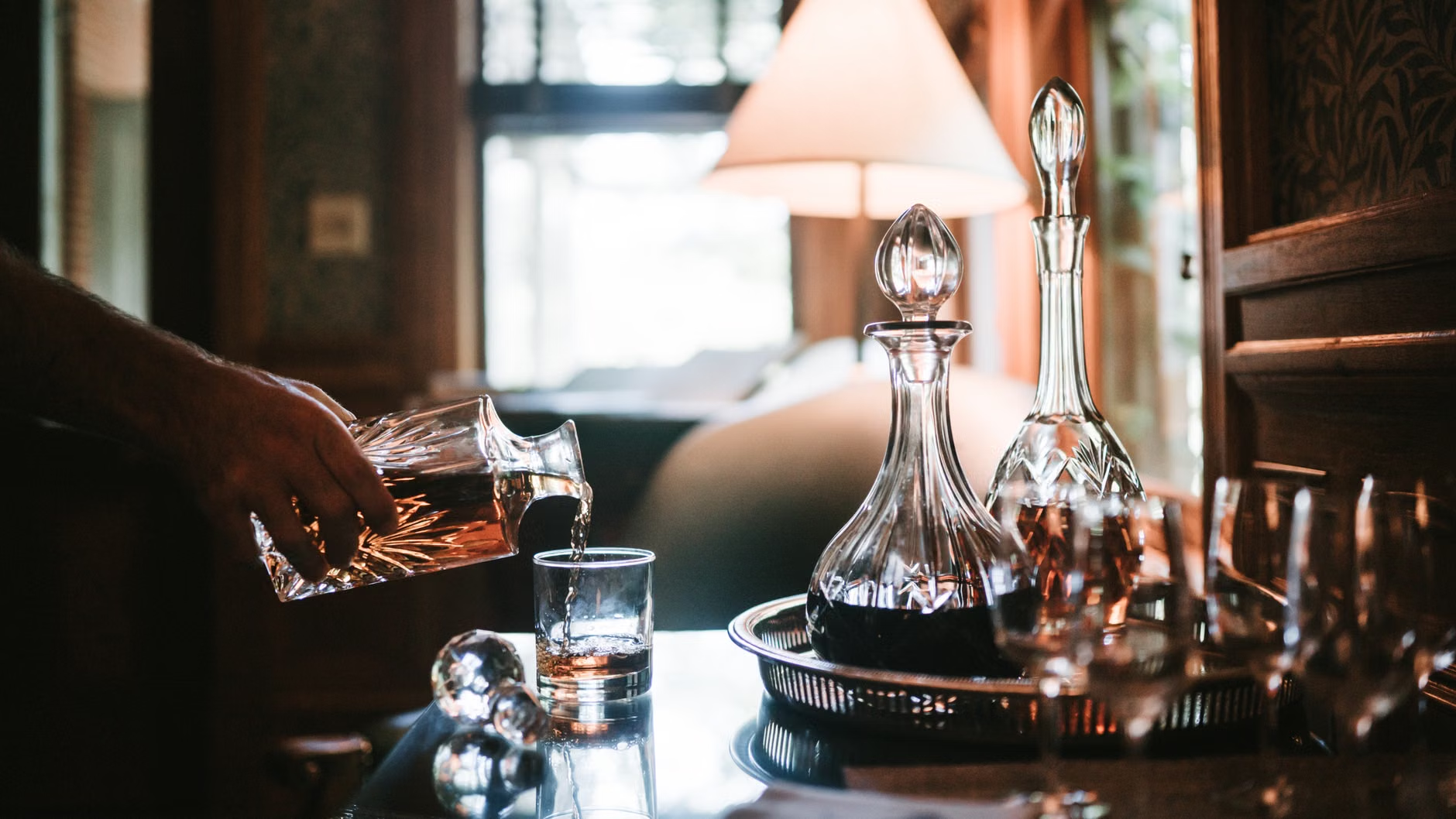
If you want to enjoy these drinks at home without spending a fortune on expensive specialty ingredients, you can build a very capable bar cart with just a few staples. You do not need to buy every single “alcohol-free spirit” on the market.
Focus on these three categories:
- Bitters (Check the label): Most standard cocktail bitters (like Angostura) contain trace amounts of alcohol, but the amount used in a single drink is negligible. However, if you are strictly alcohol-free, look for “glycerine-based” or “alcohol-free” bitters. They provide the necessary aromatic bite that makes a drink feel “grown up.”
- Acids: A bottle of good-quality apple cider vinegar or a shrub (a vinegar-based syrup) is your best friend. It adds that “sour” punch that mimics the bite of alcohol.
- Carbonation: Invest in a good soda maker. High-quality, fine-bubble carbonation makes a world of difference. Cheap soda water goes flat too quickly, leaving your drink tasting syrupy and sad.
Pro Tip: If you are feeling adventurous, try making your own simple syrup infused with tea. A Lapsang Souchong tea syrup, for example, provides a smoky, leathery depth that is incredible when mixed with a splash of tonic and a squeeze of lime. It’s cheap, shelf-stable, and tastes far more complex than anything you will find in a grocery store soda aisle.
The Hidden Trade-offs and Considerations
While the zero-proof movement is a net positive for most, there are a few variables to consider. The first is sugar content. Because many zero-proof producers rely on juices, syrups, and cordials to build body, these drinks can sometimes be higher in sugar than a standard gin and tonic. If you are watching your blood sugar or caloric intake, always check the labels of bottled non-alcoholic spirits. Some are designed to be “dry” and low-sugar, while others are essentially fruit cordials.
The second is the “placebo” effect. For some people, the ritual of drinking a cocktail—even an alcohol-free one—can trigger a desire for the “real thing.” If you are in the early stages of a significant lifestyle change regarding alcohol, be mindful of how these drinks make you feel. If they leave you feeling “deprived” rather than “satisfied,” it might be better to switch to sparkling water with a heavy dose of fresh lime or a high-quality herbal tea until your relationship with the ritual changes.
Finally, remember that the “zero-proof” label is not strictly regulated in many jurisdictions. Always check the ingredients list if you have specific dietary restrictions or allergies. Some “non-alcoholic” wines, for example, are simply wines that have had the alcohol removed, which may still contain trace amounts of ethanol (often less than 0.5% ABV, similar to orange juice or ripe bananas). If you are strictly avoiding alcohol for medical or personal reasons, look for labels that explicitly state “0.0% ABV.”
Moving Forward with Intention
The shift toward zero-proof isn’t just about what we aren’t drinking; it’s about how we want to spend our time. Whether you are cutting back for health, performance, or simply because you have to be up at 6:00 AM with the kids, you don’t have to sacrifice the social experience of a well-crafted drink.
The next time you are out, look for the establishments that treat their non-alcoholic program with intention. Ask for the “zero-proof” menu. If they don’t have one, ask for a drink that uses bitters, citrus, and herbs. You might be surprised at how much more enjoyable your evening becomes when you are not just “drinking to drink,” but actually savoring the balance and complexity of what is in your glass.
Start by experimenting with one or two high-quality ingredients at home. Once you get a feel for how to balance acidity, sweetness, and aromatics, you will find that you can craft a drink that feels every bit as satisfying as the traditional version—without the morning-after regret.
Frequently Asked Questions
1. Are non-alcoholic spirits actually healthy?
Not necessarily. While they lack the negative effects of alcohol, many are high in sugar, stabilizers, and natural flavorings. They are best viewed as a “treat” rather than a health supplement. Always check the nutrition label if you are tracking your macros or managing blood sugar.
2. How do I order a non-alcoholic drink without sounding like I’m making a fuss?
The best way is to frame it as a preference for the bartender’s skill. Try saying, “I’m taking a break from alcohol tonight, but I love complex, bitter drinks. Does the bartender have a signature non-alcoholic cocktail, or could they build something with bitters and citrus for me?” This shows you appreciate their craft, and most bartenders will be happy to oblige.
3. Can I use non-alcoholic spirits for cooking?
Absolutely. They work well in pan sauces or deglazing pans where you want the botanical profile without the alcohol. However, because they lack the ethanol that helps dissolve fats and carry flavors, they won’t behave exactly like a dry white wine or a splash of bourbon. Use them primarily for their aromatic profile rather than as a direct chemical substitute in complex recipes.
For more reading on the science of flavor in non-alcoholic beverages, you can explore the Eater Drinks vertical, which frequently covers the intersection of professional mixology and the non-alcoholic movement.