- Zero-proof is about curation, not subtraction: Successful hosting relies on offering complex, layered flavors that match the effort put into traditional wine or cocktail pairings.
- Manage the social dynamic early: Clearly communicate the nature of the gathering in the invitation to set expectations and avoid awkward “where is the wine?” moments.
- Focus on the “Ritual of the Pour”: Use glassware, garnishes, and intentional serving methods to maintain the sensory experience of a drink, which is often as important as the alcohol content itself.
The most effective way to host a memorable gathering without alcohol is to stop viewing it as a “dry” event and start viewing it as a “curated” one. For those of us in our 30s and 40s, the social landscape is changing. Whether it is for health, productivity, or simply because we are tired of the post-cocktail morning fog, the demand for sophisticated, alcohol-free social environments is at an all-time high. The goal isn’t to provide a glass of tap water and call it a day; it is to provide a drinking experience that feels intentional and indulgent.
Why the “Zero-Proof” Shift Matters for Your Social Circle
In our 30s and 40s, our tolerance for the side effects of alcohol has shifted, while our appreciation for high-quality social interaction has increased. Hosting without alcohol removes the “liquid courage” crutch, which often leads to more authentic, memorable conversations. However, the challenge is that many guests are conditioned to associate the act of drinking with the act of relaxing.
When you host a zero-proof event, you are essentially asking your guests to engage with the environment, the food, and the company without the chemical buffer of ethanol. This is a positive shift, but it requires the host to put more thought into the sensory experience. If you simply offer soda or juice, guests may feel deprived. If you offer a complex, botanical-infused drink, they feel catered to.
The data supports this transition. According to industry reports from organizations like IWSR Drinks Market Analysis, the growth of the low- and no-alcohol category is driven largely by younger Gen X and Millennials who are seeking balance. They aren’t necessarily teetotalers; they are “sober-curious” or simply choosing to moderate. By hosting a zero-proof event, you are aligning with a growing trend that prioritizes quality of life over the quantity of consumption.
Setting the Stage: How to Communicate the Tone
The biggest mistake hosts make is failing to mention the nature of the menu in the invitation. If a guest arrives expecting a gin and tonic and finds only sparkling water, the initial reaction might be disappointment. Communication is the key to success.
Frame your invitation in a way that highlights the experience rather than the restriction. Instead of saying “This is a dry party,” try “We’re excited to host a summer evening featuring a curated menu of botanical zero-proof cocktails and small bites.” This frames the event as an experimental or elevated experience.
Decision Rule: If you are hosting a mixed group where some guests may be uncomfortable with an entirely alcohol-free environment, be transparent. You don’t need to apologize. Simply state: “We’re serving a selection of craft non-alcoholic spirits and mocktails to keep things light and refreshing. Please feel free to bring your own bottle if you prefer, but we’ve put a lot of work into our zero-proof menu!” This removes the guesswork and respects everyone’s autonomy.
The Anatomy of a Perfect Zero-Proof Drink
A great non-alcoholic drink is built on the same principles as a classic cocktail: balance, acidity, bitterness, and texture. Without alcohol to provide the “burn” or the body, you need to rely on high-quality ingredients that offer a complex mouthfeel.
Most supermarket juices are too sweet and lack the depth required for a sophisticated social drink. To elevate your menu, look for ingredients that provide structural support to the flavor profile:
| Component | Role | Examples |
|---|---|---|
| Bitters | Adds depth and complexity | Non-alcoholic bitters, cinchona bark extract |
| Acidity | Cuts through sweetness | Verjus, shrub (fruit vinegar), fresh lime/lemon |
| Botanicals | Provides aroma and “bite” | Juniper, rosemary, ginger, peppercorn |
| Body | Replaces the weight of alcohol | Coconut water, aloe vera juice, tea infusions |
Using a shrub—a syrup made from fruit, sugar, and vinegar—is one of the most effective ways to create a drink that feels “grown-up.” The vinegar provides a sharp, acidic bite that mimics the complexity of a spirit, while the fruit provides the sweetness. When mixed with sparkling water and a sprig of fresh herb, it becomes an incredibly refreshing drink that stands up well to appetizers.
Elevating the “Ritual of the Pour”
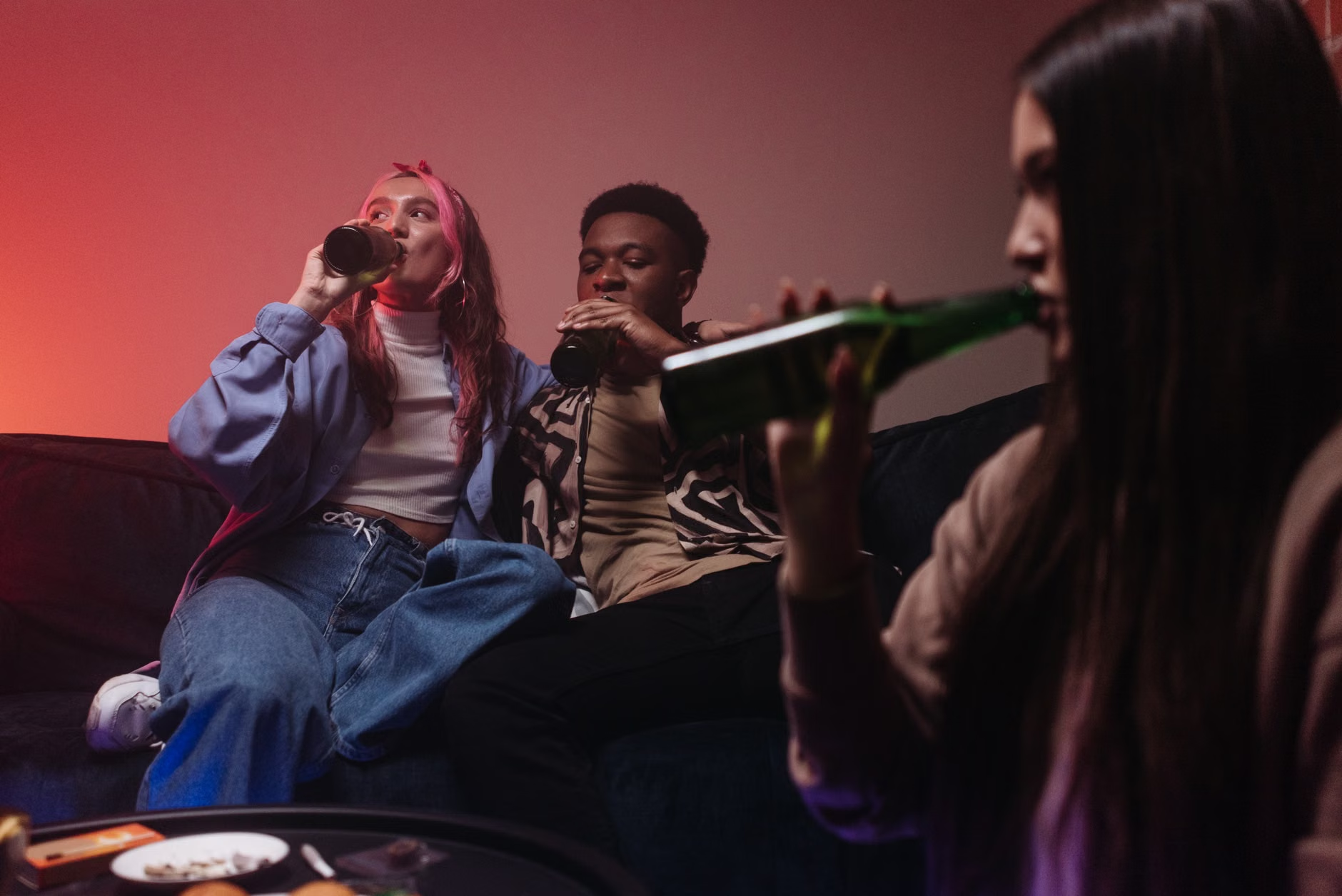
Part of the pleasure of social drinking is the ritual: the sound of ice hitting glass, the garnish being placed, the act of holding a stemmed glass. If you serve your guests a fancy mocktail in a plastic cup, you lose 50% of the experience. Use your best glassware. If you don’t have enough, it is worth investing in a set of versatile, elegant glasses that feel substantial in the hand.
Garnishes are not just aesthetic; they are functional. Aromatic garnishes like slapped basil, expressed orange peel, or a cinnamon stick provide an olfactory experience before the first sip is even taken. This is crucial because our sense of taste is heavily influenced by our sense of smell. By engaging the nose, you make the drink feel more “present” and substantial.
Common Mistake: Over-diluting the drink. Because non-alcoholic spirits (or bases) are often water-based rather than alcohol-based, they can become thin quickly. Use large, clear ice cubes if possible, which melt slower than small, cloudy ones. If you are making a batch, keep the mixers chilled separately and combine them only when serving to maintain the carbonation and flavor integrity.
Pairing Food with Non-Alcoholic Beverages
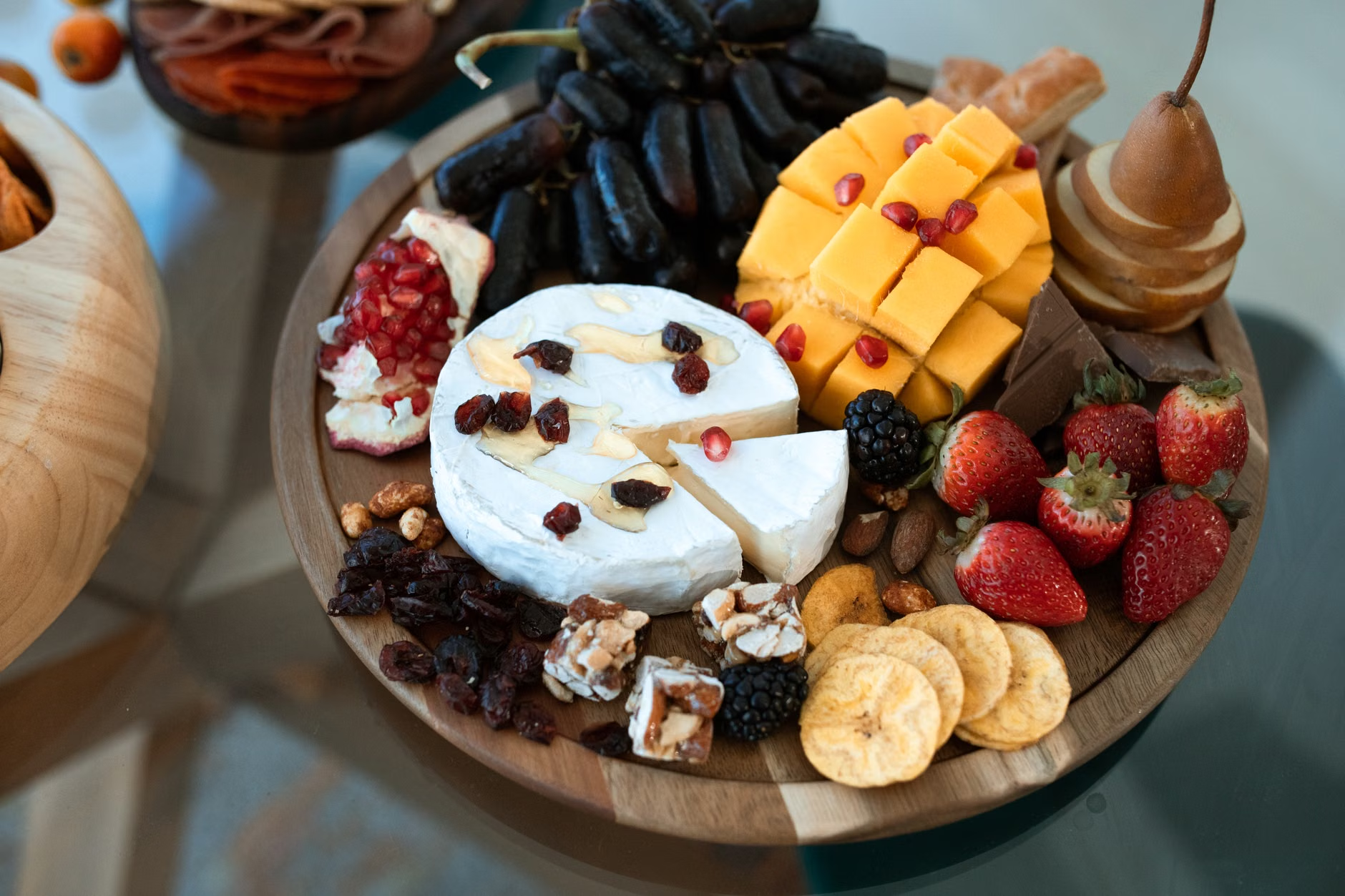
Alcohol is often used to “scrub” the palate after a fatty or salty bite. When you remove it, you need to find other ways to refresh the palate. This is where your menu design becomes critical. If you are serving heavy, rich foods like a charcuterie board or a creamy pasta, your drink menu needs to lean into high-acid or high-bitterness profiles.
For a cheese board, skip the sweet fruit juices. Instead, lean into savory profiles. A cold-brew black tea infused with dried orange peel and a hint of smoked sea salt pairs beautifully with aged cheddar. The tannins in the tea provide the astringency that is usually provided by the tannins in red wine.
If you are serving spicy food, look for cooling, creamy, or earthy profiles. A cucumber-mint shrub or a ginger-turmeric tonic works wonders here. The key is to think about the drink as a component of the meal, not just a side item to wash it down. If you are unsure, follow the “like-with-like” rule: savory food pairs with savory drinks, and lighter, brighter food pairs with citrus-forward or floral drinks.
Managing the “Host Fatigue” and Social Dynamics
Hosting is exhausting. When you remove alcohol from the equation, you might find that you have more energy at the end of the night, but the preparation can feel more labor-intensive because you aren’t just opening a bottle of wine. You are actively “making” drinks.
To prevent burnout, adopt the “Batching Strategy.” Prepare a signature non-alcoholic punch or a large-format cocktail base earlier in the day. This allows you to serve guests quickly without spending the entire evening behind a cocktail shaker. A large glass dispenser filled with a beautiful, colorful, and botanical-infused drink can act as a center-piece and allows guests to serve themselves, which takes the pressure off you as the host.
Also, don’t feel pressured to have a dozen different options. A well-curated menu of two or three high-quality drinks is far better than a poorly executed bar with ten options. Focus on one “Spirit-Forward” drink (using a non-alcoholic spirit alternative) and one “Refreshment” drink (using teas, shrubs, or tonics).
The Hidden Costs and Considerations
There is a misconception that non-alcoholic hosting is cheaper. While it can be, the high-quality non-alcoholic spirits on the market today are often priced similarly to mid-to-high-range alcoholic spirits. Because they are complex botanical distillations, the production process is intense, and the price point reflects that. Do not expect to save a significant amount of money if you are using premium zero-proof alternatives.
Another overlooked variable is storage. If you are hosting a large group, you will need a lot of ice—significantly more than you might expect. Alcohol keeps drinks cold and prevents some bacterial growth; non-alcoholic drinks, being sugar- or fruit-based, can spoil or lose their appeal faster if they get warm. Ensure you have adequate refrigeration space for your mixers and garnishes.
Finally, consider the sugar content. Many pre-made mocktails are essentially flavored sodas. If your guests are avoiding alcohol for health reasons, they may also be avoiding high-sugar intake. Always check the labels of your mixers. Opting for house-made infusions or high-quality tonics with lower sugar content is a thoughtful touch that your guests will appreciate.
Troubleshooting Common Social Hurdles
Even with the best preparation, you might encounter a guest who is insistent on having alcohol. If you are hosting in your own home, you have the right to set the rules. However, the best way to handle this is with grace. Keep a few bottles of wine or beer tucked away in the fridge, not as the centerpiece, but as an “emergency” option. You don’t need to advertise them, but having them available prevents a guest from feeling cornered.
If a guest asks, “Why no alcohol?” answer honestly and briefly. “We’re really enjoying exploring these new botanical drinks and wanted to share the experience with everyone tonight. We find they make for a much clearer, more enjoyable conversation.” This shifts the focus from a restriction to a shared discovery.
Remember that the goal of hosting is connection. Alcohol is just one tool to facilitate that. If you approach your gathering with warmth, intentionality, and a focus on the shared experience, your guests will leave feeling satisfied, whether they had a drink in hand or not.
Practical Next Steps for Your First Zero-Proof Gathering
If you are ready to plan your first zero-proof event, start with these three steps:
- Audit your glassware: Ensure you have enough stemmed or heavy-bottomed glasses to make the service feel special.
- Select two recipes: Choose one “spirit-forward” mocktail (using an NA spirit alternative) and one “refreshment” (using shrubs or tea). Test them once before the party.
- Prep the garnish station: Have your citrus peels, fresh herbs, and spices ready in small bowls. This makes the final assembly feel professional and fast.
Hosting without alcohol is a skill, and like any skill, it gets easier with practice. You will quickly find that the quality of your gatherings actually improves when the focus is removed from the substance and placed back on the people. Your friends are there for you, not the wine, and a well-thought-out zero-proof menu is the best way to show them that you value their presence and their well-being.
Frequently Asked Questions
1. Do I need to buy expensive non-alcoholic spirits to host a good zero-proof event?
Not necessarily. While premium non-alcoholic spirits offer a complex, layered flavor that mimics traditional spirits, you can create incredible drinks using tea, shrubs, fresh herbs, and high-quality tonic waters. The key is in the layering of flavors—acid, bitter, and sweet—rather than just the base ingredient.
2. How do I handle guests who are disappointed that there isn’t alcohol?
Be transparent in your invitation so there are no surprises. If someone is truly insistent, it is perfectly acceptable to have a few standard alcoholic options on hand, but keep them secondary to your curated zero-proof menu. Most people, when presented with a high-quality, delicious drink, find they don’t miss the alcohol as much as they expected.
3. What is the biggest mistake hosts make when going zero-proof?
The biggest mistake is neglecting the presentation. A drink served in a plastic cup or a mismatched glass feels like a “lesser” option. Use your best glassware, include thoughtful garnishes, and treat the serving process with the same level of care you would for a traditional cocktail. The ritual is just as important as the taste.
For more information on the growing trend of zero-proof beverages and industry standards, you can visit the IWSR Drinks Market Analysis for reports on the low- and no-alcohol category. Additionally, resources like The Alcohol Free Co. provide excellent guides on ingredient pairings for those new to non-alcoholic mixology.