The most successful social gathering is defined by the quality of the conversation and the comfort of your guests, not the percentage of alcohol served in their glasses. Moving toward a “zero-proof” or alcohol-free hosting model allows you to focus on flavor complexity, inclusivity, and ensuring that every attendee—whether they are driving, parenting, or simply choosing a sober lifestyle—feels genuinely catered to.
Key Takeaways for the Modern Host
- Prioritize Complexity Over Sugar: Move away from juice-heavy “mocktails” by using bitters, shrubs, and botanical distillates to mimic the depth of spirits.
- Standardize Inclusivity: By making the zero-proof option the “signature drink,” you remove the social stigma of not drinking and make the choice feel like a premium experience.
- Strategic Glassware Choice: The psychological experience of drinking is tied to the vessel; serving non-alcoholic drinks in high-quality glassware signals that the beverage is intentional, not an afterthought.
Why the Shift Toward Zero-Proof Hosting Matters Now
For those of us in our 30s and 40s, the “why” behind zero-proof hosting is often rooted in practicality. We are balancing demanding careers, the logistical challenge of early-morning parenting, and an increased awareness of health and wellness. The “sober-curious” movement is not just a trend; it is a shift in social priorities where the goal is to enjoy the company of friends without the inevitable fog of a hangover or the exhaustion that follows a late night of drinking.
When you host, you are the architect of your guests’ experience. If you only provide alcohol and a lukewarm bottle of soda for the non-drinkers, you are creating a tiered experience. A well-executed zero-proof menu bridges this gap. It treats the non-alcoholic guest with the same level of hospitality as the guest who enjoys a glass of wine, effectively leveling the playing field.
The Anatomy of a Sophisticated Alcohol-Free Drink
One of the most common mistakes hosts make is assuming that “non-alcoholic” equals “sweet.” Many store-bought mocktails are essentially juice cocktails that lack the bite and complexity of a traditional spirit. To create a drink that feels “adult,” you need to balance acidity, bitterness, and body.
The Role of Bitters and Shrubs
Bitters are your secret weapon. Even though many cocktail bitters contain a trace amount of alcohol, the amount used in a single drink is infinitesimal. However, if you are strictly avoiding alcohol, look for alcohol-free bitters. These provide the savory, spicy, or floral notes that round out a drink.
Shrubs—which are essentially drinking vinegars—are another essential tool. They provide that necessary acidic “punch” that mimics the burn of alcohol. A simple shrub is made by macerating fruit with sugar and then adding vinegar. When mixed with sparkling water, it creates a complex, refreshing beverage that feels sophisticated.
The “Body” Problem
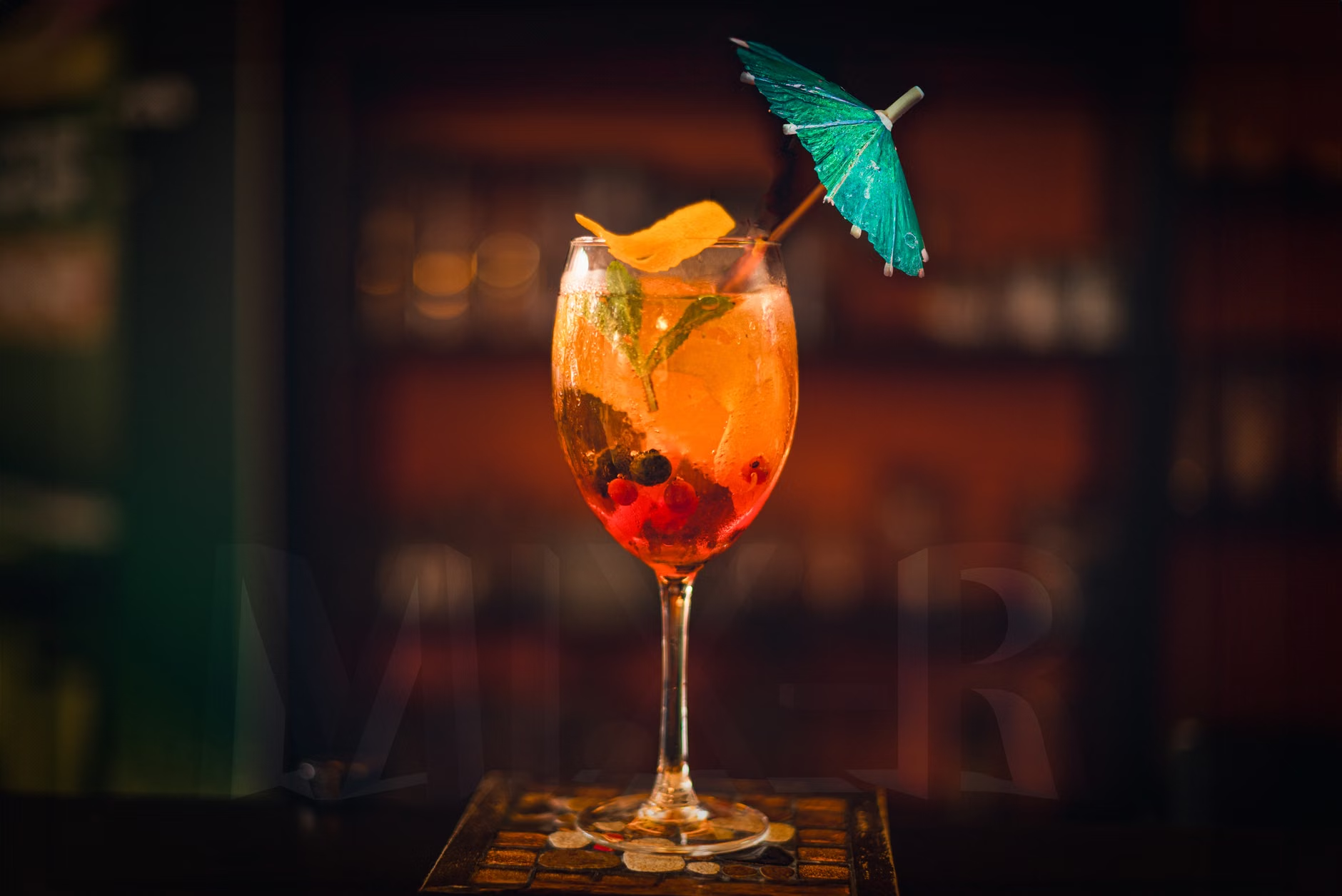
Alcohol provides a “mouthfeel” that water and juice lack. To replicate this, look to ingredients like glycerine-based non-alcoholic spirits (like Seedlip or Lyre’s), brewed teas, or even small amounts of tonic water which contains quinine, providing a natural, pleasant bitterness. Using a high-quality, chilled glass is also non-negotiable. The temperature of the glass and the dilution of the ice are just as important as the ingredients themselves.
Developing a Cohesive Zero-Proof Menu
When planning your menu, treat your non-alcoholic beverages with the same structure you would a traditional bar menu. You want a variety of flavor profiles: something bright and citrusy, something earthy and spicy, and something sparkling.
| Category | Key Ingredients | Best For |
|---|---|---|
| The Aperitif | Tonic water, juniper berries, cucumber, lime | Before dinner, palate cleansing |
| The Savory | Tomato juice, celery salt, black pepper, hot sauce | Brunch or afternoon gatherings |
| The Botanical | Rosemary, lavender syrup, sparkling water, lemon | Evening social gatherings |
The key here is consistency. If you are serving a craft cocktail for your drinking guests, ensure the zero-proof version is served in a similar style of glassware. If you serve one in a stemmed coupe glass and the other in a plastic cup, you are creating a visual hierarchy that undermines the effort you put into the drink itself.
Managing the Social Dynamics of Non-Alcoholic Hosting
Hosting is as much about the environment as it is about the refreshments. If you are hosting a group where some people are drinking and others are not, the goal is to make the act of “not drinking” completely invisible. The best way to do this is to offer a “build-your-own” bar station.
The Self-Serve Strategy
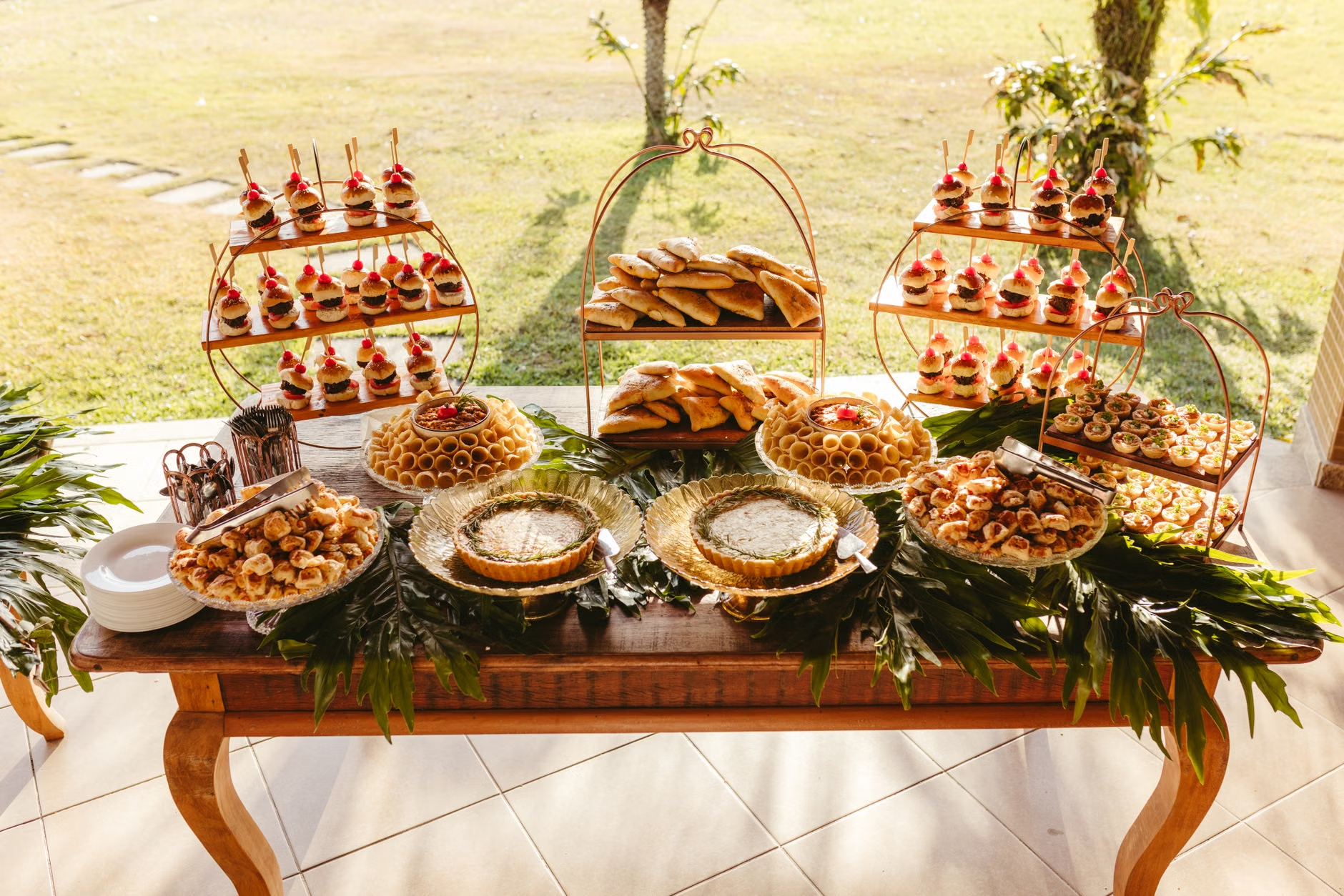
Set up a station with high-quality sparkling water, a selection of bitters, various fresh herbs, citrus twists, and perhaps a few bottles of non-alcoholic spirits. When guests are responsible for their own assembly, the non-drinkers don’t feel like they have to “ask” for a special drink. They simply participate in the activity of mixing a drink, just like everyone else.
Common mistake: Don’t apologize for the lack of alcohol. If you make a big deal about it, your guests will feel like they are “missing out.” If you serve the drinks with confidence, describing them by their flavor notes (“This is a hibiscus and clove spritz”) rather than what they lack (“This is a mocktail with no booze”), the focus remains on the enjoyment of the beverage.
Logistics: Shopping and Preparation
Hosting in your 30s and 40s often means time is your most precious commodity. Preparing zero-proof drinks shouldn’t add hours to your prep time. The secret is in the “mise en place”—a French term for “everything in its place.”
- Syrups: Make simple syrups (or flavored ones like ginger, rosemary, or vanilla) 24 hours in advance. They keep in the fridge for weeks and make assembly instant.
- Ice: Never underestimate the power of good ice. If you have time, buy clear ice or use large-format molds. It elevates the visual experience of a drink significantly.
- Garnish: This is where the “professional” look comes from. A dehydrated orange wheel, a slapped sprig of mint, or a fresh rosemary stalk takes a drink from “soda with a twist” to “craft beverage.”
Remember, the goal is not to replicate the feeling of intoxication; it is to replicate the ritual of the social drink. The ritual is the clinking of glasses, the aroma of the garnish, and the refreshing sensation of a cold drink in hand. These are the things that signal to our brains that we are in a social, relaxing space.
Addressing Potential Challenges
What if your guests are expecting alcohol? The most effective strategy is the “hybrid” approach. You don’t have to be a strictly dry household to be a good zero-proof host. Offer a selection of alcoholic beverages, but make the zero-proof options so attractive that even those who drink alcohol choose them for at least one round.
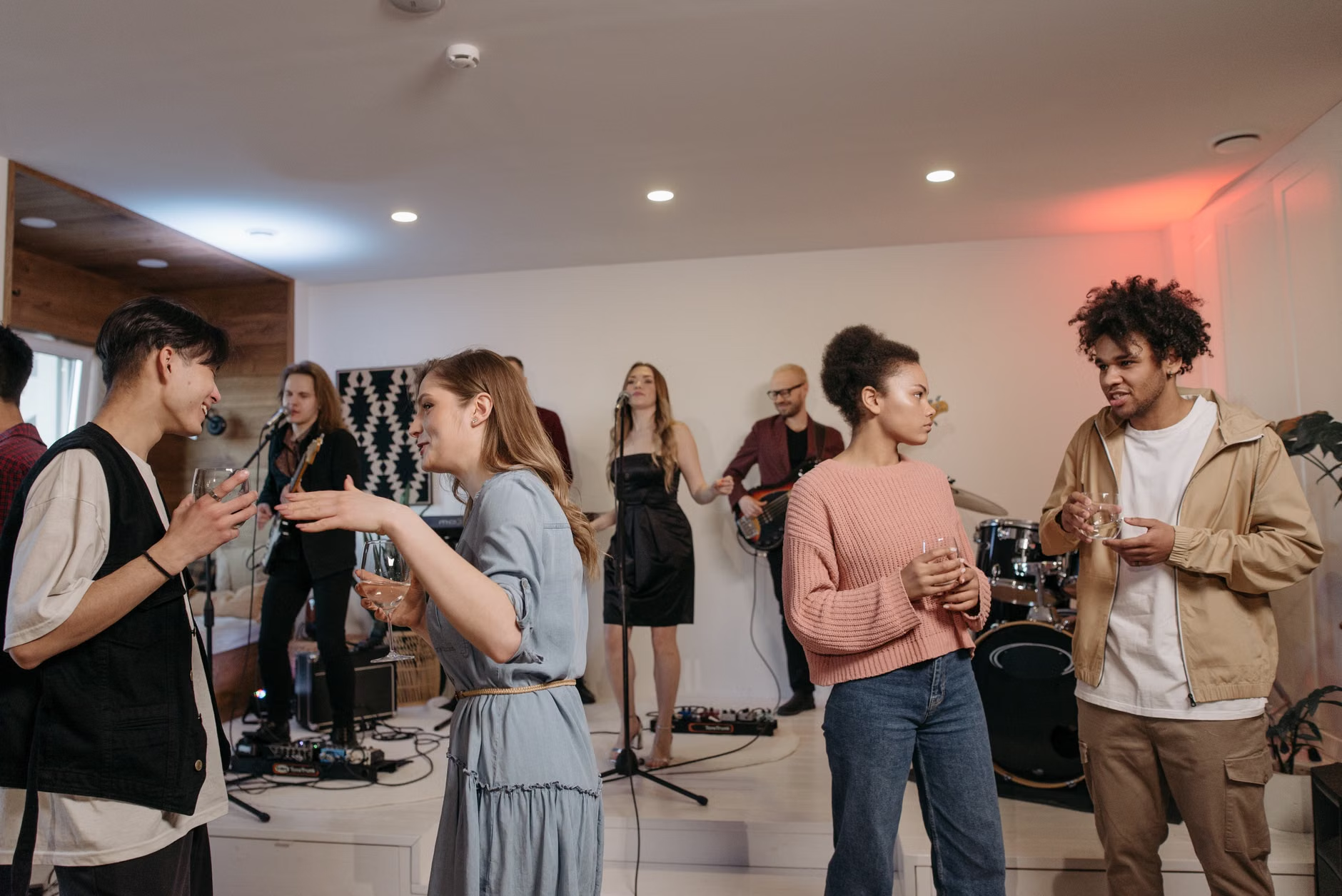
Another challenge is the “social pressure” aspect. Some guests may feel uncomfortable if they are the only ones not drinking. By providing a high-quality, non-alcoholic option that isn’t just a basic soft drink, you provide them with a “social shield”—a drink that looks and feels like a cocktail, allowing them to blend in seamlessly.
Finally, consider the hidden cost of alcohol-free spirits. Brands like Lyre’s or Seedlip can be expensive, sometimes costing as much as a mid-range bottle of gin or vodka. However, because they are often used in smaller quantities or as base components for longer drinks, they can last quite a while. Factor this into your party budget just as you would any other premium ingredient.
Final Thoughts on Becoming a Zero-Proof Host
Transitioning to a zero-proof hosting style is ultimately about intentionality. It is about recognizing that your guests’ comfort, health, and ability to engage meaningfully are the metrics of a successful gathering. By investing in better ingredients, focusing on glassware and presentation, and normalizing the choice not to drink, you create an environment where everyone can thrive.
Start small. Next time you host, pick one “signature” zero-proof drink and treat it with the same care you would a classic cocktail. Once you see how much your guests appreciate the effort and the flavor, you will likely find that the alcohol becomes less of a focus and the connection between your friends becomes the true star of the evening.
Frequently Asked Questions
1. Do non-alcoholic spirits really taste like the real thing?
They are designed to mimic the experience of drinking, not necessarily the exact flavor of specific alcohols. They focus on botanical complexity, warmth, and bitterness. You should approach them as a new category of beverage rather than a direct substitute for gin or whiskey.
2. How can I ensure my guests don’t feel like they are being “policed” about their drinking?
The best way is to lead by example and offer the zero-proof options as part of your standard menu. If you integrate them into the flow of the party without making a big announcement, it feels like an additional luxury rather than a restriction. The more natural you make it, the less awkward it becomes.
3. Are there any specific resources for finding zero-proof recipes?
Look for books and websites dedicated to “botanical mixology.” Organizations like The Alcohol-Free Spirits Co. or specialized blogs like Seedlip’s own recipe archives provide excellent, professional-grade recipes that go far beyond simple fruit juices. You can find more inspiration at Seedlip Drinks for high-end botanical recipe ideas.
Note: Always check the labels on non-alcoholic spirits and bitters, as some may contain trace amounts of alcohol (less than 0.5% ABV), which is standard in many commercial products. If you are hosting someone with a strict medical or personal requirement for 0.0% alcohol, verify the specific product label carefully.