Seasonal bulk-buying is not about hoarding; it is a financial and logistical strategy that, when executed correctly, can reduce your weekly grocery bill by 20% to 30% while ensuring your kitchen is always ready for the chaos of modern parenting.
- The 80/20 Rule of Storage: Focus bulk-buying on non-perishables and high-turnover seasonal produce rather than impulse buys.
- Seasonality is Your Cost-Cutter: Buying produce at the peak of its local season significantly lowers the price point and increases nutritional density.
- Systematic Rotation: Use the “First-In, First-Out” (FIFO) method to prevent waste, which is the most common hidden cost of bulk-buying.
If you are in your 30s or 40s, your kitchen is likely the central hub of a high-pressure environment. Between juggling work, school runs, and the ever-shifting logistics of a household, the last thing you need is a mid-week realization that you have run out of staples. We often view bulk-buying as something reserved for large families with industrial-sized chest freezers, but it is actually a tool for anyone who wants to reclaim time and money.
Why Seasonal Bulk-Buying Changes Your Financial Outlook
The primary benefit of bulk-buying is not just the lower price per unit. It is the reduction of “decision fatigue.” When you have a pantry stocked with reliable, high-quality staples, you eliminate the need to run to the store for a single missing ingredient. This saves you from the “add-on” purchases that typically happen at the checkout lane. However, the true secret lies in aligning these bulk purchases with seasonal cycles.
Seasonal buying means purchasing items when they are most abundant. In many parts of the world, this is when prices are lowest. For example, buying root vegetables in the autumn or berries in the summer and preserving them (through freezing, dehydrating, or pickling) allows you to bypass the high prices of out-of-season produce. This is not about being a homesteader; it is about being a smart consumer who understands that the global food supply chain charges a premium for convenience.
Consider the “Hidden Cost of Convenience.” A single small bag of organic lentils might cost $3.00, whereas a 5kg bag purchased in bulk might cost $8.00. While the upfront investment is higher, the cost per gram drops significantly. If you calculate this across 20 common household staples, you are looking at a monthly saving that justifies the initial storage organization effort.

The Anatomy of a Smart Bulk-Buying Strategy
To succeed, you must move away from the “buy everything in bulk” mentality. Not every item benefits from bulk purchasing. You must distinguish between items that save you money and items that end up as food waste. The most effective strategy involves categorizing your household needs into three tiers:
| Category | Examples | Strategy |
|---|---|---|
| High Turnover Staples | Rice, oats, flour, beans | Buy in bulk every 3–6 months. |
| Seasonal Produce | Tomatoes, berries, squash | Buy at peak, process, and freeze. |
| Perishables | Dairy, fresh greens | Avoid bulk unless you have a plan. |
The “High Turnover” category is your bread and butter. These items have a long shelf life and are used in almost every meal. When buying these, the goal is to store them in airtight containers to prevent pests and moisture damage. A common mistake is leaving these in their original paper or plastic bags. These bags are flimsy, prone to tearing, and do not provide a barrier against pantry moths or humidity.
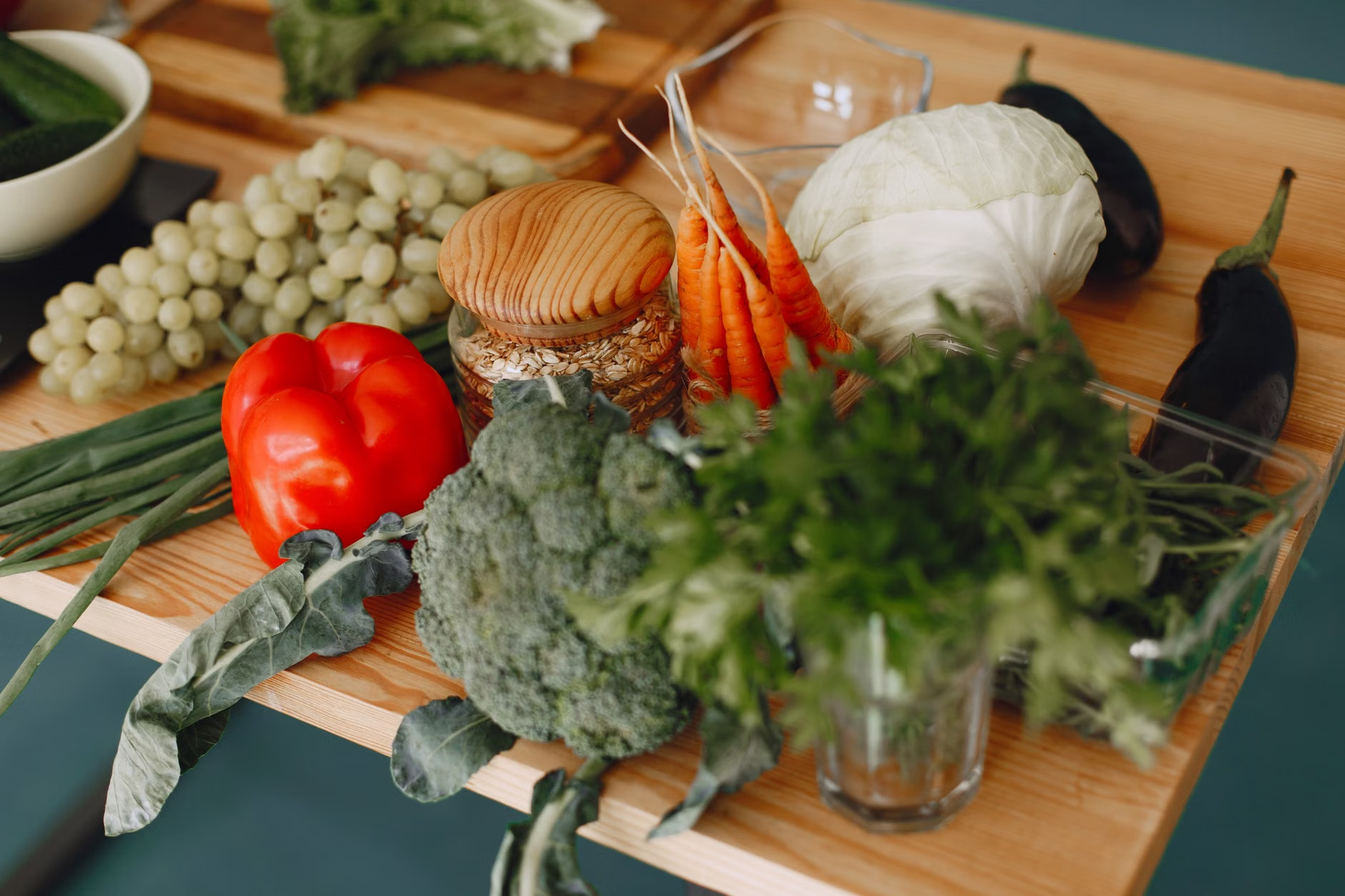
When it comes to “Seasonal Produce,” the strategy shifts from storage to processing. If you buy 10kg of tomatoes in late summer when they are cheap, you cannot simply leave them on the counter. You need a “processing bridge”—a weekend afternoon where you roast, can, or freeze them. This requires a shift in mindset: you are not just buying food; you are investing in a future asset.
Mastering the Logistics: Storage and Rotation
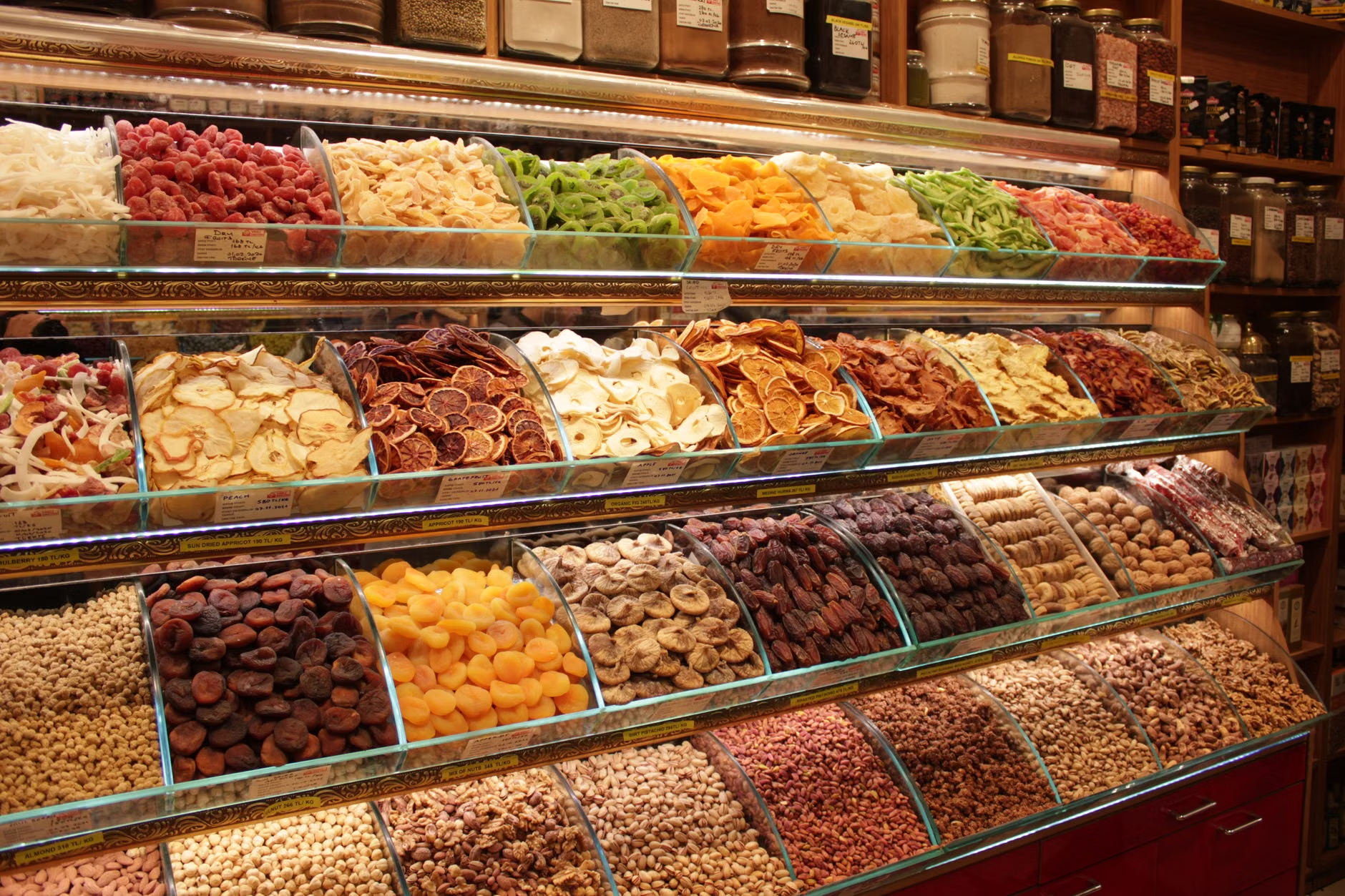
Space is often the biggest objection to bulk-buying. If you live in a compact urban apartment, you may feel that you lack the room for a massive pantry. However, vertical space is almost always underutilized. Installing simple, modular shelving or using over-the-door organizers can turn a dead wall into a high-capacity storage area.
The most important rule in bulk management is the FIFO (First-In, First-Out) principle. When you bring home new bulk supplies, ensure you place the older items at the front of the shelf. This sounds basic, but in a busy household, it is the most overlooked step. If you do not rotate your stock, you will inevitably find a bag of flour from three years ago pushed to the back of the cupboard.
Another crucial element is the “Vacuum Seal” factor. If you are serious about bulk-buying, investing in a decent vacuum sealer is one of the best financial decisions you can make. It extends the shelf life of frozen proteins and dry goods by removing the oxygen that leads to freezer burn and oxidation. While a vacuum sealer is an upfront cost of perhaps $50–$100, it pays for itself within months by preventing food spoilage.
Common Mistakes to Avoid
The biggest trap for beginners is “The Discount Delusion.” Just because an item is on sale in bulk does not mean it is a good deal for your family. If you buy a 10kg sack of a grain your children refuse to eat, you haven’t saved money; you’ve created a disposal problem. Before committing to a bulk purchase, ask yourself three questions:
- Usage Rate: Do we actually eat this, and how quickly?
- Storage Capacity: Do I have a clean, dry, and cool space for this?
- Processing Time: Do I have the time to prep this, or is it ready to eat?
Another common mistake is ignoring the “Unit Price” in favor of the “Total Price.” Sometimes, a family-sized pack at the grocery store is actually cheaper per unit than the “bulk” item at a wholesale club, especially if the wholesale club requires a membership fee. Always perform the quick math: Divide the total price by the weight or volume to get the true cost per unit.
Building Your Seasonal Calendar
To make this sustainable, you need a seasonal roadmap. This does not need to be rigid, but having a general idea of when to buy what makes a massive difference. For example, in the Northern Hemisphere, autumn is the time for root vegetables and squashes—items that store well in a cool, dark place. Winter is the time for bulk-buying dry goods like legumes and grains when you are less likely to be doing heavy produce processing.
Spring and summer are for preserving the harvest. When berries or stone fruits hit their peak price-drop, you should be ready to buy in bulk and freeze them immediately. This requires a bit of planning, but it turns your kitchen into a self-sustaining system. You are no longer at the mercy of weekly price fluctuations in the supermarket produce aisle.
The Psychological Benefit of a Prepared Pantry
Beyond the math, there is a profound psychological benefit to having a well-stocked pantry. It provides a sense of security. When you know you have 5kg of rice, a variety of beans, and preserved tomatoes ready to go, the stress of “What’s for dinner?” is significantly reduced. This is particularly valuable for parents who are already dealing with high-stress work-life balances.
Think of your pantry as your “home base.” When the unexpected happens—a sick child, a busy work week, or an unforeseen expense—your pantry is your buffer. It allows you to maintain a high standard of nutrition without the need for expensive, low-quality takeout. It is not about living in a state of constant preparation, but about building a foundation that allows for more flexibility in your daily life.
Refining Your Approach: Advanced Tips
As you get comfortable, look into “Community Supported Agriculture” (CSA) or local co-ops. These organizations often allow you to buy in bulk directly from farmers. This is the gold standard for seasonal eating. You get fresher produce, you support local agriculture, and you often pay less because you are cutting out the middleman. The trade-off is that you have less control over exactly what you receive, which forces you to be more creative with your cooking—a great way to break out of a culinary rut.
Also, consider the “Shared Bulk” model. If you have friends or neighbors in a similar life stage, consider splitting large bulk orders. One person manages the storage, another manages the transport. This reduces the burden on any single individual and makes bulk-buying accessible even if you don’t have a giant pantry.
Final Thoughts and Next Steps
Start small. Do not try to overhaul your entire kitchen in a weekend. Pick three staples you use every single week, find a reliable bulk source, and secure a proper storage solution for them. Once that becomes a habit, add three more. The goal is to build a system that serves your life, not one that adds another layer of chores to your to-do list.
Remember that the “perfect” system is the one that actually gets used. If you find that you are consistently not using the items you buy in bulk, adjust your strategy. It is perfectly fine to scale back. The ultimate measure of success is not how much you have in your pantry, but how much easier your daily life becomes because of it.
For more information on food safety and storage guidelines, you can refer to resources like the USDA Food Safety and Inspection Service for standardized storage times and safe handling practices.
Frequently Asked Questions
1. How do I know if an item is worth buying in bulk?
Use the “Rule of Three”: Do you use it at least three times a week? Is it non-perishable or easily preserved? Is the price per unit significantly lower than the standard grocery store price? If the answer is yes to all three, it is a strong candidate for your bulk list.
2. How do I prevent pests in my bulk dry goods?
The best defense is airtight storage. Glass or high-quality BPA-free plastic containers with silicone seals are ideal. For long-term storage, consider adding food-grade oxygen absorbers to your containers. Always inspect your bulk items for signs of damage before bringing them into your pantry.
3. What if I don’t have the time to process seasonal produce?
Focus your bulk-buying efforts on non-perishable dry goods and shelf-stable items. You can still save money without the added labor of canning or drying. Simply buy what you know you will use within a reasonable timeframe, and leave the intensive processing for when your schedule allows for it.
Note: This guide is intended for informational purposes and does not constitute professional financial or nutritional advice. Always prioritize food safety by following local guidelines for storage and handling.