The single most effective way to prevent after-school meltdowns in neurodivergent children is to provide a dedicated, low-stimulation “recovery zone” that allows their nervous system to recalibrate before they engage with the rest of the evening.
- The “Transition Gap”: Neurodivergent children often face “after-school restraint collapse,” where they hold their composure all day and release it at home. A sensory station acts as an immediate bridge to emotional safety.
- Proprioceptive Input is King: Heavy work—activities involving deep pressure or joint compression—is generally more effective for calming a dysregulated nervous system than visual or auditory stimulation.
- Minimalism Over Variety: An effective station should contain 3-5 high-quality, specific tools rather than a cluttered bin of random toys that can cause further sensory overwhelm.
If your child walks through the door and immediately enters a state of high anxiety, irritability, or total shutdown, you are likely witnessing the “after-school restraint collapse.” For neurodivergent children—including those with ADHD, Autism, or Sensory Processing Disorder (SPD)—the school day is a marathon of sensory labor. They are constantly filtering fluorescent lights, background noise, social cues, and the physical discomfort of sitting in chairs. By the time they reach home, their “battery” is not just low; it is empty.
Defining the Need: Why a Sensory Station is Essential
For parents in their 30s and 40s, we often view home as a place for dinner, homework, and relaxation. However, for a child with sensory processing differences, “home” isn’t instantly relaxing. The transition from a structured, high-demand environment to a less structured home environment can be jarring. This is where the concept of a Sensory Integration Station comes in. It is not just a collection of fidgets; it is a dedicated physical space designed to provide specific sensory input that helps the brain move from a “fight or flight” state to a “rest and digest” state.
The research behind this is rooted in Sensory Integration Theory, originally developed by Dr. A. Jean Ayres. The theory suggests that for children who struggle to process sensory information, the brain needs specific, controlled input to organize the nervous system. When we provide that input in a predictable, safe location, we lower the threshold for behavioral outbursts.
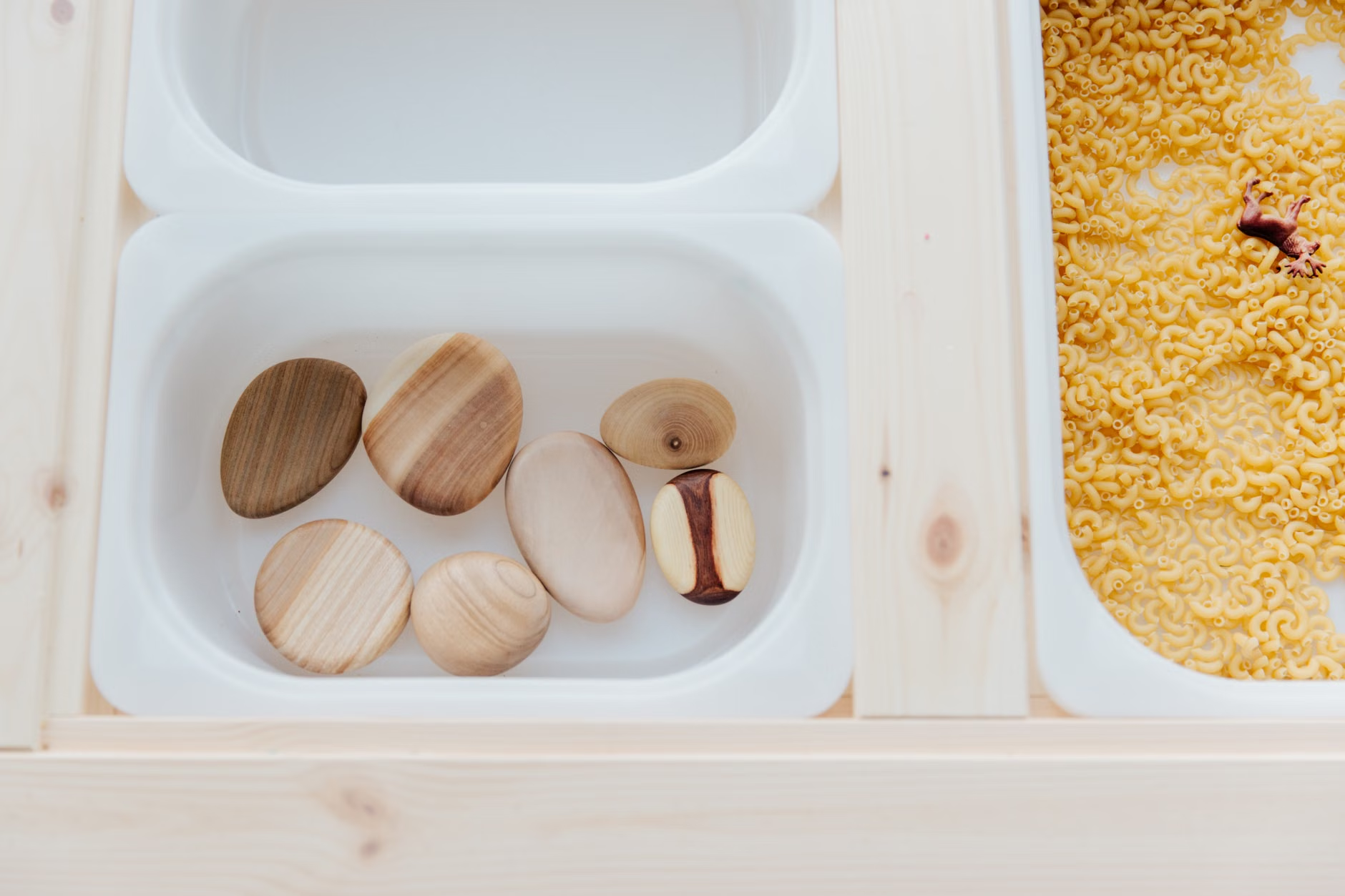
Designing the Space: Location and Environmental Control
The biggest mistake parents make is placing the sensory station in a high-traffic area. If your child is already overwhelmed, the sight of a sibling walking by or the smell of dinner cooking can be the tipping point for a meltdown. The location must be a “low-arousal” zone.
Selecting the Right “Anchor” for the Station
You do not need a dedicated room. A corner of the living room or a section of their bedroom is sufficient. The key is environmental control. Use a floor-to-ceiling curtain, a pop-up tent, or a corner partitioned by bookshelves to create a visual boundary. This boundary signals to the child that this space is “safe” and “quiet.”
Lighting and Sound: The Hidden Culprits
Fluorescent and harsh LED lighting are common triggers for sensory overload. If possible, avoid overhead lights entirely in this zone. Use a floor lamp with a warm-toned bulb or a dimmable smart bulb. If the room is noisy, consider sound-dampening panels or a white noise machine. Even a simple pair of noise-canceling headphones kept in a basket can serve as an “auditory reset” button.
The Toolkit: What Should Actually Be in the Bin?
When curating your sensory station, think in terms of the three primary systems that regulate the body: Proprioceptive (muscles and joints), Vestibular (balance and movement), and Tactile (touch).
| System | Tool Examples | Purpose |
|---|---|---|
| Proprioceptive | Weighted lap pad, compression vest, heavy blankets | Provides “deep pressure” that calms the nervous system. |
| Vestibular | Balance board, wobble stool, yoga ball | Helps the brain understand the body’s position in space. |
| Tactile | Kinetic sand, textured fidgets, putty | Offers focused input to ground the child’s attention. |
Common Mistake: Over-stuffing the station. A “sensory bin” that contains 50 items is just another source of clutter. Choose three items that serve different purposes. For example, a heavy blanket for deep pressure, a piece of firm putty for hand-work, and a small, quiet fidget toy for rhythmic movement.

Implementing the “After-School Reset” Routine
A station is useless if the child doesn’t use it. The implementation must be non-negotiable but low-pressure. Think of it as a “de-escalation ritual.”
Step-by-Step Implementation
- The Arrival: Upon entering the house, skip the “How was your day?” interrogation. This is the most common mistake. Instead, offer a low-stakes greeting and guide them to the station.
- The 15-Minute Window: Allow 15 minutes of uninterrupted time in the station. This is not a “timeout” or a punishment; it is a “recharge.”
- Guided vs. Independent: For younger children (ages 5-8), you may need to sit with them and model the use of the tools. For older children (ages 9-12), provide the space and let them determine if they need a weighted blanket or just some quiet time with music.
- The Transition Out: Once the 15 minutes are up, offer a gentle transition to the next task, such as a snack or homework. If they are still agitated, offer an additional 5 minutes.
Hidden Costs and Unexpected Trade-offs
One overlooked variable is the “sensory diet” mismatch. Not every child responds to the same input. Some children are “sensory seekers”—they crave movement and loud sounds. Others are “sensory avoiders”—they need silence and stillness. If your child is a seeker, a quiet, dark tent might actually cause them more frustration. If this happens, swap the “quiet” tools for “active” ones, such as a mini-trampoline or a heavy-duty resistance band for pulling. Observe your child for one week to see which tools they reach for naturally.

Addressing Common Misconceptions
There is a persistent myth that sensory integration is “just for autistic kids.” While it is a foundational part of autism support, it is equally effective for children with ADHD, anxiety, or even neurotypical children who are simply having a stressful school week. Sensory regulation is a universal human need; we just happen to have more specialized tools for those who struggle with it naturally.
Another misconception is that the station needs to be expensive. You do not need to buy specialized “sensory” branded gear. A pile of heavy winter coats can provide deep pressure. A firm pillow can be used for “heavy work” (pushing against the wall). A bowl of dried rice or beans can be a DIY sensory bin. The value is in the intentionality of the space, not the price tag of the items inside.
Practical Decision Criteria for Long-term Success
How do you know if the station is working? Look for a reduction in the “intensity” of the transition. If meltdowns are shorter, less frequent, or easier to recover from, you are on the right track. If, after two weeks, the situation has not improved, consider these three adjustments:
- Rotate the items: Children often become desensitized to the same sensory input. Keep a box of “rotated” items and swap them out once a month.
- Check the timing: Is the child getting to the station too late? If the meltdown happens in the car, you may need a “portable” sensory kit for the commute home.
- Consult a professional: If you suspect your child has significant Sensory Processing Disorder (SPD), consider consulting an Occupational Therapist (OT). They can provide a personalized “sensory diet” based on your child’s specific sensory profile.
Frequently Asked Questions
1. My child refuses to use the sensory station. What should I do?
If your child refuses the station, it is likely because they feel it is being forced upon them. Reframe the narrative. Instead of “Go to your station,” try “I’ve set up a quiet spot with your favorite weighted blanket if you need to recharge for a bit.” Give them autonomy over when they go and how long they stay.
2. Can the sensory station be used for homework?
Generally, no. The sensory station should be a place of recovery, not a place of demand. Homework creates cognitive load, which is the opposite of sensory regulation. Keep the “work” and “reset” spaces separate to prevent the child from associating the sensory station with the stress of schoolwork.
3. How do I manage this if I have multiple children who might fight over the gear?
If you have multiple children, define the sensory station as a “shared resource” with a timer, or create two separate, smaller stations. If space is limited, use a “sensory cart” on wheels that can be rolled to whichever child needs it, ensuring the tools remain organized and accessible.
Creating a sensory integration station is an investment in your child’s emotional regulation and your own peace of mind. By acknowledging the sensory toll of their day and providing a structured environment to recover, you are not just managing behavior—you are teaching them a vital life skill: knowing when their body needs a break and how to advocate for that need. Start small, observe their reactions, and remain consistent. Your patience in building this space will pay dividends in the calm of your evenings.
For further reading on sensory processing and evidence-based interventions, you can visit the American Occupational Therapy Association (AOTA) for resources on how sensory integration supports daily function.