The secret to surviving a multi-generational trip isn’t packing light—it’s packing smart by treating every age group as a distinct logistics project. If you are the primary organizer in your 30s or 40s, you are likely the de facto travel agent, luggage handler, and chief mediator for both your parents and your children. The key to sanity is moving away from the “everyone packs for themselves” mentality and adopting a centralized, tiered packing strategy that separates essentials from creature comforts.
- Centralize Vital Documents: Keep a single “Master Folder” (physical and digital) containing travel insurance, medical histories, and emergency contacts for every family member, regardless of age.
- The 48-Hour Rule: Always pack two full days of essential medications, a change of clothes, and critical chargers in carry-on luggage for every traveler to mitigate the risk of lost or delayed checked bags.
- Standardize Power and Connectivity: Do not rely on everyone bringing their own random cables; bring a centralized charging hub with multiple USB-C/A ports to manage the battery needs of everyone’s devices in one spot.
Why the “One Size Fits All” Packing List Fails
We’ve all been there: you arrive at your destination, only to realize that while you remembered your own noise-canceling headphones, you completely forgot your mother’s specific reading glasses or the specialized formula your toddler needs. In a multi-generational group, the “invisible load”—the mental labor of anticipating needs—falls squarely on the shoulders of the middle generation.
The fundamental mistake most travelers make is viewing packing as a personal task. When traveling with parents (who may have mobility or health concerns) and children (who have distinct developmental and dietary needs), packing becomes a systems engineering problem. If you don’t build a system, you are forced to improvise during the trip, which is where the stress levels skyrocket.
To succeed, you need to categorize your packing into three specific tiers: Survival (Medications, IDs, Tech), Comfort (Sleep aids, specific snacks, entertainment), and Utility (Adapters, laundry bags, backup power). By categorizing these, you can delegate the “Comfort” items to individuals while keeping a tight grip on “Survival” items.
Tier 1: The Survival Kit – Non-Negotiables for Every Age
The “Survival” category is the only part of your luggage where you should adopt a zero-tolerance policy. If it’s in this category, it must be in the carry-on, and it must be accounted for by the lead traveler. This is not about being a control freak; it is about risk mitigation.
The Medical Master List
For parents in their 60s or 70s, missing a dose of medication isn’t just an inconvenience; it can be a health crisis. For children, a sudden fever or allergic reaction requires immediate access to supplies. Do not trust that “we can just buy it there.”
- Prescription Medications: Keep them in original pharmacy bottles. If traveling internationally, ensure the name on the bottle matches the passenger’s passport.
- The “Just in Case” Pharmacy: Pack a small, clear pouch containing paracetamol/ibuprofen (both adult and pediatric dosages), rehydration salts, antihistamines, and basic first-aid supplies like adhesive bandages and antiseptic wipes.
- Medical Summaries: Create a simple, one-page document for every family member that lists chronic conditions, allergies, and current medications. Print two copies—one for your bag, one for theirs.
The Documentation Hub
In the digital age, we tend to rely too heavily on our phones. If your phone dies or you lose signal, your digital boarding pass is useless. Always carry a physical folder.
| Document Type | Physical Requirement | Digital Requirement |
|---|---|---|
| Passports/IDs | Original + 1 photocopy | Cloud storage/Photo |
| Travel Insurance | Policy number/Emergency call list | Full PDF document |
| Itineraries | Printed reservation list | Synced app/Calendar |
Why this matters: If you are at a foreign airport and the system goes down, the traveler with the printed confirmation is the one who gets on the flight. It’s a simple, low-tech insurance policy against the chaos of modern travel.
Tier 2: The Tech and Power Grid
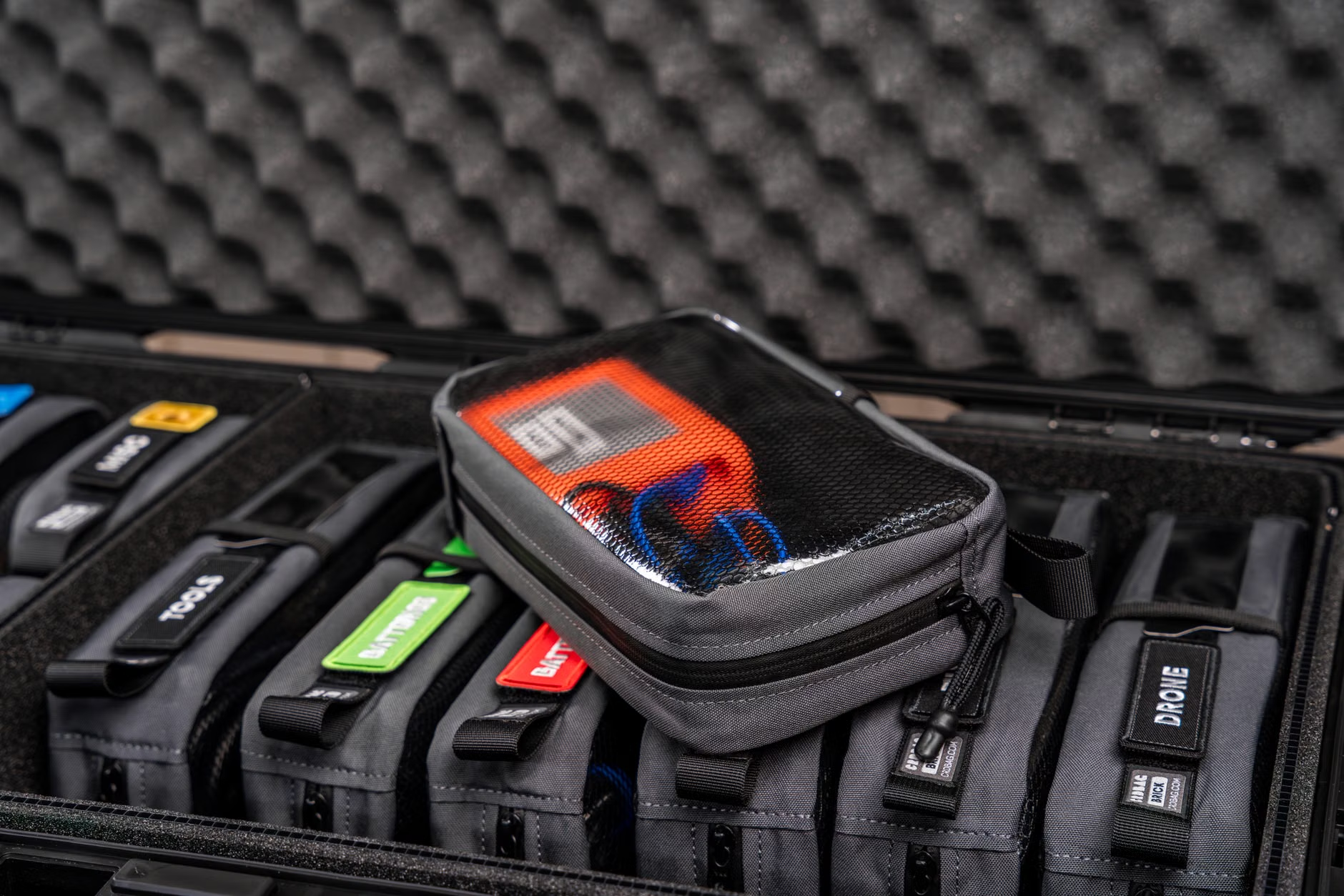
In a family of five, you might have two tablets, three phones, a camera, and a pair of e-readers. The common mistake is having everyone bring their own wall bricks. This leads to a frantic search for outlets in hotel rooms and the inevitable “who took my charger?” argument.
The Centralized Charging Strategy
Instead of five individual chargers, bring one high-wattage GaN (Gallium Nitride) charger with multiple ports. These chargers are smaller, lighter, and more efficient than standard bricks. A 100W multi-port charger can handle a laptop, two phones, and a tablet simultaneously.
Pro Tip: Buy a set of color-coded cables. Give the kids blue cables, the grandparents red, and keep yours white. It sounds silly, but it instantly stops the “whose cable is this?” confusion that plagues every family vacation.

Tier 3: Comfort and Maintenance
This is where you can afford to be flexible. Comfort items for a toddler (a specific blanket or toy) are non-negotiable for their emotional regulation, while for a grandparent, a specific brand of tea or a comfortable pair of slippers might be the difference between a good day and a grumpy one.
The “Two-Day Rule” for Clothing
Regardless of the length of the trip, ensure everyone has 48 hours of clean clothes in their carry-on. If you are flying, checked luggage is statistically likely to arrive, but the “what if” is high enough that you should prepare for the worst. For children, this also includes a change of clothes for the parents—because if a child spills something or gets sick, it almost always ends up on the person holding them.
Snack Logistics
Hungry kids are difficult, but hungry, tired grandparents can also be a challenge to keep on schedule. Pack “bridge snacks”—high-protein, non-perishable items like nuts, jerky, or granola bars that can bridge the gap between missed lunch times and dinner reservations. Avoid items that melt or create excessive crumbs.
Common Pitfalls and How to Avoid Them
One of the most overlooked variables in multi-generational travel is the “physical capacity gap.” Your parents may not be able to carry the same weight as you, and your children will likely abandon their backpacks halfway through the airport terminal. You must pack under the assumption that you will be carrying at least 30% of the non-essential gear.
The “Weight Distribution” Rule
If you are traveling with seniors, ensure their luggage has four-wheel spinners rather than two-wheel rollers. The physical strain of pulling a two-wheel bag can cause back pain that ruins the first two days of the trip. For children, use a “scooter suitcase” or a light backpack they can carry themselves—this gives them a sense of responsibility and keeps their hands free.
The “Lost” Scenario
Assume your luggage will be delayed for 24 hours. If you have to spend the first day of your trip in the clothes you traveled in, will you be miserable? If the answer is yes, you haven’t packed correctly. The “Survival” tier mentioned earlier is your defense against this. If you have your meds, your tech, and a change of clothes, the rest is just scenery.
Refining the Workflow: Step-by-Step Execution
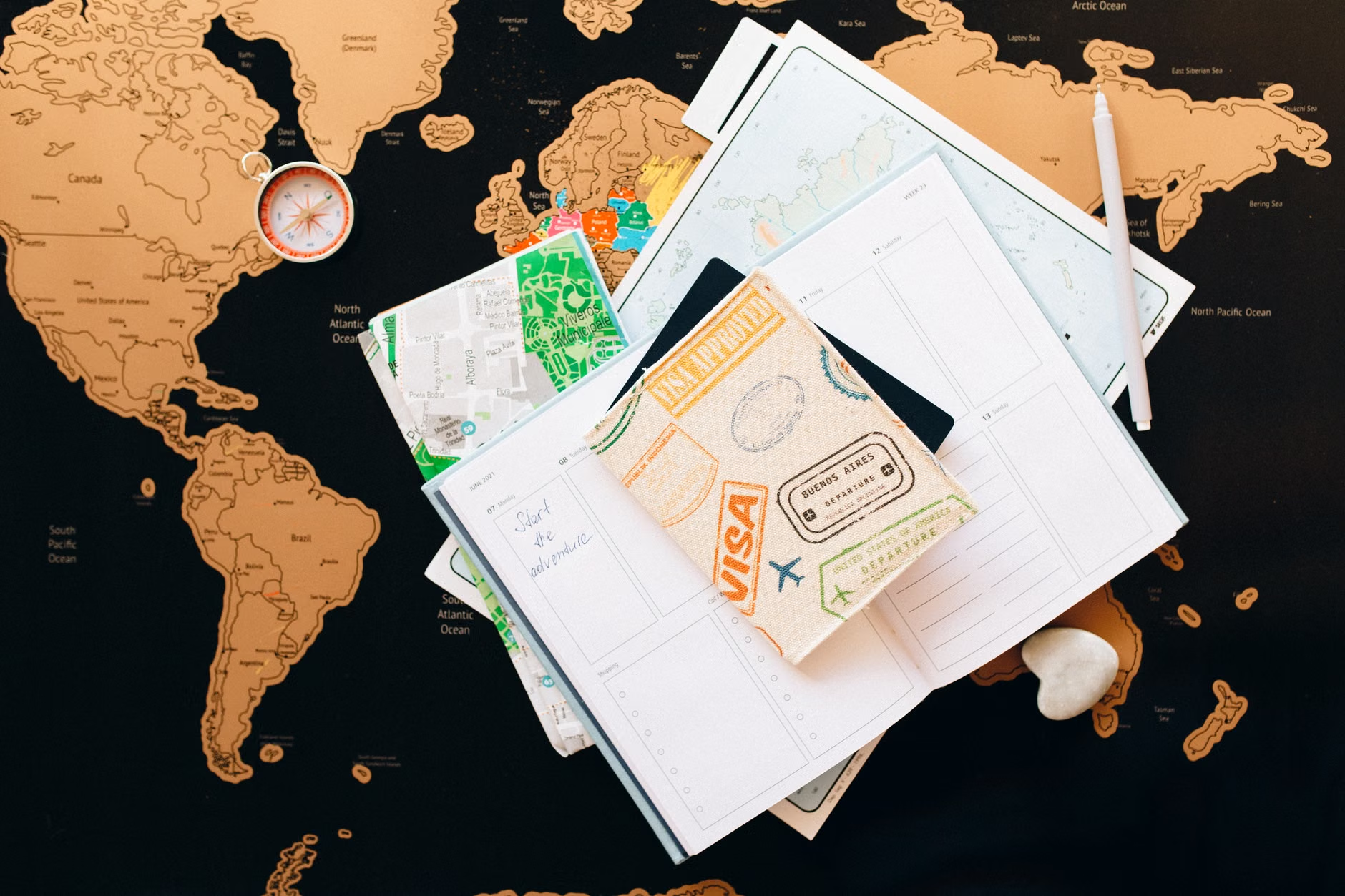
To avoid the last-minute scramble, implement this timeline:
- T-minus 14 days: Check expiration dates on all passports. This is the #1 reason international trips are cancelled.
- T-minus 7 days: Order any specialty items (meds, snacks, specific hygiene products) that you don’t have at home.
- T-minus 3 days: The “Dry Run.” Pack the carry-ons. Weigh them. If they are too heavy for your parents or children to manage, remove items now.
- T-minus 24 hours: The “Master Folder” check. Ensure all digital boarding passes are screenshotted and physical copies are in the folder.
This systematic approach shifts your role from “stressed-out parent” to “prepared tour leader.” When you have a plan, you can pivot when things go wrong—and they will go wrong. That’s just the nature of travel. The difference is that you won’t be scrambling for solutions; you’ll be executing a backup plan.
Understanding the Impact of Your Choices
Why do we pack so much? Often, it’s out of fear—fear of being unprepared, fear of the unknown, or fear of disappointing our family members. By narrowing your focus to the “Survival” items and trusting your family to manage their own “Comfort” items, you actually reduce the overall burden on yourself.
If your parents are capable, let them manage their own carry-on bags. If your kids are old enough to carry a small bag, let them. Acknowledging that you cannot—and should not—control every single item that enters a suitcase is the most liberating part of the process. Your goal is to ensure the essentials are safe; the rest is just baggage.
Frequently Asked Questions
What should I do if my parents refuse to pack light?
The best approach is to focus on the necessities, not the volume. If they want to bring extra clothes, let them, as long as it doesn’t impede the group’s mobility. Use a “weight check” rule: if they can’t lift their own bag into an overhead bin, it needs to be checked or downsized. This isn’t about being mean; it’s about realistic physical safety during transit.
How do I handle liquid restrictions for a large family?
Instead of everyone having their own set of liquids, consolidate. Use one large, TSA-compliant clear bag for the “group” liquids (like shared sunscreen, toothpaste, or moisturizer). This makes the security screening process significantly faster for the whole group, as you only have one bin to pull out and process.
Is it worth buying travel insurance for the whole family?
Absolutely. In multi-generational travel, the likelihood of a trip interruption due to a health issue (either for a senior or a child) is statistically higher than in solo or couple travel. Ensure your policy covers “pre-existing conditions” if you are traveling with elderly parents, and always keep the emergency assistance phone number saved as a contact in your phone.
Final Thoughts: The Goal is Presence, Not Perfection
The point of this packing guide isn’t to create a perfectly curated suitcase; it’s to create the space for you to actually enjoy your family. When you aren’t worrying about whether you forgot the chargers or if the medication is in your checked bag, you can focus on the reason you’re traveling in the first place: the shared experience.
Accept that something will be forgotten. Accept that a bag might get lost. Accept that the kids will be loud and the parents will be tired. But also know that because you’ve handled the “Survival” tier of your packing, you are prepared to handle those bumps in the road with grace. Pack well, breathe deep, and enjoy the journey.
For further reading on international travel requirements and health advisories, visit the World Health Organization’s travel advice page or your local government’s official travel portal for the most up-to-date entry requirements.