The most effective way to ensure your garden thrives year after year isn’t by buying the latest high-tech hybrid seeds, but by participating in a local seed-swap, which allows you to trade acclimatized, heirloom varieties that have already proven they can survive in your specific neighborhood microclimate.
Key Takeaways
- Local Adaptation: Seeds saved from plants grown in your specific soil and weather conditions are naturally more resilient than store-bought commercial seeds.
- Cost-Efficiency: Seed-swapping effectively eliminates your annual garden budget, allowing you to diversify your harvest without purchasing expensive individual packets.
- Community Resilience: Beyond the garden, these swaps foster neighborhood trust and create a network of local knowledge that helps new gardeners avoid common regional pitfalls.
If you have spent any time scrolling through community groups or local neighborhood forums lately, you have likely noticed a recurring theme: the humble seed-swap. It’s not just for the professional horticulturists or the homesteading influencers anymore. For those of us in our 30s and 40s—juggling the demands of work, kids, and the general chaos of modern life—the hyper-local seed-swap has emerged as a surprisingly practical solution to a variety of modern problems, from rising food costs to the desire for a more connected, tangible community life.
Why “Hyper-Local” Matters More Than You Think
When you walk into a big-box hardware store to buy seeds, you are usually looking at commercial varieties bred for uniformity, transportability, and, in some cases, chemical dependency. These plants are designed to look good on a shelf, not necessarily to thrive in the specific pH level of your backyard soil or the unique frost patterns of your town.
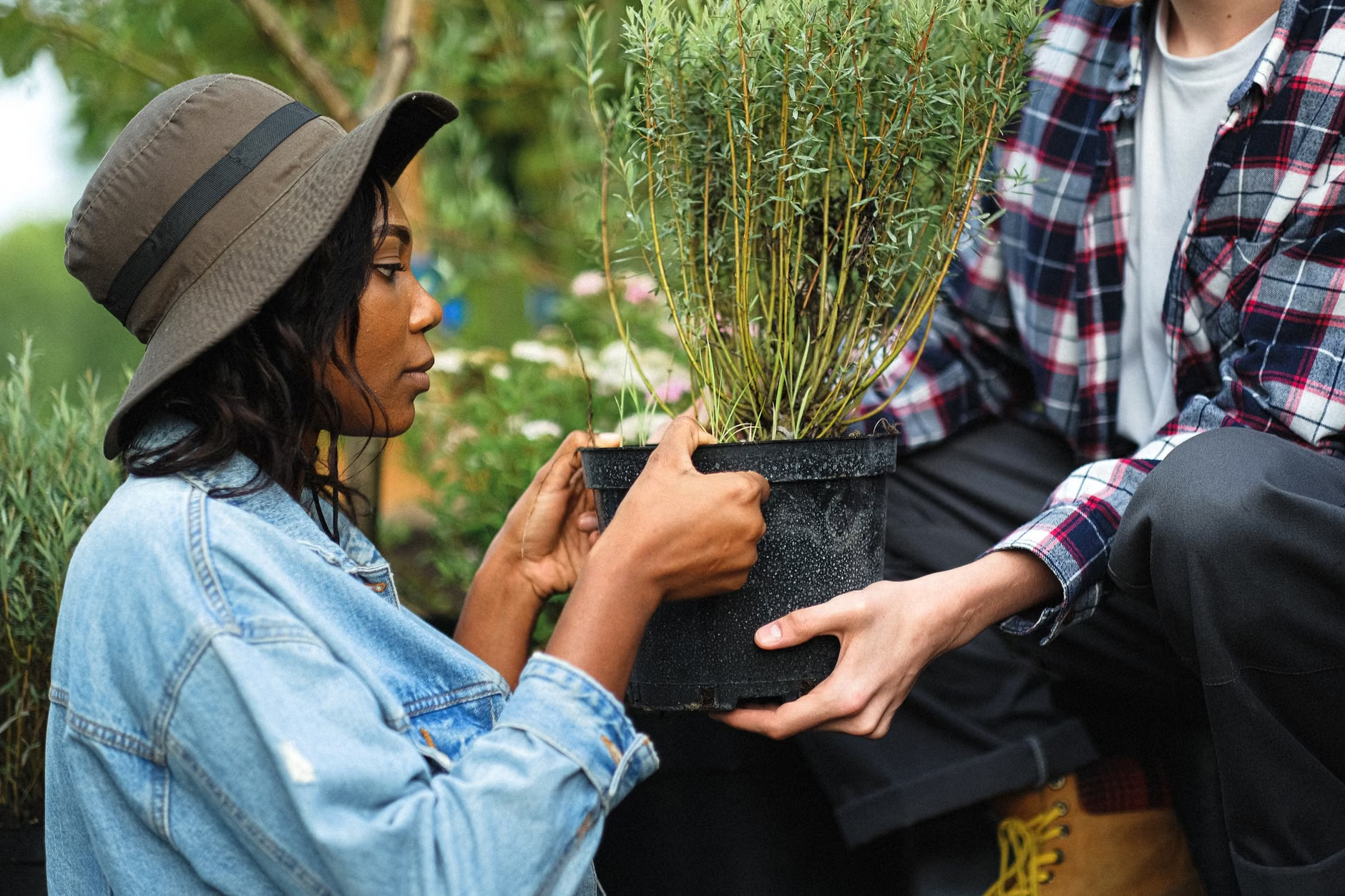
Hyper-local seeds are different. They are the survivors. When you trade seeds with a neighbor who has been growing tomatoes for five years, you aren’t just getting seeds; you are getting a biological history of that plant’s success in your specific zip code. If that tomato produced a heavy harvest during last year’s unusually dry summer, its offspring are statistically more likely to handle drought conditions in your garden, too.
This is what ecologists call “landrace gardening.” By keeping seeds within a small geographic radius, you are essentially “breeding” your garden to be the best version of itself for your specific environment. For the busy parent, this reduces the “gardening heartbreak” of planting something only to watch it wither because it wasn’t suited for your local climate.
The Economics of the Swap: More Than Just Free Seeds
Let’s talk numbers. A typical packet of heirloom vegetable seeds can range from $3 to $7 depending on the brand and the rarity of the variety. If you are starting a small kitchen garden, you might easily spend $50 to $100 on seeds alone at the start of the season. While that might seem like a manageable expense, it adds up when you factor in fertilizer, soil amendments, and the occasional replacement plant.
Seed-swapping turns this into a zero-cost hobby. But the real value isn’t just the money saved on the packets; it’s the variety. Most commercial seed companies sell packets containing 50 to 100 seeds. If you are growing for a family, you might only need 10 plants. You end up with 90 seeds that either go to waste or lose their viability in your drawer. By swapping, you can trade those 90 extra seeds for 10 seeds of five different varieties of peppers, herbs, or flowers.
| Feature | Commercial Seed Packets | Hyper-Local Seed Swaps |
|---|---|---|
| Cost | $3 – $7 per variety | Usually free |
| Climate Suitability | General/Broad | Highly localized |
| Diversity | Limited (standard varieties) | High (heirlooms, unique crosses) |
| Social Connection | None | High (knowledge exchange) |
The table above illustrates the shift in strategy. When you move from buying to swapping, you aren’t just cutting costs; you are increasing the “biological diversity” of your plot, which helps prevent total crop failure. If one variety succumbs to a local pest, the others you acquired via trade might not.
How to Start Your Own Seed-Swap Circle
You don’t need a formal organization or a massive budget to start a swap. In fact, the best ones are often the most informal. If you want to facilitate this in your neighborhood, follow these practical steps:
1. Identify the “Connector” Plants
Start by identifying what grows well in your area. If your neighbors are all struggling with powdery mildew on their squash, look for someone who has a resistant variety and ask to trade for that. This creates an immediate, practical connection based on solving a shared problem.
2. The “Labeling” Rule
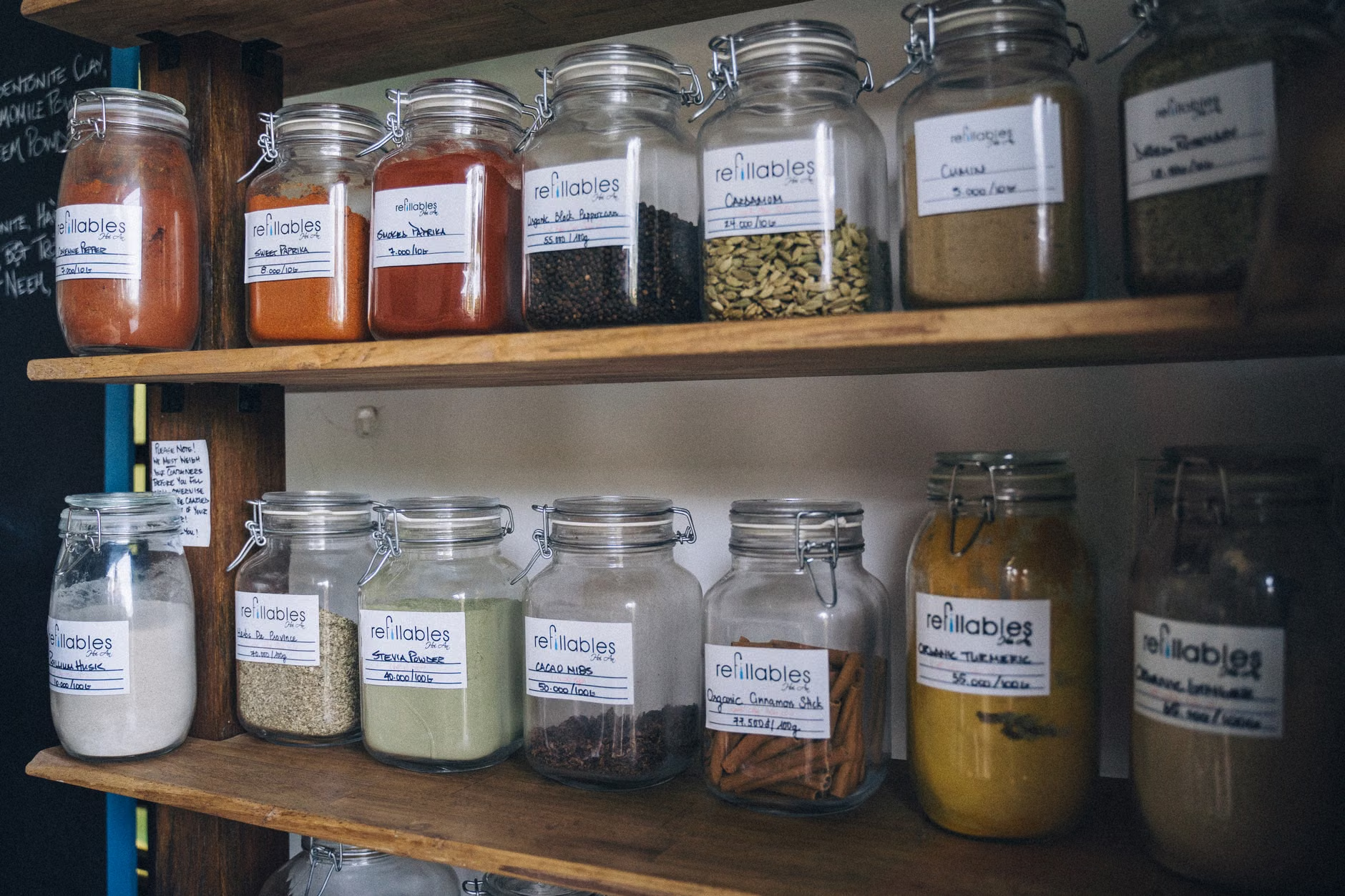
One of the biggest mistakes in informal swaps is poor labeling. Always include the name of the plant, the year it was harvested, and any specific notes (e.g., “very heat tolerant” or “needs early staking”). A simple piece of masking tape on a small paper envelope is sufficient. Avoid plastic baggies if possible, as they trap moisture and can cause seeds to rot.
3. Manage Expectations
Not every seed will germinate. When you are swapping, be transparent about where your seeds came from. If you didn’t hand-pollinate them, mention that they might be a “surprise cross.” This is part of the fun of heirloom gardening—you might accidentally create a new favorite variety.
The Hidden Social Variable: Building Neighborhood Trust
For those of us in our 30s and 40s, life can feel fragmented. We work, we manage school drop-offs, we juggle appointments, and often, our interactions with neighbors are limited to a quick wave from the driveway. Gardening is a slow, quiet activity, but it provides a perfect “third space” for connection.
When you participate in a seed-swap, you are doing more than trading biological matter. You are establishing a rapport. “Hey, I noticed your sunflowers were massive last year; would you be willing to trade some of those seeds for my heirloom cucumbers?” This is a low-pressure way to start a conversation. It builds a network of local experts you can turn to when your tomato plants start turning yellow or when you aren’t sure if a bug is a friend or a foe.
It’s important to note the “hidden cost” here: Time commitment. While the seeds are free, the social aspect requires you to show up, talk to people, and maintain the relationship. If you are looking for a purely transactional experience, an online seed marketplace might be faster, but you lose the local knowledge that comes with a face-to-face exchange.
Common Pitfalls and How to Avoid Them
Even with the best intentions, things can go wrong. Here is how to handle the most common issues:
- The “Invasive” Risk: Always be careful when trading seeds for plants that are known to be aggressive spreaders, like certain mints or mint-family herbs. Make sure you are aware of what you are trading.
- Storage Errors: If you receive seeds, don’t leave them in your car or a damp shed. Seeds need a cool, dry, and dark environment. A simple airtight glass jar in a cupboard is often better than expensive storage solutions.
- Over-Committing: It is easy to get excited and end up with 50 different types of seeds. Remember your space constraints. A good rule of thumb is to only swap for what you have the square footage to support.
The Future of Localized Food Systems
The hyper-local seed-swap trend is part of a broader shift toward “food sovereignty.” While it might seem like a small act, when hundreds of families in a city begin to save and trade seeds, they collectively build a seed bank that is immune to supply chain disruptions. If a major seed company goes out of stock or prices skyrocket due to inflation, the community already has the resources they need to keep growing.
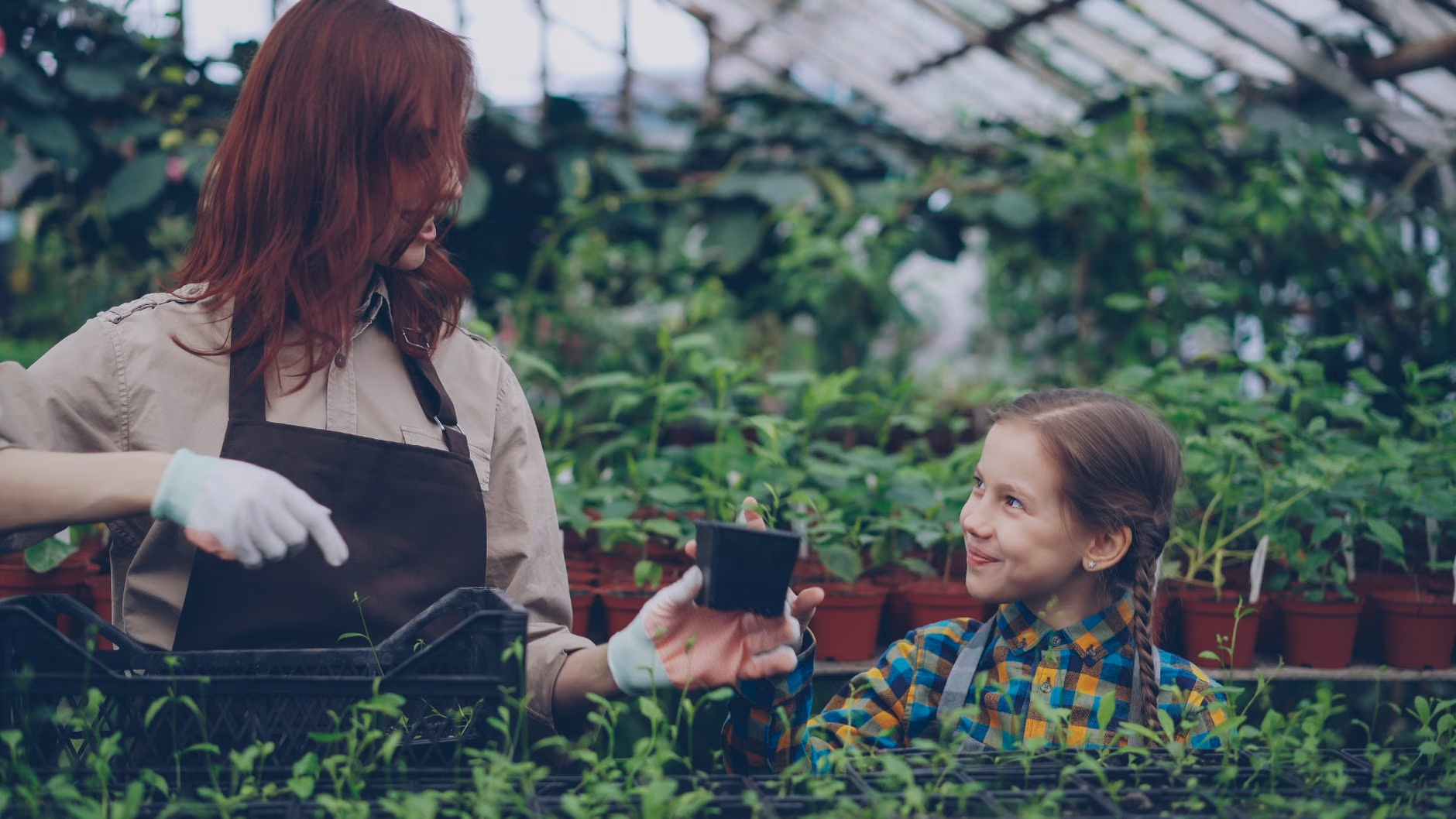
For the parent, this is also a powerful educational tool. Teaching children that food doesn’t just come from a plastic-wrapped container at the grocery store, but from a small, dried seed that they helped harvest and store, is a lesson in patience, biology, and environmental stewardship that money cannot buy.
If you are interested in finding existing swaps, look for local “Seed Libraries” at your public library or check out regional gardening groups on social media. Many cities now host annual “Seedy Saturday” events, which are essentially large-scale, community-run versions of the backyard swaps described here.
Practical Next Steps for the Aspiring Swapper
If you want to dive in, don’t wait for the perfect moment. Start small. Even if you haven’t saved your own seeds yet, you can participate by purchasing one packet of high-quality, open-pollinated heirloom seeds and dividing them into small envelopes to offer to your neighbors. The act of offering is often enough to trigger a reciprocal exchange.
Remember that the goal isn’t perfection; it’s participation. Your garden will teach you what works, and your neighbors will provide the community support to keep you motivated. As you get more comfortable with the process, you can start experimenting with saving seeds from your own best-performing plants, thereby deepening your connection to the land you tend.
At the end of the day, the hyper-local seed-swap is a return to a more human-scale way of living. It is a quiet rejection of the “buy-consume-discard” cycle and a move toward something more sustainable, more resilient, and, quite frankly, more enjoyable. Grab a few envelopes, talk to your neighbor over the fence, and see what grows.
Frequently Asked Questions
Q: How do I know if the seeds I’m getting are “good” or viable?
A: You can perform a simple “float test” for larger seeds (like beans or peas) by placing them in water; viable seeds usually sink, while duds float. For smaller seeds, the only way to be 100% sure is a germination test: place a few seeds between damp paper towels in a warm spot for a few days to see if they sprout. However, in a community swap, the best indicator is the reputation of the gardener—if they grow great plants, their seeds are likely high quality.
Q: Are there any legal restrictions I should know about?
A: In most jurisdictions, swapping heirloom seeds between individuals is perfectly legal and encouraged. However, if you are planning to distribute seeds on a massive scale or across international borders, you may run into seed-labeling laws or agricultural import restrictions. For casual, hyper-local neighborhood swaps, these regulations generally do not apply.
Q: What if I don’t have a garden yet? Can I still join a swap?
A: Absolutely. Most seed-swappers are more than happy to give seeds to someone who is just starting out. In fact, many experienced gardeners love to mentor beginners. Just be honest about your situation, and you will likely find that people are happy to share their “extra” seeds to help you get your first season off the ground.
For further reading on the importance of seed saving and biodiversity, check out the resources provided by the Seed Savers Exchange, which offers extensive guides on how to properly harvest and store different types of seeds to ensure they remain viable for future seasons.