The secret to a successful intergenerational trip isn’t just about picking the right destination; it is about mastering the logistical hand-off between three distinct age groups so that nobody ends up carrying the weight of the entire group’s anxiety (or luggage).
- Consolidate the “Shared Essentials” Kit: Instead of every family unit bringing their own toiletries and chargers, designate one person to manage the “base camp” bag containing high-demand shared items like universal power adapters, first-aid supplies, and common charging cables.
- The 48-Hour Rule for Medication: Always pack at least 48 hours of essential medications in your carry-on, regardless of whether you are checking bags. Seniors and children often have stricter dosage requirements that cannot be interrupted by lost luggage.
- Digital Centralization is Mandatory: Use a shared digital folder or app for all travel documents, insurance policies, and accommodation details to prevent the “who has the printout?” panic at check-in desks.
If you are in your 30s or 40s, you are likely the “sandwich” of your family—managing the needs of your aging parents on one side and your energetic children on the other. Adding travel into this mix often feels like a logistical puzzle where the pieces change shape every time you blink. When you add the complexity of packing for three generations, the challenge isn’t just space; it is the mental load of ensuring everyone has what they need to stay comfortable and healthy.
Why the “One-Bag-Per-Person” Myth Fails Multi-Generational Groups
We often hear the advice to “pack light” or “stick to one carry-on.” While noble, this advice usually assumes everyone in the group has the same physical capability and travel needs. In a multi-generational setup, this is rarely the case. A toddler needs a mountain of supplies (diapers, snacks, comfort items), a grandparent might need specific orthopedic aids or specialized medical equipment, and you are trying to keep the whole operation moving through security.
The reality is that packing for a multi-generational group requires a “squad-based” approach rather than an individual one. You should categorize your gear not by person, but by function. This reduces the cognitive load during the trip. If you know exactly which bag contains the “emergency entertainment” for the kids or the “mobility aids” for the grandparents, you aren’t digging through four different suitcases at the gate.
Consider the difference in priorities:
| Generation | Primary Packing Focus | Common Oversight |
|---|---|---|
| Grandparents | Comfort, medical, routine | Ignoring weight limits of carry-on bags |
| Parents (30s/40s) | Logistics, documents, tech | Forgetting personal downtime items |
| Children | Entertainment, snacks, hygiene | Over-packing toys that won’t be played with |
One of the biggest mistakes families make is individual redundancy. If you have three families traveling together, you do not need three separate travel irons, three sets of universal adapters, or three different first-aid kits. This leads to wasted space and confusion. The “Base Camp” strategy involves designating one central bag that contains the items everyone will need to access frequently.
What goes in the Base Camp bag?
- Universal Power Hubs: A single high-wattage multi-port charger with long cables is far more efficient than five individual chargers fighting for one hotel outlet.
- The “Master” Pharmacy: A single, well-organized kit containing basics like ibuprofen, bandages, antiseptic wipes, and anti-diarrheals. Ensure this is accessible to the adults, not the kids.
- Digital Documentation: A physical backup or a dedicated USB drive containing copies of passports, travel insurance, and medical records for everyone. Keep this in the most secure bag in the group.
This strategy matters because it reduces the number of bags you have to track. When you arrive at your destination, you know exactly where to look for the “group” items, which saves you from searching through everyone’s personal luggage when an issue arises.
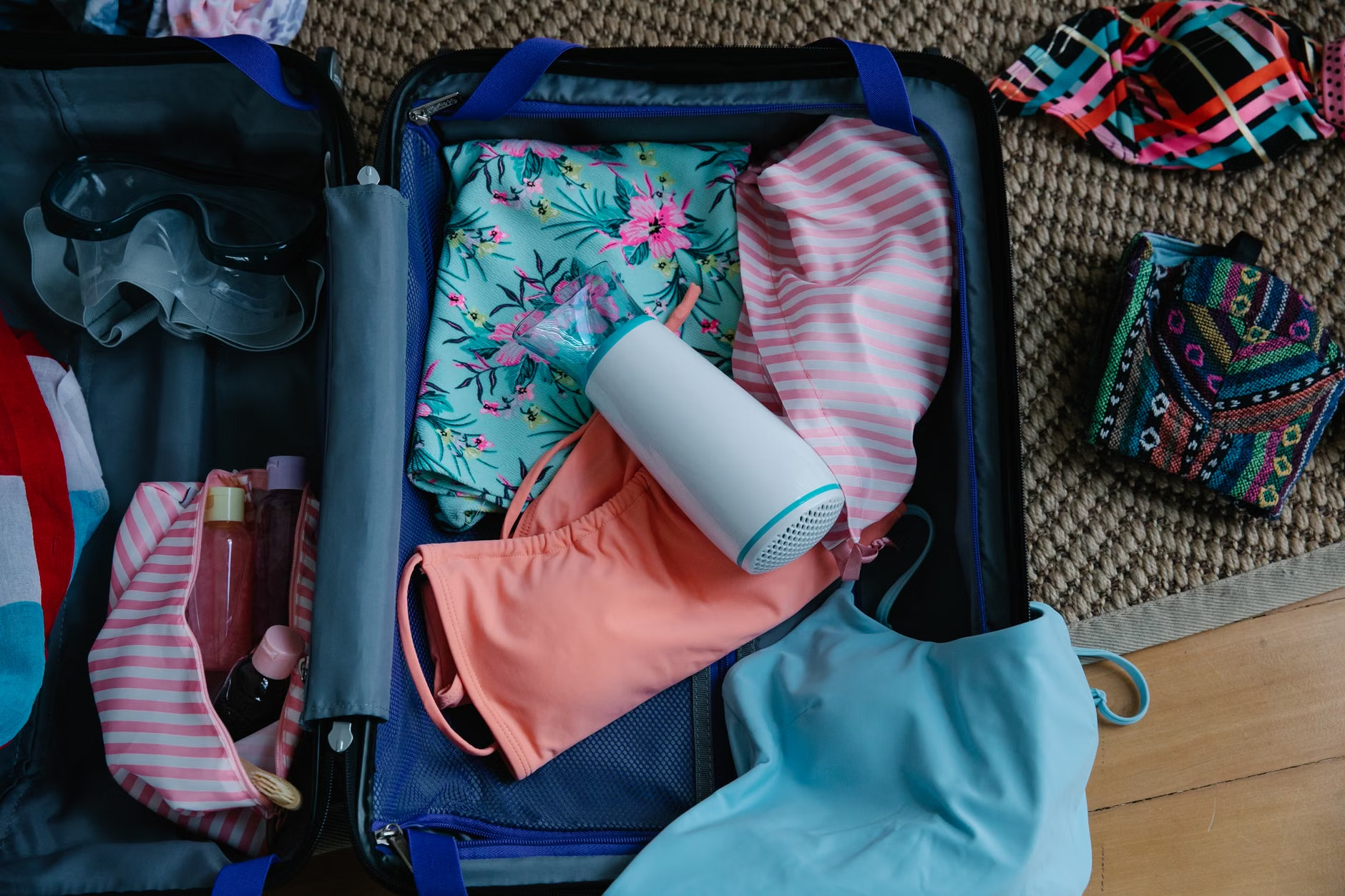
Medical and Health Preparedness: The Non-Negotiable Layer
When traveling with seniors and children, the stakes for health-related packing are higher. You aren’t just packing for convenience; you are packing for continuity of care. The most common mistake is assuming that “we can just buy it there.” While true for many things, it is dangerous for prescription medications or specific dietary requirements.
Step-by-Step Medical Packing Protocol:
- The 48-Hour Rule: As noted in the takeaways, keep 48 hours of essential medication in a personal item or carry-on. If your checked luggage is delayed or lost, you have a buffer to find a local pharmacy or contact your doctor.
- Digital Medical Profiles: Use your smartphone to create a “Medical Info” note for each family member. This should include allergies, current prescriptions (with dosages), and emergency contact information. In a foreign country, this is invaluable if you need to explain a situation to a pharmacist or doctor.
- The “Local Pharmacy” Translation: Before you leave, use an app or a simple translation sheet to find the local names for common over-the-counter medications. For example, generic names like “Paracetamol” are widely understood, but brand names vary wildly between the US, UK, and Europe.
Why does this matter? Because a minor health issue—like a child’s fever or a grandparent’s back pain—can derail a trip if you are scrambling to find the right medicine in a foreign language. By being prepared, you turn a potential crisis into a minor inconvenience.
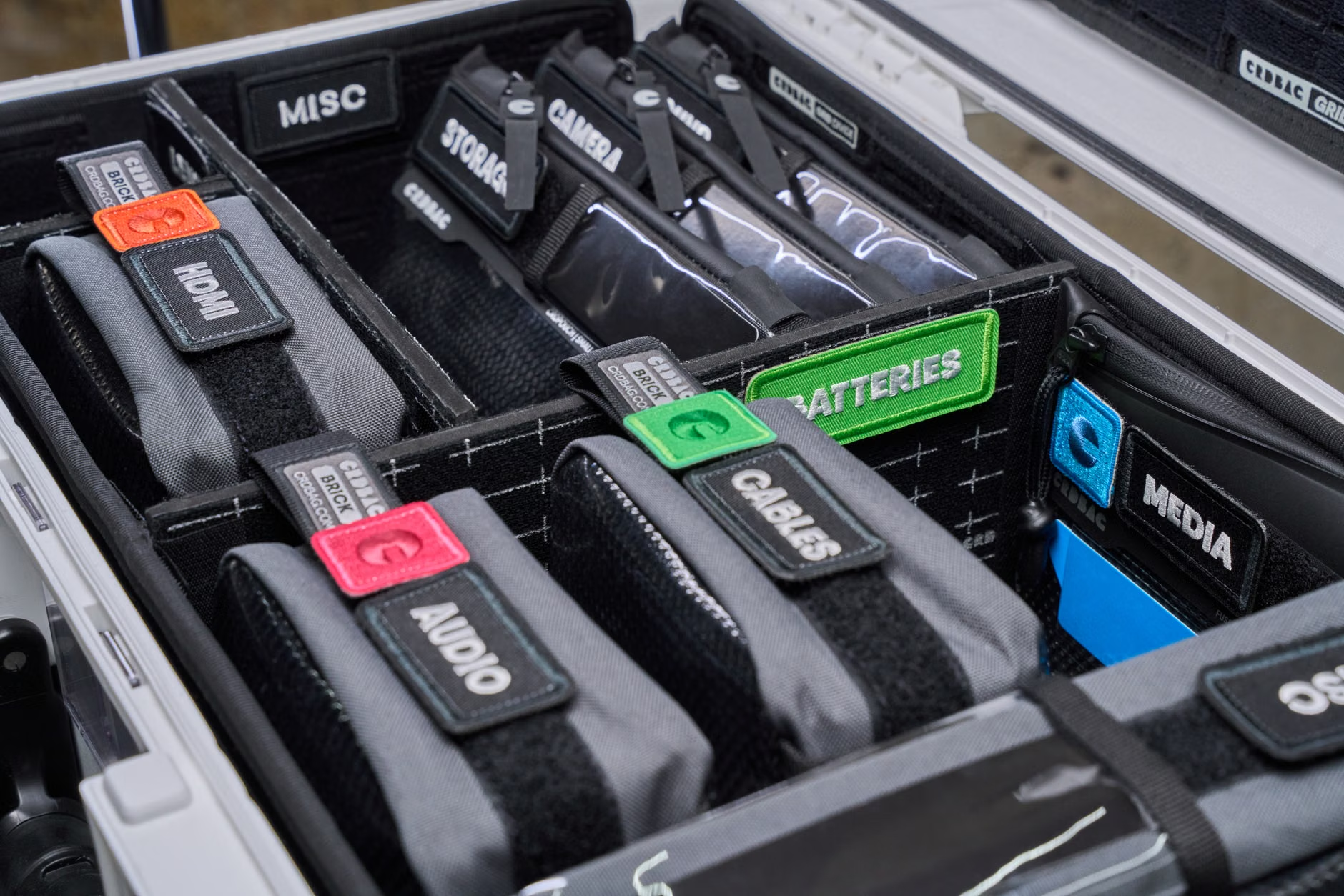
The “Digital Hand-off”: Streamlining Logistics for Three Generations
In your 30s and 40s, you are likely the one handling the apps, the bookings, and the navigation. However, relying on one person to be the “source of truth” for the entire trip is a recipe for burnout. You need to distribute the digital load. Use a shared family cloud folder (like Google Drive, iCloud, or a shared Notion page) that everyone can access.
What to include in your shared digital folder:
- The Itinerary: A simple, chronological list of flights, check-in times, and reservation codes.
- The “Who’s Who” List: A document with everyone’s passport numbers, travel insurance policy numbers, and emergency contact details.
- Offline Maps: Downloaded maps of the destination area. Relying on roaming data is risky, especially for older family members who may not be comfortable with modern connectivity settings.
A common mistake: Assuming everyone knows how to use the same app. If your parents are not tech-savvy, do not force them to use a complex itinerary app. Instead, print a “Cheat Sheet” for them with the most critical information: the hotel address, the contact number for the person in charge, and their own flight details. Keep the digital tech for the parents and older teens, and keep the paper for the grandparents. It’s a hybrid approach that respects everyone’s comfort level.

Handling the “Gear Gap”: Mobility and Entertainment
The gear required for a three-year-old is vastly different from the gear for a 75-year-old. The goal here is to balance “being prepared” with “not being a pack mule.”
For the Kids: The “Newness” Factor
Parents often over-pack toys. Instead, prioritize small, “new” items that can keep a child occupied for long periods. Think sticker books, magnetic drawing pads, or a new coloring book. The novelty factor is worth more than a dozen familiar toys from home. Also, keep the snacks separate from the main luggage. Pack a “snack survival” bag that is easily accessible under the seat in front of you.
For the Seniors: The “Weight and Accessibility” Factor
If a grandparent requires a cane or a lightweight walker, ensure it is tagged as “gate-checked” rather than checked at the counter. This allows them to use it until the very last moment before boarding the plane. Furthermore, check the weight of their carry-on. A heavy bag can be a significant strain on older joints, even if they are fit. Consider using luggage with four-wheel spinners, which are much easier to maneuver than two-wheeled bags that require pulling weight.
Common Pitfalls and How to Avoid Them
Even with the best planning, things will go wrong. The key is knowing how to mitigate the most common risks. One frequently overlooked issue is the “charging scramble” at the hotel. After a long day of sightseeing, everyone wants to charge their phones, tablets, and cameras at the same time. If your hotel room only has two usable outlets, you are in trouble. Pack a compact, international-ready power strip or a high-capacity power bank. This simple addition saves hours of frustration.
Another pitfall is ignoring the “transition time” in your schedule. When packing, we often build itineraries that assume we can move as fast as a single traveler. In reality, moving a group of three generations—especially with kids and seniors—takes twice as long. Pack your schedule with “buffer zones.” If you are packing for a trip that involves a lot of walking, ensure that the shoes you pack for the grandparents are already broken in. A new pair of shoes on a trip is a guaranteed way to end up with blisters and a grumpy traveler.
Finally, consider the “personal space” requirement. Even when traveling as a family, everyone needs a moment to themselves. When packing, encourage each family member to bring one “comfort item” that allows them to disconnect—a pair of noise-canceling headphones, a physical book, or a tablet with pre-downloaded movies. This isn’t just about entertainment; it’s about mental preservation.
The Decision Framework: How to Prioritize What to Pack
When you are staring at a pile of clothes and gear, use this simple “Three-Day Rule” to decide what stays and what goes. If an item is not used at least once every three days, or if it isn’t an absolute necessity for health or safety, it is probably dead weight. This rule is especially helpful for the “just in case” items that parents tend to pack for their children.
Additionally, apply the “Can I Rent It?” test. If you are packing a bulky item like a high chair, a specialized stroller, or even certain sports equipment, check if the hotel or a local rental service provides it. Many modern hotels and travel services offer “baby-ready” rooms or equipment rentals that can save you significant space and stress.
Final Thoughts: Embracing the Chaos
Intergenerational travel is a high-reward experience, but it requires a high-effort setup. By centralizing your logistics, focusing on health continuity, and respecting the different physical and mental needs of each generation, you can minimize the stress and maximize the memories. Remember, the goal isn’t a perfectly packed suitcase; it’s a trip where everyone feels supported, safe, and ready to enjoy the destination.
When you feel overwhelmed by the packing list, take a breath. Remind yourself that you have the tools, the digital backup, and the squad-based strategy to handle whatever comes your way. Pack the essentials, delegate the rest, and focus on the time you get to spend together. That is, after all, why you are going.
Frequently Asked Questions
1. How do I balance the needs of toddlers and grandparents in one suitcase?
Don’t mix them. Use separate packing cubes for each person, even if they share a large suitcase. This keeps the toddler’s diapers and clothes away from the grandparent’s medications and formal wear, preventing cross-contamination and making it easier to find items quickly.
2. What should I absolutely NOT pack for a multi-generational trip?
Avoid packing “just-in-case” electronics or bulky comfort items that can be easily sourced at your destination. Unless you are going to a very remote location, things like extra shampoo, basic snacks, or heavy books can be bought or accessed digitally, saving you precious weight and space.
3. How do I handle the “tech gap” when my parents are not good with travel apps?
Adopt a “hybrid” documentation strategy. Keep the primary itinerary digital for your own efficiency, but create a simplified, one-page physical “Cheat Sheet” for the grandparents. Include only the most vital details: hotel name and address, your contact number, and their flight times. This provides them with independence and you with peace of mind.
For more information on international travel safety and health guidelines, you can visit the World Health Organization’s travel advice portal. Always check your specific destination’s official government tourism website for the latest entry requirements and local regulations.