The most important takeaway for parents navigating the “zero-proof” trend is that it isn’t about giving up the ritual of an evening drink; it is about reclaiming your morning energy without sacrificing the sophistication of a social glass.
Key Takeaways:
- Prioritize Complexity Over Sugar: Modern zero-proof drinks are moving away from syrupy fruit juices toward botanical, bitter, and savory profiles that mimic the “burn” and depth of alcohol.
- The “Morning-After” ROI: For parents in their 30s and 40s, the primary benefit is the elimination of “hangover fatigue,” allowing for consistent, high-quality interaction with children even after a social night.
- Social Integration is Key: Choosing high-quality non-alcoholic spirits or shrubs allows you to participate in the social ritual of “having a drink” without the physical and cognitive impairment that follows.
If you are in your 30s or 40s, you have likely noticed a shift. The Friday night glass of wine or the post-work beer isn’t quite the same as it was in your 20s. You wake up earlier, your kids don’t care that you had a late night, and the “recovery time” from even a moderate amount of alcohol has stretched from a few hours to an entire day of sluggishness. This is why the zero-proof movement—a cultural shift toward high-quality, non-alcoholic beverages—is gaining serious traction among parents globally.
Why the “Zero-Proof” Shift Matters for Busy Parents
Being a parent in your 30s and 40s is a high-stakes balancing act. Between professional responsibilities, school runs, and maintaining a household, your “bandwidth” is constantly stretched. Alcohol, even in moderation, acts as a depressant and a sleep disruptor. When you are already operating on fragmented sleep, adding alcohol to the mix creates a compounding effect on your physical and mental health.
The zero-proof trend is not necessarily about total abstinence or a moral stance on drinking. Instead, it is a pragmatic lifestyle hack. It allows you to maintain the social ritual of unwinding at the end of the day or participating in a dinner party without the physiological tax of ethanol. The goal here is to keep the “adult” experience of a complex, flavorful drink while shedding the side effects that hinder your ability to show up for your family the next morning.
Consider the “Ritual Replacement” theory. Many of us drink not just for the alcohol, but for the pause button it provides. By switching to a zero-proof alternative that requires preparation—muddling herbs, slicing citrus, or stirring a tonic—you are still signaling to your brain that the workday is done. You are performing the ceremony of relaxation without the chemical intervention.
The Evolution of Non-Alcoholic Beverages: From Syrup to Sophistication
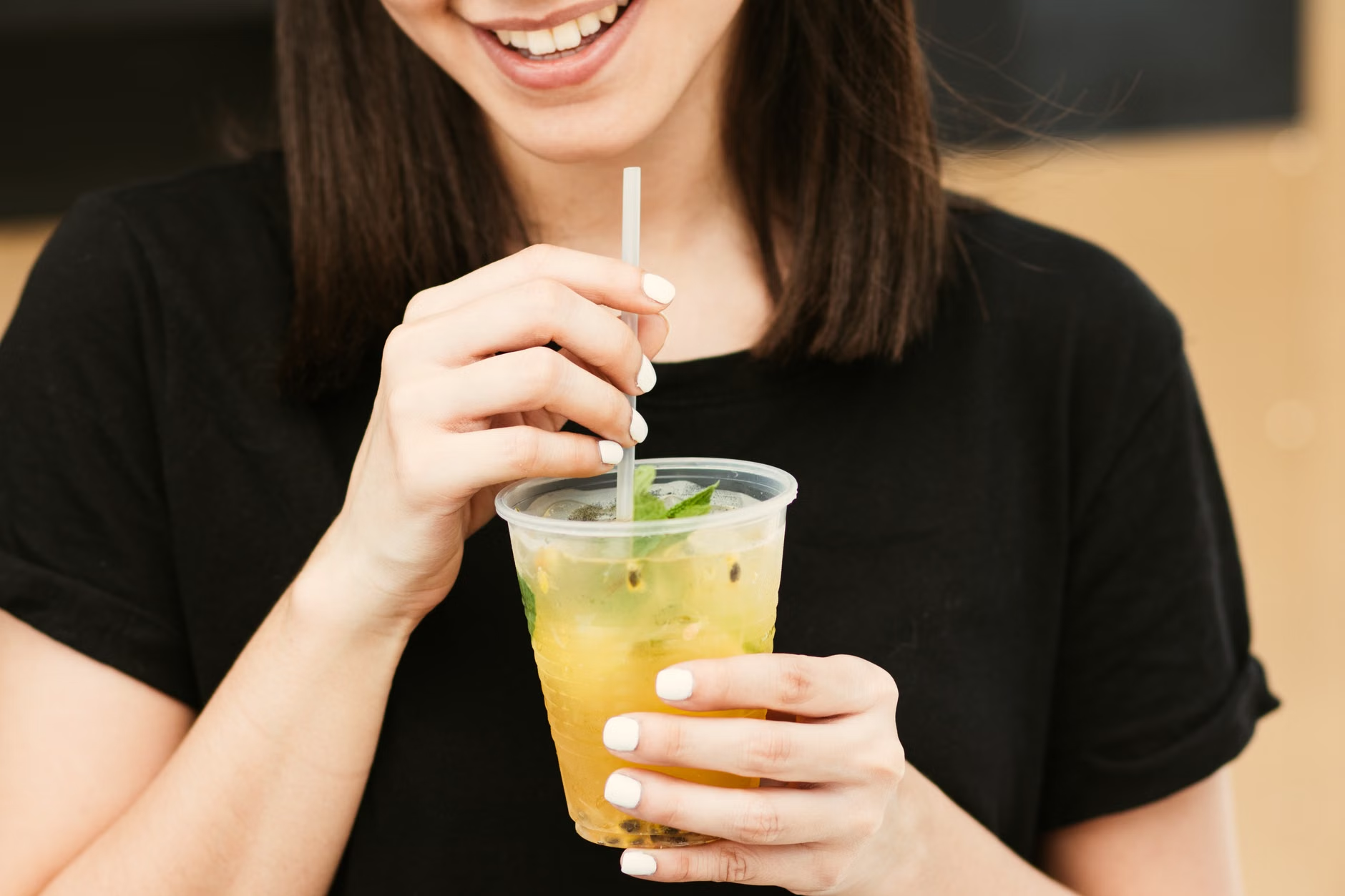
A decade ago, your non-alcoholic options at a restaurant were limited to club soda with lime or cloyingly sweet fruit mocktails that tasted like something meant for a child’s birthday party. The market has changed dramatically. We have entered the era of the “complex mocktail.”
Today’s zero-proof market is dominated by three main categories:
| Category | Best For | Flavor Profile |
|---|---|---|
| Non-Alcoholic Spirits | Mixing into classic cocktails (e.g., NA Gin & Tonic) | Botanical, earthy, often includes juniper, cardamom, or ginger. |
| Shrubs & Vinegars | Adding acidity and depth to sparkling water | Tangy, complex, provides a “bite” similar to alcohol. |
| Adaptogenic Beverages | Relaxation and stress relief | Herbal, floral, often contains ingredients like ashwagandha or L-theanine. |
The key to choosing the right drink lies in understanding what you are actually looking for. If you miss the “burn” of whiskey, look for products that utilize ginger or chili extracts to provide that tactile sensation. If you miss the bitterness of an aperitif, look for botanical blends that utilize gentian root or cinchona bark.
The “Burn” Factor: Why It Matters
One of the most overlooked variables in the shift away from alcohol is the sensory experience of the “burn.” Ethanol provides a sharp, warming sensation on the palate that acts as a sensory milestone. Many low-quality mocktails fail because they are just sugar and water, which feels “flat.” When shopping for zero-proof options, look for ingredients like cayenne, black pepper, ginger, or heavy concentrations of botanicals that provide a lingering finish.
Real-World Implementation: Building Your Home Bar
You don’t need a massive investment to start your zero-proof journey. In fact, cluttering your home with expensive, niche bottles is a common mistake. Start by curating a “base” for your evenings.
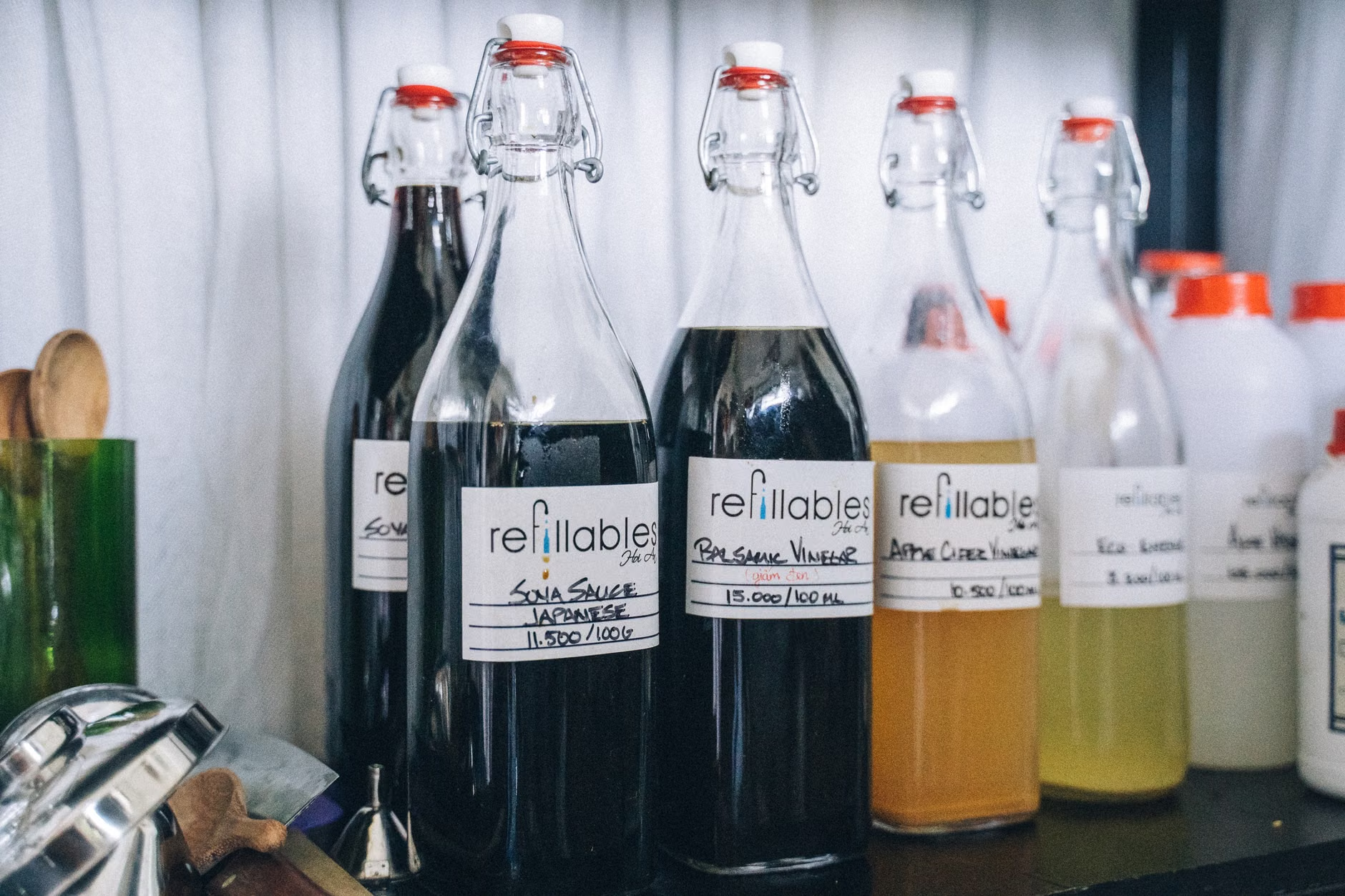
Step 1: The Acid Foundation. Keep a bottle of high-quality drinking vinegar or a shrub (a syrup made of fruit, sugar, and vinegar). This provides the acidity that alcohol usually carries. A splash of apple cider vinegar shrub in sparkling water with a slice of cucumber is far more interesting than a plain soda.
Step 2: The Botanical Infusion. Invest in one or two high-quality non-alcoholic spirits. Research reputable brands in your region; in the UK and Europe, many brands have emerged that mimic the distillation process of gin or rum. In the US, there is a strong focus on adaptogenic blends. Choose one that aligns with your flavor preferences—if you like smoky, look for oak-aged profiles; if you like fresh, look for floral profiles.
Step 3: The Garnish. This is not an aesthetic choice; it is a functional one. Using fresh rosemary, thyme, or a scorched orange peel changes the olfactory experience of your drink. When you smell the aromatics before you take a sip, your brain anticipates the complexity, which makes the drink feel more “adult” and satisfying.
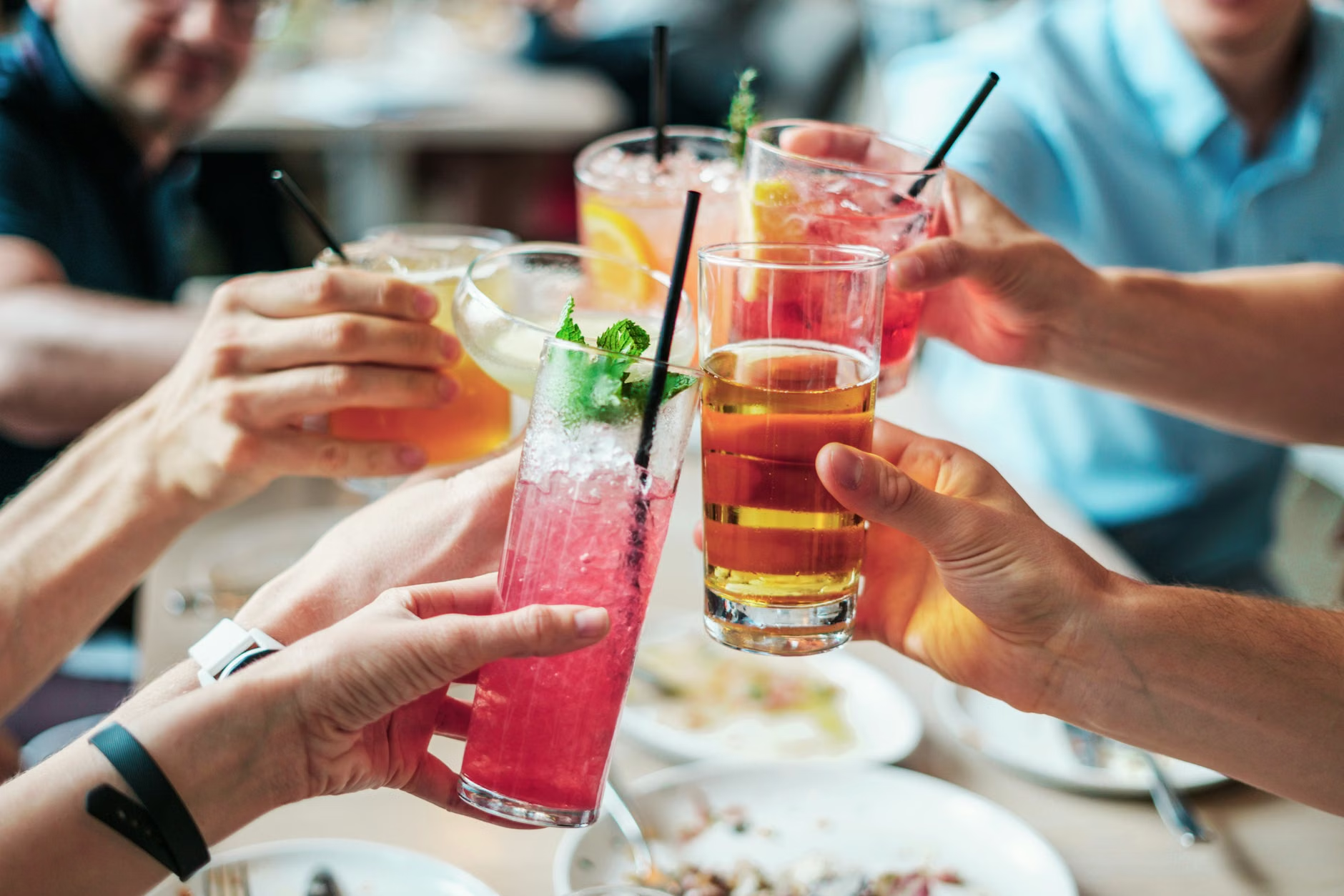
One of the hardest parts of the zero-proof lifestyle is the social pressure. In many cultures, the act of drinking is deeply tied to bonding. When you decline alcohol, you may feel like you are signaling a “judgment” of others, which can create friction. The trick is to normalize your choice without making it a “thing.”
If you are at a dinner party, arrive with a bottle of a sophisticated zero-proof spirit as a gift. It shifts the narrative from “I am not drinking” to “I am excited to share this interesting new find.” It turns your choice into a positive contribution to the event rather than an exclusion.
Another common mistake is feeling the need to explain yourself. You don’t owe anyone a dissertation on your health goals or your parenting schedule. A simple, “I’m taking a break from alcohol for a while, but this drink is incredible—you should try it,” is usually sufficient. Most people will be more interested in the drink than your reasons for choosing it.
Common Misconception: “It’s Just Expensive Juice”
Critics of the zero-proof movement often point to the price. It is true that a bottle of high-end non-alcoholic spirit can cost as much as a decent bottle of wine or whiskey. However, look at the cost-benefit analysis. You are paying for the labor-intensive process of removing alcohol while retaining the flavor compounds, or the cost of high-quality botanical extracts. When you compare it to the cost of a cocktail at a bar, it is significantly cheaper. When you compare it to the “cost” of a hungover Saturday morning where you are less present for your kids, the value proposition becomes clear.
The Hidden Trade-Offs: What to Watch Out For
While the zero-proof trend is overwhelmingly positive, there are nuances to consider. Some non-alcoholic beverages are loaded with sugar to compensate for the lack of alcohol’s “mouthfeel.” If you are drinking these regularly, check the nutritional labels. You don’t want to trade alcohol for a massive spike in glucose.
Also, be wary of the “placebo effect” regarding adaptogens. Some marketing claims suggest these drinks will make you “feel” relaxed or focused. While ingredients like L-theanine or ashwagandha have documented effects, they are not magic. Treat them as mild supplements rather than a replacement for actual stress-management techniques like exercise or sleep hygiene.
Finally, consider the “trigger” effect. For some, the taste of a zero-proof drink that closely mimics alcohol can be a psychological trigger that makes them crave the real thing. If you find yourself feeling more anxious or obsessed with alcohol after having a mocktail, it might be better to move toward beverages that don’t try to mimic alcohol at all—like high-end sparkling teas or infused mineral waters.
Practical Decision-Making: Which Path is for You?
How do you know which zero-proof route to take? Use this decision framework:
- If you want the social experience of a cocktail: Go for non-alcoholic spirits mixed with tonic or soda. Focus on the garnish and the glassware.
- If you want a functional health boost: Look for adaptogenic sodas or functional sparkling waters. Check the labels for sugar content.
- If you want a simple, low-effort evening wind-down: Stick to high-quality shrubs or artisanal sparkling teas. These provide a sophisticated flavor profile without the need for complex mixing.
The most important thing is to avoid the “all or nothing” trap. You don’t have to become a purist. You can enjoy a glass of wine on a special occasion and opt for zero-proof on a Tuesday night. The goal is to move toward intentional consumption. When you decide to drink, do it because you want to, not because it’s a default habit. When you choose not to, do it because you value the clarity and energy it brings to your life as a parent.
Ultimately, the zero-proof movement is about agency. It is about realizing that you have the power to define what a “reward” looks like at the end of a long day. By opting for a drink that respects your body and your schedule, you are making a quiet, powerful investment in your future self and your family.
Frequently Asked Questions
Q: Are non-alcoholic spirits really worth the price tag?
A: It depends on your usage. If you are a casual drinker, they are an excellent investment in the ritual of an evening drink without the negative health impacts. If you are looking for a cheap beverage, stick to shrubs or sparkling teas. The price reflects the complex botanical distillation process, not just the ingredients.
Q: Will my friends think I’m “boring” if I don’t drink?
A: This is a common fear, but rarely the reality. Most people are focused on their own drinks. By bringing a high-quality, interesting zero-proof option to share, you actually become the person who makes social gatherings more inclusive. It’s about the hospitality, not the ethanol.
Q: Are these drinks safe for everyone?
A: Most zero-proof beverages are safe, but check the labels if you are pregnant, nursing, or taking medication, especially if the drink contains herbal adaptogens like ashwagandha or ginseng. When in doubt, stick to simple fruit-and-herb-infused sparkling waters.
For more information on the evolving landscape of mindful drinking and the science behind alcohol’s impact on sleep and productivity, you can refer to resources from organizations like The National Institute on Alcohol Abuse and Alcoholism (NIAAA), which provides comprehensive data on how even moderate alcohol consumption affects the body.
Start small. Buy one bottle of a high-quality shrub or a non-alcoholic spirit this week. See how it changes your evening routine. You might be surprised by how much more “present” you feel, not just in the moment, but the morning after.