The secret to better home cooking isn’t a high-end appliance or a fancy subscription box; it is having fresh, living herbs within arm’s reach of your kitchen. By transitioning from the supermarket plastic-clamshell model to hyper-local balcony foraging, you can cut your grocery bill, reduce food waste, and gain a reliable source of flavor that is genuinely organic.
- Economic Efficiency: A single $4 supermarket herb pack equals the cost of an entire starter plant that produces for months.
- Strategic Placement: Light levels are the primary determinant of success; most culinary herbs require at least 6 hours of direct sunlight.
- Maintenance Routine: The “finger test”—checking moisture 2cm deep—is the only reliable way to prevent the most common urban gardening killer: overwatering.
If you are in your 30s or 40s, balancing a career, parenting, and the general chaos of modern life, the idea of “gardening” might sound like another chore on an already overflowing to-do list. However, urban balcony foraging is not about becoming a farmer; it is about reclaiming autonomy over your ingredients. There is a specific, quiet satisfaction in stepping onto your balcony to snip fresh rosemary for a roast or mint for a weekend tea, knowing exactly what soil and water went into the process.
Why Supermarket Herbs Are a Financial and Culinary Trap
We have all been there: you buy a plastic box of cilantro for a recipe, use half, and find it turned into a slimy, sad mess in the back of your refrigerator three days later. This is the “supermarket tax.” You are paying for the plant, the plastic packaging, the refrigerated transport, and the inevitable waste.
When you grow your own, you are not buying “ingredients”; you are buying “infrastructure.” One high-quality basil plant costs roughly the same as two store-bought packs. Yet, if maintained correctly, that plant will provide leaves for an entire season—or longer if you bring it indoors during the colder months. This is an investment in your kitchen’s efficiency. Beyond the economics, the flavor profile of a plant still attached to its root system is significantly more vibrant, as the essential oils haven’t begun the rapid degradation that occurs immediately after harvesting for mass-market distribution.
Assessing Your Balcony: The “Sunlight Audit”
Before you buy a single seed, you need to understand your space. Most urban balconies are not created equal. The orientation of your building dictates the success of your harvest. You need to perform a simple, low-tech “sunlight audit.”
Most culinary herbs—basil, rosemary, thyme, oregano, and parsley—are Mediterranean by origin. They crave light. If your balcony faces North, you are in a “shade zone,” where you will struggle with sun-loving plants. If you face South or West, you have a “high-performance zone.”
| Direction | Sunlight Quality | Best Herb Choices |
|---|---|---|
| South | Maximum (6+ hours) | Rosemary, Thyme, Oregano, Basil |
| West | Strong Afternoon Sun | Rosemary, Sage, Thyme |
| East | Gentle Morning Sun | Parsley, Mint, Chives |
| North | Minimal (Indirect) | Mint, Parsley, Chives |
If you have a North-facing balcony, don’t despair. You aren’t relegated to failure; you just need to pivot your strategy. Focus on shade-tolerant herbs like mint (which is invasive, so keep it in its own pot) and flat-leaf parsley. Do not attempt to grow rosemary or sage in deep shade; they will become “leggy”—stretching desperately for light—and eventually die from fungal issues caused by a lack of airflow and sun.
The Five Essential Herbs for the Busy Urbanite
If you want to maximize your utility, don’t start with 20 different plants. Start with these five, which represent the backbone of global home cooking. They are hardy, versatile, and high-yielding.
1. Basil: The High-Maintenance Diva
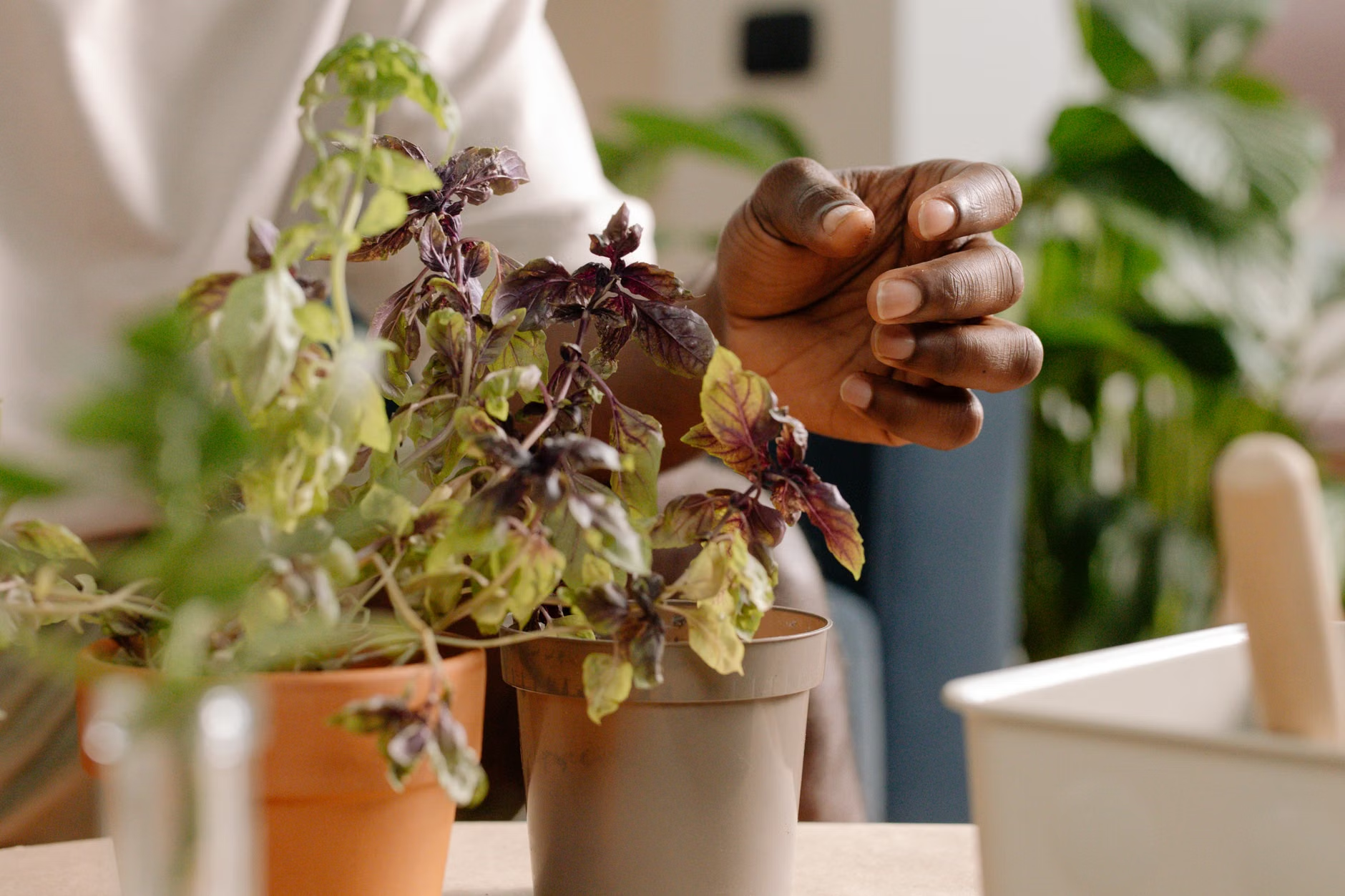
Basil is the most popular, yet the most commonly killed. It loves heat and moisture but hates “wet feet” (root rot). Decision Rule: If you see the leaves wilting, check the soil. If it’s dry, water it. If it’s soggy, move it to a sunnier spot. Never let it sit in a saucer of water.
2. Rosemary: The “Set-and-Forget” Perennial
Rosemary is a woody shrub that thrives on neglect. It prefers drier, sandy soil and plenty of sun. In many urban environments, it can survive year-round. Don’t over-water it; let the soil dry out completely between waterings.
3. Mint: The Aggressive Grower
Mint is practically indestructible, but it is a bully. It sends out runners that will choke out any other plant in the same pot. Always plant mint in its own container. It is perfect for North-facing balconies where other herbs struggle.
4. Thyme: The Rugged Groundcover
Thyme is incredibly hardy. It is perfect for small balconies because it grows horizontally. It is drought-tolerant and actually produces more intense flavor when it is slightly stressed by the sun.
5. Chives: The Reliable Perennial
Chives are the easiest herb to grow from seed. They are hardy and come back every year. They are great for adding a subtle onion flavor to eggs, salads, and potatoes without the tear-inducing effort of chopping large onions.
Executing Your Setup: Soil, Drainage, and Vertical Logic
The most common mistake beginners make is using “garden soil” from the ground. This is a recipe for disaster. Garden soil is too dense for pots; it compacts, suffocates roots, and prevents drainage. You must use a high-quality “potting mix” specifically formulated for containers. These mixes often contain perlite (the white, styrofoam-looking bits), which ensures aeration.
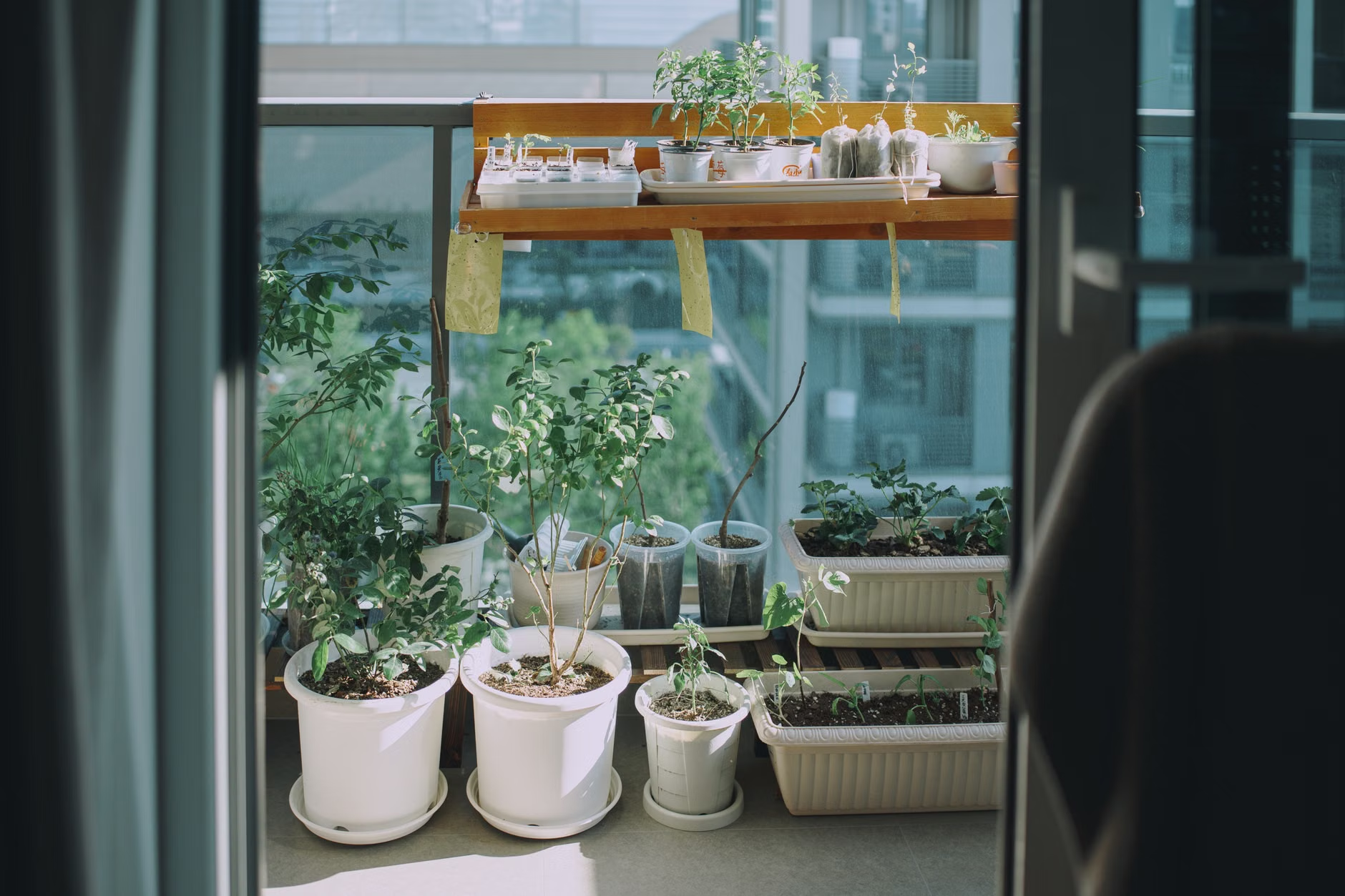
Drainage is your non-negotiable requirement. If your pot does not have a hole at the bottom, your plant will die. It is that simple. If you have decorative pots without holes, use them as “cachepots”—place a plastic nursery pot inside the decorative one, and remove it to water the plant in the sink, letting it drain fully before returning it to the decorative container.
If you are short on floor space, look up. Vertical gardening is not just for Pinterest; it is a necessity in urban living. Using wall-mounted pockets or tiered shelving allows you to increase your “growing footprint” without losing space for that balcony chair you actually use.
Managing the “Parenting-Gardening” Conflict
Let’s be realistic: if you have young children, your balcony garden needs to be “child-proof” and “low-maintenance.” Avoid heavy ceramic pots that can tip over easily. Use lightweight, durable plastic or fabric grow bags. These are excellent for urbanites because they provide superior root aeration and are impossible to break.
Involve your children in the watering process. It is a fantastic way to teach them about the lifecycle of food. Use a small, light watering can that they can handle. If they see the basil grow from a tiny leaf to a massive bush, they are significantly more likely to eat it in a salad or pesto. This is a “hidden” benefit of hyper-local foraging: it builds a culinary curiosity in children that no amount of lecturing can achieve.
Advanced Troubleshooting: Common Pitfalls
Even with the best intentions, things will go wrong. Here is how to handle the most common issues without panic:
- Yellowing Leaves: This is almost always a sign of overwatering or poor drainage. Check your saucer. If there is standing water, drain it. If the pot is heavy, let it dry out for a few days.
- Brown, Crispy Edges: This is usually a sign of sun-scorch or lack of humidity. If you are in a very hot climate, your plant might need a bit of shade during the peak 2:00 PM sun.
- Leggy Stems: Your plant is “reaching” for more light. Move it to a spot with more direct sun exposure.
- Aphids (Tiny green bugs): These are common on basil and mint. A simple, non-toxic fix is a spray bottle with water and a tiny drop of dish soap. Wipe the leaves down gently. Do not use heavy pesticides on plants you intend to eat.
Strategic Harvesting: The “One-Third” Rule
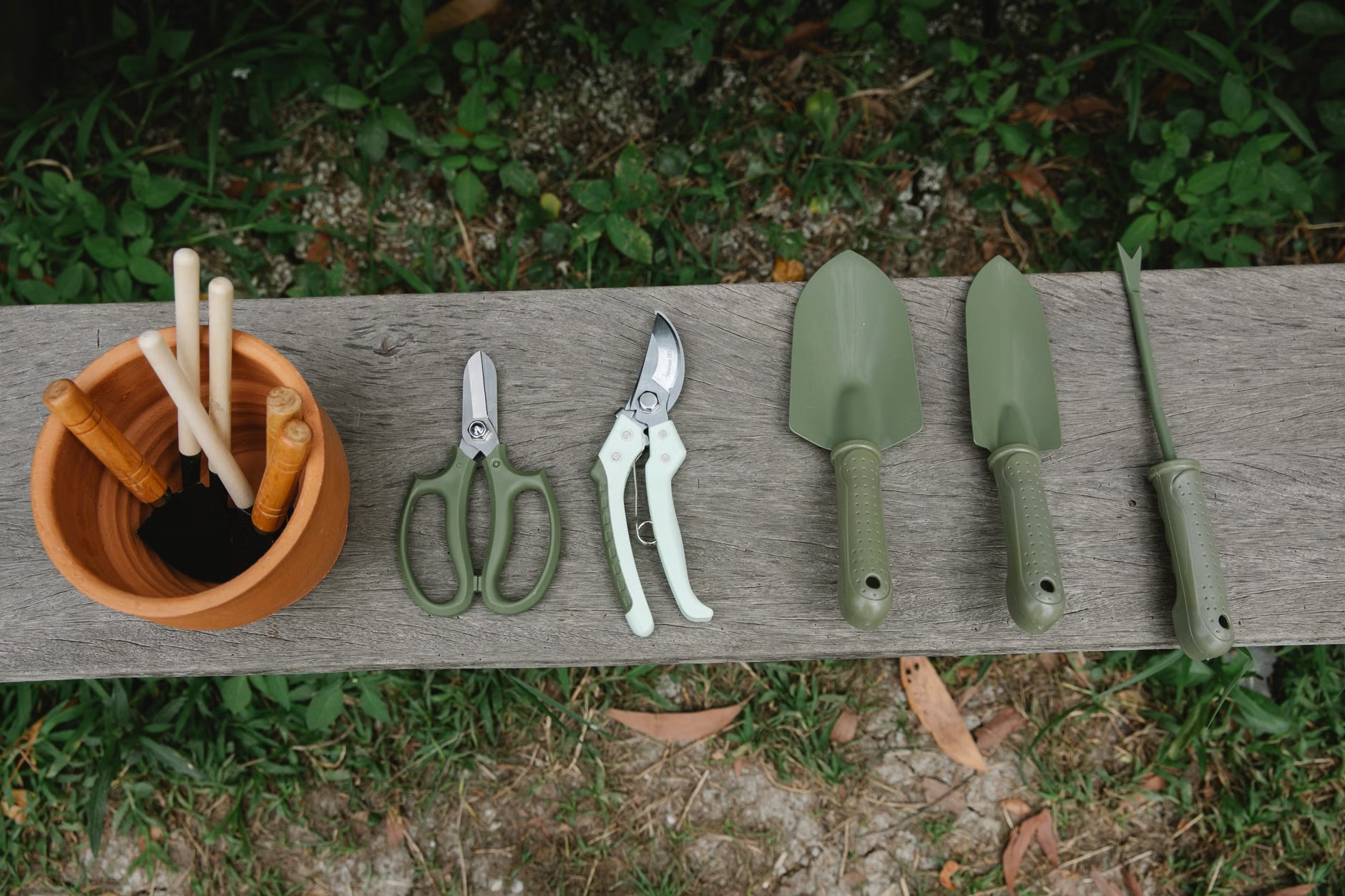
Many people are afraid to harvest their herbs. They treat them like museum pieces. You must harvest to encourage growth. The “One-Third Rule” is your guide: never remove more than one-third of the plant’s total foliage at any one time. This ensures the plant has enough leaf surface area to photosynthesize and recover.
For basil, always harvest from the top down. Cut just above a “node”—the point where two small leaves are emerging from the stem. This forces the plant to branch out, turning one stem into two, which ultimately leads to a bushier, more productive plant. If you only pick the top leaves, you are essentially “pruning” it for success.
The Hidden Costs and Trade-offs
While I advocate for urban gardening, there are realistic costs. You will need to buy potting mix every season (or refresh it with compost), and you will likely need to fertilize your plants. Because pots have a limited volume of soil, the nutrients get depleted quickly. Use a liquid organic fertilizer once every two weeks during the growing season. Do not over-fertilize; it leads to rapid growth that lacks flavor and makes the plant more susceptible to pests.
Another overlooked variable is wind. High-rise balconies can be surprisingly windy. Wind dries out plants rapidly. If your balcony is particularly exposed, you may need to water your herbs daily, even if the temperature isn’t record-breaking. This is the trade-off for the beautiful view.
Final Recommendation: Start Small, Iterate Often
Do not attempt to build a full-scale farm on your first weekend. Start with three plants: one basil, one rosemary, and one mint. Master the care routine for these three. Once you understand the specific light and water needs of these plants on your specific balcony, expand. The goal is not to have a perfectly manicured magazine-cover balcony, but to have a functional, productive space that adds value to your life.
If you find that herbs aren’t thriving, don’t blame your “black thumb.” It is almost always a matter of environmental variables—light, airflow, or drainage—that can be adjusted. Treat your balcony like an experiment. Take notes. If a plant dies, analyze why, adjust the variables, and try again. This is the essence of sustainable urban living: constant, incremental improvement.
Frequently Asked Questions
Q: Can I grow herbs in my kitchen instead of on the balcony?
A: Most culinary herbs require significantly more light than a standard kitchen window provides. While you can keep them inside for a few weeks, they will eventually become thin and weak. If you must grow indoors, you will need a dedicated LED grow light to simulate the intensity of the sun.
Q: How do I handle my herbs during the winter?
A: For perennials like rosemary and thyme, move them to the most sheltered part of your balcony or bring them inside near a sunny window. Basil is an annual; it will die in the cold. You can try to bring it inside, but it often struggles with the lack of light and dry indoor air. Most people treat basil as a seasonal crop and replace it annually.
Q: Is it cheaper to grow from seeds or buy starter plants?
A: Seeds are significantly cheaper, but they require more patience and a higher initial setup (seed trays, humidity domes). For someone in their 30s or 40s with limited time, buying small starter plants from a local nursery is the most efficient path to success. You get a head start, and the plant is already established enough to handle the transition to your balcony.
For further reading on optimal plant care, consult the Royal Horticultural Society’s guide to growing herbs in containers, which provides excellent, science-based advice on soil composition and container maintenance.