The most effective way to recover from the relentless pace of modern parenting is not a packed itinerary, but a deliberate shift toward “Quiet Tourism”—prioritizing low-stimulus, high-connection mountain retreats that strip away the noise of daily life.
- The 70/30 Rule: Dedicate 70% of your trip to “doing nothing” (unstructured time) and only 30% to planned activities to prevent vacation burnout.
- Digital Minimalism is Non-Negotiable: A retreat only works if you enforce a “tech-free zone” for both parents and children, replacing screens with physical engagement.
- Proximity Over Prestige: Choose locations within a 3-4 hour drive to minimize travel fatigue, which is the primary cause of family stress before the trip even begins.
If you are in your 30s or 40s, you likely know the specific brand of exhaustion that comes from “vacationing” with children. It often feels like you have simply moved your domestic labor—cooking, cleaning, and managing schedules—to a different zip code. You return home needing a vacation from your vacation. Quiet Tourism is the antidote. It isn’t about luxury resorts or bucket-list sightseeing; it is about choosing a mountain environment that naturally forces a slower tempo.
Why Mountain Retreats Are the Ultimate Reset for Exhausted Parents
The concept of “Quiet Tourism” isn’t just a marketing buzzword; it’s a physiological necessity for the modern brain. When we live in urban environments, we are constantly bombarded by what psychologists call “directed attention fatigue.” Between managing digital notifications, work emails, and the high-octane demands of parenting, your brain rarely gets to enter a state of “soft fascination”—the kind of restorative focus triggered by natural landscapes like mountains, forests, and moving water.
Mountains provide a unique sensory environment. The air is thinner, the light is different, and the sheer scale of the landscape acts as a psychological “perspective check.” For parents, this is crucial. When you are standing in a vast, quiet valley, the “emergency” of a missed deadline or a messy kitchen feels significantly smaller. This shift in perspective is the first step toward actual relaxation.
Furthermore, mountain retreats inherently limit options. Unlike a city break, where you feel compelled to visit museums, cafes, and landmarks, a mountain cabin offers fewer “to-dos.” This lack of options is a gift. It removes the decision fatigue that plagues parents. When there is nothing to “do” but walk to a stream or sit by a fire, the pressure to optimize your time evaporates.

Designing Your “Low-Stimulus” Itinerary
The biggest mistake parents make when planning a retreat is “over-programming.” You might think that by booking a guided mountain bike tour, a horseback ride, and a visit to a local farm, you are providing a “rich experience” for your family. In reality, you are just creating a high-stakes schedule that leaves everyone irritable.
Instead, adopt an “anchor activity” model. Pick one low-intensity activity per day—a short, flat trail hike, a picnic by a lake, or a stargazing session—and leave the rest of the day completely open. This allows children to engage in “boredom,” which is actually the precursor to creativity. When they aren’t being entertained by a pre-planned event, they start to notice the environment. They pick up rocks, observe insects, or simply sit with you. That is where the connection happens.
The “Unpacking” Phase
The first 24 hours of any trip are usually the most chaotic. To transition into Quiet Tourism, build in an “unpacking phase.” This means your arrival day should have zero expectations. No restaurants, no sightseeing. Just getting to the cabin, opening the windows, and letting the family get used to the silence. If you arrive at 3:00 PM, your only goal is to have dinner on the porch and be in bed by 9:00 PM. This resets your circadian rhythms, which are often disrupted by the blue light and erratic schedules of home life.
| Activity Type | Standard Vacation Approach | Quiet Tourism Approach |
|---|---|---|
| Nature Time | Summiting a peak to “conquer” it. | A slow walk to a stream with no destination. |
| Meals | Eating out at local “must-try” spots. | Simple, shared cooking with local ingredients. |
| Entertainment | Tablets, movies, and structured tours. | Card games, star charts, and storytelling. |
Managing the “Digital Detox” Without the Tantrums
You cannot have a quiet retreat if your devices are screaming at you. However, simply telling your children (or your spouse) to “put the phones away” rarely works. You need a structural approach to digital boundaries. The most effective method is the “Device Docking Station.”
Bring a small box or a dedicated basket and place it in the center of the cabin. When you arrive, all devices—yes, including yours—go into the dock. If you need to check the weather or look up a hiking trail, you do it, but then the phone goes back in the box. This creates a physical boundary that helps reduce the “phantom vibration” syndrome, where your brain feels like it’s missing an alert.
Common Mistake: Trying to go “cold turkey” for a week. If your family is used to high screen time, a sudden total ban will cause anxiety. Instead, allow for a “Digital Hour” in the evening where everyone can check their messages or play a game together. Knowing there is a set time for screens makes it much easier to stay off them during the day.
Choosing the Right Retreat: The “Accessibility vs. Isolation” Trade-off
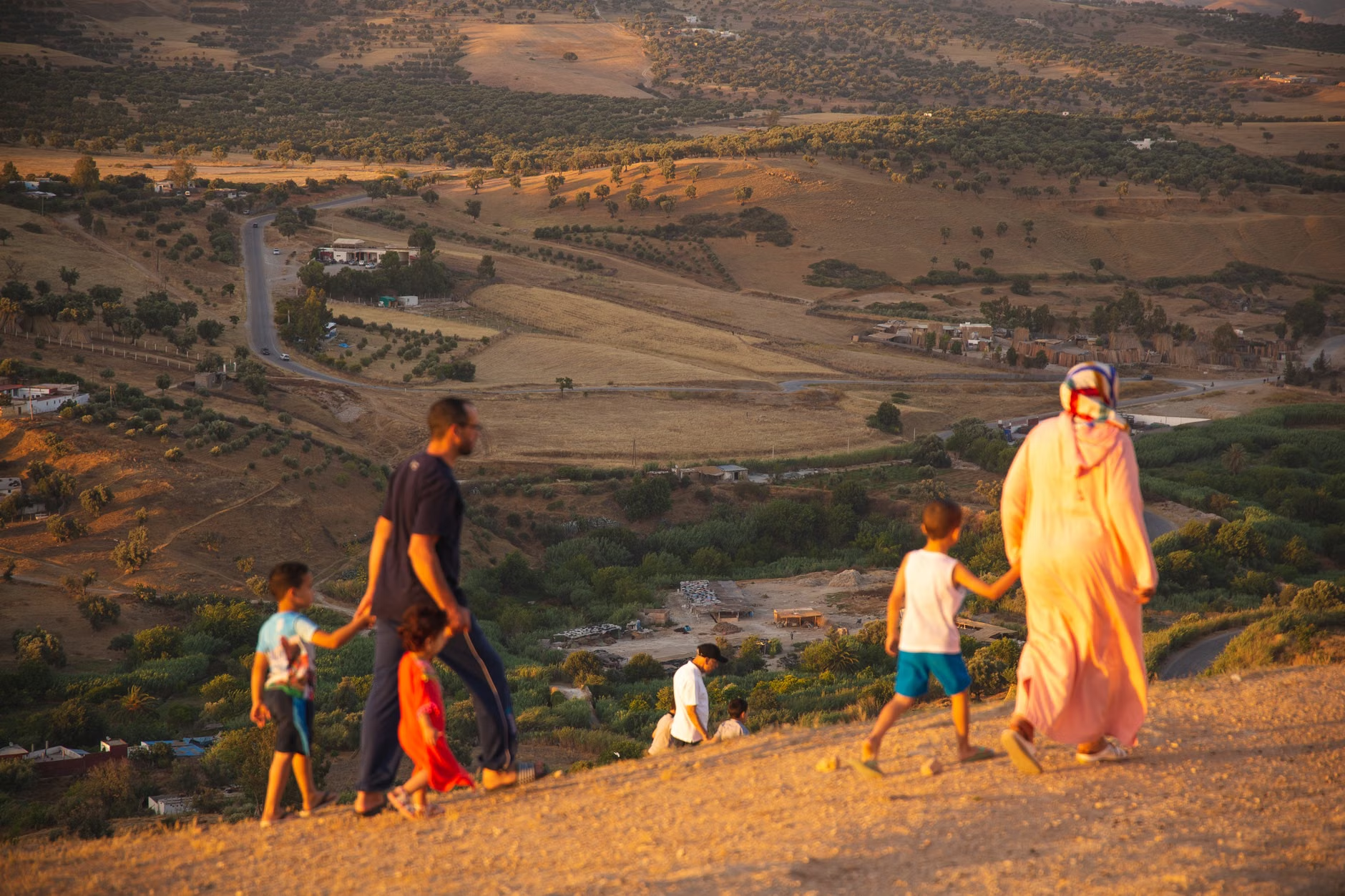
When selecting your location, you have to balance the need for total peace with the reality of having children. A remote cabin might sound idyllic, but if it takes two hours of driving on a winding road to reach a grocery store, you will spend your entire trip stressed about supplies. This is a classic “hidden cost” of mountain travel.
I recommend the “30-minute buffer” rule. Choose a rental that is within 30 minutes of a small town or village. This gives you the seclusion you crave while ensuring you can easily grab milk, medicine, or supplies without a massive logistical effort.
What to Look For in a Rental
When booking, filter for these three non-negotiable features:
- Outdoor Seating: A deck or porch is your primary living room. If the weather is decent, you want to be able to eat and relax outside.
- Kitchen Functionality: You are likely going to be cooking more than usual. Check the photos carefully—does the kitchen have a real oven? Is there enough counter space? A tiny, poorly equipped kitchen will turn cooking into a chore rather than a shared activity.
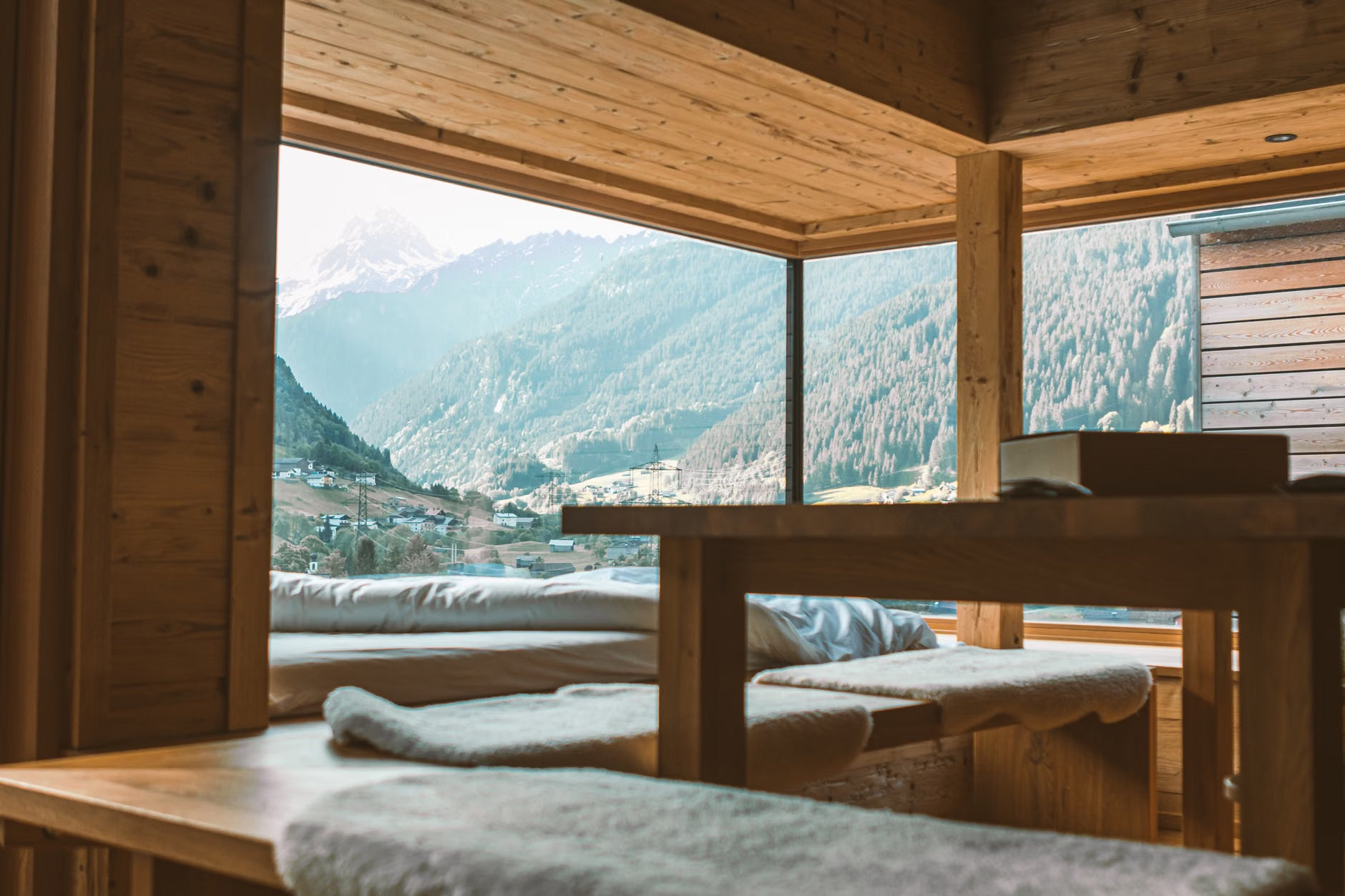
- The “View” Factor: It sounds obvious, but prioritize the view over the interior decor. You will spend 80% of your time looking out the window. A cabin with a mediocre interior but a stunning mountain view is infinitely better than a luxury interior that faces a parking lot.
The Hidden Costs of “Quiet”
There is a misconception that Quiet Tourism is cheaper because you aren’t paying for “experiences.” While you might save on tickets and tours, you will likely spend more on high-quality food and comfortable gear. Since you will be spending so much time in the cabin, the quality of your coffee, your tea, and your ingredients matters more than it would on a trip where you are dining out constantly.
Also, consider the “gear trap.” You don’t need expensive technical climbing gear. You need comfortable, layered clothing. Parents often overspend on high-end outdoor brands. For a quiet retreat, focus on comfort: wool socks, a really good fleece, and broken-in sneakers. If you are uncomfortable because of your clothes, you won’t want to go outside, and you will end up stuck indoors, leading to cabin fever.
How to Handle the “Transition Back”
The most jarring part of a retreat is the return to the “real world.” A common mistake is scheduling your return for Sunday evening, leaving you with zero buffer before Monday morning. This creates a “re-entry shock” that wipes out the benefits of your trip in about two hours.
If possible, plan to return home on a Saturday. Use Sunday as a “recovery day” where you unpack, do laundry, and slowly reintroduce the rhythm of the work week. This buffer is crucial for parents. It keeps the “mountain calm” alive for just a little bit longer, preventing the immediate rush to check emails and reorganize the household chaos.
Remember, the goal of Quiet Tourism is not to “fix” your life in one weekend. It is to remind yourself and your family that you are capable of functioning without the constant noise of modern life. It is about proving to yourselves that you can find joy in a simple game of cards, a cold breeze, or a shared meal. Once you have that proof, you can bring it back home with you.
Frequently Asked Questions
1. How do I keep my children from getting bored or restless in a quiet environment?
Boredom is actually the goal, not something to solve. When children are forced to slow down, they naturally begin to engage with their surroundings. Instead of bringing electronic entertainment, pack a “discovery kit”: a magnifying glass, a simple sketchbook, and a basic camera. Encouraging them to “find three different types of leaves” or “draw the mountain skyline” gives them a low-stimulus objective that keeps them engaged without the need for high-octane stimulation.
2. What should I do if the weather turns bad during our mountain retreat?
Bad weather is a part of the mountain experience and often forces the best memories. The key is to be prepared with “indoor-cozy” items: a board game you’ve never played, a long book to read aloud, or ingredients for a complex baking project. If you shift your mindset from “we are stuck inside” to “this is an opportunity to slow down even more,” the rain becomes a backdrop for relaxation rather than an obstacle to your plans.
3. Is “Quiet Tourism” appropriate for toddlers?
Yes, but you must adjust your expectations regarding safety and pace. Mountains can be rugged, so look for “family-friendly” cabin listings that specifically mention gated decks or proximity to paved or easy-terrain walking paths. The “Quiet” aspect is actually perfect for toddlers who are easily overstimulated by the noise and crowds of typical tourist attractions. A quiet mountain cabin provides a controlled, predictable environment where they can explore at their own speed.
Resources for Your Next Trip
- National Park Service: Plan Your Visit Safety Guide (Useful for understanding mountain terrain and basic safety protocols regardless of your location).
- REI Expert Advice: Hiking for Beginners (A great resource for ensuring your family is properly layered and comfortable for low-intensity walking).
Quiet Tourism isn’t a luxury; it’s a necessary reset. Start small, keep your expectations simple, and focus on the silence. Your family will thank you for it.