Three Key Takeaways for Sensory-Friendly Packing
- Texture consistency is key: Many children reject mixed textures (like soggy sandwiches); separating components prevents flavor and texture migration.
- Temperature management matters: Sensory-sensitive eaters often prefer specific temperatures; use thermal jars for warmth and insulated bags with gel packs for cold items to maintain predictability.
- Visual predictability reduces anxiety: Using compartmentalized containers allows children to see exactly what they are eating, which lowers the “surprise factor” that often triggers mealtime refusal.
If you have ever spent thirty minutes crafting the “perfect” school lunch only to find it returned home almost entirely untouched, you are not alone. For many children, the school lunchroom is a sensory minefield—noisy, chaotic, and filled with unpredictable food smells. When a child is sensitive to sensory inputs, the lunchbox isn’t just a source of nutrition; it’s a potential source of significant stress. Sensory-integration lunch packing is not about being a “Pinterest parent.” It is a functional strategy to help your child feel secure, regulated, and ready to eat during their school day.
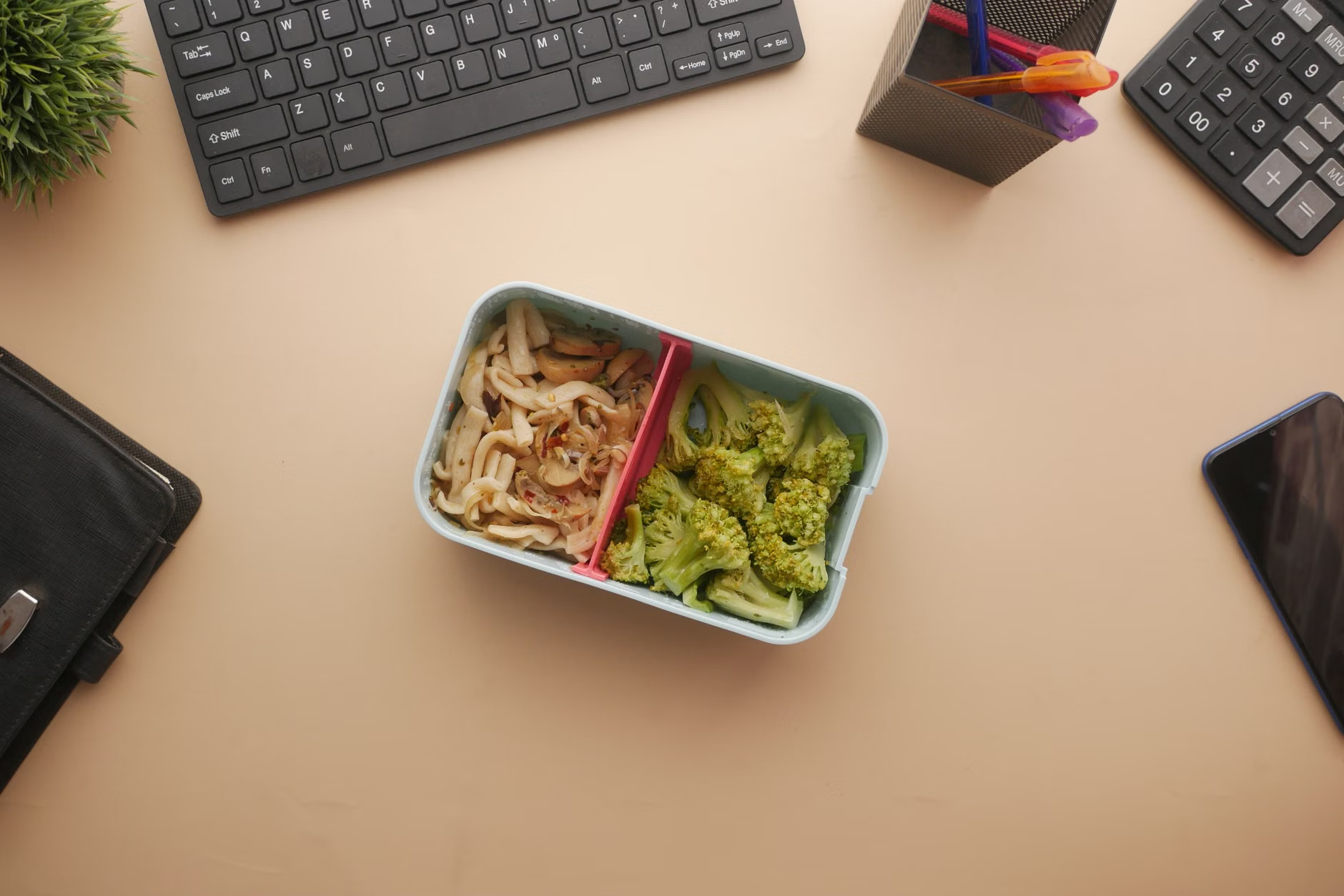
Why the Lunchbox Environment Impacts Regulation
To understand why a child might struggle with their lunch, we have to look at the intersection of sensory processing and executive function. For an adult, eating is a simple mechanical task. For a child with sensory sensitivities—whether they are neurodivergent or simply have a strong preference for routine—eating is a complex integration of sight, smell, touch, and proprioception (the sense of how much pressure they are using to bite or chew).
When food is “soggy” because a tomato touched a piece of bread, it creates a tactile “surprise” that can trigger an avoidant response. In a calm home environment, a child might be able to handle this. In a busy school cafeteria, where their sensory cup is already overflowing from the noise of clattering trays and the hum of fluorescent lights, that single soggy bread crust can be the straw that breaks the camel’s back. The goal of sensory-integration packing is to provide a “safe” eating environment that stays consistent regardless of the chaos outside.
We need to treat the lunchbox as a controlled variable. By providing consistent textures, predictable temperatures, and clear visual boundaries, we allow the child to focus on the act of eating rather than navigating the sensory input of the food itself.
The Physics of Texture: Why Separating Matters
The most common complaint from parents is the “mixed texture” rejection. A sandwich that sits for four hours becomes a landscape of varying moisture levels. The bread absorbs the moisture from the filling, creating a texture that is neither crisp nor soft, but something in between—which is often the most offensive texture for a sensory-sensitive eater.
The Strategy: The “Deconstructed” Approach. Instead of packing a sandwich, pack the components. Provide a slice of bread, a slice of cheese, and a piece of meat separately. This allows the child to assemble the bite they want, giving them agency and ensuring the texture remains exactly as they expect. This is not about catering to “picky” eating; it is about respecting the sensory threshold of the child.
Consider the following table when deciding how to pack specific food groups:
| Food Category | Common Sensory Trigger | Strategy for Success |
|---|---|---|
| Crunchy/Crisp | Getting soggy due to humidity | Use small, airtight containers; pack crackers separately from dips. |
| Soft/Pureed | Unpredictable temperature/viscosity | Use insulated thermal jars to keep warm, or keep very cold to maintain thickness. |
| Mixed/Wet | “Juice migration” to other foods | Use leak-proof, high-walled silicone dividers to isolate components. |
The table above highlights that the “failure” of a lunch is often a failure of packaging, not a failure of the food choice itself. If your child refuses carrots, it might not be the carrot—it might be that the carrot became warm and soft sitting next to a warm thermos. Using a lunchbox with deep, separate compartments prevents this cross-contamination of temperature and texture.
Temperature as a Sensory Anchor
Temperature is a vastly underrated factor in pediatric nutrition. Many children have a “temperature preference” that, if ignored, results in a total refusal to eat. Some children only accept food that is “room temperature,” while others find lukewarm food to be nauseating.
The “Thermal Mapping” Technique:
- Identify the preference: Does your child eat hot pasta cold? Do they refuse room-temperature fruit? Observe their eating habits at home.
- Pre-heat or pre-cool: If using a thermal jar, pour boiling water into it for five minutes, dump it out, then add the hot food. This ensures the food stays hot until lunch.
- Use dual-zone insulation: Do not pack a hot thermos directly against a cold pack. Use a divider or separate insulated pouches within the lunch bag.
Visual Predictability and the “Surprise Factor”
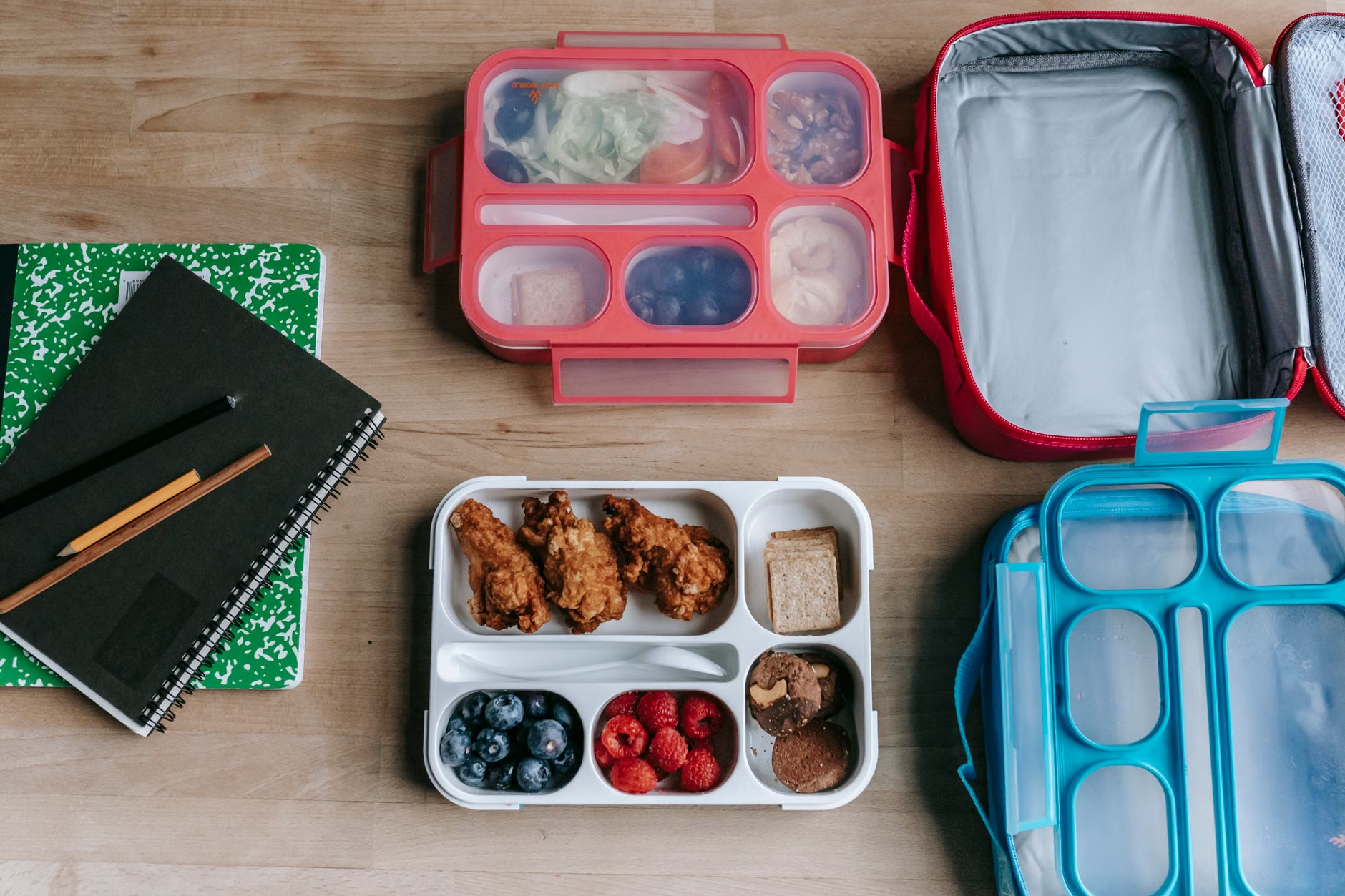
For many children, the anxiety of “what is in this?” can be overwhelming. If you pack a standard lunchbox where items are hidden under a napkin or stacked in a way that shifts during the bus ride, you are introducing an element of surprise. While some children thrive on discovery, sensory-sensitive children often find that “surprise” to be a cognitive load they are not prepared to handle.
Using a bento-style box with clear, fixed compartments allows the child to see the entire “map” of their meal before they take the first bite. This reduces the cognitive energy required to manage the lunch. It also provides a sense of accomplishment. When they see the container is empty, they have a clear visual cue that they have finished their task.
Actionable Tip: Use silicone liners. They are flexible, easy to clean, and they provide a “soft” edge. If your child is sensitive to the sound of plastic containers clicking or the feel of hard edges, silicone cups provide a quiet, tactile-friendly alternative that keeps the food contained while adding a bit of color and structure.
Beyond the food itself, we have to consider the “delivery system.” The lunchbox, the utensils, and even the napkin are part of the sensory experience.
If your child is sensitive to tactile feedback, consider the material of the utensils. Stainless steel can be “too cold” or have a metallic taste that interferes with the flavor of the food. Bamboo or high-quality plastic might be more neutral. Similarly, consider the closure mechanism of the lunchbox. Some latches are incredibly loud when snapped shut. In a quiet, focused classroom, that “click” might be a major sensory distraction. Look for “soft-close” or slide-lock mechanisms if your child is sensitive to auditory input.
It is also important to consider the “scent profile” of the lunch. Strong-smelling foods—even healthy ones like hard-boiled eggs or certain types of fish—can linger in a lunchbox and create an olfactory environment that is off-putting when the child finally opens the lid. If you are packing these items, ensure they are in a completely airtight, leak-proof container (the kind with a silicone gasket seal) to prevent the odor from permeating the rest of the lunch.
Steps to Implementing a Sensory-Integration Routine
Transitioning to a sensory-friendly lunch routine doesn’t happen overnight. It requires a bit of detective work. Start by involving your child in the process. Ask them, “Do you like the way this apple tastes when it’s cold, or does it make your teeth hurt?” or “Do you like it when your food touches, or do you prefer it in separate piles?”
Step-by-Step Implementation:
- The “Audit” Phase: For one week, look at what comes home. Is it the food that is left, or is it the *condition* of the food? Is the bread smashed? Is the fruit bruised?
- The “Tool” Phase: Invest in one or two high-quality, compartmentalized containers. Avoid the “baggie-in-a-bag” method, as plastic bags are loud, crinkly, and offer no structural protection for the food.
- The “Consistency” Phase: Once you find a system that works, stick to it. Sensory-sensitive children thrive on the “predictable container.” If the apple is always in the top-left corner, that becomes a safe, expected part of their day.
Common Pitfalls and How to Avoid Them
One of the biggest mistakes parents make is “over-packing” in an attempt to ensure the child eats *something*. While the intention is good, a box packed to the brim can be visually overwhelming. A child who is already feeling anxious might look at a crowded lunchbox and simply shut down.
The Rule of Three: Aim for three distinct items: a main (like a protein or grain), a fruit/vegetable, and a “safe” snack. Keep it simple. If they finish it, they can have more tomorrow. If they don’t, you haven’t wasted a massive amount of food, and you haven’t overloaded their sensory system.
Another common issue is the “new food” trap. School lunch is not the place to introduce a new texture or flavor. If you want your child to try roasted chickpeas, introduce them at home on a weekend. Once they have accepted that item as “safe,” then it can graduate to the lunchbox. The school lunchroom is a place for maintenance and comfort, not experimentation.
The Importance of Agency and Choice
Finally, remember that the ultimate goal of sensory-integration is to foster independence. As your child gets older, they should be the one managing these sensory preferences. By teaching them to identify what works for them—”I don’t like the texture of this bread when it gets wet”—you are giving them a vocabulary to advocate for their needs. This extends well beyond the lunchroom. It’s a foundational skill for understanding their own body and how they interact with the world around them.
If you feel like you are struggling, reach out to your child’s teachers. They see the lunchroom chaos firsthand. Ask them, “Does my child seem overwhelmed during lunch?” or “Is there a specific spot in the cafeteria that is quieter?” Sometimes, the solution isn’t in the lunchbox at all, but in the environment in which the child is eating. However, by controlling the variables within the lunchbox, you provide the best possible foundation for success.
For more information on sensory processing and how it affects daily life, you can explore resources from organizations like the American Occupational Therapy Association (AOTA), which provides excellent guides on understanding sensory integration in children. Additionally, the STAR Institute offers deep dives into how sensory processing disorder impacts daily routines, including school-based activities.
Frequently Asked Questions
1. My child only wants the same thing every day. Is this okay?
Yes, for now. If your child has a “safe” lunch that they eat consistently, that is a win. Sensory-sensitive children often rely on the predictability of the same meal to regulate their intake. Once they are consistently eating that “safe” lunch, you can slowly begin to rotate in a new item, but don’t feel pressured to force variety if it causes anxiety.
2. How do I keep bread from getting soggy without using plastic bags?
Use a rigid, airtight bento box. The key is to ensure the bread is completely cool before you pack it. If you put warm bread into a sealed container, the steam will condense and make the bread soggy regardless of the container. Let the bread cool on a wire rack before assembling the lunch.
3. What if my child refuses to use a thermal jar?
If they don’t like the weight or the way it opens, look for smaller, lighter-weight thermal containers specifically designed for children’s hands. Sometimes, the issue is not the temperature, but the physical difficulty of opening the lid. Practice opening and closing the jar at home until they feel confident using it independently.
Ultimately, your role is to be the architect of a safe, predictable eating space. By focusing on texture, temperature, and visual order, you are not just packing a meal; you are providing the sensory support your child needs to navigate their school day with confidence. Take a deep breath, keep it simple, and trust that you are doing exactly what is needed to support their unique way of experiencing the world.