The most successful multicultural gatherings today are defined not by what is served in the glass, but by the intentionality behind the menu, making the “zero-proof” approach—serving high-quality, non-alcoholic beverages—the gold standard for inclusive hosting.
Three Key Takeaways for the Zero-Proof Host
- Prioritize Complexity Over Mimicry: Instead of searching for “fake” alcohol, focus on complex flavor profiles using bitters, botanicals, and acids to create drinks that stand on their own merit.
- Cultural Sensitivity is a Design Tool: Understand that alcohol consumption is tied to religious, health, and personal values; a zero-proof bar removes the burden of choice for guests who don’t drink.
- The “Host’s Rule” of Presentation: Treat non-alcoholic drinks with the same glassware, garnishes, and storytelling as top-shelf spirits to ensure every guest feels equally celebrated.
If you are in your 30s or 40s, your social circle has likely shifted. Maybe your friends are becoming more health-conscious, perhaps some are navigating pregnancy, or maybe you have guests from cultures where alcohol is simply not part of the social fabric. The “zero-proof” movement isn’t just a trend; it is a practical, modern response to a diverse world where the “one size fits all” bottle of wine on the table no longer covers everyone.
Moving Beyond Soda and Juice: The Architecture of a Zero-Proof Menu
Many hosts default to sparkling water or sugary juices when they think of non-alcoholic options. This is a missed opportunity. To create a gathering that feels sophisticated rather than restrictive, you need to think about the structure of the drink. A great cocktail—alcoholic or not—relies on a balance of sweetness, acidity, bitterness, and body.
When you are building your menu, aim for three distinct categories to ensure you cover different palates:
- The Botanical/Bitter: These drinks provide the “bite” that people often miss when they skip alcohol. Use ingredients like tonic water, non-alcoholic bitters, or shrubs (syrups made with vinegar).
- The Acid-Forward/Refreshing: Perfect for warm weather or spicy food, these rely on lime, lemon, yuzu, or verjus to cleanse the palate.
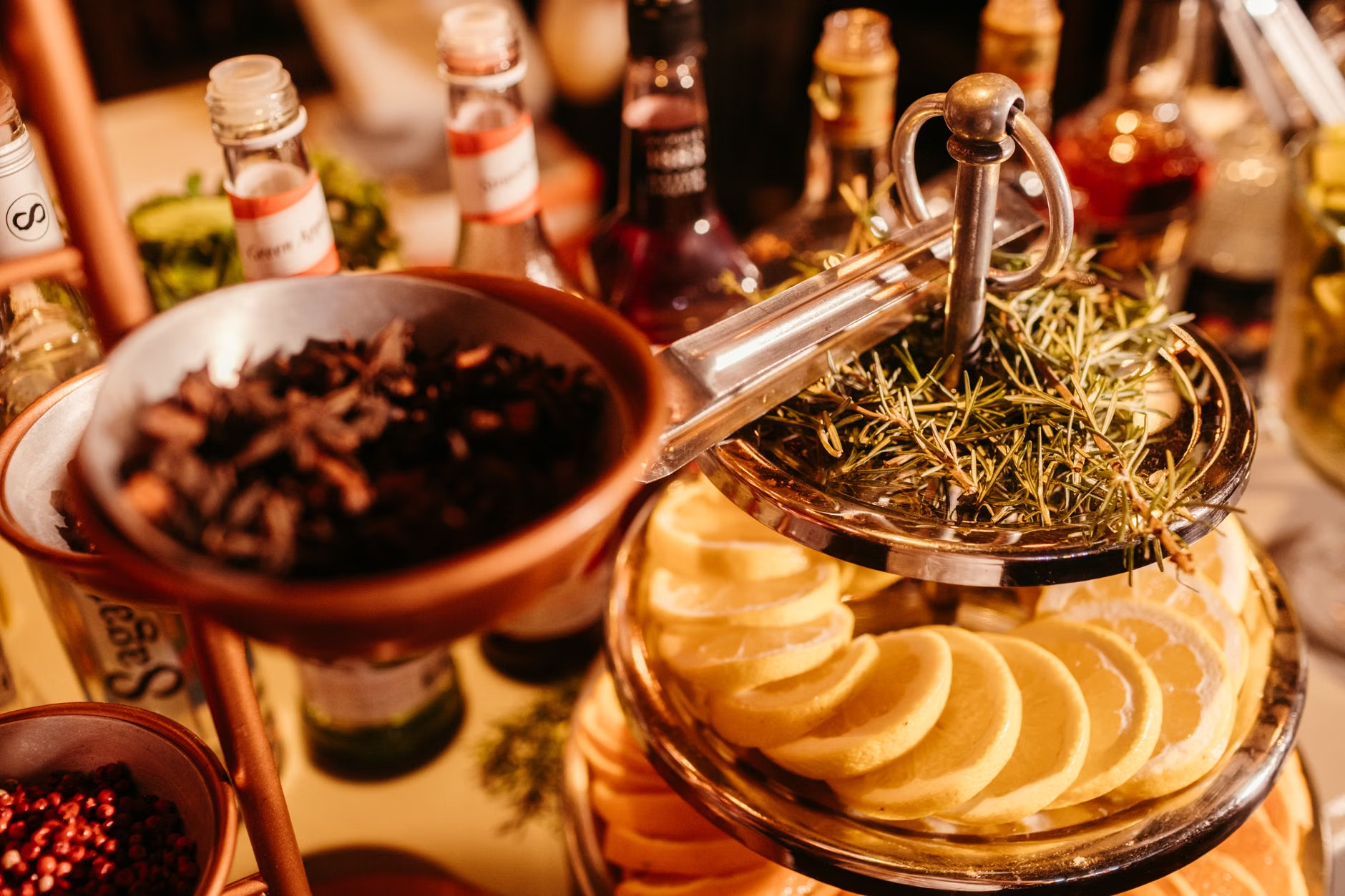
- The Savory/Complex: Think beyond fruit. Ingredients like cucumber, rosemary, sea salt, or even lapsang souchong tea can provide an earthy depth that feels “grown-up.”
The Rule of Three: Why Balance Matters
In a multicultural setting, you are likely serving a variety of cuisines. If you are hosting a dinner featuring bold, spicy dishes, a sugary mocktail will clash with the meal. Instead, pair spicy food with a cucumber-mint shrub with a splash of tonic—the acidity cuts through the heat, and the bubbles provide a light finish.
Common Mistake: Relying on “mocktail” kits that are essentially fruit juice and simple syrup. These are often cloying and don’t provide the sophistication expected by an adult palate. Instead, invest in high-quality non-alcoholic spirits (distilled botanicals) or create your own infusions.
The Cultural Nuance of Hosting
Hosting for a diverse group requires more than just good taste; it requires an understanding of why people choose not to drink. For some, it is a matter of religious observance. For others, it is a health decision, a personal preference, or a temporary phase like pregnancy or training for a marathon.
When you make the entire bar zero-proof, you remove the social pressure. You aren’t “singling out” the person who isn’t drinking; you are elevating the experience for everyone. This is a subtle but powerful way to signal to your guests that their comfort is your priority.
However, be aware of the “hidden ingredients.” If you are using non-alcoholic spirits, always check the label. Some brands use trace amounts of alcohol (less than 0.5% ABV). While this is technically non-alcoholic by most international standards, it might not be suitable for someone who strictly avoids alcohol for religious or medical reasons.
| Ingredient Type | Best For | Why It Works |
|---|---|---|
| Shrubs (Vinegar Syrups) | Spicy or rich food | Acidity provides the “burn” and complexity of alcohol. |
| Botanical Infusions | Pre-dinner drinks | Provides aromatic depth without the weight of sugar. |
| Verjus | Wine alternatives | The juice of unripened grapes; offers the tartness of dry wine. |
Decision Rule: If you are unsure about the specific needs of your guests, keep the labels of your ingredients visible or place them on a small card next to the drink station. Transparency is the ultimate sign of a thoughtful host.
Logistics: Setting Up Your Zero-Proof Station
The biggest barrier to successful hosting is usually the “workload.” We often stick to alcohol because it is easy: open a bottle, pour into a glass. To make zero-proof hosting just as easy, your setup needs to be streamlined.
Batching Your Drinks
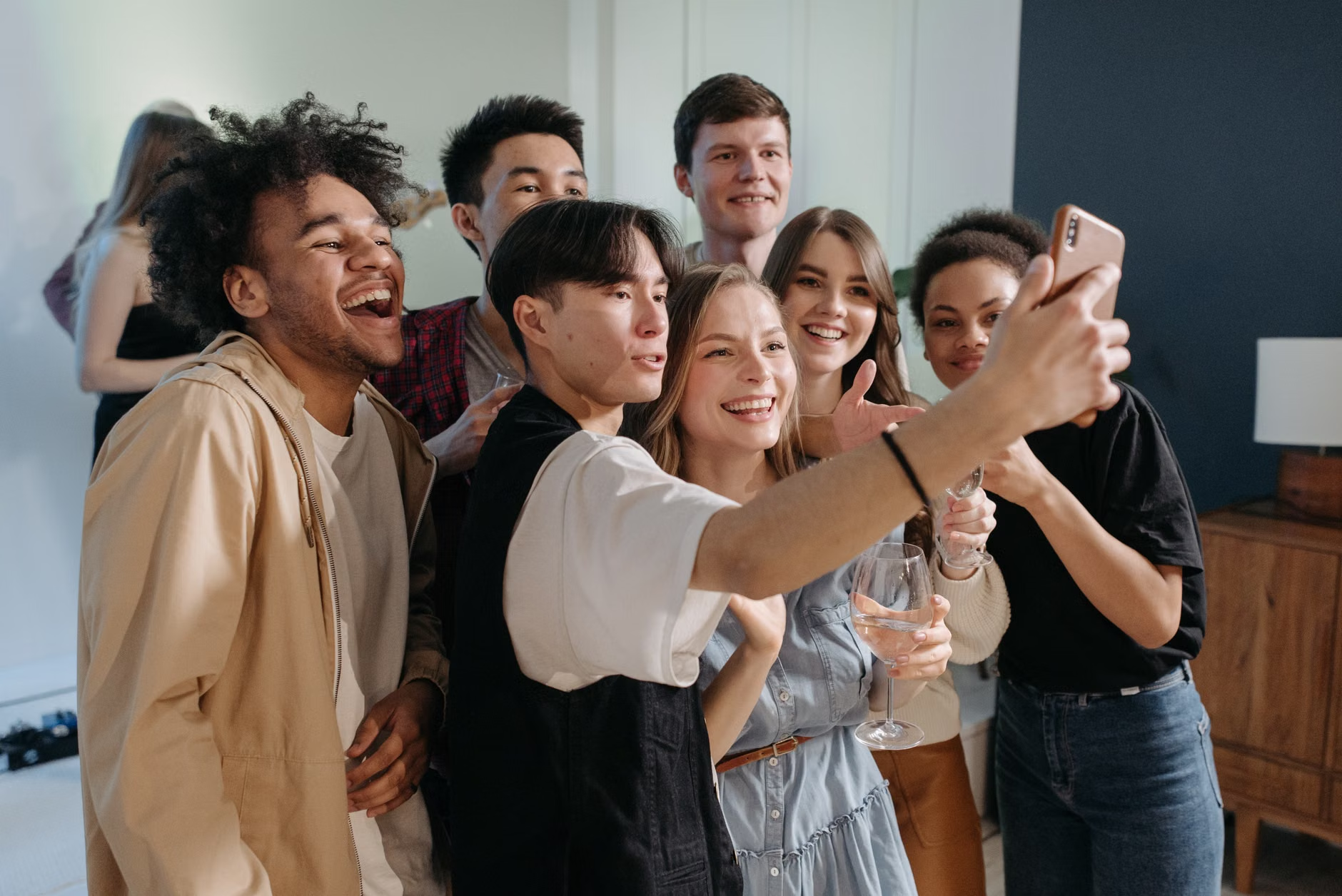
Do not try to play bartender all night. Batching your zero-proof drinks into large pitchers or decanters is a lifesaver. Prep your base (the botanical mix or the shrub) in advance. When guests arrive, they only need to add ice, a splash of sparkling water or tonic, and a fresh garnish.
The Glassware Factor
Never serve your carefully crafted zero-proof drinks in plastic cups or standard water tumblers if you are serving wine or spirits in crystal. Use your best glassware. The weight and feel of the glass in the hand are psychological cues that tell the guest they are receiving a “proper” drink. If the drink looks like a cocktail, it is treated like one.
Beyond the Glass: The Role of Food Pairing
In many cultures, the beverage is an extension of the meal. If you are serving a Mediterranean-inspired spread, a heavy, syrupy drink will feel out of place. Match your drink’s profile to the region of your food.
- Middle Eastern/Mediterranean: Rose water, pomegranate, mint, and yogurt-based drinks (like salty lassi) work beautifully.
- East Asian: Yuzu, ginger, shiso leaf, and green tea bases are refreshing and pair well with umami-rich dishes.
- Latin American: Hibiscus (jamaica), tamarind, and lime-based drinks offer the necessary acidity to balance corn-based dishes and salsas.
By aligning your drink menu with your food menu, you create a cohesive story. This is the difference between a “drink” and a “beverage program.”
The Hidden Costs and Trade-offs
One reality of the zero-proof scene is the price. High-quality non-alcoholic spirits can cost as much as—or sometimes more than—a decent bottle of wine. This is due to the labor-intensive process of steam distillation and the sourcing of complex botanicals.
If you are on a budget, don’t feel obligated to buy the expensive pre-bottled spirits. You can achieve the same complexity with homemade syrups, high-quality teas, and fresh herbs. A “cold brew” tea made with lapsang souchong (for a smoky flavor) mixed with a homemade ginger syrup is often more impressive than a store-bought bottle.
Another trade-off is the “shelf life” of fresh ingredients. Unlike a bottle of gin that lasts forever, a batch of fresh shrub or fruit-based mixer needs to be consumed within a few days. Plan your menu accordingly to avoid waste.
Refining Your Hosting Style: Step-by-Step
If you are ready to host your first zero-proof gathering, follow this workflow to ensure success:
- Survey the Audience: Ask your guests about their preferences. If you have guests who are strictly avoiding alcohol, double-check that your “non-alcoholic spirits” are 0.0% ABV, not just 0.5%.
- Design the Menu: Choose three drinks. One should be a “spritz” style (light and bubbly), one a “sour” style (acidic and complex), and one a “savory” style (herbal or spiced).
- Prep the “Mise en Place”: Have your garnishes pre-cut, your syrups made, and your glassware polished. The “hosting stress” usually comes from trying to do this while guests are watching.
- Storytelling: When you serve the drink, introduce it. “This is a hibiscus and ginger shrub made with a hint of star anise.” Giving a drink a story makes it feel like an intentional choice, not a consolation prize.
The Future of Inclusive Socializing
The shift toward zero-proof isn’t about removing the joy of a party; it’s about expanding it. When you host in a way that respects the diverse needs of your friends, you create a space where everyone can be present, engaged, and comfortable. In our 30s and 40s, when our time is limited and our responsibilities are high, the quality of our social connections is far more important than the content of our glasses.
By taking the time to curate these experiences, you aren’t just a host; you are a facilitator of better conversations. You are showing your friends that their presence matters more than their consumption. That is the true essence of hospitality.
Frequently Asked Questions
1. Can I just offer sparkling water and call it “zero-proof”?
Technically, yes, but it misses the point of hosting. Offering a curated zero-proof menu shows that you’ve put effort into the experience for all your guests, regardless of their drinking habits. It elevates the gathering from a casual hang-out to a thoughtful event.
2. How do I handle guests who still want alcohol?
It is perfectly fine to offer a “hybrid” bar. You can provide a few high-quality wines or beers alongside your zero-proof menu. The goal is to make the zero-proof options so appealing that even those who drink alcohol choose them for at least one round.
3. Where can I find reliable recipes for non-alcoholic drinks?
Look for resources that focus on “botanical mixology” rather than “mocktails.” Websites like The Spruce Eats have excellent, reliable guides, and books like “Good Drinks” by Julia Bainbridge are considered the gold standard for sophisticated non-alcoholic drink development.
Final Takeaway: Start small. You don’t need a massive bar cart. Pick one high-quality, complex recipe, master it, and serve it with intention. Your guests will notice the care, and your gatherings will become known for their inclusivity and sophistication.
Sources for further exploration:
– NPR: The Rise of the Sober-Curious Movement
– World Health Organization: Alcohol and Health Facts