The smartest way to host a modern gathering is to shift the focus from the alcohol content to the complexity of the flavors, ensuring every guest feels included, energized, and ready for the next morning. You don’t need a wine cellar to be a world-class host; you need a thoughtful selection of non-alcoholic options that feel like an intentional choice rather than an afterthought.
- Flavor over Substitute: Focus on botanical, bitter, or acidic profiles rather than trying to perfectly replicate the taste of alcohol, which often leads to disappointment.
- The “Glassware Rule”: Serving high-quality non-alcoholic drinks in appropriate, high-end glassware instantly signals that the drink is a crafted experience, not a “kiddie” beverage.
- Strategic Curation: Offer a “triptych” of choices—a sparkling/refreshing option, a complex/bitter option, and a warm/herbal option—to cover all palate preferences.
If you are in your 30s or 40s, you know the drill: the weekend arrives, you have a house full of friends, and suddenly you are playing bartender. But the conversation has shifted. Maybe you have a 6:00 AM soccer practice to drive to, or perhaps your friends are simply more conscious about their sleep quality and professional performance. The “zero-proof” trend isn’t a temporary fad; it is a fundamental change in how we view social hospitality. It is about removing the friction of alcohol-only events while maintaining the ritual of the clinking glass.
Why the Zero-Proof Shift Matters for Your Social Circle
We often treat alcohol as the default “social lubricant,” but for the busy professional or the parent juggling school runs and deadlines, the “hangover tax” is simply too high. When you host, you are the architect of your guests’ experience. By providing sophisticated, alcohol-free alternatives, you aren’t just being “healthy”—you are being inclusive.
Consider the “inclusive host” philosophy. When a guest arrives and finds only water or a sugary soda, they feel like the exception. When they find a menu of curated, complex non-alcoholic drinks, they feel like an honored guest. This shift matters because it allows for longer, more meaningful conversations. Without the fog of alcohol, people are sharper, more present, and ironically, often more fun.
The Psychology of the “Ritual”
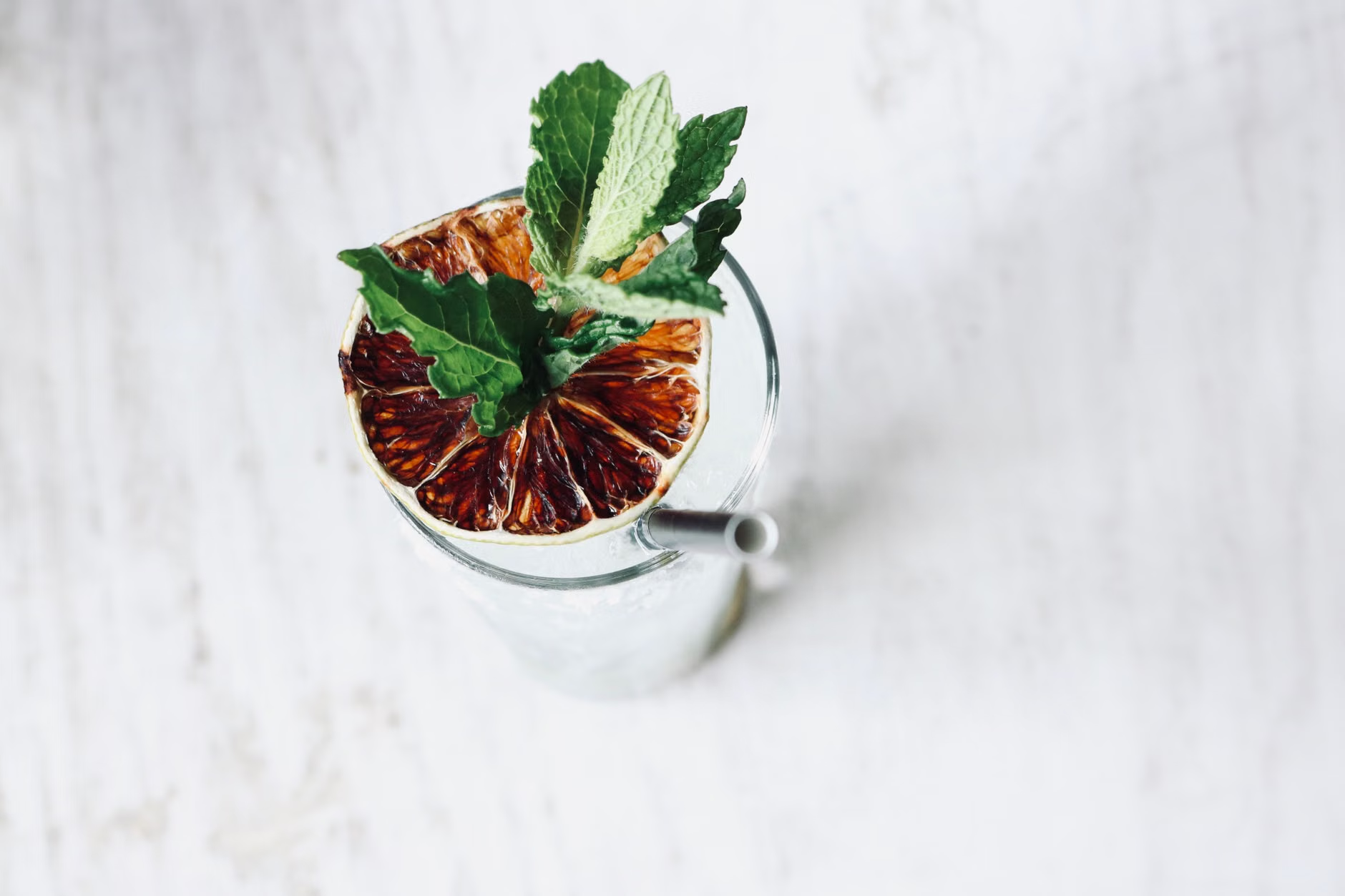
Why do we drink? It’s not always about the ethanol. It’s about the ritual: the sound of the bottle opening, the clinking of ice, the garnish, the weight of the glass in the hand. When you remove alcohol, you must preserve the ritual. If you serve a premium non-alcoholic spirit in a plastic cup, it will fail. If you serve that same drink in a heavy-bottomed crystal tumbler with a perfectly clear ice cube and a sprig of slapped rosemary, the brain accepts it as a “proper” drink.
Building Your Zero-Proof Bar Cart: The Essential Toolkit
You don’t need to stock a full bar of expensive non-alcoholic spirits to be successful. In fact, starting too complex can be overwhelming. Focus on the three pillars of a great drink: Acid, Bitter, and Botanical.
| Category | What it Does | Example Ingredients |
|---|---|---|
| Botanicals | Provides the “aroma” and depth usually associated with spirits. | Juniper, cardamom, rose water, orange blossom. |
| Bitters | Adds the “bite” that keeps a drink from tasting like juice. | Non-alcoholic bitters (Angostura is alcohol-based, so check labels), tonic water, quinine. |
| Acids | Balances sweetness and provides a “bright” finish. | Verjus (unripe grape juice), shrubs (vinegar-based fruit syrups), citrus juices. |
A common mistake is assuming that “non-alcoholic” means “sweet.” Many store-bought mocktails are essentially fruit juice cocktails, which feel juvenile and lead to sugar crashes. Your goal as a host is to lean into dry, bitter, and savory profiles. A shrub, for instance—a mixture of fruit, sugar, and vinegar—is a secret weapon. It provides a complex, tart acidity that mimics the complexity of fermented alcohol.
Real-Life Scenarios: When to Serve What
Hosting requirements change based on the setting. A backyard BBQ requires a different approach than a formal dinner party or a casual afternoon playdate.
The Casual Afternoon Gathering
Keep it light and refreshing. Think of a “Garden Spritz.” Use a high-quality elderflower cordial, a splash of fresh lime, and top with sparkling mineral water. Garnish with a cucumber ribbon. It’s hydrating, looks beautiful, and keeps everyone sharp for the rest of the day.
The Formal Dinner Party
This is where you want “weight.” You want a drink that pairs with food. Look for de-alcoholized wines or complex tea-based infusions. Cold-brew Lapsang Souchong tea, for example, provides a smoky, tannic profile that stands up to grilled meats or roasted vegetables in a way that standard juices never could.
The “Nightcap” Alternative
As the evening winds down, switch to something warming. A non-alcoholic “hot toddy” made with a base of apple cider vinegar, a hint of honey, fresh ginger, and cinnamon sticks provides that comforting, cozy feeling without the sleep-disrupting effects of alcohol.
Common Mistakes to Avoid When Curating Your Menu
The most frequent error is “The Over-Sweet Trap.” Many hosts assume that because a drink is non-alcoholic, it should be a dessert. This is a mistake. Adult palates crave complexity. If a guest asks for a drink, and you hand them something that tastes like a sugary punch, they will likely stop after one glass. If you hand them something bitter and botanical, they will treat it like a cocktail and sip it slowly.
Another mistake is failing to disclose the ingredients. While most people are happy to drink non-alcoholic options, be aware of “hidden” ingredients. Some non-alcoholic spirits contain trace amounts of alcohol (usually under 0.5% ABV). For most, this is negligible, but for those who are pregnant, medically abstinent, or religious, it is vital to be transparent. Always keep the bottles available so guests can check the labels themselves.
The Economics of the Zero-Proof Trend
Is it expensive? It can be. Premium non-alcoholic spirits can cost as much as their alcoholic counterparts, largely because the process of removing alcohol while retaining flavor is technically difficult and expensive. However, consider the “value-per-pour.” Because these drinks are often more flavorful, guests tend to consume them more slowly than a standard glass of wine or beer. Furthermore, you don’t need to buy a whole case. One or two high-quality bottles can last for several gatherings.
Think of this as an investment in your hosting reputation. A guest who leaves your house feeling refreshed and clear-headed is a guest who will remember your event as a highlight. They aren’t waking up with a headache; they are waking up with a great memory of a sophisticated evening.
Step-by-Step: Crafting Your First “Signature” Zero-Proof Drink
If you aren’t sure where to start, follow this “Golden Ratio” for a balanced non-alcoholic drink:
- The Foundation (2 oz): Use a non-alcoholic spirit, a strong brewed tea, or a shrub base.
- The Acid/Bitter (0.5 oz): Fresh citrus juice or a high-quality vinegar-based syrup.
- The Lengthener (4-6 oz): High-quality tonic water, soda water, or sparkling kombucha.
- The Garnish (Crucial): Never skip this. A slapped herb (mint, basil, rosemary) releases essential oils that define the aroma, which is 80% of taste.
Try this for your next event: A “Spiced Pear Smash.” Muddle a few slices of pear with a teaspoon of honey and a dash of cinnamon. Add 2 oz of a botanical non-alcoholic spirit (or strong chamomile tea). Shake with ice, strain into a rocks glass, and top with soda water. It is sophisticated, seasonal, and requires zero specialized equipment.
Beyond the Glass: The Social Impact of Mindful Hosting
Why is this trend gaining so much traction in our 30s and 40s? It is because we are moving away from the “all or nothing” mentality. We are learning that social connection does not require intoxication. As a host, you are part of this cultural shift. By normalizing the existence of the zero-proof option, you are giving your guests permission to make a choice that aligns with their personal health goals without feeling like they are missing out on the social ritual.
This is not about judging those who drink alcohol. It is about expanding the repertoire. When you host, your job is to create an environment where the beverage is an enhancement to the conversation, not the focus of it. By providing high-quality, zero-proof options, you are ensuring that the conversation remains the star of the show.
Final Thoughts for the Modern Host
The zero-proof movement is ultimately an evolution of hospitality. It is a transition from “providing a beverage” to “curating an experience.” When you put the same level of care into your non-alcoholic menu as you do into your music playlist or your food menu, your guests notice. They feel considered. They feel respected. And most importantly, they feel comfortable.
Don’t be afraid to experiment. Use the seasonal produce in your fridge. Talk to your local specialty food grocers about shrubs or bitters. Start small, focus on the quality of your ingredients, and prioritize the ritual of the pour. Your next gathering will be the one everyone remembers—not because of what they drank, but because of how they felt while they were there.
Frequently Asked Questions
1. Do I need to buy expensive non-alcoholic spirits to host a good party?
Not at all. While premium non-alcoholic spirits are excellent, you can achieve sophisticated results with simple pantry staples like high-quality teas, fresh herbs, citrus, honey, and vinegars (shrubs). The secret is in the layering of flavors—combining something bitter, something acidic, and something aromatic.
2. How do I handle guests who might feel “left out” if they aren’t drinking alcohol?
The key is integration, not segregation. Don’t create a separate “mocktail menu” that looks like a children’s list. Instead, incorporate zero-proof options into your main menu. When everyone has a glass in their hand that looks and tastes intentional, the focus on who is or isn’t drinking alcohol disappears.
3. Are there any hidden risks with non-alcoholic spirits?
Some non-alcoholic spirits are fermented and may contain trace amounts of alcohol (usually under 0.5% ABV). While this is legally considered non-alcoholic in many countries, it may not be suitable for individuals who are strictly avoiding alcohol for medical or personal reasons. Always keep the original packaging visible so guests can check the labels if they have concerns.
For more information on the evolving trends in mindful consumption and hosting, you can explore resources from organizations like Drinkaware or research reports on the growth of the low-and-no alcohol market provided by the IWSR Drinks Market Analysis.