The most effective strategy for packing a “Third-Culture” lunchbox is to prioritize familiarity through modularity: keep the base carbohydrate or protein neutral and allow your child’s cultural heritage to shine through small, low-pressure flavor “accents” that won’t overwhelm their school-day palate.
- The 80/20 Rule: Ensure 80% of the lunchbox consists of “safe,” school-friendly foods, while dedicating 20% to cultural snacks or flavor profiles to build exposure without triggering “picky eater” anxiety.
- Temperature and Texture Sensitivity: Most school lunches are eaten at room temperature; avoid foods that lose their structural integrity, like soggy tempura or warm, saucy dishes, in favor of room-temp-stable options like onigiri or cold noodle salads.
- The “Social Mirror” Test: Before adding a culturally specific item, ask yourself if it is easy to handle and quiet to eat. If it requires complex assembly or creates a strong scent, save it for weekend family meals.
If you are raising children in a home where two or more cultures intersect, the school lunchbox often becomes a quiet battleground. You want to pass down the flavors of your childhood, but you also want your child to fit in during the chaotic 20 minutes they have in the cafeteria. It is a common frustration: you pack a beautiful, nutrient-dense meal, only to find it back in the backpack, untouched, because it felt “too different” compared to the standard sandwiches or pre-packaged snacks their peers are eating.
The “Third-Culture” approach isn’t about forcing an international banquet into a plastic container. It is about strategic integration. Let’s break down how to bridge this gap without losing your mind during the morning rush.
Why Cafeteria Social Dynamics Dictate Lunch Success
In the world of a primary school student, lunch is not just a meal; it is a social performance. Children in their 30s and 40s today might remember the stigma of bringing a “smelly” lunch to school. While schools are more diverse today, the fundamental desire for social conformity remains. When a child opens their lunchbox, they are looking for a sense of belonging.
If your child is hesitant about “different” foods, it is rarely a rejection of your culture. It is a defensive reaction to being the “odd one out.” To overcome this, you must shift your perspective from “What should they eat?” to “What can they confidently eat in front of their friends?”
The Social Mirror Test is a simple decision rule: If the food requires complex tools, has a lingering odor, or is difficult to eat while talking, leave it at home. Instead, focus on “stealth fusion”—taking the flavors your child loves and presenting them in a format that mirrors their peers’ lunches.
The Modular Framework: Building the Perfect Box
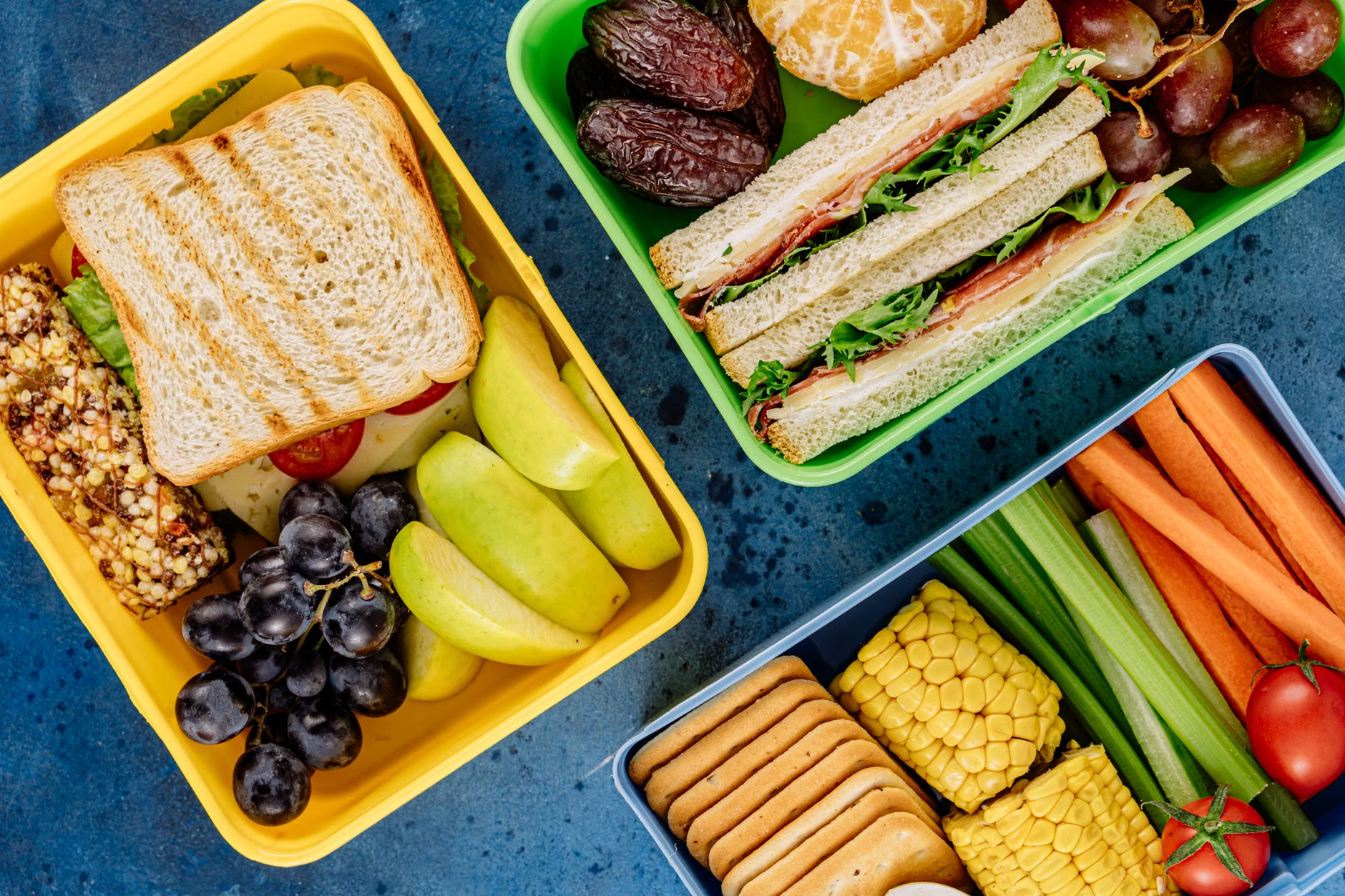
To stop the cycle of wasted food, abandon the idea of a single “main dish” and embrace a modular approach. By breaking the lunchbox into defined categories, you remove the guesswork from your morning routine.
Think of the lunchbox as a grid. A standard 4-compartment container should be filled using this ratio:
| Category | Purpose | Example |
|---|---|---|
| The Anchor (50%) | Reliable, filling, and neutral. | Whole-grain wrap, cold pasta, or rice. |
| The Cultural Accent (20%) | Small portion of “home” flavors. | Mini seaweed squares, edamame, or kimchi-spiced chicken. |
| The Crunch (15%) | Texture contrast to keep them interested. | Carrot sticks, cucumber slices, or salted nuts. |
| The Reward (15%) | Energy boost or comfort. | Fresh berries, a small piece of fruit, or a single cookie. |
The “Anchor” is your child’s safety net. If you want to introduce a new cultural flavor, pair it with an Anchor they already love. For example, if you want to introduce a savory miso-glazed chicken, don’t serve it with rice (which might go cold and hard). Serve it as a “skewer” or small bite alongside a familiar pasta salad. The focus isn’t on the meal—it’s on the snackability.
Temperature and Texture: The Unspoken Barriers
One of the biggest mistakes parents make is packing food that assumes a kitchen environment. Most children eat lunch at room temperature, often hours after it was packed. Foods that rely on heat to be palatable, such as soups or stews, often end up in the bin because they become unappealingly lukewarm or greasy.
The Texture Rule: If it’s meant to be crispy, it will be soggy by 12:30 PM. If it’s meant to be warm, it will be cold by 12:30 PM. Choose snacks that are designed to be eaten at room temperature.
Consider these “Third-Culture” substitutions that maintain their integrity:
- Instead of Hot Rice Bowls: Use Onigiri (rice balls) wrapped in plastic until serving to keep the seaweed crisp. They are compact, easy to hold, and socially “cool” in many modern school environments.
- Instead of Saucy Stir-fries: Use dry-rubbed proteins. Use spices like cumin, paprika, or furikake to add international flair without the mess of a liquid sauce.
- Instead of Traditional Sandwiches: Use flatbreads or pita pockets. They are more durable than sliced bread and can be filled with anything from hummus to leftover roasted meats.
Always perform a “Room Temp Test” on a weekend. Ask your child to eat the proposed lunch at room temperature on a Saturday. You will quickly learn which items lose their appeal once the heat leaves them.
Strategic Pantry Management for the Morning Rush
You cannot be a “Third-Culture” chef at 7:00 AM on a Tuesday. The key to sustainable lunch preparation is pre-assembly. If you have to cook from scratch every morning, you will burn out within a week.
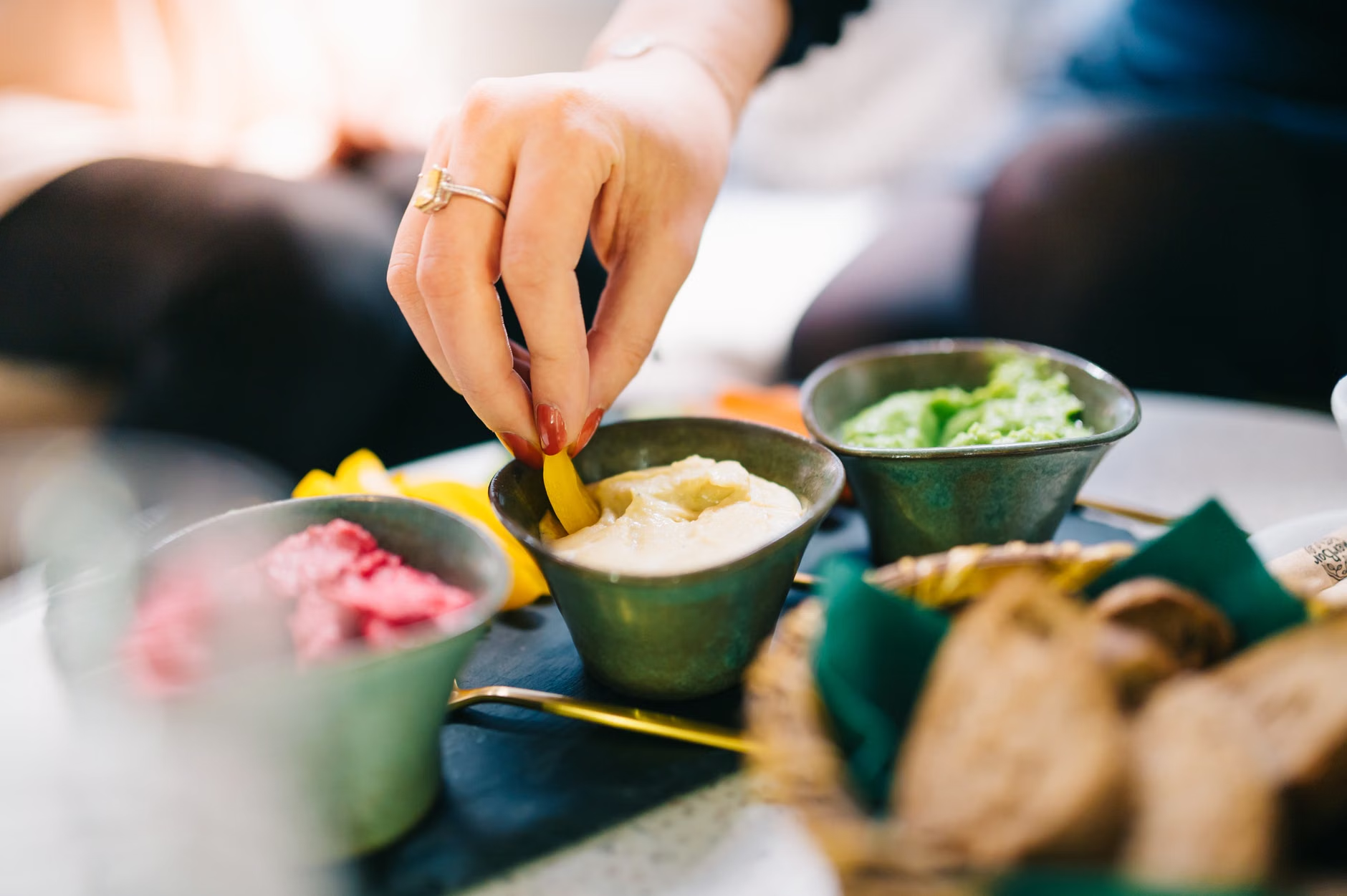
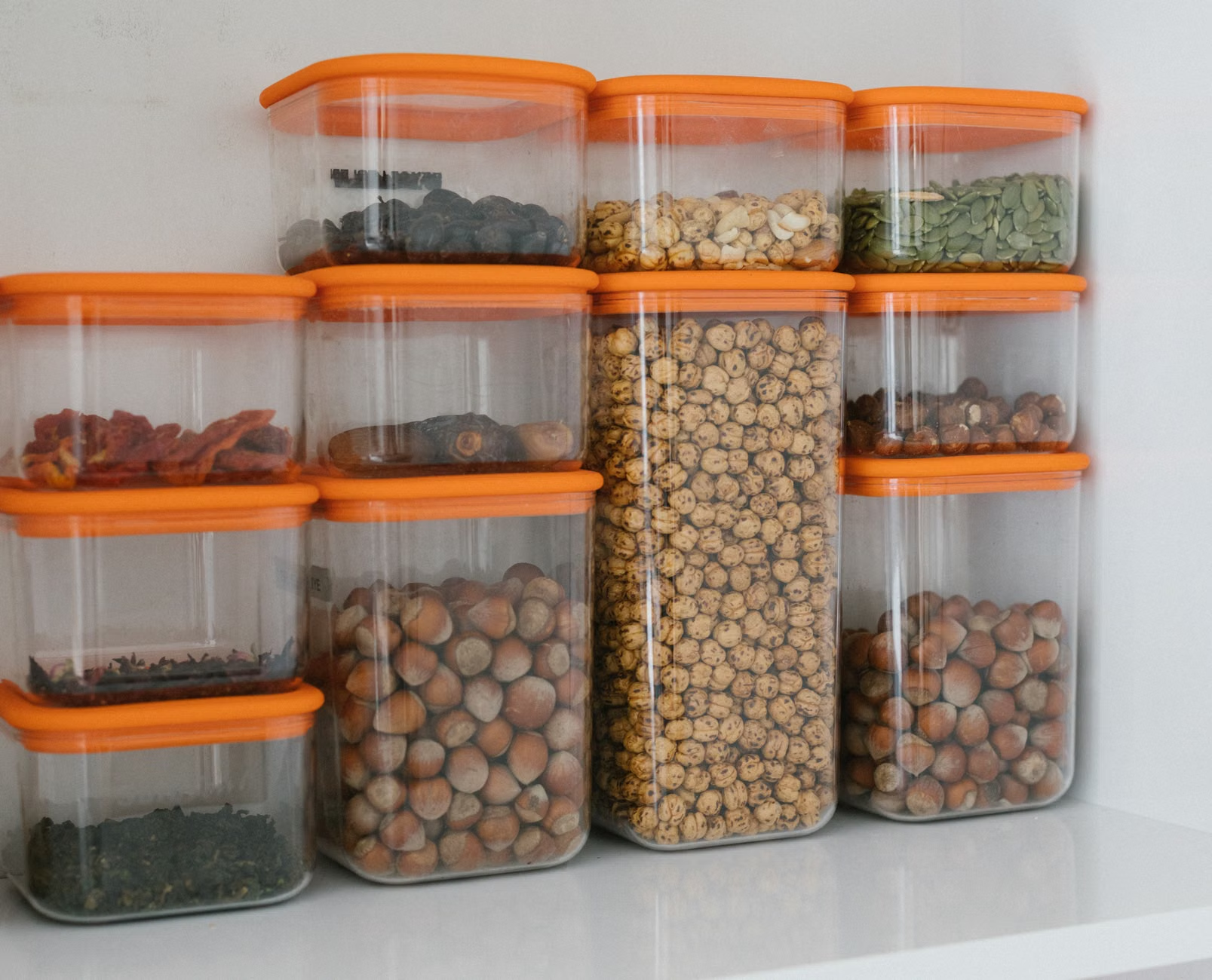
Create a “Global Snack Station” in your pantry. This should contain shelf-stable items that add cultural identity to any lunchbox. This might include:
- Seaweed snacks: High in minerals and universally accepted by children.
- Dried mango or pineapple: A sweet, tropical alternative to standard dried fruit.
- Rice crackers: A lighter, more interesting alternative to wheat-based crackers.
- Seeds and nuts (check school allergy policies first): Pumpkin or sunflower seeds seasoned with soy sauce or chili powder.
When you have these items pre-portioned in small, reusable silicone containers, you can “build” a lunch in under five minutes. The goal is to make the process as assembly-line as possible. If it takes longer than five minutes to pack, you will eventually stop doing it.
Addressing the Picky Eater Paradox
It is frustrating when your child rejects a dish that is a staple in your home. However, remember that children’s taste buds are highly sensitive to bitter compounds and strong spices. A dish that tastes balanced to you might taste “intense” to them.
The “One-Bite Rule” for Lunchboxes: Never pack a full portion of something new. Pack a tiny, non-threatening amount—one single dumpling, one slice of an exotic fruit, or one strip of a new vegetable. If they eat it, great. If they don’t, it hasn’t ruined the nutritional value of the rest of the meal, and you haven’t wasted a significant amount of food.
Common mistakes parents make include:
- Over-seasoning: What feels like “flavor” to an adult feels like “overload” to a child. Scale back the spices in school lunches.
- Hidden Ingredients: Don’t try to hide vegetables or new flavors in their favorite foods. This creates mistrust. If they discover you’ve “tricked” them, they may stop eating the “safe” food, too.
- Ignoring Aesthetics: Presentation matters. Use colorful, small-sized containers. Food that looks like it was curated is more likely to be eaten than a pile of mixed ingredients.
A Note on School Policies
Before you get too creative, familiarize yourself with your specific school’s policy. Many international schools and local public schools have strict “no-nut” or “no-shared-food” policies. Some schools may even have restrictions on certain items due to allergies or religious dietary requirements.
Always check the school’s parent handbook. If you are in a country like the United States, look for the USDA guidelines on school nutrition for inspiration on portion sizes. In the UK, the School Food Plan provides excellent resources on balanced lunches. Regardless of your location, ensure that your “Third-Culture” additions do not inadvertently violate a school-wide allergen policy.
For more information on nutritional guidelines, you can refer to the USDA MyPlate resources or the UK government guidance on school food.
Moving Forward with Consistency
The “Third-Culture” lunchbox is not about perfection. It is about maintaining a connection to your heritage while respecting your child’s need to navigate their own social world. By focusing on modularity, respecting texture changes, and keeping portion sizes small for new flavors, you can create a lunchbox that is both culturally meaningful and reliably eaten.
Start small. Don’t try to overhaul the entire menu at once. Introduce one new cultural item per week, and observe how your child responds. If it works, add it to your rotation. If not, pivot. The most important thing is that your child finishes the school day with enough energy to learn and play, without feeling like the “odd one out” in the cafeteria.
Frequently Asked Questions
1. How do I keep my child from being teased for their lunch?
The best defense is normalizing the food at home first. If your child eats these foods regularly as part of family dinners, they will be more confident describing them to friends. Also, focus on “socially invisible” foods—items that don’t smell strongly or require complex eating habits. When the food feels like a normal part of their identity, they are less likely to be self-conscious.
2. What if my child refuses to eat anything but “standard” school lunch foods?
It is perfectly fine to have “Fusion Days” and “Standard Days.” You don’t have to pack a cultural lunch every single day to pass on your heritage. Try designating one day a week (like “Cultural Friday”) as the day you experiment with new flavors. This reduces the pressure on your child and helps them view the experience as a fun, occasional event rather than a chore.
3. How can I manage the prep time when I’m already busy?
Focus on “batching” the components. Spend one hour on a Sunday preparing the “Anchors” (like cooking a large batch of pasta or rice) and portioning out the “Crunches” and “Cultural Accents” into small containers. If your components are ready to grab and go, the morning packing process should take no more than five minutes.
Consistency is your best friend here. Keep it simple, keep it small, and keep it delicious.