- Curate, don’t compensate: Treat non-alcoholic drinks as a primary menu item rather than a “sober alternative,” focusing on complex flavors like bitters, shrubs, and high-quality botanicals.
- Respect the cultural context: In multicultural settings, assume guests have varying relationships with alcohol; provide clear, non-pressuring labeling for all drinks.
- Manage the social flow: Use “active hosting” to normalize non-alcoholic choices, ensuring the host is seen drinking zero-proof options to remove the pressure from guests.
Hosting a holiday gathering in your 30s and 40s feels less like the chaotic house parties of your 20s and more like a high-stakes logistical operation. You are balancing dietary restrictions, varying religious traditions, the needs of children, and the inevitable “who is driving home” conversation. Increasingly, the most common hurdle isn’t the menu—it’s the bar.
The “zero-proof” movement isn’t just about sobriety; it’s about inclusivity. Whether your guests are abstaining for health, pregnancy, religious reasons, or simply because they have a 6:00 AM school run, the goal is to make sure nobody feels like they are settling for a glass of tap water while everyone else enjoys a curated experience.
The Shift: Why ‘Zero-Proof’ is the New Standard for Modern Hosting
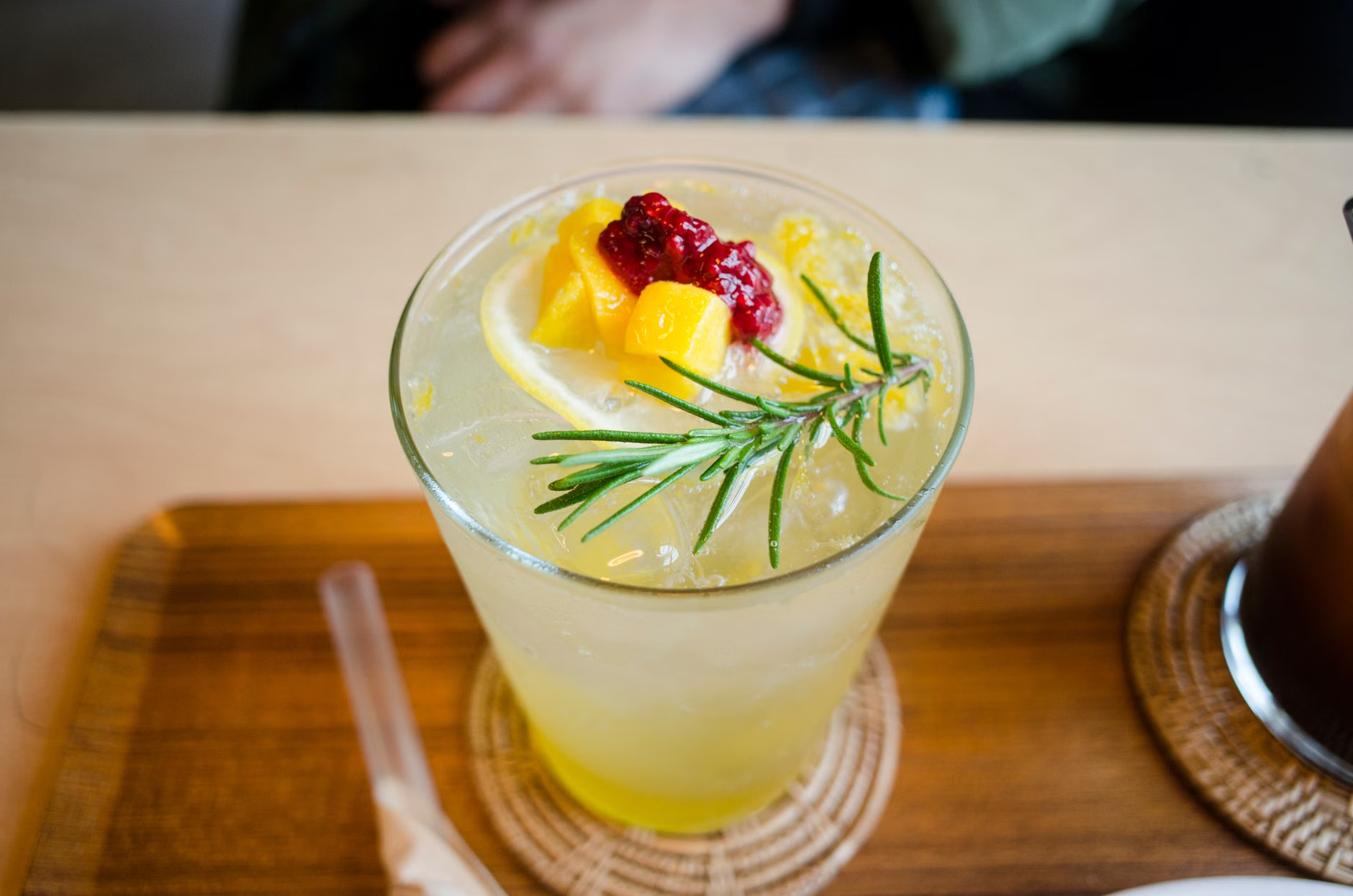
For years, the “non-alcoholic option” at a party was an afterthought—a dusty bottle of soda or a lukewarm juice box. But in the last few years, the market for adult, non-alcoholic beverages has exploded. We are moving away from sugary, childish mocktails toward complex, botanical-forward drinks that deserve a place in a crystal glass.
Why does this matter for your holiday hosting? Because your social circle is likely diverse. In multicultural settings, you might have guests from cultures where alcohol is strictly prohibited, alongside guests who enjoy a glass of wine, and others who are “sober-curious.” By normalizing the presence of high-quality zero-proof drinks, you remove the social friction of having to explain why someone isn’t drinking. It shifts the focus from the beverage to the conversation.
The modern host in their 30s and 40s knows that the best party is one where guests feel considered, not just fed. When you treat your zero-proof menu with the same attention as your wine selection, you create a space that feels intentional and welcoming to everyone, regardless of their lifestyle choices.
Curating a Sophisticated Zero-Proof Menu
The biggest mistake hosts make is trying to “recreate” alcohol. Avoid the trap of buying cheap, fake gin that tastes like perfume. Instead, look for ingredients that offer a genuine sensory experience: acidity, bitterness, and body.
1. The Foundation: Bitters and Shrubs
If you want a drink that feels “adult,” you need complexity. Bitters (yes, most contain trace amounts of alcohol, but they are used in drops; for strict requirements, look for glycerin-based bitters) and shrubs (syrups made from fruit, sugar, and vinegar) are your best friends. The vinegar in a shrub provides that “burn” or “bite” that we often associate with alcohol, making the drink feel substantial.
2. High-Quality Botanicals
Today, there are excellent non-alcoholic distilled spirits on the market. They are designed to be mixed with premium tonics. If you are hosting a large crowd, don’t feel obligated to buy the most expensive brands for everyone. Use these as the base for a “signature” mocktail and offer high-quality sparkling teas or kombuchas as a secondary option.
3. The “Glassware Rule”
Never serve a non-alcoholic drink in a plastic cup if everyone else is drinking from glass. Use your best stemware. A beautiful, chilled coupe glass filled with a pomegranate and rosemary shrub looks just as festive as a classic champagne cocktail. Presentation is 80% of the experience.
| Drink Type | Best For | Why it Works |
|---|---|---|
| Shrubs (Fruit + Vinegar) | Complex, tart flavors | Provides the “bite” and acidity of a cocktail. |
| Sparkling Teas | Sophisticated pairing | Offers tannins and depth similar to dry wine. |
| Botanical Tonics | Refreshing, long drinks | Uses herbs to create a savory, complex profile. |
Decision Rule: If you are serving a heavy, rich meal, go with a shrub or a sparkling tea, as they cut through the fat. If you are hosting a cocktail hour with light appetizers, a botanical tonic is more refreshing and palate-cleansing.
Managing Social Dynamics in a Multicultural Setting
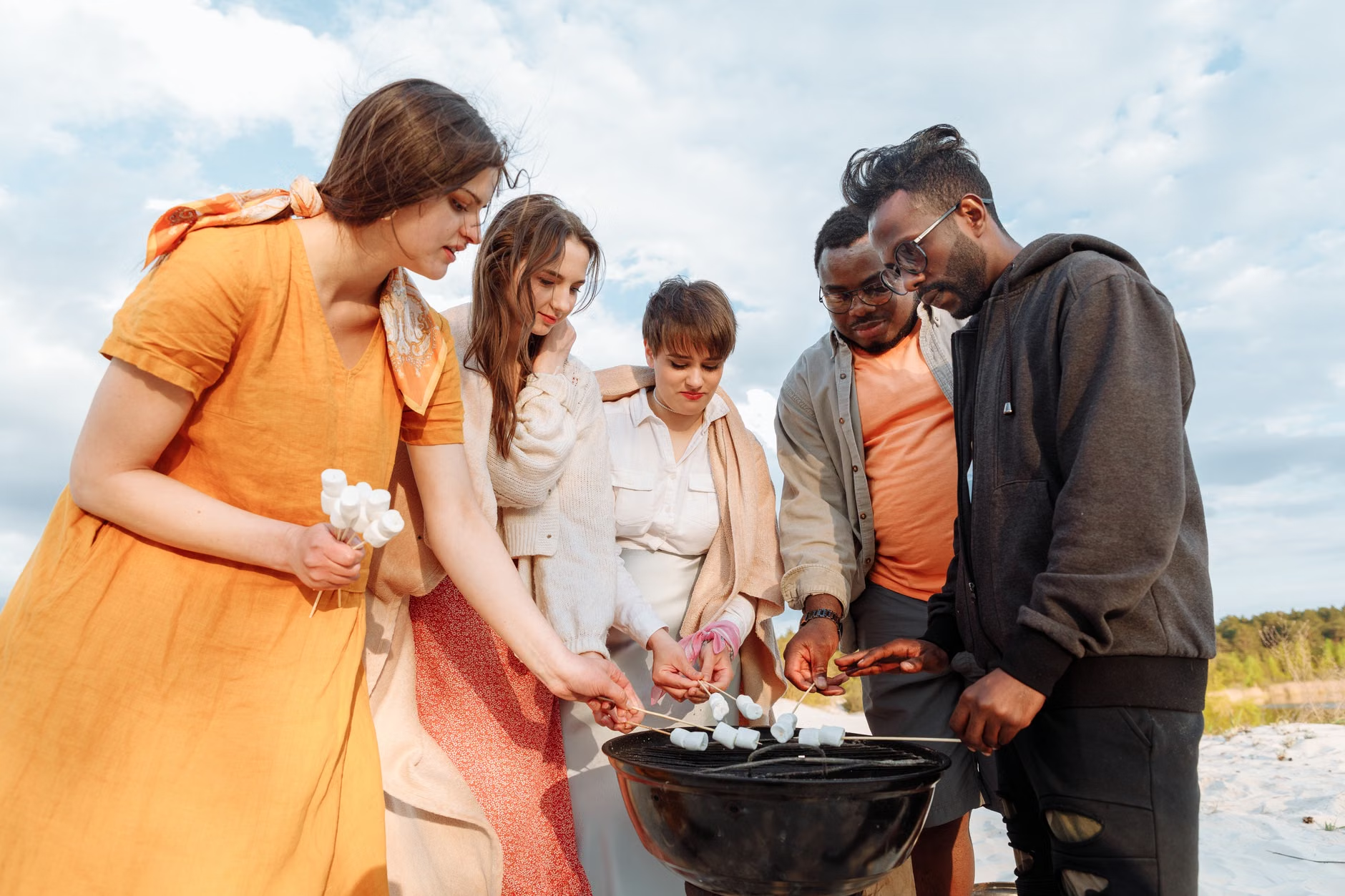
When you have guests from different backgrounds, the “pressure to drink” can manifest in subtle ways. As the host, you have the power to dismantle that pressure before it even starts. The goal is to make the non-alcoholic option the “default” choice, or at least a highly visible one.
The “Host-as-Pacesetter” Strategy: If you are the host, you set the tone. If you spend the first hour of your own party holding a beautiful, complex-looking non-alcoholic drink, you normalize it. When guests see the host enjoying a zero-proof beverage, they feel much more comfortable choosing one themselves. It stops being a “sobriety statement” and starts being a “tasty drink choice.”
Clear Labeling: In multicultural gatherings, religious or health-based abstention is common. Do not make guests ask, “Is there alcohol in this?” It’s tiring. Use small, elegant placards for your drink station. List the ingredients. If you are using a non-alcoholic spirit that contains trace amounts of alcohol (some do, though very little), be transparent about it so guests with strict religious requirements can make an informed choice.
The “Self-Serve” Setup: Creating a dedicated “Zero-Proof Bar” allows guests to experiment without feeling like they are asking for a special favor. Provide the components—the shrubs, the tonics, the herbs, the fresh citrus—and let them build their own. This turns the beverage into an activity rather than a chore.
Common Pitfalls and How to Avoid Them
Even with the best intentions, hosting can get away from you. Here are the common mistakes I’ve observed and how to sidestep them:
- The “Sugary Trap”: Many commercial mocktails are essentially fruit juice cocktails. They are cloyingly sweet and will give your guests a headache long before the party ends. Always aim for savory, spicy, or bitter profiles.
- Forgetting the Children: If your guests are bringing kids, ensure there is a “kiddie-proof” version of your signature drink. Keep the garnish simple for them, but keep the base flavor profile similar so they feel like they are part of the adult experience.
- Underestimating Prep Time: Making a good shrub or infusing tea takes time. Do not try to make your zero-proof components on the day of the party. These should be prepped 24-48 hours in advance to allow flavors to meld.
Hidden Insight: The biggest misconception is that zero-proof drinks are cheaper. While you save money on the alcohol tax, high-quality non-alcoholic spirits and artisanal tonics can actually be just as expensive as mid-range wine or spirits. Budget accordingly, or lean into “made-from-scratch” ingredients like fresh herbs and house-made syrups to keep costs manageable while maintaining quality.
Creating an Inclusive Environment Beyond the Glass
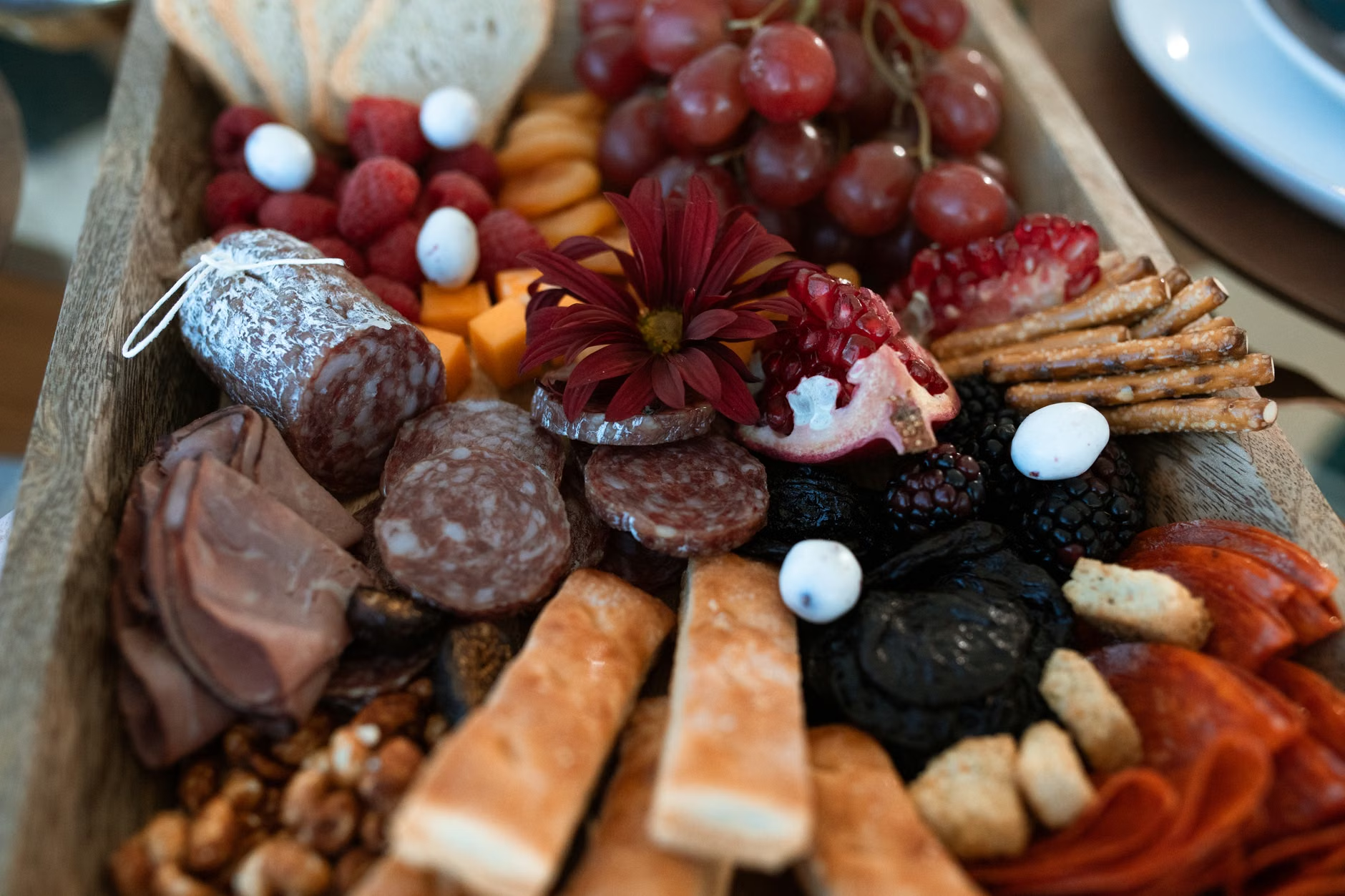
Inclusive hosting is about the “vibe” as much as the menu. In your 30s and 40s, people are often tired. They want to be social, but they also want to feel good the next day. By prioritizing a zero-proof environment, you aren’t just being a “good host”—you are being a “conscious host.”
Consider the timing of your event. A brunch or a late-afternoon gathering often lends itself better to a zero-proof focus than a late-night dinner party. If you are hosting in the evening, provide plenty of comfortable seating areas where people can talk without shouting over music. Sometimes the “pressure to drink” is actually a “pressure to be loud.” If you create a space that feels intimate and calm, the need for liquid courage often dissipates on its own.
Finally, remember that your role is to facilitate, not to police. If a guest asks for a traditional cocktail, provide it. The goal of an inclusive gathering is that everyone feels welcome, not that everyone is forced into the same beverage choice. True inclusivity means having an exceptional experience for the person who wants a glass of wine, and an equally exceptional experience for the person who wants a sparkling botanical shrub.
Practical Next Steps for Your Next Gathering
If you are ready to pivot to a more inclusive, zero-proof-friendly approach, start with these three steps:
- Audit your menu: Look at your current drink list. Are at least 50% of your offerings alcohol-free? If not, start there.
- Source your ingredients: Find a local shop that stocks high-quality non-alcoholic bitters or botanical tonics. If you live in a region where these are scarce, look into online specialty retailers that ship internationally.
- Test before you host: Don’t try a new recipe for the first time when your guests are walking through the door. Make a “test batch” this weekend for yourself and your partner. See if it holds up to ice, see if it stays flavorful after sitting out for an hour.
Hosting is a skill, and like any skill, it improves with practice. By focusing on the quality of the experience rather than the proof of the alcohol, you are ensuring that your holiday gatherings remain a highlight of the year for everyone on your guest list. It’s about creating memories that are clear, vibrant, and inclusive—the kind of memories you’ll actually want to talk about the next morning over coffee.
Frequently Asked Questions
1. Is it rude to ask guests if they prefer non-alcoholic options before the party?
Not at all. In fact, it’s considerate. A simple note in your invitation—”We’ll be serving a variety of craft cocktails and curated zero-proof options; please let us know if you have specific preferences”—shows that you are planning for their comfort. It removes the guesswork for them and the stress for you.
2. Can I use store-bought juice as a base for a sophisticated mocktail?
You can, but it needs an “adult” upgrade. Straight juice is usually too sweet and one-dimensional. To make it sophisticated, you must add complexity. Mix your juice with a splash of apple cider vinegar, a few drops of bitters, or top it with sparkling water and a sprig of fresh thyme or rosemary. The key is to cut the sugar with acid or botanicals.
3. How do I handle guests who insist on bringing their own alcohol?
Let them. The goal is to provide a range of choices, not to ban alcohol entirely (unless your home is a strictly alcohol-free space). If they bring their own, have a place for them to store it, and provide the same high-quality glassware you’re using for your zero-proof drinks. Your job is to be the host, not the beverage police; as long as there is an excellent zero-proof option available, you have fulfilled your goal of inclusivity.
For further reading on the science of flavor in non-alcoholic beverages, you can explore resources from the Club Soda Mindful Drinking Movement, which provides excellent insights into the evolving landscape of alcohol-free socialising.