The smartest move you can make for your morning routine as a parent in your 30s or 40s is often what you choose to skip the night before: the alcohol. The “zero-proof” movement—a sophisticated evolution of the classic mocktail—has shifted from a fringe wellness trend to a staple in the refrigerators of busy parents who want the ritual of a drink without the physiological tax of ethanol.
Key Takeaways:
- Consistency is the primary driver: For parents, the value of zero-proof drinks lies in the ability to wake up at 6:00 AM without brain fog, ensuring high-quality engagement with children.
- Functional ingredients matter: Look beyond “sugar water.” Modern zero-proof drinks often incorporate adaptogens like ashwagandha or L-theanine that provide a tangible, subtle mood shift without sedation.
- The “Ritual” is the psychological anchor: The act of pouring a complex beverage into glassware provides a sensory “off-switch” from the workday, helping to delineate parenting time from personal downtime.
If you have spent your 30s balancing a high-pressure career with the relentless demands of school runs and weekend sports, you know the “wine o’clock” trap. It starts as a way to decompress—a glass of wine to signal that the work day is over and the parenting shift has begun. But as we enter our mid-30s and 40s, the metabolic reality changes. The glass of wine that used to be a reward now frequently results in a disrupted sleep cycle, increased anxiety the next day, and a shorter fuse with the kids. This is not about moralizing alcohol; it is about recognizing that for the modern parent, the opportunity cost of a hangover is simply too high.
The Science of Why Parents Are Opting Out
The shift away from alcohol isn’t just a trend; it is a calculated decision based on the optimization of health and time. In your 20s, a late night might have meant a slow morning. In your 40s, a late night often means a compromised immune system and a full schedule that doesn’t allow for recovery time. Ethanol is a central nervous system depressant, but it also disrupts REM sleep. Even a single drink can prevent you from reaching the deep, restorative sleep necessary to manage the cognitive load of modern parenting.
When you replace that glass of wine with a high-quality zero-proof beverage, you aren’t just subtracting alcohol; you are opting into a different physiological state. Many of the new generation of non-alcoholic spirits use complex botanical profiles—think juniper, gentian root, or cardamom—that provide a “burn” or “bite” similar to alcohol. This sensory feedback is crucial. It tricks the brain into feeling like you are indulging, which helps maintain the psychological boundary between the “working parent” and the “off-duty parent.”
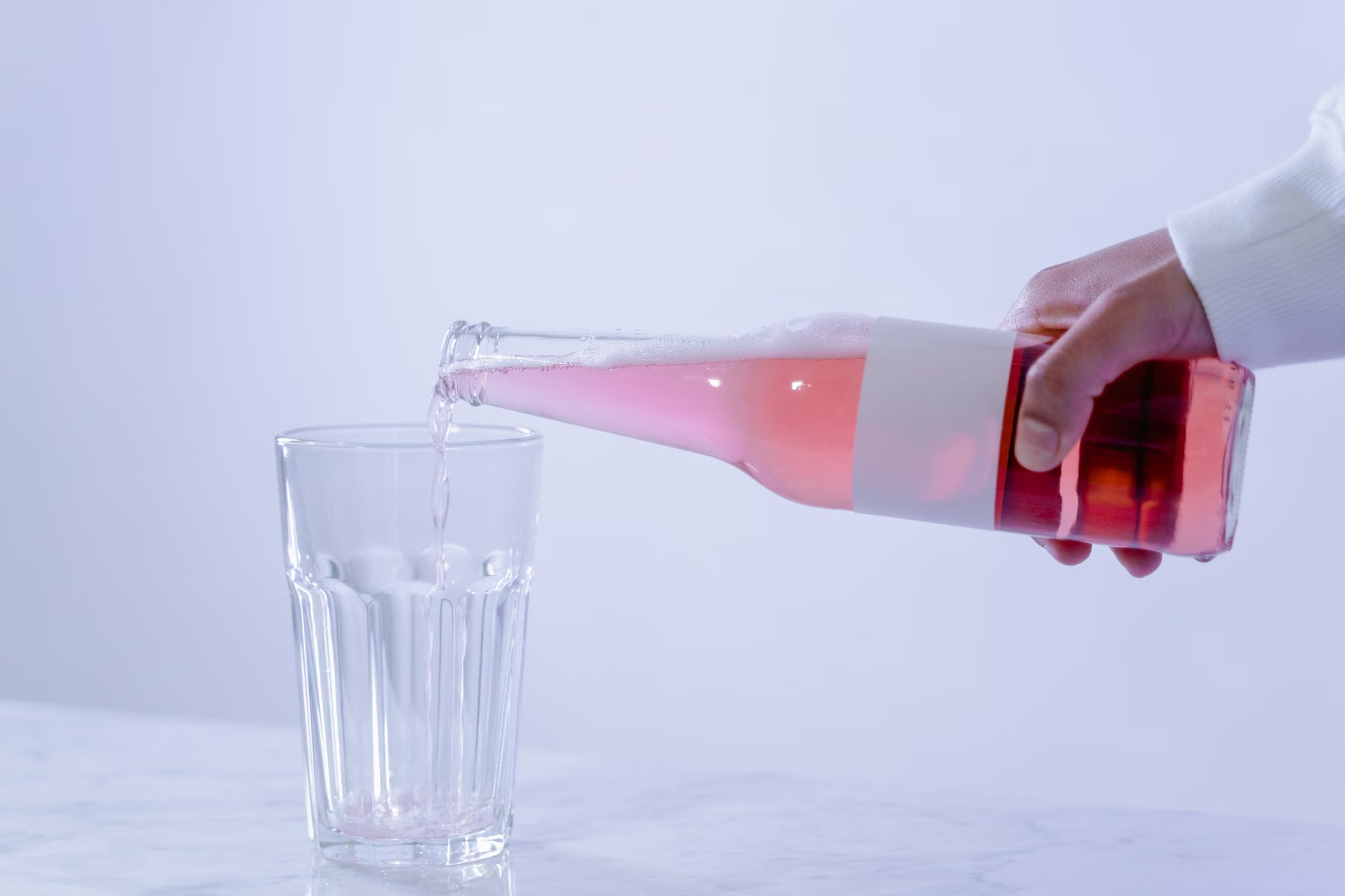
The market for non-alcoholic drinks is currently flooded with products, and not all of them are created equal. As a consumer, you need to categorize your options to make the right choice for your specific needs. Generally, these beverages fall into three distinct categories:
| Category | Best For | Key Characteristic |
|---|---|---|
| Botanical Distillates | Replacing spirits like gin or whiskey | Complex, dry, and meant to be mixed with tonic or soda. |
| Adaptogenic Blends | Stress relief and mood elevation | Infused with herbs like ashwagandha or Rhodiola to help calm the nervous system. |
| Craft Non-Alcoholic Beers | Social settings and casual sipping | Uses traditional brewing methods with the alcohol removed, retaining the flavor profile. |
If you are looking for a replacement for a Friday night cocktail, a botanical distillate is your best bet. Because these are often concentrated, they require a mixer. This is where you can get creative. A common mistake is treating these like juice. They are not juice; they are sophisticated liquids designed to be sipped slowly. If you mix them with too much sugar, you lose the complexity of the botanicals and end up with an expensive, glorified soda.
Building Your Own “Zero-Proof” Ritual
The “ritual” is often more important than the liquid itself. If you are used to coming home, hanging up your coat, and immediately pouring a drink, your brain has developed a Pavlovian response to that sequence of events. To successfully pivot to zero-proof, you must maintain the ritual while swapping the contents.
Start by upgrading your glassware. If you are drinking a non-alcoholic spirit out of a plastic cup, it will never feel like a treat. Use the heavy-bottomed rock glasses or the wine stems you usually reserve for guests. The weight of the glass, the clink of the ice, and the garnish—a slice of dehydrated orange, a sprig of fresh rosemary, or a dash of bitters—send a signal to your brain that it is time to shift gears. This is a critical psychological hack for parents who struggle to “turn off” their work brain.
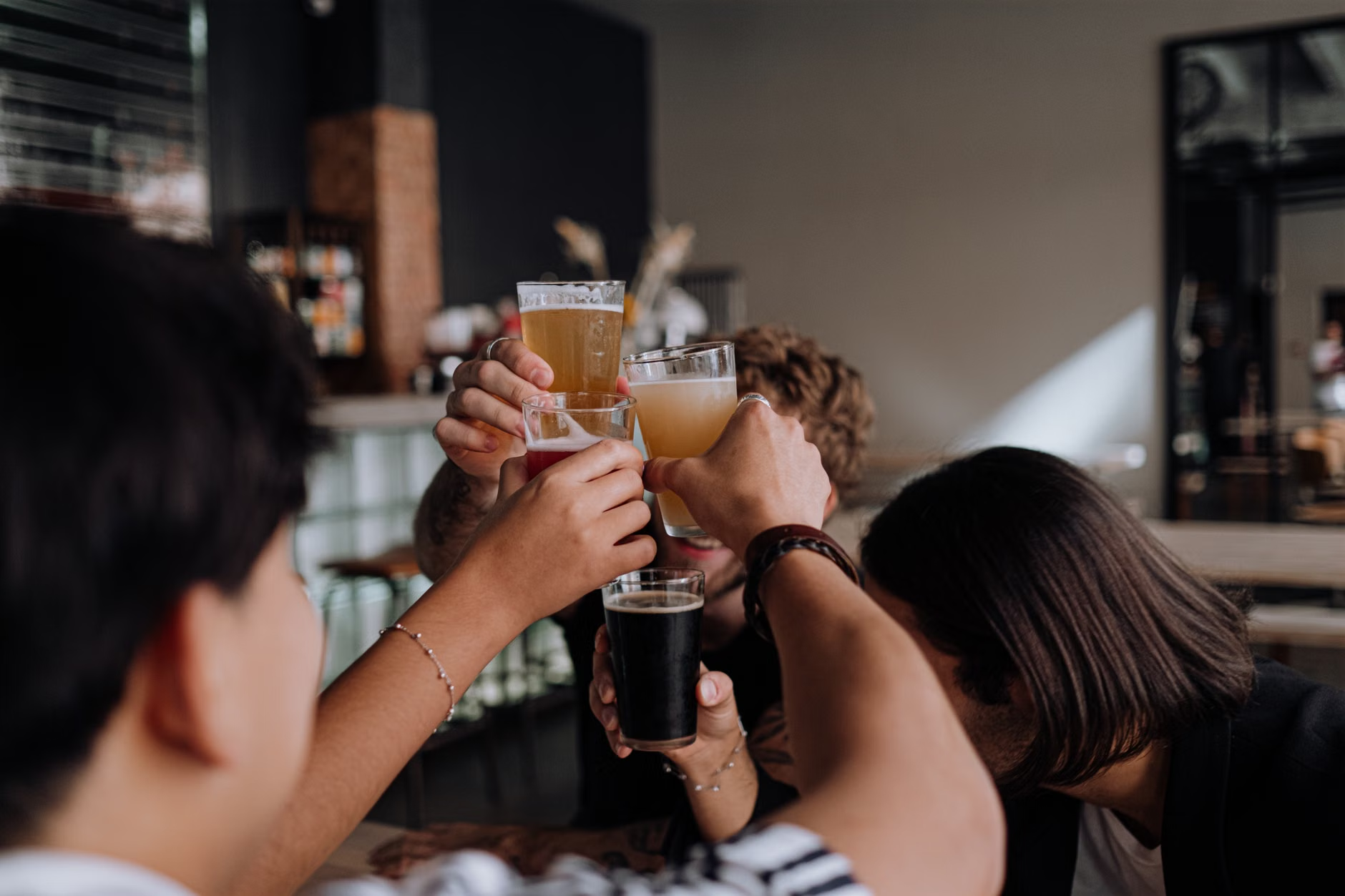
Consider the social aspect as well. One of the biggest fears parents have about the zero-proof trend is the “social awkwardness” of not drinking at a party or dinner. The reality? Most people are so focused on themselves that they will barely notice what is in your glass. If you feel self-conscious, order a club soda with lime and a splash of bitters—it is indistinguishable from a cocktail and keeps the conversation focused on the people, not your drink choice.
Common Pitfalls and How to Avoid Them
The most frequent mistake I see parents make is assuming that “non-alcoholic” means “health food.” Many mass-market mocktails are essentially fruit juices loaded with refined sugar. If you are drinking three or four of these in an evening, you are consuming a significant amount of sugar, which will lead to a spike and crash that feels remarkably similar to the lethargy of alcohol consumption. Always check the nutrition label. Look for options with low sugar content—ideally under 5g per serving—and clear ingredient lists.
Another pitfall is the cost. Premium zero-proof spirits can be just as expensive as their alcoholic counterparts. This is because the distillation process to remove alcohol or extract botanical essences is technically complex. Don’t be surprised when you see a bottle of non-alcoholic “gin” retailing for $30 to $40. To make this sustainable, treat these bottles as you would a fine spirit—don’t pour them like water. A single shot of a high-quality botanical distillate is plenty for a long drink.
There is also the “placebo effect” variable. Some people find that after a week of drinking zero-proof alternatives, they actually feel more productive and energized. Others, however, find that they miss the “buzz” of alcohol and struggle with the transition. If you fall into the latter category, do not force it. The goal is to improve your quality of life, not to create a new source of stress. If you find yourself craving the alcohol, focus on the why. Is it the taste? Is it the ritual? Or is it the desire to escape the day? If it is the latter, a beverage—alcoholic or not—might not be the solution you actually need.
Practical Steps for the Week Ahead
If you want to try this for the next seven days, here is a concrete plan to get you started without over-complicating it:
- Audit your evening habits: Identify the specific time of day you usually reach for a drink.
- Stock two alternatives: Buy one high-quality botanical spirit (like Seedlip or similar) and one craft non-alcoholic beer.
- Optimize your environment: Ensure your favorite glassware is clean and accessible. If you have to hunt for a clean glass, you will likely reach for the easiest, least satisfying option.
- The “Three-Sip” Rule: When you pour your drink, commit to finishing at least three sips before you check your phone or start cleaning up the kitchen. This forces a moment of intentionality.
- Observe the data: Track your sleep quality and morning energy levels for the week. If you notice a 15% increase in your ability to handle the morning routine without frustration, you have your answer.
The beauty of this trend is that it puts the control back in your hands. You are no longer defaulting to a habit that was formed in a different stage of your life. You are curating your evenings to ensure you are the parent, partner, and person you want to be the next morning. It is a small change that ripples outward, affecting your mood, your patience, and your overall health.
For further reading on the physiological impacts of alcohol and the benefits of mindful consumption, I recommend checking out the resources provided by the National Institute on Alcohol Abuse and Alcoholism. They offer excellent, evidence-based insights into how even moderate alcohol consumption affects the brain and body over time. Additionally, looking at the World Health Organization’s fact sheets on alcohol provides a sobering, global perspective on why many in their 30s and 40s are choosing to pivot toward zero-proof options.
Frequently Asked Questions
1. Does “zero-proof” mean absolutely no alcohol content?
Most premium zero-proof spirits contain 0.0% alcohol, but some products—especially non-alcoholic beers or kombuchas—may contain trace amounts, often less than 0.5% ABV. This is generally comparable to the amount of alcohol found in ripe fruit or fruit juices. If you are strictly avoiding alcohol for medical or personal reasons, always check the label for “0.0% ABV” specifically.
2. Are these drinks actually healthier than a glass of wine?
In terms of immediate physiological impact, yes. Alcohol is a toxin that disrupts sleep, dehydrates the body, and affects liver function. Most zero-proof beverages, provided they are low in added sugars, do not carry these risks. However, they are not “health tonics”—they are essentially recreational beverages. Their primary health benefit comes from the absence of alcohol, rather than the presence of any singular “miracle” ingredient.
The best approach is to be brief and boring. You don’t need to explain your life story or justify your choices. A simple “I’m taking a break from alcohol to improve my sleep and energy levels” is usually enough to stop any further questions. Most people will respect that, and if they don’t, it is a reflection of their own discomfort with their habits, not yours.
Ultimately, the zero-proof movement is about empowerment. It is about realizing that you don’t need a chemical crutch to enjoy your evening or to mark the end of the day. By choosing to be present and intentional, you are giving yourself the greatest gift a parent can have: a clean start to the next morning. Start small, experiment with what you enjoy, and pay attention to how your body responds. You might just find that the best part of the evening isn’t the drink itself, but the clarity you have when the sun comes up.