Key Takeaways for the Prepared Traveler
- The 70/30 Rule: Pack 70% of your luggage based on the destination’s “worst-case” weather scenario, and reserve 30% for intergenerational specific needs (medical, comfort, and entertainment).
- The “Shared Utility” Strategy: Avoid duplicate items by designating a “family hub” bag for shared electronics, toiletries, and emergency supplies to save weight and space.
- Prioritize Thermal Layering over Bulk: For winter travel, focus on high-quality merino wool or synthetic base layers that provide warmth without the weight of heavy, non-compressible sweaters.
The secret to surviving an intergenerational winter getaway isn’t about having the perfect itinerary; it’s about not spending your entire vacation acting as a human pack mule. When you’re traveling with your children and your parents, the sheer volume of “just in case” items can quickly transform a relaxing escape into a logistical nightmare. The goal here is simple: pack for the unexpected without bringing the entire household along.
If you are in your 30s or 40s, you are likely the “bridge” generation—the one managing the kids’ tantrums, the grandparents’ comfort levels, and your own need for a quiet coffee. Let’s break down how to optimize your packing so you can actually enjoy the trip instead of constantly rearranging suitcases.
The Psychology of “Worst-Case” Packing
Most of us overpack because of a cognitive bias: we fear the hypothetical “what if.” What if the toddler gets sick? What if Grandma feels a draft? What if the hotel heating fails? These thoughts are valid, but they lead to the “suitcase bloat” that ruins the travel experience. To combat this, we need a decision-making framework.
For every item you consider packing, ask yourself: “Can this be purchased locally for less than the cost of a checked bag fee or the physical strain of carrying it?” In most major tourist destinations, basic winter gear—extra hand warmers, basic over-the-counter meds, or even a spare sweater—is readily available. If the answer is “yes,” leave it at home.
The 70/30 Rule is your best friend here. 70% of your luggage should be the non-negotiables: medications, specific tech chargers, and high-quality base layers that aren’t easily replaced. The remaining 30% is your “buffer zone.” If you don’t use that space for something critical, it stays empty. An empty space in your suitcase is not a failure; it is a tactical advantage for the souvenirs you will inevitably buy.
Thermal Layering: The Secret to Saving Space
The biggest mistake travelers make in winter is relying on heavy, bulky items. A thick, non-compressible wool coat takes up half a suitcase. Instead, adopt the “expedition” mindset. Professional mountaineers don’t wear one giant coat; they wear layers. For your family, this means thin, high-performance base layers.
Merino wool is the gold standard for this. It is naturally odor-resistant, incredibly warm for its weight, and regulates temperature better than cotton or synthetics. If you pack three sets of quality base layers, you can rotate them. You don’t need five heavy sweaters. You need one solid mid-layer and a high-quality, wind-resistant outer shell.
When packing for children and seniors, emphasize the “easy-on, easy-off” factor. Seniors often struggle with complex buttons or tight zippers when their hands are cold. Ensure their outer layers have large, tactile zippers. For children, focus on one-piece snowsuits if they are younger, as these prevent the “exposed midriff” problem when they are playing in the snow or being picked up.
Why does every family member need their own bottle of shampoo, their own set of chargers, and their own first-aid kit? This is the primary driver of excess weight. The “Family Hub” strategy involves creating a single, communal bag that stays in the hotel or rental. This bag contains:
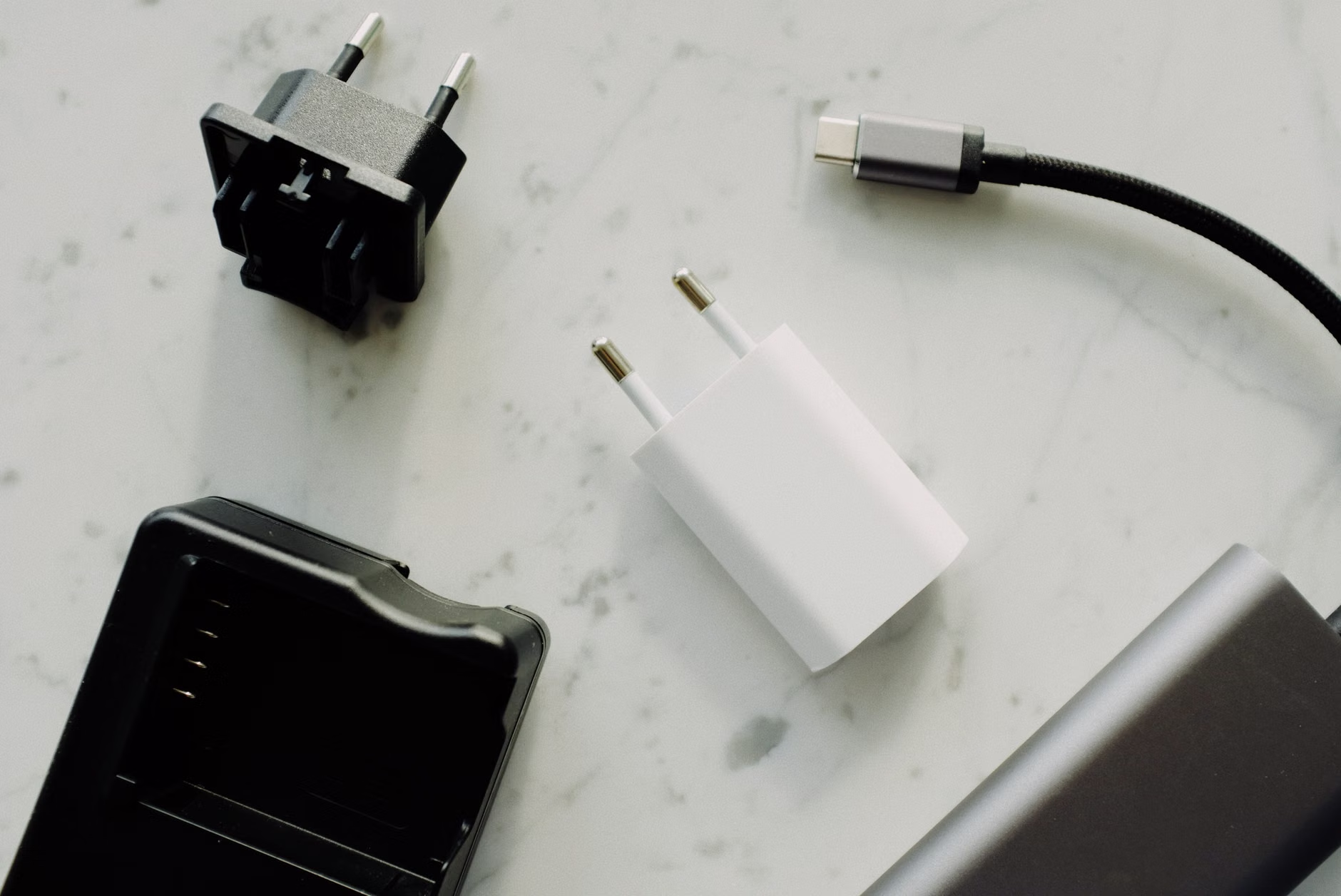
- The Tech Pouch: A single high-capacity power bank (20,000mAh is usually sufficient for a family of four for a day), a multi-port USB-C wall charger (look for GaN technology for smaller size), and a set of universal adapters.
- The Apothecary: A consolidated kit with age-appropriate pain relief, bandages, antiseptic wipes, and any daily prescriptions.
- The Entertainment Cube: A tablet loaded with offline content, a deck of cards, and one or two compact games that can be played at a dinner table.
By centralizing these items, you reduce the “where is the charger?” panic and stop everyone from carrying redundant weight. Pro tip: Label your cables with colored tape so you don’t spend 20 minutes arguing about whose charger is whose.
Managing the Intergenerational “Comfort Gap”
When you are traveling with parents, you have to account for different physiological needs. Older travelers often feel the cold more acutely and may have different mobility needs. While you might be fine in a light jacket, your parents might need an extra layer of warmth. Don’t assume their packing list is the same as yours.
A common mistake is forgetting the “waiting time” gear. You might be active and moving, staying warm, but when you stop for a tour or a meal, your parents might get chilled quickly. Pack lightweight, portable seat cushions if you plan on outdoor events; sitting on cold metal or stone benches is a recipe for a miserable afternoon for seniors.
For the children, the “boredom gap” is the real enemy. If you are visiting a museum or a historical site, the children will get bored, and the grandparents might get tired. Pack a “distraction kit”—small, silent activities like sticker books, sketchpads, or audiobooks that they can listen to with headphones while the adults admire the scenery.
The Essential Packing Checklist: A Comparative View
To keep things organized, use this table to determine what stays and what goes. This is based on a standard 7-day winter trip.
| Item Category | What to Pack | What to Leave / Buy Locally |
|---|---|---|
| Outerwear | One high-quality, windproof coat per person. | Bulky, heavy sweaters or “backup” coats. |
| Footwear | One pair of waterproof, broken-in walking boots. | Fancy shoes you won’t actually wear. |
| Toiletries | Medications, prescription glasses, basic skin salve. | Full-sized shampoo, lotions, or hotel-provided items. |
| Electronics | One multi-port charger, power bank, tablets. | Individual chargers for every device. |
The logic here is simple: if it doesn’t serve a multi-purpose function, it is dead weight. Your boots should be comfortable enough for walking but stylish enough for dinner. Your coat should be warm enough for the outdoors but breathable enough for a museum.
Winter travel often involves more transition time. De-icing, slower public transport, and the time it takes to get everyone dressed and into the car mean you have less buffer time. Your packing strategy should reflect this. Keep your “immediate access” items—like passports, snacks, and a small first-aid kit—in a bag that is easily accessible without opening the main luggage.
Many travelers forget that winter air is extremely dry. If you are traveling to a cold climate, your skin and sinuses will feel it. Pack a small, travel-sized humidifier if your family is prone to nosebleeds or dry skin, or simply ensure everyone has a high-quality lip balm and a basic moisturizer. These small items weigh almost nothing but can significantly improve sleep quality in a hotel room with dry heating.
Common Misconceptions and Hidden Variables
One of the most overlooked variables in winter travel is the weight of wet gear. If you are going somewhere with snow, your clothes will eventually get wet. Do not pack cotton. Cotton absorbs moisture, stays heavy, and makes you colder. Stick to wool or synthetic fibers that wick moisture and dry quickly. If you have to wash a base layer in the hotel sink, it should be dry by morning. If it’s cotton, it will still be damp 24 hours later.
Another common mistake is the “shoe trap.” People often bring heavy snow boots for the entire trip. Unless you are going on a dedicated skiing or hiking expedition, a pair of rugged, waterproof urban walking boots is usually sufficient. You can add wool insoles to these for extra warmth if the temperature drops significantly. This saves you from carrying an extra pair of bulky boots that you will only wear once.
Actionable Steps for Your Next Trip
To execute this effectively, follow this step-by-step process one week before your departure:
- The Lay-Out Test: Three days before you leave, lay everything you think you need on the floor. Take a photo of it. Now, remove 20% of the items. You won’t miss them.
- The Weight Check: Use a handheld luggage scale. If you are over 15kg for a carry-on or 20kg for a checked bag, you are overpacking. Every kilogram you remove is a kilogram you don’t have to haul through a snowy train station.
- The “Last Minute” Shelf: Create a shelf or a box where you put items that you use daily until the morning of the trip (phone charger, glasses, wallet). This prevents the “I left it on the counter” tragedy.
Remember that the goal of the trip is connection. If you are constantly stressed about your luggage, you aren’t connecting with your family. If you find yourself struggling to zip a bag, that is not a sign that you need a bigger bag; it is a sign that you have too much stuff.
Final Thoughts on Sanity and Flexibility
Ultimately, the most important thing you pack isn’t a sweater or a gadget; it’s your flexibility. Things will go wrong. A flight will be delayed, a child will spill hot cocoa, or a grandparent will decide they want to stay in and rest instead of visiting that “must-see” monument. By keeping your luggage light and organized, you give yourself the mental bandwidth to handle these moments with grace rather than frustration.
Don’t try to control every variable. Focus on the essentials, keep your gear modular, and prioritize the comfort of the most vulnerable members of your party. If you do that, the rest of the trip will fall into place, even if you do forget that one extra pair of socks.
For more information on winter travel safety and gear standards, you can check the CDC’s Traveler’s Health guidance for tips on staying healthy in varying climates, or consult local tourism boards for specific weather advisories at your destination.
Frequently Asked Questions
1. How do I handle laundry for a family of four during a winter trip?
Don’t pack for every single day. Pack for 4-5 days and plan to do a load of laundry midway. Most hotels have laundry services, or you can find a “wash and fold” service nearby. This is significantly cheaper and easier than checking an extra bag for more clothes.
2. What is the best way to pack bulky items like snow boots?
Wear your heaviest, bulkiest items on the plane. If you have large snow boots, wear them through the airport. It saves precious space and weight in your luggage. If you must pack them, stuff the inside of the boots with socks or smaller items to maximize the volume.
3. How do I deal with medication for different generations?
Use a single, clear plastic bag for all medications, but keep them in their original packaging. Create a master list on your phone that includes the name of the medication, the dosage, and who it is for. This is vital in case of a medical emergency where you might be too flustered to explain the requirements clearly.
Disclaimer: The advice provided is based on general travel best practices. Always check your specific airline’s baggage policies and the current weather conditions of your destination before departure.