If you are looking for a way to disconnect from the relentless ping of notifications and the mental load of parenting, the most effective solution isn’t a high-intensity retreat—it is the deliberate, rhythmic pace of autumn canoeing. Unlike high-octane sports that require peak physical conditioning, “slow-adventure” canoeing is accessible, meditative, and uniquely suited to the autumn landscape, offering a sensory reset that fits perfectly into the lives of busy adults in their 30s and 40s.
Key Takeaways for Your Autumn Paddle
- Prioritize Stability over Speed: For a “slow-adventure” experience, opt for recreational canoes with wider beams, which offer the stability needed for photography or relaxed conversation, even if you are a beginner.
- The “Golden Hour” Rule: Autumn air cools quickly; scheduling your paddle between 10:00 AM and 2:00 PM maximizes warmth and ensures you are off the water before the early sunset reduces visibility.
- Layering is Non-Negotiable: Because you are sedentary in a canoe, you will feel the chill faster than if you were hiking; always pack a synthetic or wool base layer and a wind-resistant outer shell, regardless of the sun.
Why Autumn is the Superior Season for Slow-Adventure
There is a specific kind of fatigue that hits in your 30s and 40s—it is not just physical, but a cognitive clutter born from balancing career, household management, and the emotional needs of a family. Slow-adventure is a movement that prioritizes the quality of the experience over the distance covered. Autumn is the perfect backdrop for this because the landscape itself is in a state of transition, mirroring the need for a mental reset.
In the summer, rivers are often crowded with high-speed watercraft, and the heat can make long-distance paddling uncomfortable. Autumn brings cooler temperatures, which reduces the presence of insects and makes physical exertion far more manageable. The foliage provides a visual sanctuary that is scientifically linked to lower cortisol levels. When you are on the water, the lack of background noise allows for the “soft fascination” effect—a psychological state where your mind is engaged but not overwhelmed, allowing for genuine cognitive recovery.
Unlike hiking, where your focus is often on the terrain beneath your feet to avoid tripping, canoeing forces you to look outward. You are navigating, but you are also drifting. This combination of active engagement and passive observation is the secret to why this activity feels like a vacation even if you only have four hours to spare on a Saturday.
Choosing the Right Route: A Decision Framework
One of the most common mistakes people make is overestimating their stamina or choosing a route that is too technical for a “leisure” goal. For a slow-adventure, you want to avoid whitewater or fast-moving currents that require constant, high-alert maneuvering. Instead, look for “Class I” water or flatwater lakes that offer loops or out-and-back paths.
Use the following criteria to evaluate if a local route is right for your day trip:
| Feature | What to Look For | Why It Matters |
|---|---|---|
| Current | Minimal or slow-moving | Reduces physical strain and allows for drifting. |
| Access Points | Clearly marked launches | Saves time and prevents “parking anxiety.” |
| Wind Exposure | Sheltered by trees/banks | Open lakes can become difficult to navigate in autumn gusts. |
| Duration | 2–4 hours | Prevents physical fatigue while maintaining the “slow” vibe. |
If you are in a region like the Pacific Northwest or parts of Northern Europe, look for “slow-water” creeks that wind through wetlands. These areas are often teeming with migratory birds in the autumn, adding an educational layer to your trip if you are bringing children along. If you are in a more urban environment, many city parks have lakes that rent canoes; while they lack the “wilderness” feel, they offer a low-stakes environment to test your gear and rhythm without the need for complex logistics.
Essential Gear: The “Less is More” Philosophy
The beauty of slow-adventure is that it doesn’t require thousands of dollars in specialized equipment. However, because you are on the water, you cannot afford to be unprepared for the temperature drops that define the autumn season. Your gear setup should focus on safety, warmth, and accessibility.
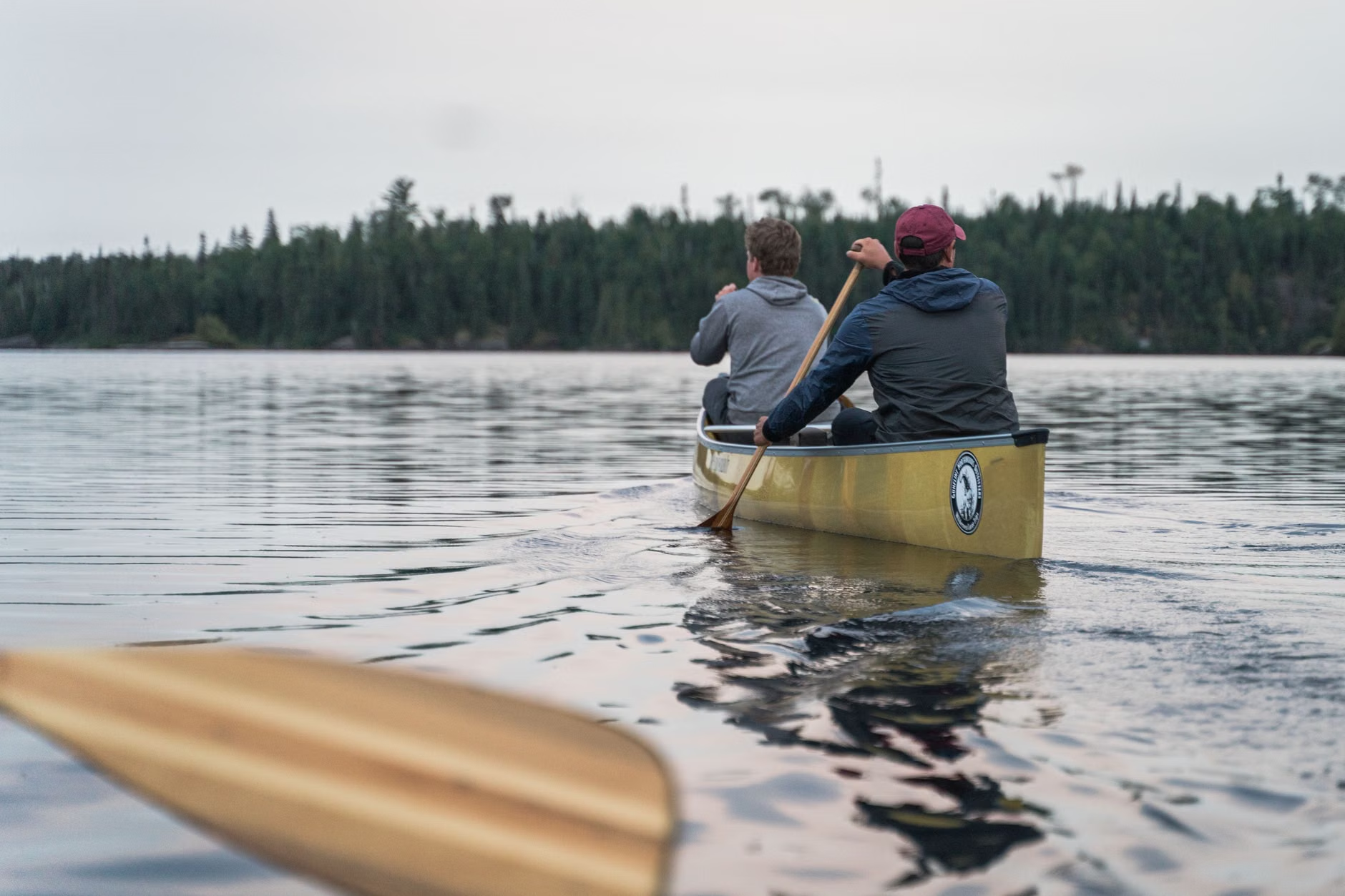
The Dry Bag Strategy: A 10-liter dry bag is your best friend. It doesn’t need to be huge—just large enough to hold your essentials: a dry set of clothes (in case of a splash), a thermos with a warm beverage, your phone, and a high-energy snack. The common mistake here is overpacking; if your bag is too heavy or bulky, it becomes an obstacle in the narrow confines of a canoe.
Footwear Matters: Avoid cotton socks. If they get wet, they stay wet and cold for the duration of your trip. Invest in a pair of wool-blend socks that will retain heat even if they become damp. Pair these with water shoes or old sneakers that have good grip on slippery, leaf-covered riverbanks.
The “Comfort” Variable: Do not underestimate the value of a simple foam seat cushion. Most rental canoes have hard, molded plastic seats. Two or three hours of sitting on plastic can lead to lower back pain, which will ruin the meditative aspect of your trip. A cheap, portable foam pad can be the difference between a relaxing outing and an ache-filled afternoon.
Step-by-Step: The First Hour on the Water
How you start your trip determines how the rest of the day unfolds. Don’t rush the launch. Many people treat the launch as a chore to get out of the way, but it is actually the most critical part of the “slow-adventure” mindset.
- The Pre-Launch Check: Ensure your life vests (PFDs) are properly adjusted. In many regions, regulations require a whistle and a buoyant aid to be on board—check your local maritime safety authority guidelines (e.g., the U.S. Coast Guard or local equivalent).
- Establishing the Rhythm: Don’t try to paddle at a racing pace. Use long, smooth strokes. The goal is to reach a speed where the paddle creates a gentle “swish” rather than a splash. This rhythmic motion is what triggers the relaxation response in your brain.
- The 20-Minute Scan: After 20 minutes, stop paddling and just drift. Use this time to observe the ecosystem around you. Are the leaves changing color at the top of the canopy first? Can you hear the difference in water sound between the deep center of the river and the shallow edges? This forces your brain to shift from “task-completion” mode to “environmental-awareness” mode.
Common Misconceptions and Hidden Trade-offs
There is a persistent myth that canoeing is a “dangerous” sport. In reality, when practiced on calm, flat water, it is statistically very safe. The biggest risk is not the water itself, but the lack of preparation for cold water temperatures. Even if the air is 15°C (59°F), the water temperature can be significantly lower. If you capsize, the shock of cold water can be disorienting. This is why we always emphasize wearing a PFD and keeping your dry bag sealed.
Another common mistake is the “destination trap.” Many people plan a route to get from Point A to Point B, focusing on the destination rather than the journey. If you find yourself checking your watch or your GPS app every ten minutes, you are missing the point. The “slow-adventure” philosophy suggests that if you only make it halfway to your intended destination but feel completely refreshed, you have succeeded. The destination is irrelevant; the mental state is the goal.
Also, consider the weight distribution. If you are paddling with a child or a partner, ensure the heavier person is in the stern (the back) to maintain control. An unbalanced canoe is not only harder to steer, but it also creates unnecessary tension between passengers, which is the exact opposite of what this trip is supposed to achieve.
Managing the Parenting/Life Balance
When you are in your 30s and 40s, “free time” is a precious commodity. It is easy to fall into the trap of thinking that if you aren’t doing something “productive” on your day off, you are wasting time. Reframing canoeing as “maintenance for your mental health” is key. Just as you service your car or perform routine home maintenance, your brain requires maintenance to function optimally during the work week.
If you are taking children along, adjust your expectations. They will not be interested in the “meditative silence” for long. Bring a small waterproof notebook or a pair of binoculars for them to look for wildlife. Turn the trip into a scavenger hunt for different leaf colors or types of birds. By giving them a “mission,” you keep them engaged while allowing yourself the space to enjoy the surroundings.
Finally, avoid the “post-trip crash.” Many people return from a weekend activity and immediately dive into household chores, which negates the benefits of the time away. Plan your return so you have at least an hour of “transition time”—a quiet coffee, a shower, or just sitting on the porch—before you re-enter the chaotic cycle of parenting and responsibilities. This buffer zone is essential for solidifying the sense of calm you just cultivated.
The Long-Term Value of Slow-Adventure
The practice of slow-adventure is not just about a single afternoon on the water. It is about building a repertoire of low-stress activities that you can return to whenever life feels overwhelming. Over time, you will find that you don’t need to travel far or spend much money to find that reset. You will recognize the signs of burnout earlier and know exactly how to address them.
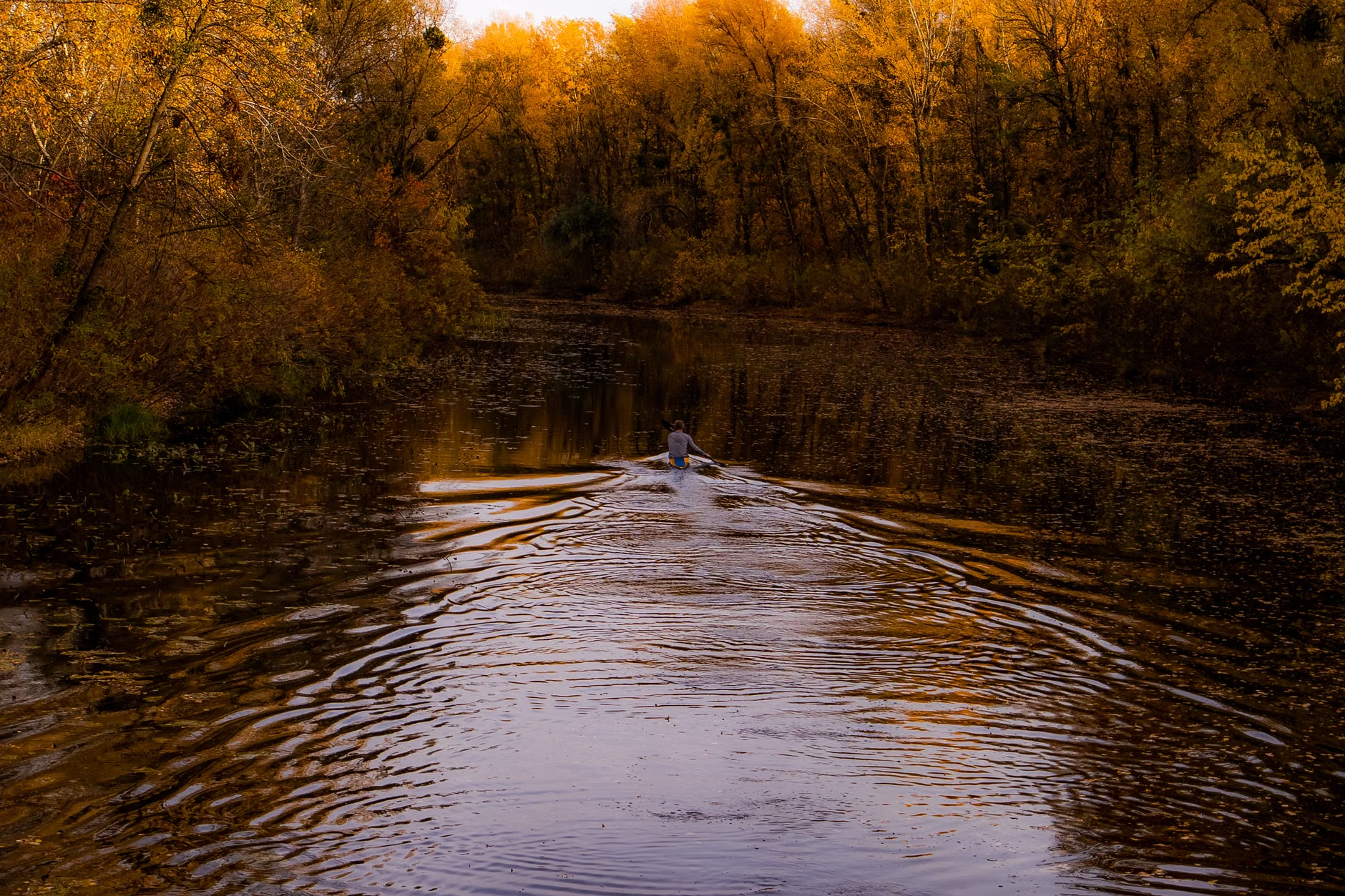
As you become more comfortable with canoeing, you might start exploring different types of water or longer, multi-day trips. However, the core principle remains: it is not about the miles, but about the presence. In a world that demands constant output, the simple act of drifting down a river, watching the autumn leaves drift by, is a radical and necessary act of self-care.
Frequently Asked Questions
Is canoeing difficult for someone who has never done it before?
Not at all. Canoeing on flat, calm water is one of the most beginner-friendly outdoor activities. Most rental facilities offer a quick 5-minute tutorial on basic strokes (forward, reverse, and sweep for turning). The key is to keep your center of gravity low and avoid sudden movements. You will find that you pick up the rhythm within the first 15 minutes of being on the water.
What if the weather is chilly? Is it still enjoyable?
Autumn is actually one of the most comfortable times to paddle, provided you dress in layers. The physical exertion of paddling keeps your core warm, and the cool air prevents the overheating often associated with summer sports. As long as you have a windbreaker and avoid cotton, you will find the crisp air quite invigorating. Just be sure to check the local weather forecast specifically for wind speed, as high winds are more disruptive than low temperatures.
Can I bring my young children, and how do I keep them safe?
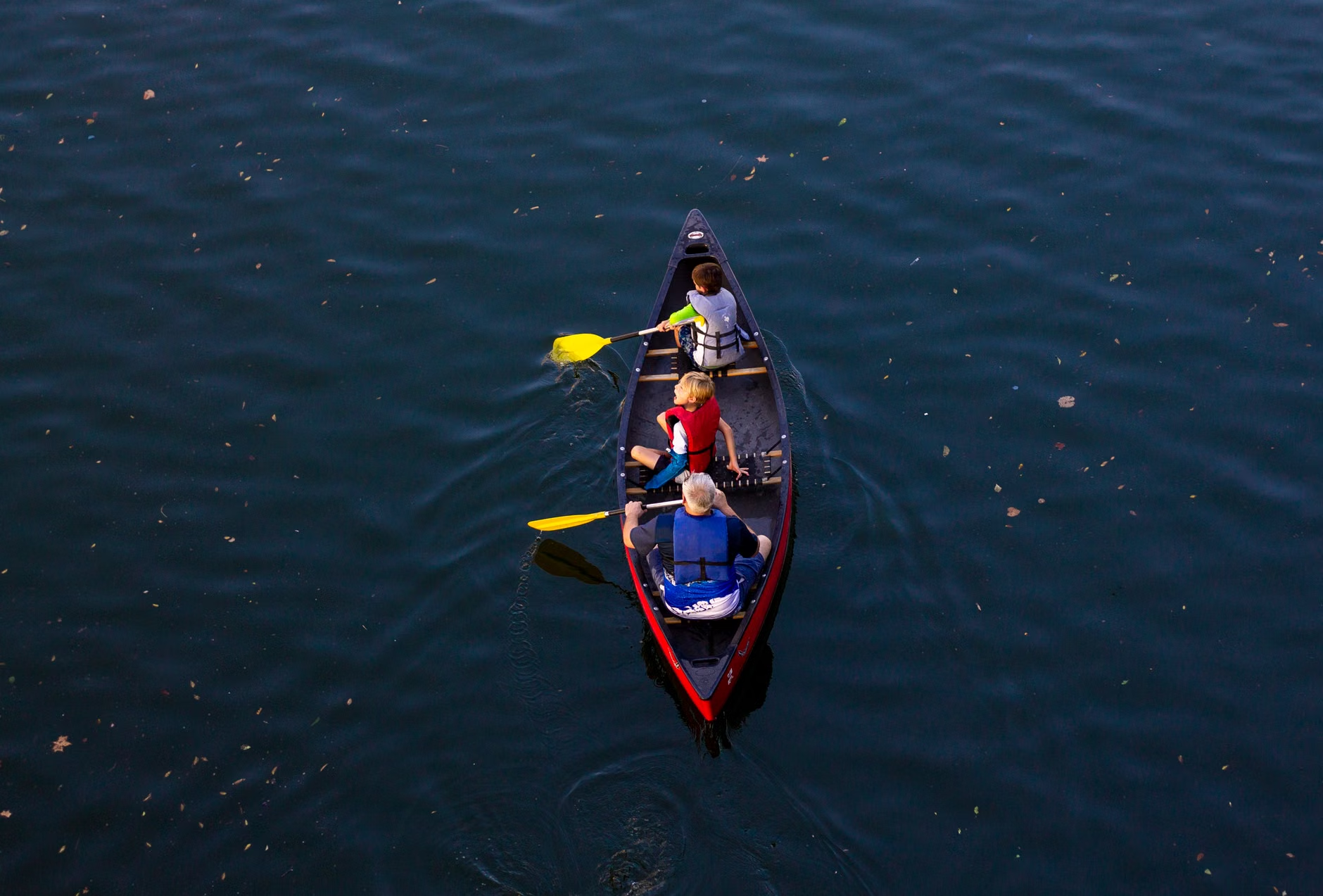
Yes, children can absolutely enjoy canoeing. The most important rule is that every person on the boat must wear a Coast Guard-approved (or your local equivalent) life vest at all times, regardless of their swimming ability. Choose a wide, stable canoe, and ensure the child sits in the middle of the boat to keep the center of gravity low. Keep the trip short, bring plenty of snacks, and prioritize their comfort to ensure they have a positive experience.
For more information on water safety and local regulations, you can consult resources such as the U.S. Coast Guard Boating Safety portal or your national maritime authority’s guidelines on small-craft navigation. Always check local water conditions before heading out.