House swapping is the ultimate “hack” for families looking to travel on a budget, but the primary barrier to entry isn’t the cost—it’s the fear of letting a stranger into your sanctuary. The reality is that house-swapping platforms operate on a mutual-reputation model, meaning the risk is significantly lower than most first-timers anticipate, provided you treat the process with the same level of due diligence you would apply to a legal contract or a major financial transaction.
Key Takeaways for Safe Home Exchanges
- Vet through video calls: Never finalize a swap without a face-to-face video conversation to verify that your exchange partner is who they claim to be.
- Secure your valuables: Use a “lock-out” closet or a heavy-duty safe for personal documents, jewelry, and sentimental items, rather than just hiding them.
- Verify insurance coverage: Confirm with your home insurance provider whether “home exchange” is covered under your current policy, as some standard policies require a specific rider.
The Psychology and Logistics of Trust in Home Swapping
When you open your home to a stranger, you aren’t just handing over keys; you are sharing your personal space, your habits, and your family’s sense of security. It is normal to feel nervous. However, professional home exchange networks, such as HomeExchange or PeopleLikeUs, function differently than typical short-term rental sites like Airbnb. In a swap, there is a “skin in the game” factor: your guest is also a host, and they are staying in your home while you stay in theirs.
This reciprocity creates a natural deterrent against bad behavior. If someone damages your home, they know you are currently residing in theirs, which gives them a massive incentive to leave your place in pristine condition. The most successful swappers don’t rely on “luck”; they rely on a systematic vetting process. Start by screening potential partners based on their profile completion, the number of successful past exchanges, and, most importantly, the quality of their communication.
Common mistakes often stem from rushing the process. If a potential partner is pushy, avoids video calls, or refuses to provide references from previous exchange partners, treat these as red flags. If your gut feeling tells you something is off, trust it. There are thousands of families looking for swaps; there is no reason to settle for an exchange that feels uncomfortable.
Developing Your “Home Security Protocol” Before Guests Arrive
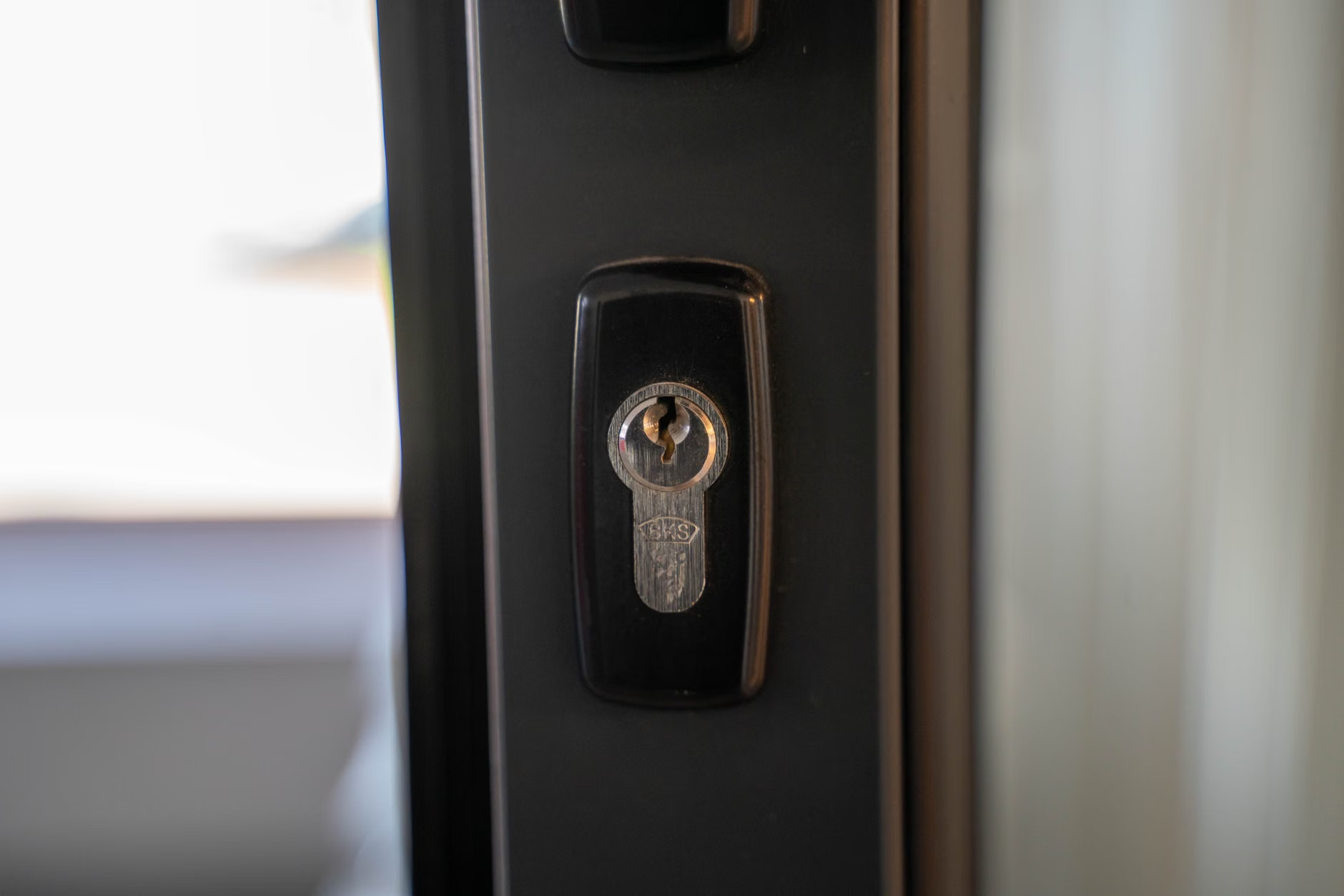
Before you even list your home, you need to establish a physical and digital security protocol. This isn’t just about hiding your grandmother’s silverware; it’s about creating a boundary that protects your privacy while ensuring your guests have a comfortable stay. Start by designating a “private zone.” This could be a spare bedroom, a specific closet, or a home office that remains locked during the duration of the swap.
The “Lock-Out” Strategy: Do not rely on simple bedroom door locks. If you have high-value items, install a heavy-duty, tamper-resistant padlock on a closet door or invest in a floor-mounted safe. For digital security, remember that your home Wi-Fi is a gateway to your personal data. If you have guests, consider setting up a “Guest Network” on your router. This allows them to access the internet without having access to your home network, smart home devices, or networked hard drives.
Another overlooked variable is the “digital footprint” of your home. If you have smart speakers (like Alexa or Google Home) or smart cameras, you need to decide how to handle them. The industry standard is to disclose any interior cameras—and ideally, turn them off or physically cover them during the stay. Most swap platforms strictly prohibit hidden cameras. Transparency here isn’t just a legal requirement in many jurisdictions; it’s the bedrock of the trust required for a successful exchange.
Legal and Insurance Realities for Global Families
One of the most common myths about home swapping is that it is “illegal” or “uninsured.” In reality, it is a legal form of hospitality, but it does interact with your insurance policy in specific ways. Before you commit to a swap, you must call your insurance company. Ask them specifically about “home exchange” or “house sitting.”
Some standard homeowner policies cover guests, while others may consider your home to be a “rental” if money changes hands, which could void your policy. Since house swapping is typically a non-monetary exchange (points-based or direct), it is often treated differently than renting. However, you need written confirmation from your provider.
| Checklist Item | Action Required | Why It Matters |
|---|---|---|
| Insurance | Confirm coverage for guests | Protects against accidental damage or liability. |
| HOA/Lease | Check rules for short-term guests | Avoids fines or eviction in managed buildings. |
| Local Laws | Check city ordinances | Some cities have strict rules on short-term stays. |
If you are a renter, you must check your lease agreement. Many standard leases forbid “subletting.” While a swap isn’t technically a sublet because no money is exchanged, your landlord might see it differently. Always get permission in writing if you are in any doubt. For families in the UK, Australia, or the US, local council or HOA rules are the most common source of “hidden” trouble. Don’t assume your neighbors won’t notice; ensure you have the legal right to host before you list.
The “Handover Ritual”: Communication as a Safety Tool
The transition period—the day you leave and the day your guests arrive—is where most logistical errors occur. A great “handover ritual” is your best insurance policy against misunderstandings. This involves more than just leaving a spare key under the mat (which you should never do, by the way).
Use a lockbox with a code that you change after every guest. If you want to be extra secure, use a smart lock that allows you to generate temporary digital keys that expire at a specific time. This removes the need for physical key exchanges and provides you with a digital log of when the door was opened.
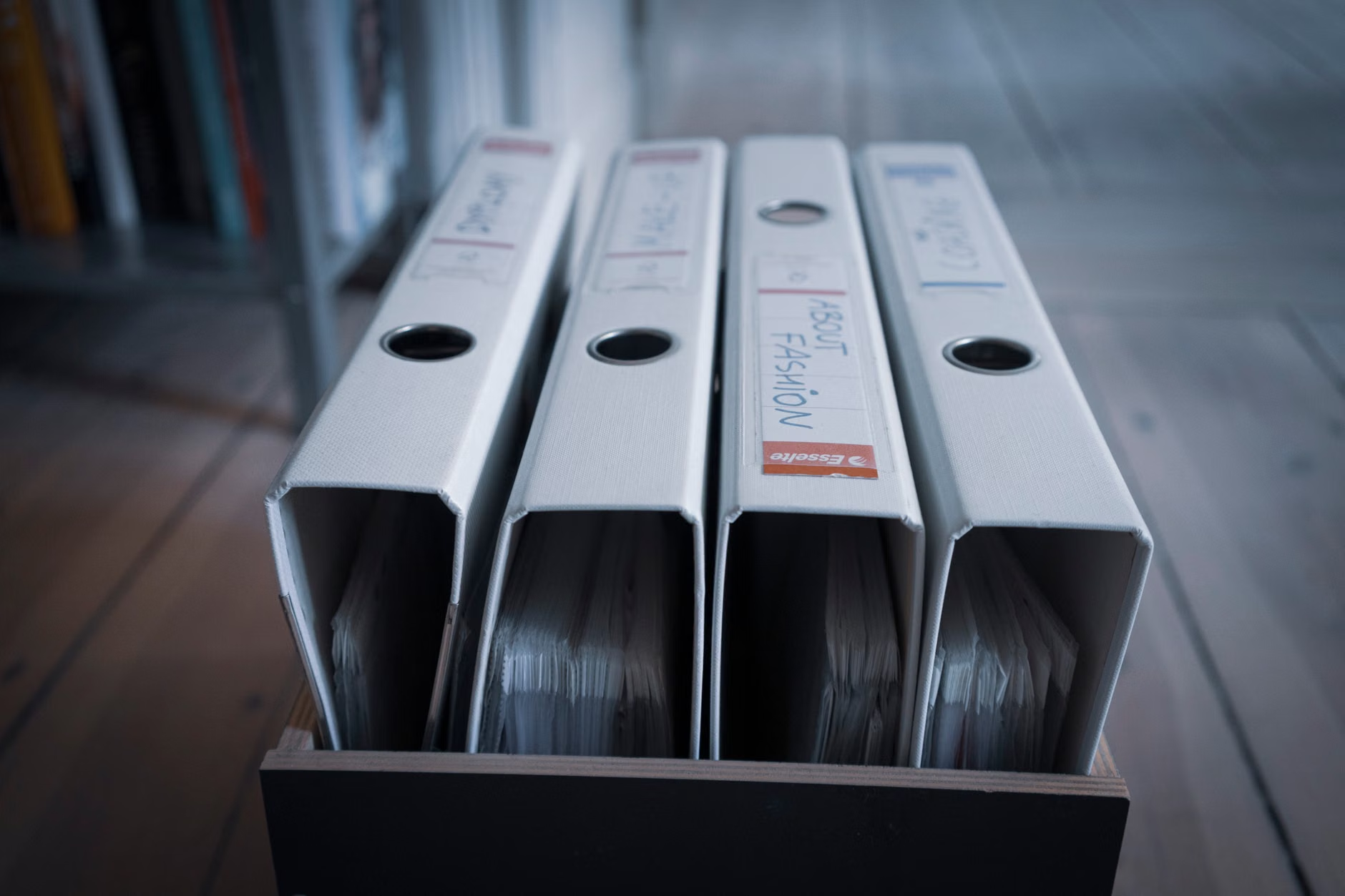
The Home Manual: Create a physical or digital binder that acts as your home’s “operating manual.” Include:
- Emergency Contacts: Local police, fire, hospital, and a trusted neighbor who can assist if something goes wrong.
- Appliance Instructions: How to work the dishwasher, the oven, and the thermostat. Avoids damage caused by misuse.
- House Rules: Be explicit. If you don’t want shoes worn in the house or if there is a specific way to handle the trash, write it down politely.
- The “Off-Limits” List: Clearly label items or rooms that are not to be touched.
By providing clear instructions, you reduce the guest’s anxiety, which in turn reduces the likelihood of them accidentally breaking something or feeling the need to “explore” areas they shouldn’t.
Managing the Unexpected: What Happens When Things Go Wrong?
Even with the best planning, life happens. A pipe might burst, a key might get lost, or a guest might accidentally break an appliance. The difference between a disaster and a minor inconvenience is your preparation. Before you leave, identify a “local contact”—a friend, family member, or professional property manager—who can handle physical emergencies.
Don’t expect your guest to fix a major plumbing issue. Instead, provide them with a list of vetted local tradespeople. If you have a professional cleaning service you use regularly, consider scheduling them to come in the day after you leave and the day before you return. This serves two purposes: it ensures your home is clean, and it provides a “check-in” by a professional who can report any obvious issues.
If you are worried about the “stranger” element, remember that most swap platforms offer some form of insurance or guarantee. For example, HomeExchange offers a service guarantee that covers property damage, theft, and even cancellation. Read the fine print of your platform’s terms of service. Knowing exactly what is covered and what isn’t allows you to make an informed decision about whether you need supplemental private insurance.

The “Golden Rule” of Successful Swapping
The most important, yet often overlooked, aspect of house swapping is the “Golden Rule”: treat your guest’s home with more care than you treat your own. If you model this behavior, you will find that your exchange partners will almost always reciprocate. It sets the tone for the entire relationship.
When you arrive at the exchange home, take a “walkthrough video” immediately. Document the condition of the home, any existing damage, and the state of the appliances. Send a friendly message to your host: “We’ve arrived safely! Everything looks wonderful, and we’re so excited to be here.” This simple step confirms your arrival and establishes a baseline in case there is any dispute later.
If you find that the home is not as described, or if something is broken, contact your host immediately through the platform’s messaging system. Do not wait until you return home. Keeping a paper trail of communication within the platform is essential for any potential dispute resolution.
Final Thoughts for the Modern Family
House swapping, when done correctly, is one of the most rewarding ways to experience the world. It turns travel from a series of expensive, sterile hotel stays into a genuine, immersive experience. It teaches children about global citizenship and allows families to live in neighborhoods they would otherwise never experience.
The risks are manageable. They are not “inherent dangers” but rather “logistical variables” that you can control through vetting, clear communication, and proper preparation. If you take the time to set up your home, verify your insurance, and build a rapport with your exchange partners, you will find that the world is much more welcoming than the news might lead you to believe.
Take that first step by updating your profile, being honest about your home’s quirks, and looking for partners who share your values. Your next great family adventure is likely just one “accept” button away.
Frequently Asked Questions
1. How do I know if a potential exchange partner is trustworthy?
Look for platforms that require identity verification (ID checks). Always prioritize partners with multiple verified reviews from past swaps. Most importantly, insist on a 15-minute video call. If they refuse to show their face or answer questions about their home, move on to the next candidate. Trust your instincts; if the communication feels forced or evasive, it’s not worth the risk.
2. Should I hide my personal documents and valuables?
Yes, as a standard precaution. Even if your guests are vetted and trustworthy, it is best practice to remove or lock away passports, birth certificates, jewelry, and sensitive financial documents. Use a high-quality safe or a dedicated, locked “owner’s closet.” This isn’t about distrust; it’s about minimizing liability and protecting your peace of mind.
3. What if my homeowners insurance doesn’t cover home exchanges?
If your current policy excludes home exchanges, do not assume you are protected. Contact your broker and ask if they offer a “short-term rental” or “home sharing” endorsement. If they don’t, look into specialized travel insurance providers that offer coverage for home exchange participants. Never proceed with a swap if you are uncertain about your liability coverage.
For further reading on travel safety and property protection, visit the FBI’s resources on internet safety and consult your specific country’s insurance ombudsman for guidance on home-sharing liability.