- Prioritize Complexity, Not Just Sweetness: The secret to a great non-alcoholic drink is depth; use bitters, shrubs, and botanical distillates to mimic the “bite” and aromatic profile of traditional alcohol.
- Manage the Narrative by Normalization: Do not apologize for the lack of alcohol. Treat the zero-proof menu as a premium, curated selection rather than a “substitute” for what guests are missing.
- The 3-Tier Strategy: Always offer a mix of ready-to-drink premium sodas, complex mocktails, and simple water-based infusions to cater to different tastes and pacing.
The most successful zero-proof event is one where your guests don’t spend the entire evening wondering where the wine is. If you are in your 30s or 40s, you’ve likely noticed a shift: the “all-night drinking” culture is receding, replaced by a preference for intentional social connection. Whether you are hosting friends who are sober, parents who need to be sharp for a 6:00 AM wake-up call, or simply exploring a healthier lifestyle, hosting a zero-proof gathering is no longer a niche challenge—it is a modern social skill.
Hosting without alcohol isn’t about restriction; it is about elevation. When you strip away the numbing effect of alcohol, the focus shifts to the quality of conversation, the presentation of your food, and the intentionality of the beverages you serve. Here is how you can host a sophisticated, memorable evening that leaves everyone feeling refreshed rather than sluggish.
Understanding the Shift: Why Zero-Proof is Gaining Momentum
We are currently witnessing a “sober-curious” movement that spans across generations, but it hits differently for those of us juggling careers and parenthood. In our 30s and 40s, we have less “biological budget” for hangovers. A single glass of wine on a Tuesday night can impact your sleep quality and your energy levels for the following day’s school drop-off or early morning meeting.
The rise of the zero-proof market—often called “NA” or non-alcoholic—is not just a trend; it is a response to a practical problem. People want the ritual of a drink—the clinking of glasses, the complexity of a flavor profile, the act of holding a beautiful vessel—without the physiological tax of ethanol. This is not about preaching sobriety; it is about offering a high-quality alternative that respects the guest’s desire to wake up feeling 100%.
Curating Your Beverage Menu: The Science of Complexity
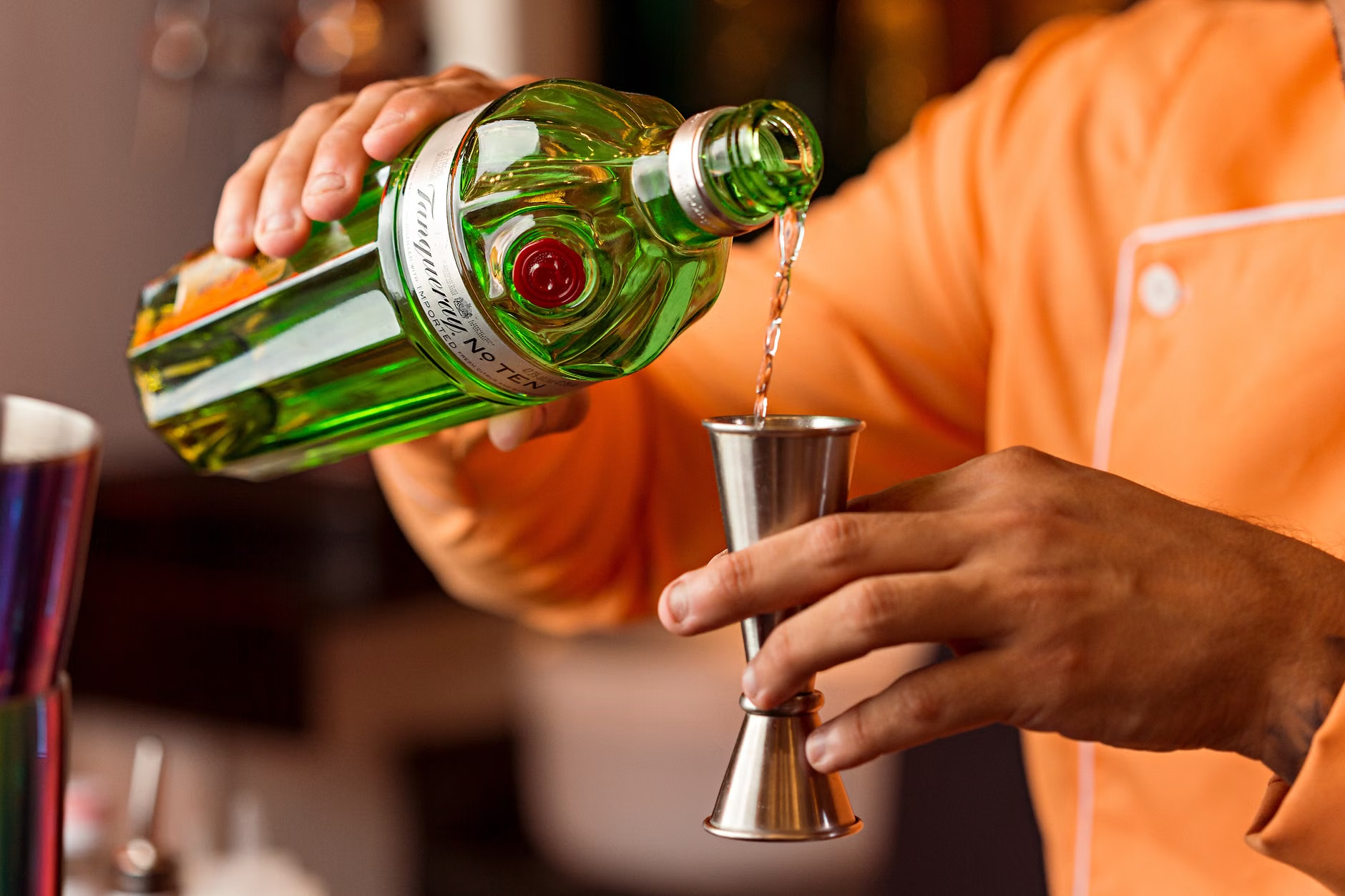
The biggest mistake hosts make when going zero-proof is defaulting to sugary juice blends or simple sodas. If your beverage menu is just “sweet,” it will feel like a child’s birthday party. To make it feel adult and sophisticated, you need to mimic the three pillars of a classic cocktail: Acid, Bitterness, and Aromatics.
1. The Role of Bitters and Botanicals
Alcohol provides a “burn” or “bite” that makes a drink feel substantial. Without it, a drink can taste thin. To fix this, look for non-alcoholic botanical spirits that use ingredients like juniper, ginger, chili, or cinchona bark. A small dash of high-quality cocktail bitters (be mindful that most contain trace amounts of alcohol; use non-alcoholic bitters if you are hosting for someone in recovery) can add the depth of flavor that your guests are subconsciously looking for.
2. Shrubs and Fermented Flavors
Shrubs—which are essentially drinking vinegars—are the secret weapon of the zero-proof host. They provide a tart, complex acidity that wine or spirits usually offer. You can mix a blackberry-basil shrub with sparkling water for a drink that feels complex and “grown-up.” The vinegar provides a sharp finish that cleanses the palate, making it a perfect pairing for dinner.
3. The Three-Tier Hosting Strategy
You don’t need a massive budget or a chemistry lab to impress your guests. Use this table to balance your menu:
| Category | What it is | Why include it |
|---|---|---|
| The “Aperitif” | Botanical spirit + tonic + grapefruit peel. | Provides that classic “pre-dinner” ritual feel. |
| The “Palate Cleanser” | Sparkling water with fresh herbs and cucumber. | Refreshing, hydrating, and low-calorie. |
| The “Bold Sipper” | Spiced tea or shrub-based mocktail. | Mimics the weight and complexity of a red wine. |
Setting the Tone: How to Frame the Experience
Your attitude as a host dictates how the evening will be perceived. If you apologize for the lack of alcohol, you are implicitly telling your guests that the evening is “less than.” Instead, frame it as a curated, intentional experience. You are choosing to serve these specific, high-quality beverages because they pair perfectly with your menu or because they are refreshing and unique.
Most guests, especially those in their 30s and 40s, will actually be relieved to have a high-quality alternative. You aren’t taking away their fun; you are giving them the gift of being present. When you hand someone a beautiful glass with a thoughtful garnish, they aren’t thinking about the absence of alcohol—they are thinking about the effort you put into the drink.
Common Mistakes to Avoid
Even with the best intentions, it is easy to fall into traps that make a zero-proof event feel awkward. Here are the most common pitfalls and how to avoid them:
- The “Sugary Water” Trap: Avoid mixing juices with sodas. It is cloying and will lead to a sugar crash. Always aim for a 3:1 ratio of carbonated water to your “flavor base” (shrub, tea, or botanical spirit).
- Forgetting the Garnish: In a cocktail, the garnish is often an afterthought. In a mocktail, it is essential. A sprig of charred rosemary, a dehydrated citrus wheel, or a fresh mint bouquet adds visual cues that signal to the brain that this is a “special” drink.
- Ignoring Temperature: Alcohol-free drinks often lose their appeal faster if they warm up. Serve your drinks in chilled glassware, and use large, clear ice cubes that melt slowly to maintain the dilution and temperature of the drink.
Planning the Menu: Pairing Food with Zero-Proof Drinks
Just as you would pair a bold Cabernet with a steak or a crisp Riesling with spicy Thai food, you can pair non-alcoholic beverages with your meal. The key is to think about the weight and acidity of the drink.
If you are serving a heavy, savory dish like a roasted mushroom risotto, you need a drink with a bit of “tannic” weight. A black tea infusion brewed with a touch of smoke or a dark cherry shrub works beautifully here. If you are serving light appetizers or seafood, go for something citrusy, herbal, or sparkling. The acidity of a lemon-thyme tonic acts exactly like a crisp white wine, cutting through the richness of the food and cleansing the palate.
Don’t be afraid to experiment. If you find a bottle of non-alcoholic sparkling wine you like, keep it chilled. It serves the same function as a traditional toast and creates that festive feeling without the headache the next morning.
The Hidden Variable: Managing Guest Expectations
There is a social etiquette to consider when you host a zero-proof party. If your friends are used to a “wine and cheese” night, they might come expecting to drink. It is perfectly fine to be transparent about your plans. You don’t need to make a big announcement, but a quick note in your invitation (“We’re curating a special zero-proof menu for the evening!”) sets the tone and avoids any awkward confusion at the door.
If you have a guest who is particularly vocal about their preference for alcohol, don’t argue with them. You are the host. You provide the environment. If they feel they must have alcohol, they are free to bring their own, but your role is to provide a beautiful, inclusive, and thoughtful experience for everyone.
Logistics: The Practical Side of Hosting
Hosting is about logistics as much as it is about hospitality. When you aren’t managing a bar, you have more time to focus on the food and the conversation. However, you still need to ensure your “bar” is accessible. Set up a station where guests can pour their own drinks. Use high-quality glassware—never plastic. The weight and feel of the glass in the hand are significant parts of the social ritual. If you are using non-alcoholic spirits, keep them front and center so guests can see the premium ingredients you are using.
Also, consider the pacing. Without the “slow down” effect of alcohol, guests might drink their beverages faster. Ensure you have plenty of sparkling water and ice on hand. Refresh the ice bucket throughout the night. A warm, diluted drink is the enemy of a good zero-proof experience.
Refining Your Approach: Insights for the Long Term
As you host more, you will develop your own “house mocktails.” Keep a notebook of what works. Did that rosemary-infused simple syrup pair well with the pomegranate juice? Was the ginger beer too spicy for the salad? These are the small details that make you a great host. You are essentially building a library of recipes that you can rotate based on the season.
Another overlooked insight: Texture. Alcohol provides a “mouthfeel” that is hard to replicate. You can mimic this by using egg whites (or aquafaba, the liquid from a can of chickpeas) to create a frothy, velvety head on a drink. This simple trick elevates a basic fruit juice blend into a sophisticated “sour” style cocktail that feels incredibly luxurious.
Finally, remember that the goal is connection. If you are stressed about the drinks, your guests will feel it. Keep the menu simple enough that you aren’t stuck in the kitchen all night. The best parties are the ones where the host is actually participating in the conversation, not just managing the bar.
Building Your Toolkit: Recommended Resources
To dive deeper into the world of non-alcoholic mixology, look into resources that focus on “botanical extraction” and “flavor balancing.” Books like “Good Drinks” by Julia Bainbridge provide excellent frameworks for understanding how to build a complex drink from the ground up. You can also find reputable information on the science of flavor pairing through culinary databases or professional mixology forums that are increasingly focusing on the NA market.
Always verify the ingredients of any commercial non-alcoholic spirit you buy. Some contain very small amounts of alcohol (less than 0.5% ABV), which is technically non-alcoholic but may be a concern for those with strict dietary or health restrictions. If you are unsure, always check the label or the manufacturer’s website.
Official guidelines on alcohol-free labeling can be found on government food safety portals, such as the U.S. Food and Drug Administration (FDA) for general labeling standards, or your local equivalent. Understanding the difference between “0.0% ABV” and “non-alcoholic” can be important if you are hosting guests with specific health needs.
Frequently Asked Questions
1. How can I make sure my guests don’t feel like they are “missing out” on the party vibe?
The “party vibe” comes from the energy of the people and the environment, not the alcohol. By providing high-quality, complex drinks that are presented beautifully, you signal that the evening is special. Focus on the sensory experience—the garnish, the glassware, and the flavor—and your guests will feel that they are participating in an elevated experience rather than a restricted one.
2. Are there specific brands of non-alcoholic spirits that are worth the investment?
There are many premium options now, such as Seedlip, Lyre’s, or Ghia. These brands invest heavily in the distillation process to capture the aromatic essence of herbs, spices, and barks. While they are an investment, they last a long time because they are used in small quantities, much like a bottle of gin or whiskey. They provide the “base” that makes a drink feel like a true cocktail.
3. What if I have a guest who insists on alcohol?
It is your home and your event. If a guest asks, you can politely explain that you are focusing on a zero-proof menu for the evening. If they are truly uncomfortable, they can choose not to attend, or they may choose to bring their own. However, in most cases, if you present the drinks as a “curated menu” rather than a “sober event,” most guests will be curious and happy to try what you have prepared.
Hosting a zero-proof gathering is a bold, modern choice. It shows that you value your guests’ well-being and that you are willing to put effort into creating something unique and memorable. Start small, experiment with flavors, and most importantly, enjoy the process of hosting a gathering that leaves everyone feeling better than when they arrived.