The most successful modern celebrations no longer rely on alcohol as the primary social lubricant; instead, they prioritize a curated, inclusive experience where the quality of the beverage matches the quality of the conversation.
- Prioritize Complexity: The secret to a successful zero-proof menu is layering flavors—use bitters, shrubs, and botanical syrups to replicate the “bite” and depth typically associated with alcohol.
- The “Self-Serve” Station: Dedicate a specific area for guests to customize their drinks; this reduces the pressure on the host and allows guests to control their own flavor profiles.
- Inclusive Atmosphere: When hosting a mixed crowd of drinkers and non-drinkers, integrate non-alcoholic options into the main menu rather than isolating them, ensuring everyone feels equally considered.
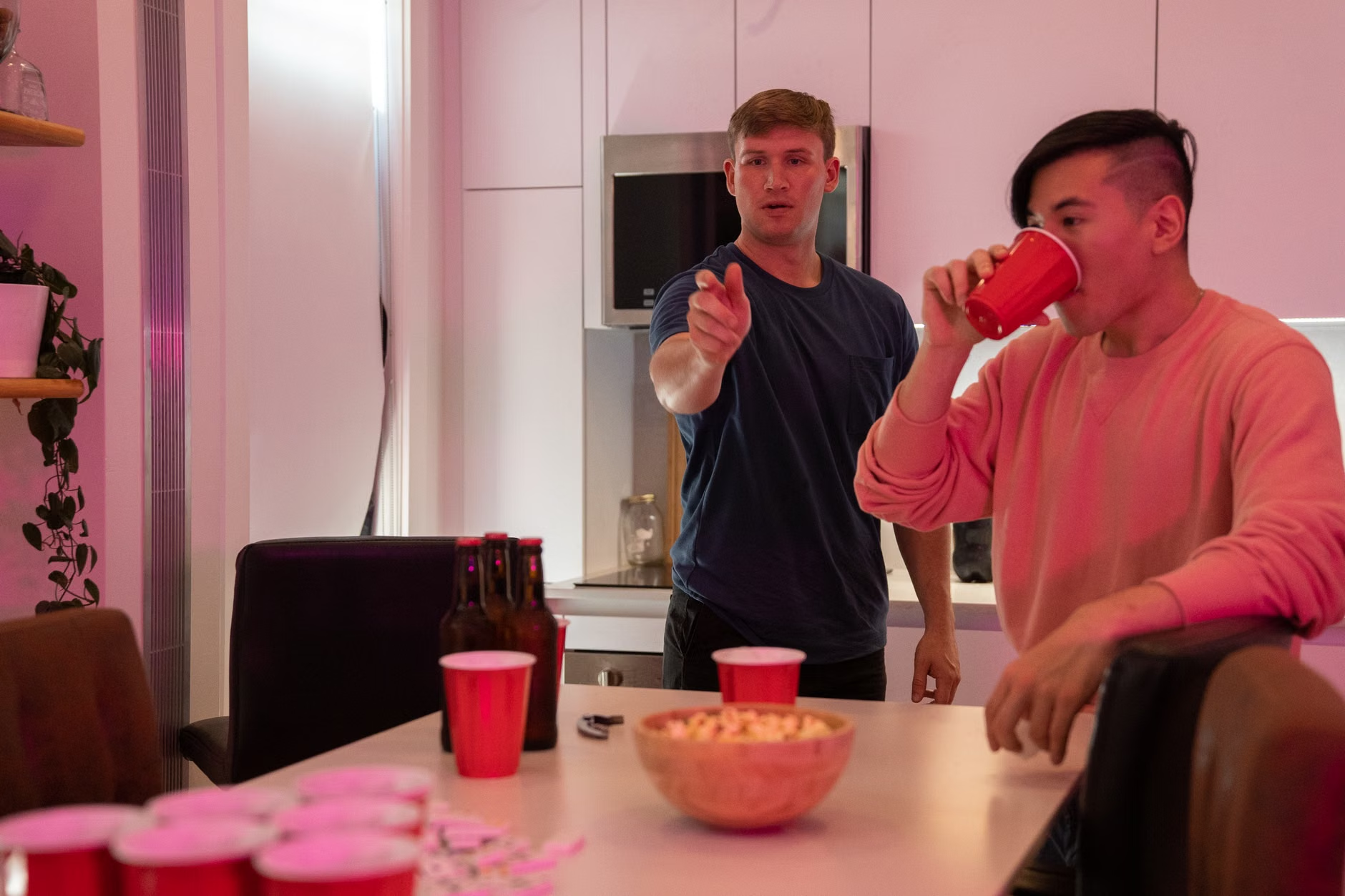
If you have reached your 30s or 40s, you have likely noticed a shift in your social circles. The late-night, alcohol-heavy gatherings of your 20s are being replaced by brunch get-togethers, dinner parties, and kid-friendly celebrations where clarity—and a lack of a Sunday morning headache—is the new luxury. Hosting a “zero-proof” or non-alcoholic event isn’t about restriction; it is about elevating the experience so that the beverage is a deliberate choice, not an afterthought.
The challenge for many hosts is the fear that a party without booze will feel “lacking.” This is a misconception. By applying the same level of care to your non-alcoholic offerings as you would to a wine pairing, you transform the beverage program into a highlight of the evening rather than a compromise.
Why the “Zero-Proof” Shift Matters for Your Social Calendar
The rise of the “sober-curious” movement is not merely a passing trend; it is a fundamental shift in how we approach social health. For parents and professionals in their 30s and 40s, the trade-off of alcohol—poor sleep, diminished energy for the kids the next day, and the physiological impact—often outweighs the temporary social reward. When you host a zero-proof event, you are essentially providing your guests with the social space to connect without the blurred edges that alcohol often introduces.
This matters because it changes the dynamic of your gathering. When people are not drinking, conversations tend to be more coherent, memories are more vivid, and the “social battery” lasts longer. However, the host must be intentional. If you simply offer water or sugary soda, the event will feel like a downgrade. To make it feel sophisticated, you must treat your non-alcoholic ingredients with the same respect as premium spirits.
The Anatomy of a Perfect Zero-Proof Drink: Flavor and Mouthfeel
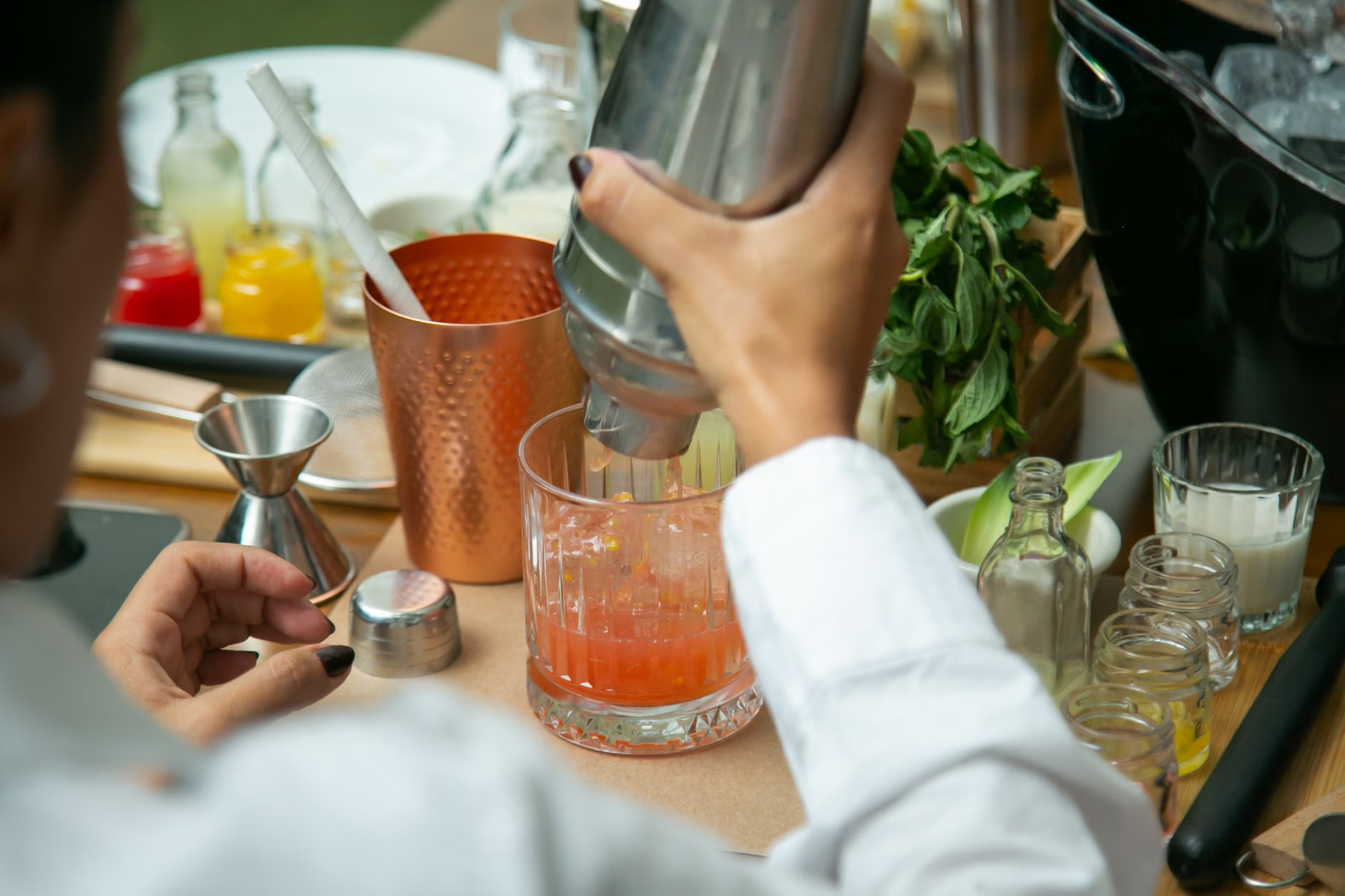
The biggest mistake hosts make is assuming that “non-alcoholic” means “fruit juice.” Real, high-end mixology relies on three pillars: acidity, bitterness, and body. Alcohol provides a “burn” and a viscosity (mouthfeel) that is difficult to replicate, but not impossible.
Mastering the Elements
- Bitters: Most classic cocktail bitters (like Angostura) contain trace amounts of alcohol, but the amount per dash is negligible. If your guests are strictly alcohol-free, look for non-alcoholic bitters or glycerine-based tinctures. These add the essential depth that keeps a drink from tasting like “fancy juice.”
- Shrubs: These are vinegar-based syrups infused with fruit, herbs, or spices. The acidity of the vinegar mimics the bite of alcohol and provides a complex, savory finish that pairs beautifully with food.
- Botanicals: Use fresh herbs like rosemary, thyme, or basil. Muddle them to release essential oils. If you are feeling ambitious, create a simple syrup infused with peppercorns, cardamom, or ginger to add a spicy finish that lingers on the palate.
Consider the “mouthfeel” variable. Alcohol is dense. To replicate this, use ingredients that add weight. Aquafaba (the liquid from a can of chickpeas) is a game-changer for cocktails—when shaken, it creates a rich, silky foam that gives a drink a professional, bar-quality texture.
Designing Your Menu: A Strategic Approach to Hosting
When planning your menu, avoid the “all-or-nothing” trap. You don’t need to ban alcohol entirely (unless that is your specific goal), but you should ensure that the non-alcoholic options are presented with the same aesthetic appeal as the alcoholic ones. If you are serving wine, provide a high-quality non-alcoholic alternative, such as a dealcoholized sparkling wine or a sophisticated tea-based blend.
Here is a comparison of how to approach different types of gatherings:
| Event Type | Beverage Strategy | Key Consideration |
|---|---|---|
| Casual Brunch | Build-your-own shrub bar with sparkling water and fresh garnishes. | Keep it bright and acidic to complement breakfast foods. |
| Formal Dinner | Pairing specific non-alcoholic botanical spirits with each course. | Focus on depth and tannin-like profiles (e.g., black tea or grape-based). |
| Afternoon Playdate | Large batch iced tea infusions with fruit and herb garnishes. | Keep it simple and refreshing; emphasize hydration. |
The goal is to ensure that even the guest who chooses not to drink feels like they are participating in the ritual of the party. When a guest holds a glass that looks as elegant as a classic cocktail, they are much more likely to feel comfortable and engaged.
Executing the “Self-Serve” Station: The Host’s Secret Weapon
One of the biggest anxieties for hosts is “bartending duty”—the feeling that you are stuck behind a counter while everyone else is socializing. A self-serve zero-proof station solves this by turning the preparation into an interactive activity.
Step-by-Step Setup:
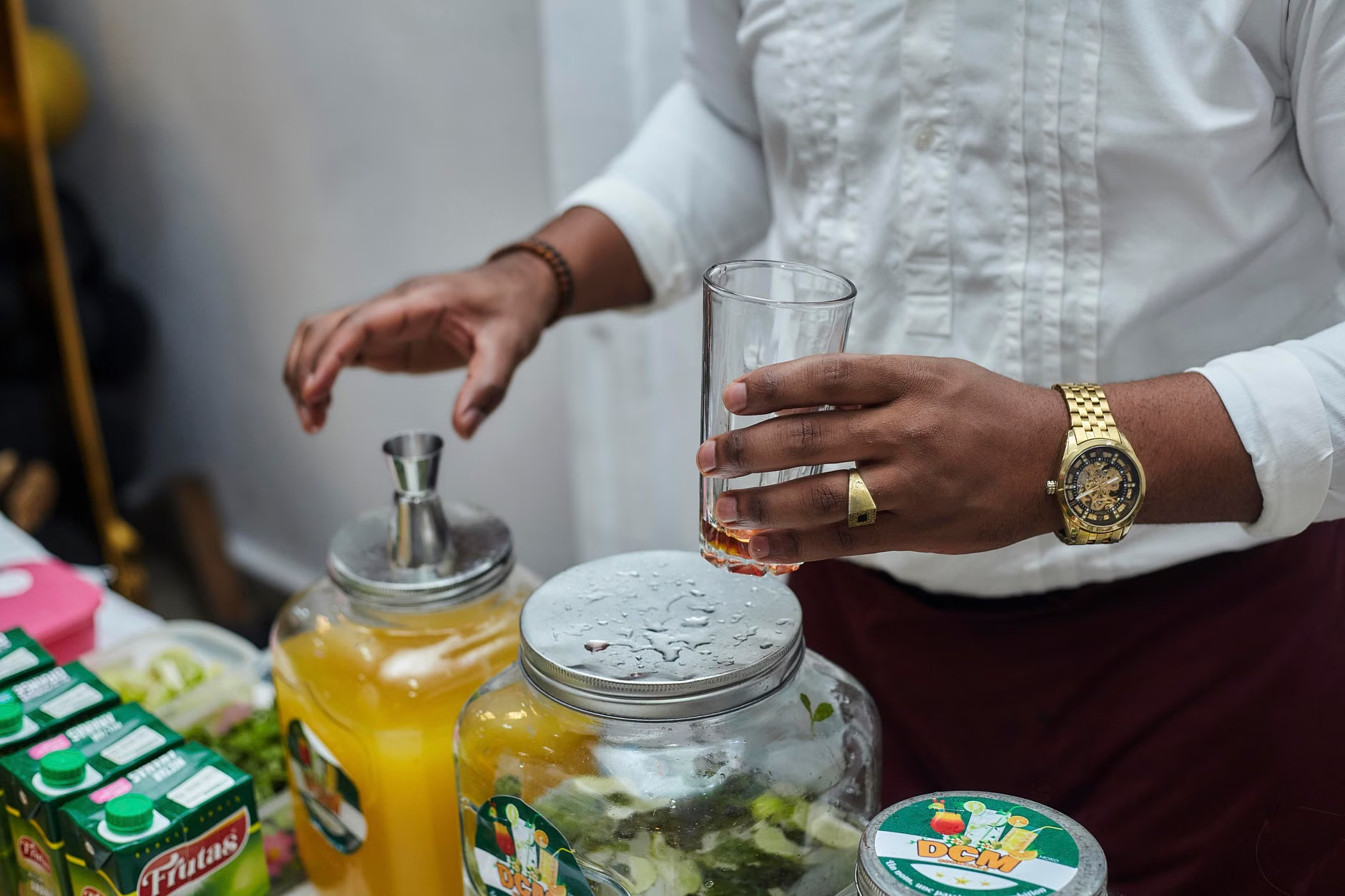
- The Base: Provide high-quality tonics, sparkling waters, and at least two types of non-alcoholic “spirits” (there are many high-end brands now that use distilled botanicals).
- The Modifiers: Set out small bowls with simple syrups, shrubs, and fresh citrus juices.
- The Garnishes: This is where the magic happens. Use fresh herbs, edible flowers, citrus wheels, and even cucumber ribbons. The visual appeal of a well-stocked garnish tray signals to guests that they are in for a premium experience.
- The “Cheat Sheet”: Print out 2-3 simple “recipes” on small cards. For example: “The Garden Spritz: 2oz Botanical Base + 4oz Tonic + Sprig of Rosemary.” This gives guests confidence to experiment.
Common Mistake: Providing too many options. A cluttered station is overwhelming. Stick to a curated selection of 3-4 base spirits and a few high-impact mixers. Quality over quantity is the rule for any successful home bar.
There is often an unspoken pressure to drink when hosting or attending events. By being the one to normalize zero-proof options, you are actually doing your guests a favor. Many people in their 30s and 40s are looking for an excuse to drink less but feel awkward asking for a mocktail if it isn’t offered.
When you present your zero-proof menu, don’t apologize for it. Don’t say, “I’m sorry, I don’t have any wine.” Instead, say, “I’ve curated a really special selection of botanical drinks for tonight—I think you’re going to love this blend.” The confidence in your presentation will set the tone for the entire event.
If you are hosting a mixed crowd, ensure the non-alcoholic drinks are physically integrated into the bar area. Do not hide them in the kitchen. When they are front-and-center, they are seen as a legitimate choice, not a consolation prize.
The Hidden Economics of Zero-Proof Hosting
A common misconception is that zero-proof hosting is cheaper. While it *can* be, premium non-alcoholic spirits often cost as much as mid-range alcohol. However, the value proposition is different. You are paying for the complexity of the ingredients and the health-conscious nature of the product.
Furthermore, consider the “hidden” costs of alcohol-heavy events: the potential for property damage, the need for ride-sharing arrangements, and the “day-after” productivity loss. When you host a zero-proof event, you mitigate these risks. You are essentially investing in a higher-quality interaction where everyone stays present and engaged.
Decision Rule: If you are hosting a large group, focus your budget on 1-2 high-quality non-alcoholic base spirits and supplement them with high-end tonics and fresh produce. You don’t need to stock the entire range of products available on the market; focusing on one flavor profile—like “citrus and ginger” or “botanical and floral”—often results in a more cohesive and sophisticated menu.
Addressing Common Concerns: What If Guests Ask for Alcohol?
It is perfectly acceptable to host a zero-proof event. If you are worried about guests wanting alcohol, be clear on the invitation. A simple note like, “We are hosting an alcohol-free celebration with a curated menu of botanical cocktails,” sets the expectation immediately. Most people will appreciate the transparency and the creative effort you have put into the menu.
If you are hosting a mixed event, keep a small selection of wine or beer, but keep it low-key. By prioritizing the visibility and quality of your zero-proof drinks, you will find that even the “drinkers” in your circle will be curious and likely to try your creations. The key is to make the non-alcoholic drinks look so good that they become the drink of choice for everyone, not just those abstaining.
Final Thoughts: The Art of Presence
At the end of the day, hosting is about creating an environment where your guests feel comfortable, valued, and entertained. By removing the reliance on alcohol, you aren’t removing the “fun”—you are removing the distraction. You are creating a space where the focus is on the people, the food, and the shared experience.
The most important takeaway for any host is that your guests follow your lead. If you treat your zero-proof menu with enthusiasm and care, your guests will respond in kind. Start small, experiment with flavors, and don’t be afraid to ask for feedback. You will soon find that the best parties are the ones where everyone remembers the conversation the next morning.
For further inspiration on non-alcoholic mixology, explore resources like Seedlip’s recipe archives or the Dry January guides provided by health organizations, which offer excellent insights into flavor balancing without alcohol. Always remember that the goal is progress in your hosting skills, not perfection in the glass.
Frequently Asked Questions
1. Do I need to buy expensive non-alcoholic spirits to host a good zero-proof party?
Not necessarily. While commercial non-alcoholic spirits provide a great foundation, you can achieve incredible complexity using household ingredients like high-quality teas (for tannins), shrubs (for acidity), and fresh herbs (for aromatics). Focus on layering these flavors rather than relying on one expensive bottle.
2. How do I balance the menu if some guests still want to drink alcohol?
The best approach is to make your non-alcoholic options the “feature.” If you offer alcoholic beverages, keep them in a separate, smaller section of the bar. By giving your zero-proof drinks prominent placement, fancy glassware, and fresh garnishes, you make them the default, sophisticated choice for everyone, regardless of their drinking habits.
3. What is the most common mistake when starting to host zero-proof events?
The most common mistake is failing to account for “mouthfeel.” Alcohol provides a weight and texture to drinks that sugar-heavy sodas lack. Incorporating ingredients like aquafaba, coconut milk, or even a dash of olive brine can provide the body and texture that makes a drink feel like a “cocktail” rather than a soft drink.
For more information on mindful drinking and non-alcoholic alternatives, visit the Drinkaware guidelines for understanding the impact of alcohol and exploring healthier social choices.