Key Takeaways
- The “Zoom Town” effect persists: Suburban properties with dedicated office spaces or extra bedrooms have seen a 10-15% valuation premium compared to homes lacking these features.
- Commute distance is no longer king: Proximity to transit hubs is being superseded by high-speed internet reliability and local neighborhood walkability as primary value drivers.
- The “Office-Flex” tax: Homes that cannot be easily adapted for hybrid work risk long-term depreciation as buyer preferences shift toward permanent work-from-home integration.
If you have spent any time scrolling through real estate listings lately, you might have noticed that the “commuter dream”—a tiny condo within walking distance of the city train station—has lost some of its shine. In its place, the suburban dream has evolved. It’s no longer just about a big backyard; it’s about whether you can fit a desk in the spare room without feeling like you’re working in a broom closet.
The shift to hybrid and remote work isn’t just a temporary adjustment to a global health crisis; it is a fundamental restructuring of how we value our living spaces. For those of us in our 30s and 40s, juggling school runs, grocery hauls, and Zoom calls, this shift has massive implications for our net worth and our quality of life.

The Death of the Commuter Premium and the Rise of the “Flex-Space” Value
For decades, the golden rule of real estate was “location, location, location,” which usually translated to “how fast can you get to the city center?” The closer to the central business district (CBD), the higher the price per square foot. That logic has been flipped on its head. Today, the “commuter premium” is rapidly deflating in many markets, replaced by what we might call the “flex-space premium.”
What does this mean in real life? If you are looking at two houses of similar size, the one with an open-plan living area that can accommodate a sleek, ergonomic workstation—or better yet, a dedicated home office—is consistently outperforming the house with a “formal” dining room that rarely gets used. Buyers are no longer paying for status symbols like formal living rooms; they are paying for utility.
The data suggests that homes with an extra bedroom or a flexible “nook” have seen price appreciation rates significantly higher than their single-use counterparts. When you are buying or selling, you need to stop looking at a floor plan through the lens of 2010 and start looking at it through the lens of 2025. If a house requires significant renovation to create a quiet, professional space for remote calls, that is a direct deduction from its value in the eyes of a modern buyer.
Infrastructure Beyond the Office: Why “Quiet” is the New Luxury
When we talk about suburban value, we often focus on the house itself. However, the external environment has become just as critical. In the past, being near a highway or a major train line was the pinnacle of accessibility. Today, that noise pollution is a massive negative factor. If you work from home, the sound of a train at 10:00 AM is not a convenience; it’s a distraction that ruins your focus.
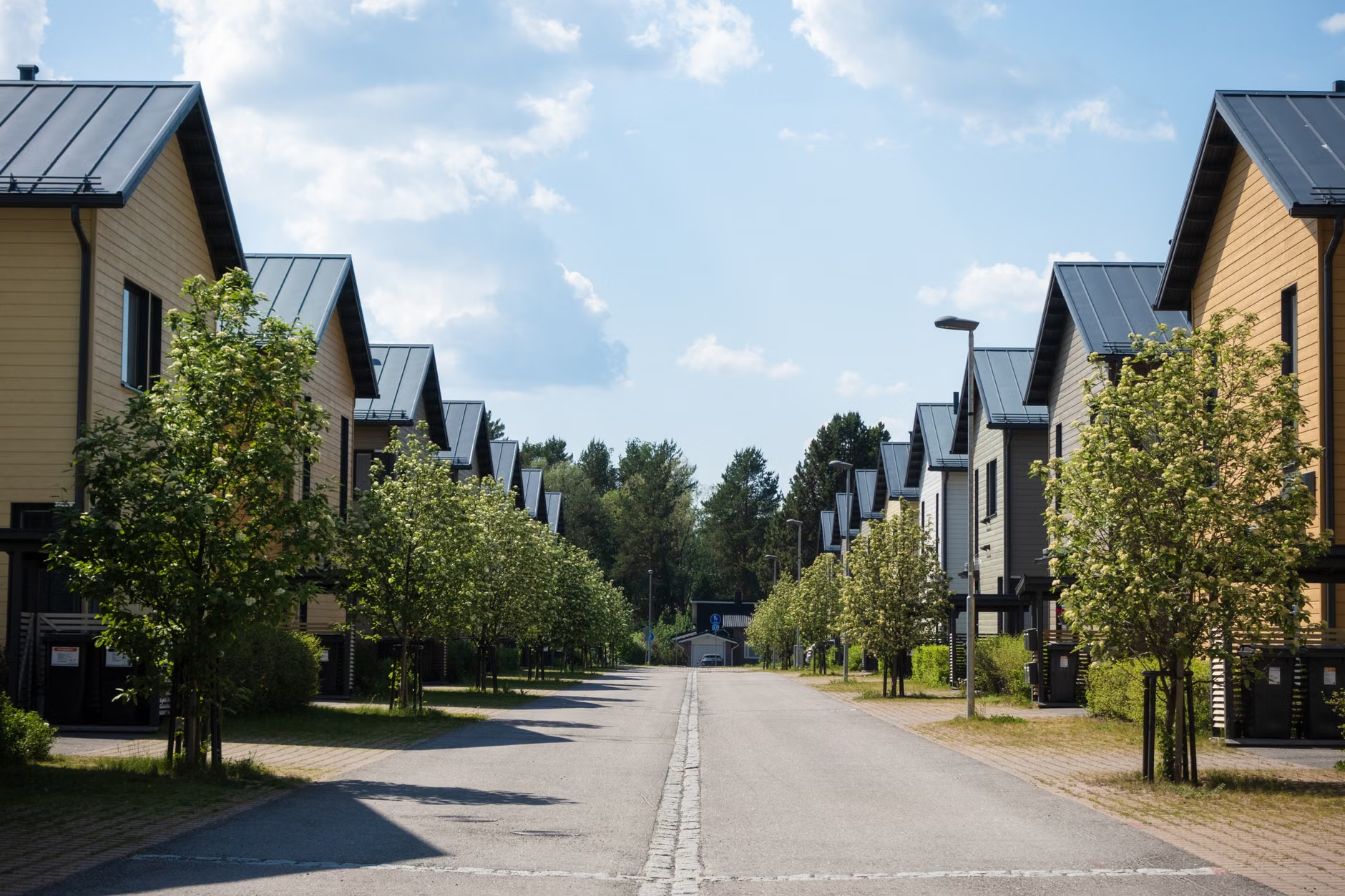
Suburban neighborhoods that offer “quiet luxury”—walking trails, low traffic density, and proximity to green space—are seeing a surge in demand. This is particularly true for parents. If you are working from home, the ability to step out for a 15-minute walk in a park during a lunch break is a mental health necessity, not a luxury. Real estate developers are noticing this, and it is reflected in the premium prices for homes located near parks, forests, or quiet community centers.
The “walkability” score of a suburb has also changed. It’s no longer about walking to a subway station; it’s about walking to a decent coffee shop, a grocery store, or a gym. If your potential home requires a 20-minute car ride to buy a carton of milk, its long-term value is likely to stagnate. We are seeing a “localization” of life, where the neighborhood needs to be a self-contained ecosystem.

The Hidden Financial Risks of the “Work-From-Home” Renovation
Many homeowners in their 30s and 40s are currently pouring money into home offices, soundproofing, and high-speed infrastructure. While this is great for your daily productivity, you need to be careful about the return on investment (ROI). Not all renovations are created equal.
A common mistake is over-personalizing the space. For example, installing custom-built floor-to-ceiling bookshelves might look great in a home design magazine, but if they occupy the only wall where a desk could go, you’ve actually reduced the functionality of the room for a future buyer. Always prioritize “neutral flexibility.”
Before you spend $20,000 on a high-end office renovation, ask yourself: “Does this make the room more versatile, or less?” A room that can easily transition from a home office to a guest bedroom or a playroom is worth far more than a room that is locked into a single function. In the current market, versatility is king. If you are planning a renovation, focus on:
- Lighting: Ensure the space has natural light. This is non-negotiable for video calls and general well-being.
- Connectivity: Hardwired ethernet ports in the wall are a major selling point. Wi-Fi is fine, but a stable, wired connection is the gold standard.
- Acoustics: Consider subtle soundproofing solutions, like solid-core doors or acoustic wall panels that blend into the décor.
The “Digital Nomad” Influence on Suburban Demographics
The rise of remote work has allowed people in their 30s and 40s to move further away from the city center, which has effectively exported urban prices to once-affordable suburbs. This is the “Zoom Town” phenomenon. If you are currently living in a suburban area, you may have noticed an influx of younger, tech-savvy families moving in from the city.
This demographic shift is changing local services. Suburbs that were once “sleepy” are suddenly seeing an increase in high-quality dining, boutique fitness studios, and improved local schools. This creates a positive feedback loop: better services attract more residents, which increases property values, which attracts even better services.
However, there is a catch. If your suburb is experiencing rapid growth, investigate the local infrastructure. Are the roads congested? Is the local school system struggling to keep up with the influx of new families? A neighborhood that is “hot” today can quickly become a headache if the local government fails to scale services alongside the population growth. Always check the municipal long-term development plans before settling down in a high-growth area.
Comparative Analysis: City vs. Suburb in the Hybrid Era
To help you weigh your next move, let’s look at how the different housing categories compare under the new “hybrid work” paradigm.
| Housing Type | Hybrid-Work Suitability | Value Drivers | Risk Factor |
|---|---|---|---|
| City Center Condo | Low (Limited space) | Proximity to nightlife/transit | High vacancy, rising HOA fees |
| Inner-Ring Suburb | Moderate (Needs updates) | Commute/School quality | Gentrification pressure |
| Outer-Ring Suburb | High (Space availability) | Green space/Home office potential | Long commute if RTO (Return-to-Office) mandates increase |
The table above highlights that “suitability” is not static. If you have a job that requires two days in the office, the “Outer-Ring” suburb might be a dream on Monday, but a nightmare on Tuesday. The key to choosing the right location is to model your “commute cost.” Calculate not just the time, but the stress and the financial cost of commuting twice a week versus four times. If your employer is firmly “remote-first,” then the Outer-Ring becomes the clear winner for value and quality of life.
Actionable Steps for the Modern Homeowner
If you are looking to purchase or renovate, here is your roadmap for maximizing value in a hybrid-work world:
- Conduct a “Connectivity Audit”: Before making an offer on a house, check the fiber-optic availability. In many regions, this is the single most important utility—even more than the quality of the kitchen appliances.
- Prioritize the “Third Space”: Look for houses that have a clear separation between living zones and work zones. If you can’t close a door on your work, you will never truly be “off” the clock.
- Check the Zoning for Home Businesses: Some suburbs have strict rules about running a business from home. If you are a freelancer or consultant, ensure your potential neighborhood doesn’t have restrictive covenants that could hinder your professional life.
- Don’t Ignore the “Return-to-Office” (RTO) Risk: Even if your job is remote today, look for properties that are within a reasonable distance (e.g., 60-90 minutes) of a major hub. If the market shifts and you need to change jobs, you don’t want to be trapped in a location that forces you into a three-hour commute.
The most important insight to remember is that real estate value is increasingly tied to the flexibility of the home. We are moving away from a world of “rooms with specific purposes” toward a world of “adaptable volumes.” A room that can be a nursery today, a home office tomorrow, and a guest suite the day after is the ultimate asset. When you are assessing your property, stop thinking about how many bedrooms it has and start thinking about how many different ways those rooms can be configured to support a life that is lived, worked, and played in the same space.
Finally, keep an eye on interest rates and local policy, but don’t let them paralyze you. The trend toward hybrid work is structural. Companies are saving money on office leases, and employees are gaining back hours of their lives. This is a win-win that won’t be reversed by a single economic cycle. Build your home—and your life—around the idea that your space should work as hard as you do.
Frequently Asked Questions
1. Does a dedicated home office add more value than a finished basement?
Generally, yes. A dedicated, well-lit home office is a primary requirement for a significant portion of the modern workforce. A finished basement is a “nice to have” entertainment space, but it often lacks the natural light and professional environment necessary for daily work. If you have to choose between the two, invest in a dedicated office space on an upper floor.
2. How do I know if my suburb is at risk of “Zoom Town” burnout?
Look for signs of rapid, unplanned growth. If the local infrastructure (roads, sewage, school capacity) is lagging behind the new housing developments, the area may lose its appeal over time. Check local council or municipal planning minutes—they are usually public—to see what infrastructure projects are actually funded versus just discussed.
3. Is high-speed internet considered an essential utility for property valuation?
Absolutely. In many regions, homes without access to high-speed fiber or reliable broadband are seeing a “connectivity discount.” Buyers are increasingly asking for internet speed tests during the inspection phase. If you are selling, ensure your listing highlights the specific internet service providers and speeds available at the property.
For further reading on how remote work trends are influencing regional housing policies, you can visit the OECD Housing Policy portal or check your local government’s urban planning department website for specific regional growth projections.