- Cognitive and Linguistic Boost: Toddlers in multigenerational homes often show accelerated vocabulary growth due to increased exposure to diverse speech patterns and storytelling.
- Emotional Resilience: Consistent presence of a secondary attachment figure (like a grandparent) helps toddlers develop better emotional regulation and reduces separation anxiety.
- The “Village” Factor: Intergenerational living provides a built-in support system that reduces parental burnout, which is directly correlated to more positive, patient, and responsive parenting styles.
If you have ever found yourself staring at a pile of laundry while your toddler has a meltdown, you have likely daydreamed about the “village” everyone tells you is necessary for raising a child. In our modern, often isolated, nuclear family setup, that village is frequently missing. This is where the trend of intergenerational living—sharing a home with grandparents or older relatives—is making a comeback, not just as a financial necessity, but as a deliberate choice for child development.
The impact of this arrangement goes far beyond having an extra pair of hands to help with the dishes. It fundamentally reshapes the developmental environment of a toddler. When a child is raised in a household with multiple generations, they aren’t just learning from their parents; they are participating in a complex, multi-layered social ecosystem. But does this actually translate into better outcomes for your child, or does it just add another layer of complexity to your already busy life?
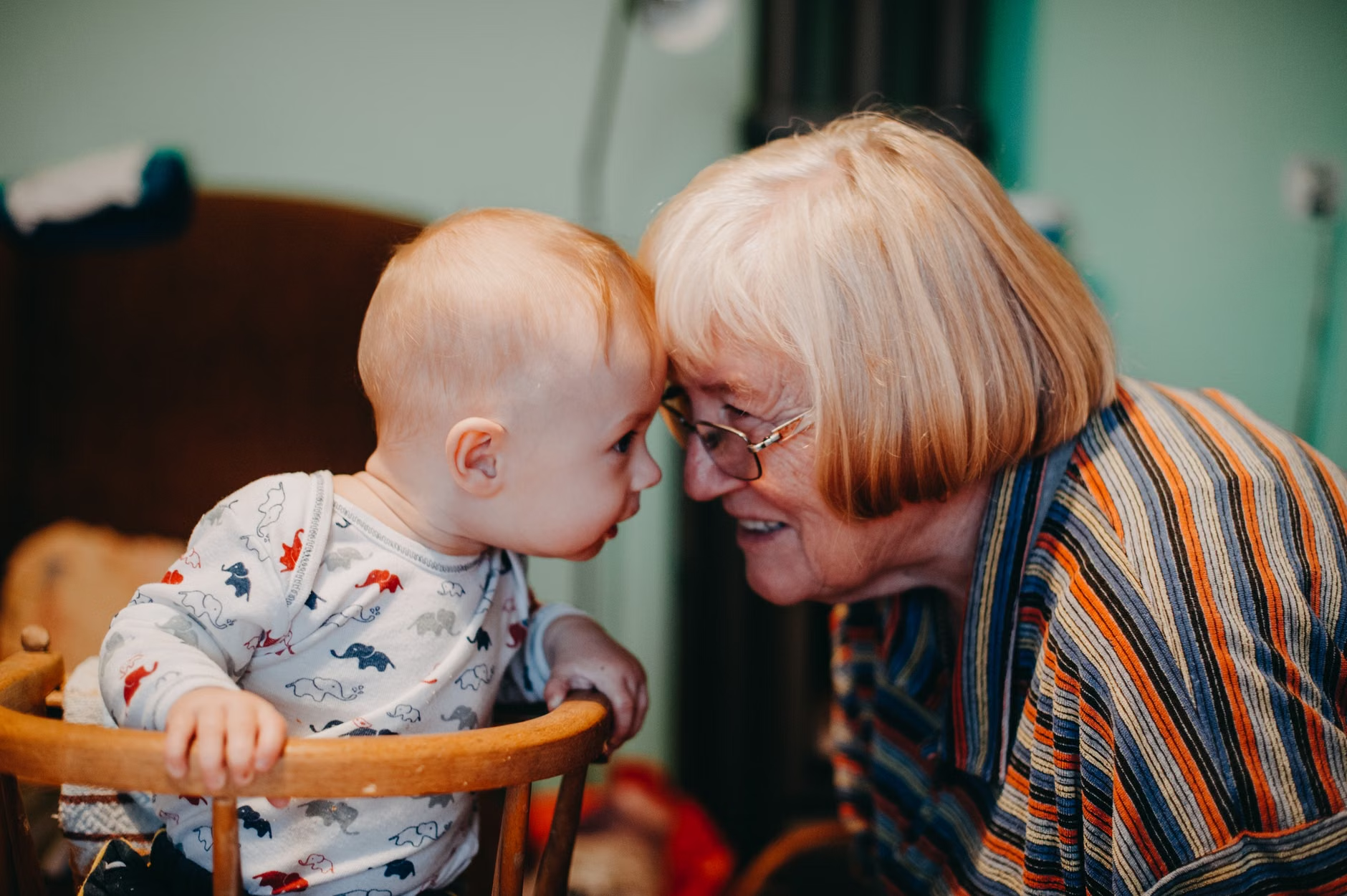
Why Multiple Generations Change the Linguistic Landscape
Toddlers are like sponges, but they are specifically tuned to the language they hear most often. In a standard nuclear household, a child is primarily exposed to the speech patterns, vocabulary, and pacing of one or two adults. When you introduce a grandparent into the mix, you aren’t just adding another person; you are adding a different dialect, a different rhythm of speech, and a different set of life experiences.
Research suggests that exposure to varied linguistic inputs can help toddlers develop “cognitive flexibility.” When a child hears their parent speak in a professional or hurried tone, and then hears a grandparent use slower, more descriptive language, they begin to categorize and understand that language is a tool used in different ways for different contexts. This doesn’t just increase their vocabulary; it improves their pragmatic language skills—knowing how to talk to different people in different ways.
Common Misconception: Many parents worry that having multiple adults will “confuse” the child or delay speech development. In reality, the opposite is often true. The key is the quality of the interaction. If the grandparent is an active participant—singing songs, reading books, or narrating their day—the child receives a richer diet of language. The risk only arises if the adults in the home are not communicating with the child or if there is significant conflict that creates a tense, non-communicative atmosphere.
Building Emotional Resilience Through Secondary Attachment
We often talk about the “primary attachment” between a child and their parent, but the “attachment theory” in developmental psychology also accounts for secondary attachment figures. When a toddler has a secure, loving relationship with a grandparent, it provides a safety net that benefits the child’s emotional regulation.
Think about a toddler who is struggling with a temper tantrum. If the parent is at their wit’s end, the presence of a grandparent who can step in with a calm, non-reactive presence can change the entire trajectory of that moment. This is what we call “co-regulation.” The child learns that when one adult is overwhelmed, there is another source of stability. This prevents the child from internalizing the parent’s stress as their own.
In practice, this looks like a child who is generally more adaptable. They have learned that there are different ways to be comforted. They learn that “No” from Mom might mean a redirect to a different activity, whereas “No” from Grandma might mean a hug and a distraction with a snack. This teaches the child that their world is flexible and that they have multiple avenues for connection and support.
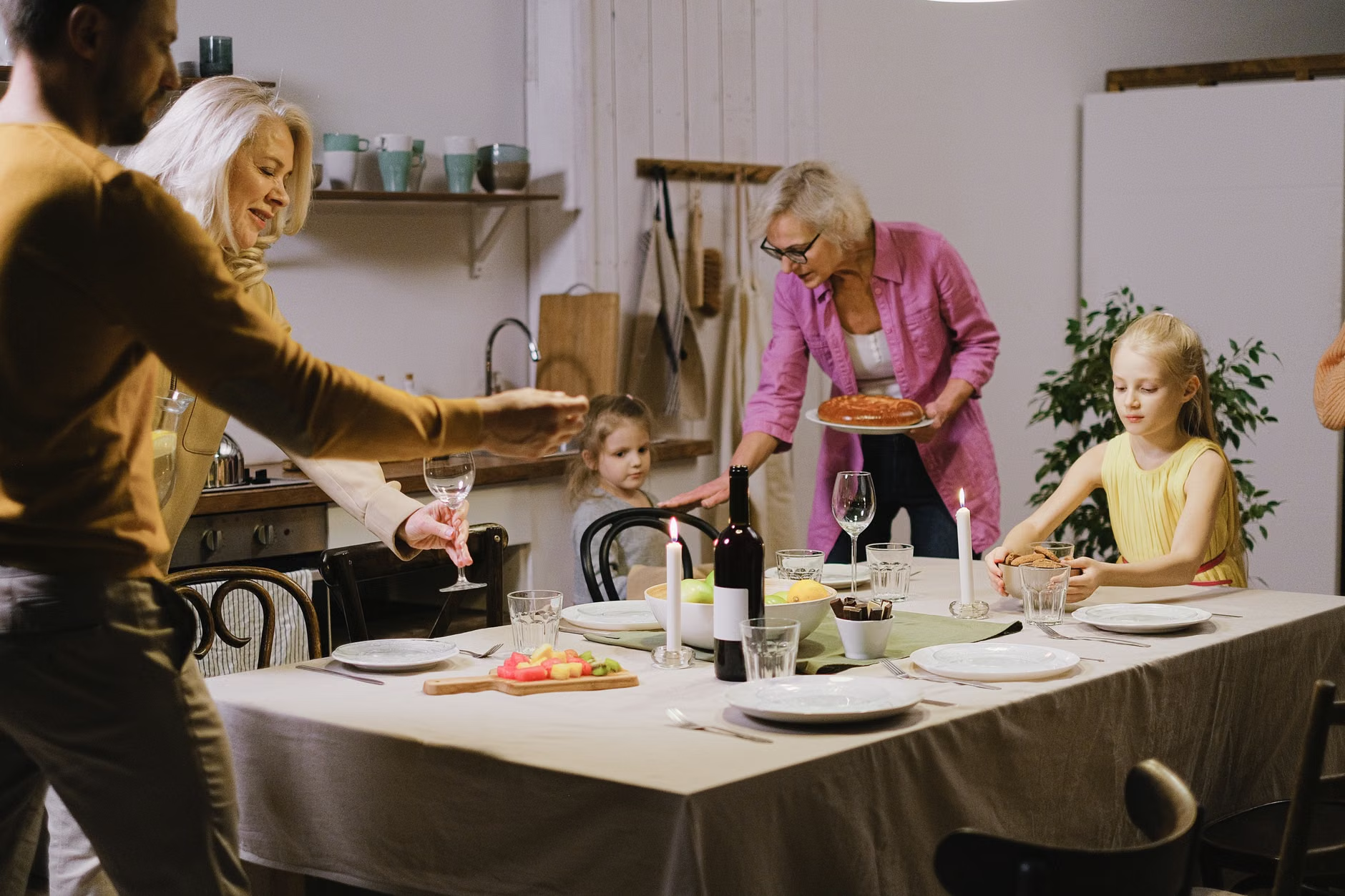
The Hidden Benefit: How Your Reduced Stress Impacts the Child
One of the most profound impacts of intergenerational living on a toddler is actually indirect. It is the effect on the parents. When you are in your 30s or 40s, you are likely balancing a career, financial pressures, and the relentless physical demands of a toddler. This is a high-stress period. When you are stressed, your capacity for “serve-and-return” interaction—the back-and-forth communication that builds a child’s brain—diminishes.
Intergenerational living provides a buffer. Even something as simple as a grandparent taking the child for a 20-minute walk allows the parent to reset. When you return to the child, you are more patient, more observant, and more present. This is not just a “nice to have”; it is a developmental necessity. A parent who is not burned out is a more responsive parent, and responsiveness is the single strongest predictor of healthy social-emotional development in toddlers.
Comparison: Nuclear vs. Intergenerational Support Systems
| Factor | Nuclear Family | Intergenerational Household |
|---|---|---|
| Primary Care | Exclusively parents | Shared responsibility |
| Stress Levels | High (limited relief) | Moderate (shared load) |
| Social Exposure | Limited to peer groups | Exposure to diverse age groups |
| Financial Load | Often singular burden | Shared resources/housing |
This table illustrates why the intergenerational model is gaining traction. However, it is vital to note that this requires a certain level of boundary-setting. The “benefit” only exists if the household structure is functional. If the living situation creates more conflict than it solves, the stress on the parents will negate any positive impact on the child.
It would be disingenuous to suggest that living with your parents or in-laws is all sunshine and developmental milestones. It is complex. The most common mistake parents make is failing to establish a “unified front” regarding parenting styles. If a grandparent undermines your rules—for example, giving the toddler sweets when you’ve said no—the toddler quickly learns to manipulate the divide.
Actionable Step: You must have a “Pre-Living Agreement.” Before moving in, sit down and discuss the “Big Three”: discipline, nutrition, and screen time. You don’t need to agree on everything, but you must agree on the non-negotiables. If a toddler sees that Mom and Grandma have different rules for the same situation, they will become anxious and push boundaries to see which rule “wins.”
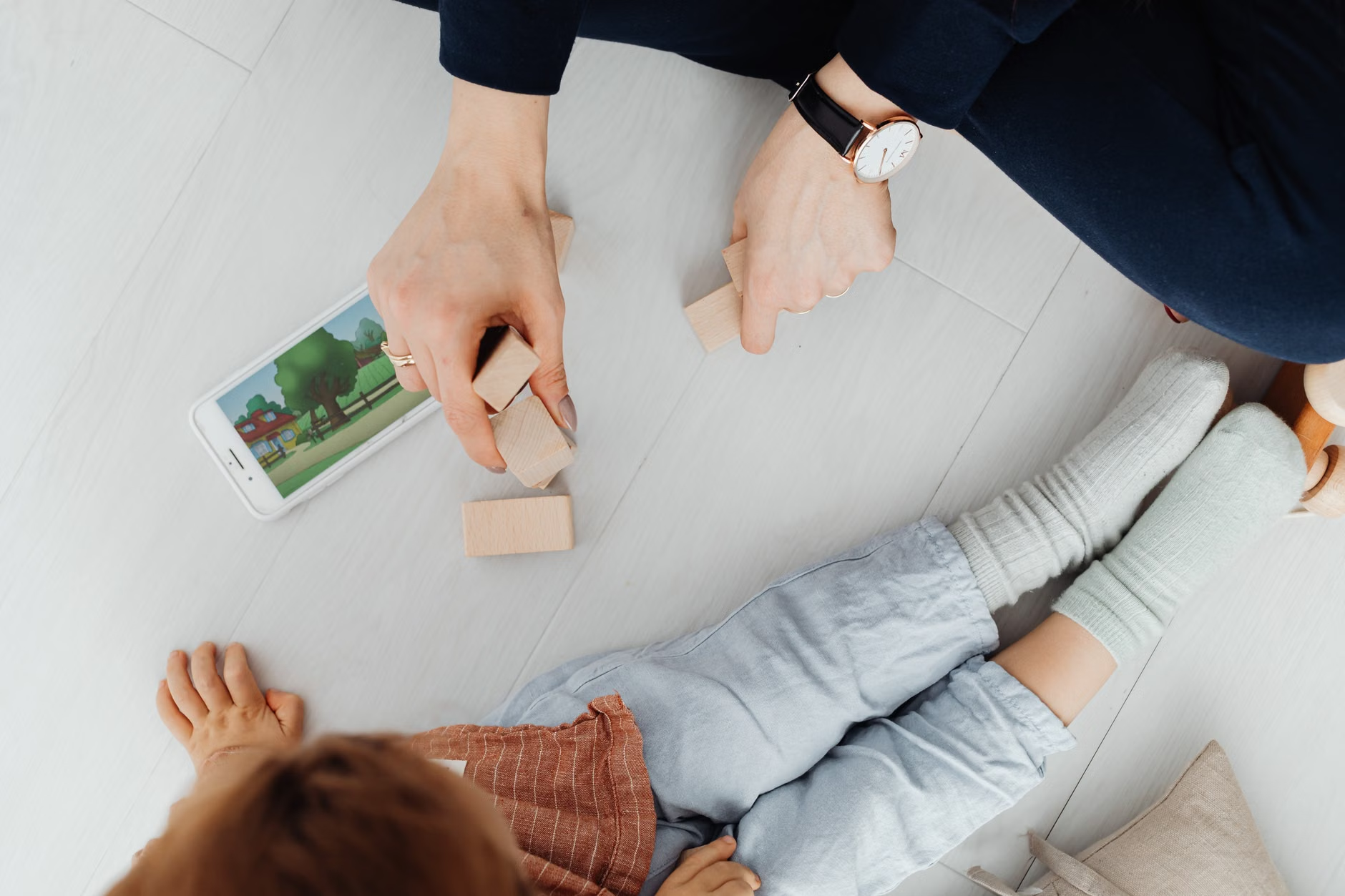
The Role of Routine and Independence
Another overlooked variable is the risk of the child becoming overly dependent on the “extra” adults. While it is great for a toddler to have many people to love them, they also need to learn how to play independently. Sometimes, in a house full of people, a child is never truly alone, which can stifle their ability to self-entertain.
Ensure that your toddler still has “solo time.” Even in a busy household, designate a space—a play corner or a bedroom—where the child is encouraged to engage in independent play. This is a crucial skill for their later development in school. The goal is to provide a “village” that supports, not a “crowd” that smothers.
Synthesizing the Experience: What You Should Do
If you are considering moving into an intergenerational arrangement, or if you are already in one, look at it as a design project. You are designing an environment for your child’s brain.
- Create Physical Zones: Ensure there are spaces where the toddler can be with the family and spaces where they can be quiet or independent.
- Schedule “Parent-Only” Time: Even if you live with grandparents, maintain rituals that are strictly for you and your child—like a bedtime story or a weekend morning walk. This preserves the primary attachment bond.
- Communicate, Don’t Assume: Regularly check in with the other adults in the house. “How do you feel about the nap schedule?” is a better question than assuming everyone is on the same page.
The impact of intergenerational living on a toddler is undeniably positive when the adults are aligned and the child’s need for both social interaction and independent play is respected. It provides a level of emotional support and linguistic variety that is hard to replicate in a modern, isolated nuclear family. However, the success of this arrangement is not automatic; it requires intentional, ongoing management of relationships and boundaries.
Ultimately, your child won’t just benefit from the extra help; they will benefit from the perspective of having grown up in a world where care is a collective effort. That is a lesson in empathy and community that will serve them long after they have left your home.
Frequently Asked Questions
Q: Does having a grandparent in the house make the toddler “spoiled”?
A: Not necessarily. “Spoiling” is usually a result of inconsistent boundaries rather than the number of people providing love. As long as all caregivers are aligned on the core rules—such as bedtime routines or screen time limits—the extra attention is simply extra emotional support, which is beneficial for development.
Q: What if our parenting styles are completely different?
A: Differences in style can actually be an asset, provided they don’t contradict your core values. For instance, a grandparent might be more relaxed about “messy play,” which is great for sensory development. The danger lies in fundamental disagreements about safety or discipline. If you cannot align on those, the stress of the conflict will be more damaging to the child than the benefits of the extra support.
Q: How do we maintain our own identity as parents in a shared home?
A: This is the most common challenge for parents in their 30s and 40s. You must maintain your own rituals. Whether it is a weekly date night out of the house or a specific routine that only you perform with your child, these “exclusive” activities reinforce your role as the primary caregiver and parent, keeping your bond distinct from the grandparent-grandchild relationship.
For further reading on child development and the importance of social networks, you can refer to the resources provided by the Center on the Developing Child at Harvard University, which offers extensive research on how environments influence early childhood brain architecture.