The most effective way to introduce extracurricular activities is to prioritize the quality of your child’s attachment to you over the prestige or skill-building potential of the activity itself. By anchoring the transition in your existing emotional bond, you reduce anxiety and increase the likelihood of long-term engagement.
- Attachment is the fuel for exploration: A child who feels secure in their relationship with you is biologically more likely to venture out and try new things independently.
- The “Transition Period” is not a waste of time: Spending the first few sessions participating alongside your child, or staying in the room, is a strategic investment in their future autonomy.
- Quality over Quantity: One activity that aligns with your child’s current emotional needs is superior to three activities that cause stress or separation anxiety.
If you are a parent in your 30s or 40s, you are likely familiar with the “extracurricular pressure.” We see it in the parenting groups, we hear it at the playground, and we feel it in our own schedules. There is an unspoken rule that by age four or five, a child should be enrolled in something—soccer, piano, coding, ballet. But often, the rush to get them “started” ignores the fundamental biology of how children learn to separate from their parents.
Understanding the ‘Attachment-First’ Philosophy
Attachment theory, developed by John Bowlby and expanded by researchers like Mary Ainsworth, posits that a secure base—the parent—is essential for a child to explore the world. When a child feels they have a safe harbor to return to, they are naturally curious. If we force them into an activity where they feel “unmoored” or physically separated before they are emotionally ready, the activity becomes a source of stress rather than growth.
In practice, the “Attachment-First” approach means shifting the goal of the first month of any new activity. Instead of focusing on “Are they learning the skill?”, ask “Are they feeling secure enough to engage?” If the answer is no, the skill-building is essentially stalled anyway. A child who is worried about when you are coming back is not listening to the soccer coach or learning the finger placement on a violin.
The Biology of Separation Anxiety
Separation anxiety is not a behavioral flaw; it is a survival mechanism. For a child, the parent is the primary protector. When you drop them off at a new environment, their amygdala (the brain’s threat-detection center) may flag the separation as a potential danger. For some children, this lasts a few minutes; for others, it can color their entire experience of the activity.
When we ignore this and force a “cold turkey” separation, we risk creating a negative association with the activity itself. This is why some children seem to “hate” an activity that they might actually enjoy if given a more gradual introduction. The problem isn’t the soccer or the art class; the problem is the abruptness of the separation.
Strategizing Your Transition: A Step-by-Step Framework
To transition effectively, you need a plan that respects both your schedule and your child’s emotional pace. This isn’t about coddling; it’s about building the necessary confidence for true independence.
Phase 1: The Co-Engagement Period (Weeks 1-2)
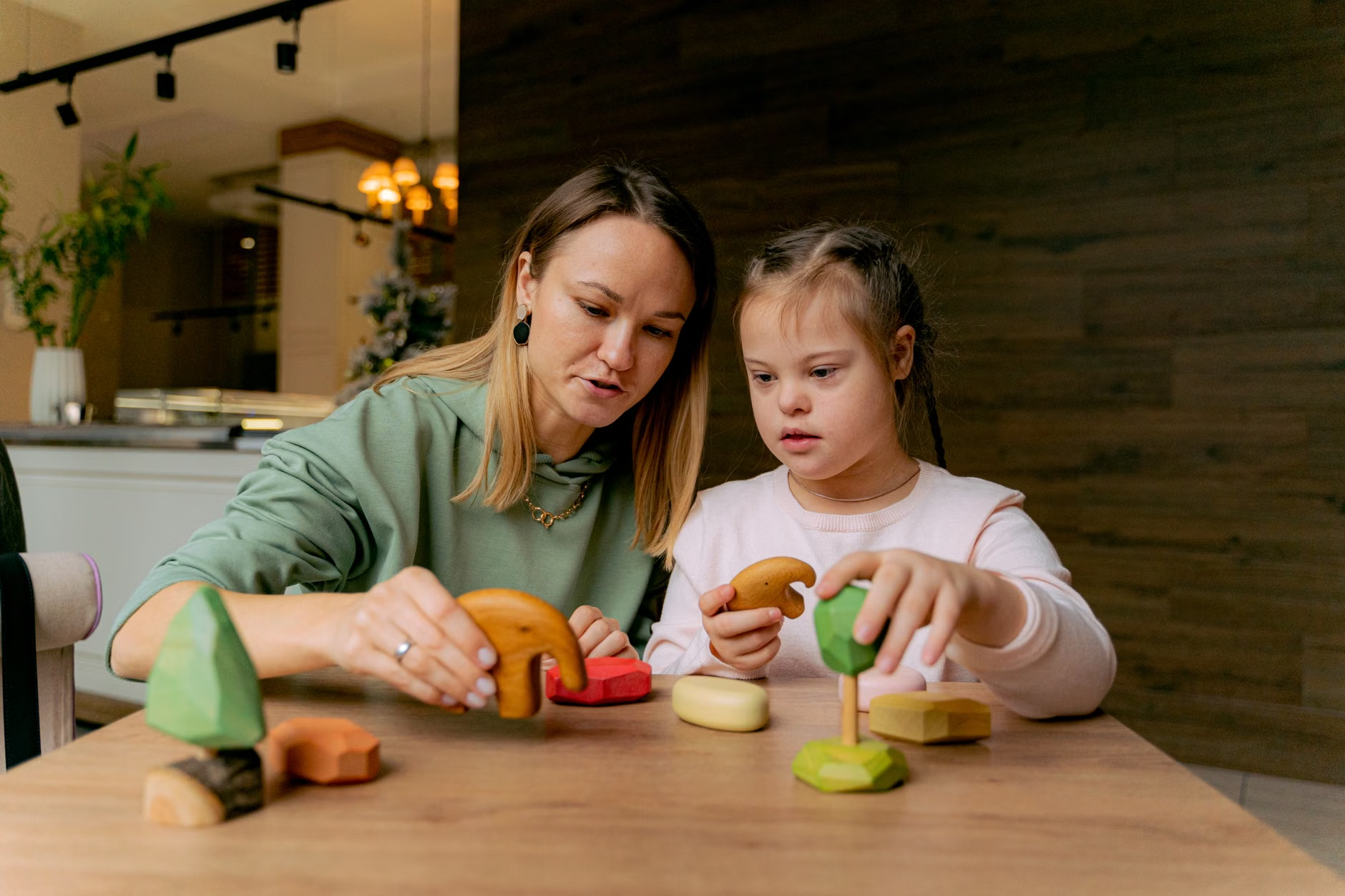
During the first few sessions, aim to be a participant or a “passive observer” in the room. Many modern extracurricular programs are beginning to understand this, but even if they don’t explicitly offer it, you can often negotiate it. Ask the instructor, “Can I sit in the back for the first two sessions so my child can get comfortable with the environment while still having me in their line of sight?”
Common Mistake: “The Quick Exit.” Many parents believe that if they leave quickly, the child will stop crying sooner. While this may be true in some cases, it often creates a lingering sense of mistrust. If the child is constantly wondering when you will leave, they cannot focus on the activity.
Phase 2: The “Bridge” Technique (Weeks 3-4)
Once your child is comfortable with the instructor and the space, begin to move further away. Move from sitting next to them to sitting at the back of the room. Then, move to sitting just outside the door, but visible through a window. This provides a “bridge” between your presence and your absence.
Think of this as a gradual exposure to independence. You are signaling to your child: “I am still here, and I am still your safe base, but you are capable of engaging with this new environment on your own.”
Phase 3: The Full Hand-Off
Only when the child shows signs of engagement—asking about the next class, talking about the other children, or participating without glancing at the door—should you make the full transition to “drop-off” status. If you find yourself having to regress to Phase 1, do not view it as a failure. Development is rarely linear; a bad night’s sleep or a change in routine can temporarily increase attachment needs.

Evaluating the Right Activity for Your Child’s Temperament
Not all activities are created equal when it comes to the transition phase. Some environments are naturally more “attachment-friendly” than others. When selecting an activity, consider the structure of the class.
| Activity Type | Attachment Demand | Best For |
|---|---|---|
| Team Sports (Soccer, T-ball) | High (Requires social interaction and distance from parent) | Children who are naturally social and thrive on group energy. |
| Skill-Based Classes (Music, Art) | Moderate (Allows for closer proximity or individual focus) | Children who need time to observe before participating. |
| Parent-Child Classes (Gymnastics, Music) | Low (Parent is integrated into the activity) | Children who are just starting out or showing high separation anxiety. |
The table above shows that if your child is particularly sensitive to separation, starting with a parent-child class is not a sign of “falling behind.” It is a strategic choice to build their confidence in a low-stakes environment. Once they master the “rules” of the class (listening to the teacher, taking turns), you can transition them to a more independent group setting.
The Hidden Costs of ‘Over-Programming’
For parents in their 30s and 40s, the temptation to fill the schedule is high. Between work, household management, and the desire to give our children “every opportunity,” we often overlook the “cost of transition.”
Every new activity requires a transition period. If you introduce three new activities in one month, you are effectively asking your child to manage three separate separation-anxiety hurdles at once. This is a recipe for burnout—for both you and your child.
The “One-In, One-Out” Rule: A practical strategy is to limit your child to one “new” activity per season. This allows you to dedicate your energy to the attachment-first transition process. If they are already settled in an activity, adding a second one is much easier because their baseline level of security is higher.
Managing Your Own Anxiety
It is important to acknowledge that our own feelings often complicate the process. If we are anxious about our child “failing” or “not fitting in,” we project that onto the transition. Children are incredibly perceptive; they will pick up on your anxiety about the drop-off.
Before you walk into that building, take a moment to regulate your own nervous system. If you are rushing from work, stressed about traffic, or worried about the cost of the class, your child will sense that agitation. A calm, confident parent is the best “secure base” a child can have. If you are feeling frazzled, spend five minutes in the car before walking in, taking deep breaths and setting the intention for a calm transition.
Common Misconceptions About Independence
There is a pervasive myth that independence is something that must be “forced” or “taught” through separation. Many parents believe that if they just leave their child in the class, the child will eventually “get over it.” While the child may stop crying, this is often a sign of “shutting down” rather than true independence. This is known as “defensive detachment”—the child learns that since the parent is not responding to their attachment cues, they must rely solely on themselves, which can actually lead to more anxiety in the long run.
True independence is not the absence of attachment; it is the *result* of secure attachment. A child who knows they can count on you to be there when they are struggling will eventually feel confident enough to say, “I’ve got this, you can go.”
To make this transition as smooth as possible, follow these steps before you even sign the contract:
- Visit the facility together: Take your child to the location when no class is happening. Let them explore the space, touch the equipment, and meet the instructor. Familiarity reduces fear.
- Establish a “Goodbye Ritual”: Create a consistent, quick, and positive goodbye. It could be a special high-five, a secret handshake, or a specific phrase. Keep it brief. Long, drawn-out goodbyes often increase anxiety.
- Communicate with the instructor: Be honest with the teacher. Let them know your plan for the transition. A good instructor will be your partner in this process, not your opponent.
- Follow through on your promise: If you tell your child you will be back at 5:00 PM, be there at 4:55 PM. The predictability of your return is what builds their security.

The Role of Technology and Modern Tools
In our digital age, we have tools that can help with this transition. Some extracurricular apps allow you to see updates or photos during the class, which can be a great way to “connect” with your child’s experience. However, be careful not to let technology replace the actual connection. Using an app to see what they are doing is fine, but don’t let it become a substitute for talking to your child about their experience after the class.
Ask open-ended questions: “What was the most fun part of the class today?” or “What was the hardest thing you did?” This encourages them to reflect on their own feelings of competence, which reinforces their budding independence.
When to Reconsider an Activity
Sometimes, despite your best efforts, an activity just isn’t a good fit. How do you know if it’s a “transition issue” or a “wrong fit” issue?
If after 4-6 weeks of consistent, attachment-first support, your child is still showing significant distress, it may be time to reconsider. Look for these signs:
- Physical symptoms like frequent stomach aches or headaches before the class.
- A persistent, intense dislike of the activity that doesn’t improve once they are in it.
- The instructor’s style is clearly incompatible with your child’s temperament (e.g., a very shy child with a very loud, high-pressure coach).
In these cases, there is no shame in stopping. You are not “teaching them to quit”; you are teaching them to listen to their own needs and to value their own well-being. This is a crucial lesson in self-advocacy.
Final Thoughts: The Long-Term View
The goal of the attachment-first approach is to raise a child who is not only capable of participating in extracurriculars but who is also confident in their own ability to navigate new environments. By prioritizing their emotional security now, you are building the foundation for the independence they will need in their teenage years and beyond.
Remember, the “extracurricular race” is a marathon, not a sprint. Your child has years to learn soccer, piano, or coding. They only have a few years to build the secure attachment that will serve as their internal compass for the rest of their lives. Treat that process with the importance it deserves, and you will find that the transition to activities becomes not just a logistical hurdle, but a beautiful milestone in their development.
If you feel overwhelmed, remember: you are the expert on your child. Trust your instincts, stay consistent, and keep your connection with them as your primary focus. The rest—the skills, the trophies, the progress—will follow in time.
Frequently Asked Questions
1. How long should I expect the transition period to last?
Every child is different, but for most, a transition period of 2 to 4 weeks is standard. If you notice your child is still struggling after 6 weeks, it may be worth re-evaluating the activity or the instructor’s approach rather than assuming it’s just a phase.
2. Is it harmful to stay in the room if other parents leave?
Not at all. In fact, it is often a sign of a thoughtful parent. Many parents feel pressure to conform to the “drop-off” norm, but your child’s emotional regulation is more important than the social norms of the waiting area. If your child needs you there to feel safe, stay there until they demonstrate the readiness to explore on their own.
3. What if my child cries every single time I drop them off?
If the crying is brief (lasting only a few minutes) and they are happy and engaged during the activity, it is often just a “goodbye protest.” However, if they are distressed throughout the entire class, it is a sign that they are not ready for this level of separation. In that case, scale back to a more supportive role or try a different, more attachment-friendly environment.
For further reading on child development and attachment, you may find these resources helpful:
- American Psychological Association: Attachment and Parenting
- Zero to Three: Resources for Early Childhood Development
Note: This article is for informational purposes and does not constitute professional psychological advice. Always consult with a qualified professional if you are concerned about your child’s emotional development.