The most effective business meetings are defined by clarity, focus, and connection, none of which require a drop of alcohol to achieve. In fact, shifting toward a “zero-proof” approach—where non-alcoholic beverages are treated with the same culinary respect as fine wine—is becoming the new gold standard for professionals who value productivity and inclusivity.
- Intentionality over Habit: Hosting a zero-proof meeting signals that you value your guests’ time and mental sharpness more than outdated social rituals.
- The “Third Space” Standard: Modern zero-proof hosting requires moving beyond basic sodas to offer complex, flavor-forward beverages that provide a sophisticated experience.
- Inclusivity as an Asset: By removing alcohol, you eliminate the “drinking barrier,” allowing team members from diverse cultural, religious, or health-conscious backgrounds to participate fully.
We have all been there: the “happy hour” meeting that promised a breakthrough but ended in a blurry, unproductive slog. For those of us juggling the demands of our 30s and 40s—balancing demanding careers with the realities of parenting or simply wanting to wake up without a headache—the pivot to professional, zero-proof meetings isn’t just a health choice; it’s a strategic business decision.
Why the Zero-Proof Shift is Actually a Competitive Advantage
For decades, alcohol was the unofficial lubricant of business. It was assumed that if you weren’t “breaking bread and sharing a drink,” you weren’t building a relationship. However, the landscape is shifting. Professionals today are increasingly prioritizing health, mental clarity, and efficiency. When you host a zero-proof meeting, you are essentially telling your counterparts: “I respect our time, and I want us to be at our absolute best.”
From a biological standpoint, alcohol is a depressant that impairs executive function—the very thing you need for high-stakes negotiation or creative brainstorming. By opting for a zero-proof environment, you ensure that everyone at the table remains sharp, engaged, and capable of making data-driven decisions. This is particularly relevant for international business, where cultural norms regarding alcohol vary wildly. A zero-proof policy is the ultimate “safe harbor” that guarantees no guest feels excluded or pressured to consume substances that don’t align with their personal or religious values.
Beyond the biology, there is the matter of the “hidden tax” of alcohol. It’s not just the cost of the drinks; it’s the cost of the conversation veering off-track. When the goal is to close a deal or finalize a project, the distraction of alcohol is a variable you simply don’t need. Hosting without it removes the guesswork and keeps the focus firmly on the agenda.
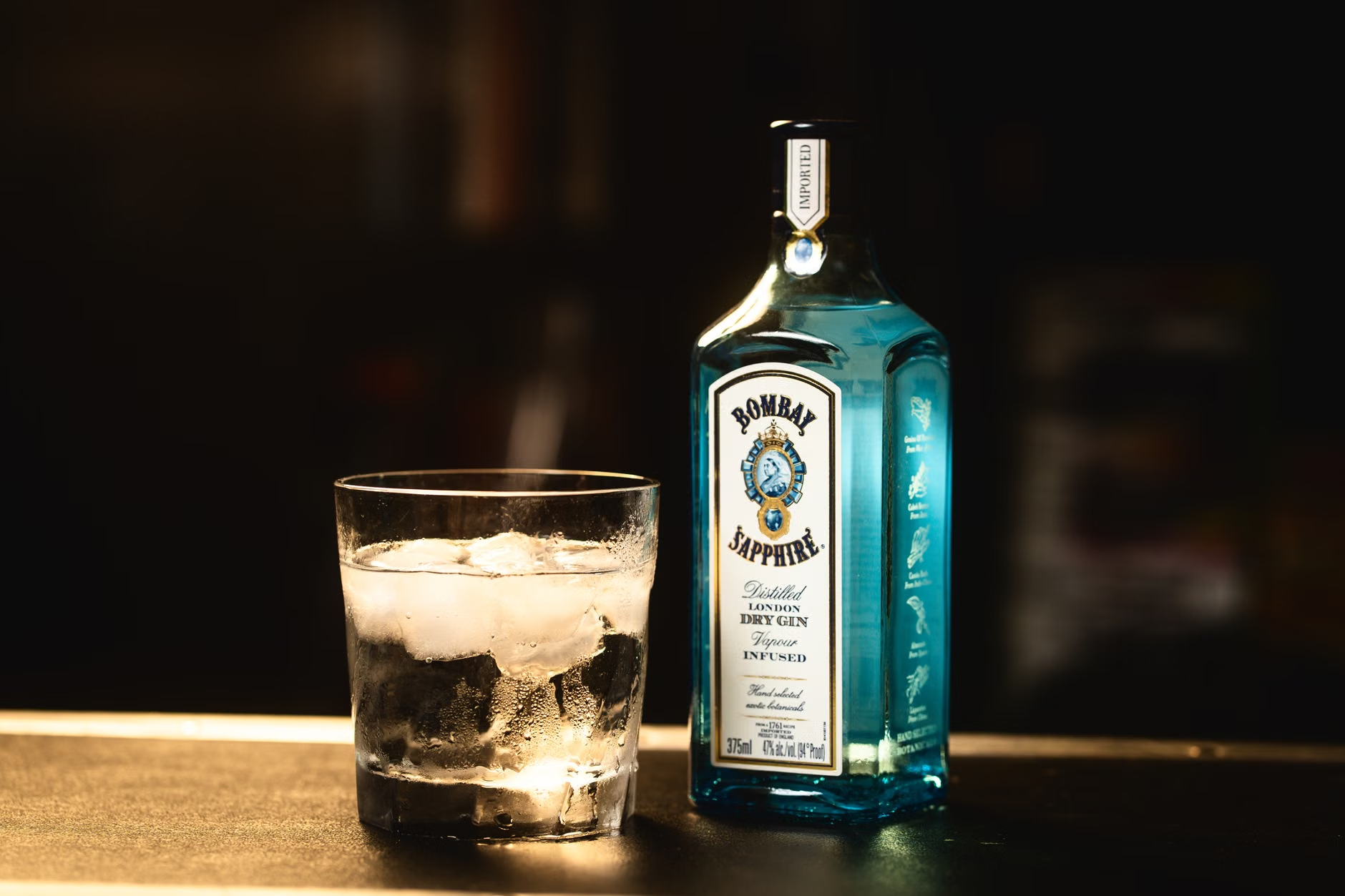
Curating the Zero-Proof Menu: Moving Beyond Sugary Soda
The biggest mistake hosts make when transitioning to a zero-proof format is treating the beverage menu as an afterthought. If you replace a complex glass of wine with a generic, high-fructose corn syrup soda, your guests will feel the “downgrade.” The key to successful zero-proof hosting is complexity.
You want to offer drinks that have body, acidity, and a finish—the same characteristics we look for in fine wine or craft spirits. Here is how you can categorize your offerings to ensure a premium experience:
| Category | What it adds to the meeting | Example |
|---|---|---|
| Botanical Distillates | Complexity and “bite” | Non-alcoholic gins or spirits mixed with tonic |
| Shrubs & Ferments | Acidity and gut health | Apple cider vinegar-based fruit shrubs |
| Infused Waters | Visual elegance | Sparkling water with cucumber, mint, or basil |
| Premium Teas/Coffees | Ritual and warmth | Cold-brew coffee or high-grade loose-leaf oolong |
The decision rule here is simple: if you wouldn’t serve it at a dinner party you were proud of, don’t serve it to a client. Use glassware that feels substantial. A heavy-bottomed tumbler or a delicate wine glass elevates the perceived value of the drink, regardless of what is inside. This psychological priming is essential for making the zero-proof meeting feel intentional rather than restrictive.
Managing the “Social Friction” of Non-Alcoholic Hosting
If you are accustomed to the “let’s grab a drink” culture, you might worry about how to frame your new approach. The trick is to avoid over-explaining. You don’t need to justify your choice with a long monologue about health or productivity. Instead, lead with the experience.
When inviting a client or team member, frame it as a benefit. “I’ve found a fantastic spot that does incredible botanical mocktails—it’s a much more conducive environment for us to go over the project details.” By focusing on the setting rather than the absence of alcohol, you frame the meeting as a premium, curated experience. If someone asks why there isn’t alcohol, keep your response brief and professional: “I’ve found that I’m much more effective at these meetings when we keep it clear-headed. I hope you enjoy the selection they have here; they’re quite famous for their house-made infusions.”

One common mistake is failing to account for the “transition period.” If you are meeting someone who is used to a traditional drinking culture, they may feel a momentary sense of loss. You can mitigate this by ensuring the food pairing is impeccable. A high-quality cheese board, artisanal nuts, or complex, savory appetizers fill the “gap” that alcohol usually occupies. Food, after all, is the original social lubricant. When the food is excellent, the lack of alcohol becomes a secondary detail rather than the headline.
Step-by-Step Guide to Hosting a Seamless Zero-Proof Session
Hosting is about logistics as much as it is about atmosphere. If you are hosting in your own office, you need to prepare the space to feel like a destination, not a breakroom.
- The Pre-Meeting Audit: Check with your guests for dietary restrictions, but also silently note their preferences. Do they seem to enjoy bitter profiles (like tonic or coffee) or sweeter profiles (like fruit juices)? Having a “signature” option for each person makes them feel seen.
- The “Bar” Setup: If you are hosting in an office, create a dedicated station. Do not just put a pitcher of water on the table. Use ice buckets, high-quality garnishes (fresh herbs, citrus wheels, edible flowers), and varied glassware.
- The Pacing Strategy: Just as you would pace a meal, pace the drinks. Start with a refreshing, light opener (like a sparkling botanical water), and move to something with more depth (like a cold-brewed tea or a complex shrub) as the meeting progresses into the deep work phase.
- The Closing Ritual: End the meeting with a warm beverage. A high-quality herbal tea or a decaf pour-over acts as a perfect “bookend” to the meeting, signaling that the work is done and it is time for everyone to head back to their lives.
This structure prevents the “awkward silence” that sometimes happens when a meeting ends and people aren’t sure if they should stay and chat. The ritual of a closing drink provides a natural, graceful exit point.
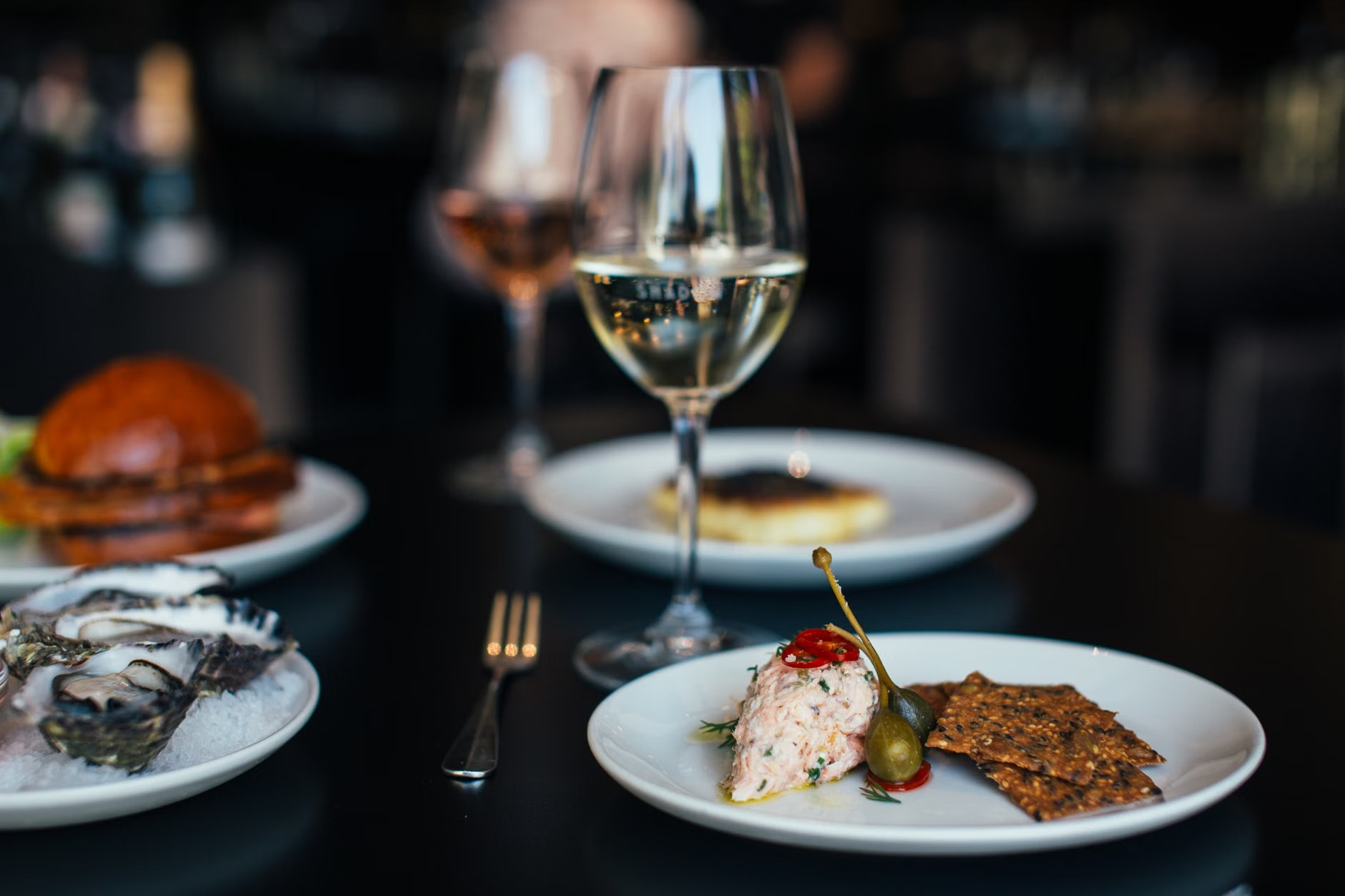
The Hidden Variables: What Most People Get Wrong
There is an overlooked variable in zero-proof hosting: the “sugar trap.” Many commercial non-alcoholic options are packed with sugar to compensate for the lack of alcohol’s “burn” or complexity. As a host, be very careful about the labels. A high-sugar drink will lead to a mid-meeting crash, which defeats the entire purpose of the zero-proof approach. Look for “dry” options—those that emphasize herbs, spices, and roots rather than fruit syrups.
Another misconception is that zero-proof meetings are “boring.” This is only true if your meeting itself is boring. Alcohol often masks a lack of preparation or a lack of genuine connection. If you are a good host, you will provide a space for meaningful conversation. If you rely on the buzz of alcohol to make your meeting interesting, you need to rethink your meeting agenda, not your beverage list. The zero-proof format forces you to be a better facilitator, a better listener, and a more intentional communicator.
Furthermore, consider the location. If you are meeting outside the office, research the venue beforehand. Many high-end bars and restaurants now have “temperance” or “sober-curious” menus. If they don’t, call ahead. A good restaurant will be happy to craft a bespoke non-alcoholic drink for your guest if they know you are coming. This level of preparation shows your guest that you have put thought into their experience, which builds far more trust than buying a bottle of wine ever could.
Addressing the Cultural Nuances and Global Standards
When operating globally, it is essential to acknowledge that “zero-proof” means different things in different places. In some cultures, high-end non-alcoholic beverages are a status symbol; in others, they are still viewed with skepticism. Your role as an international professional is to bridge this gap with confidence. Use the term “zero-proof” rather than “mocktail.” “Mocktail” sounds like a child’s drink; “zero-proof” sounds like a deliberate, sophisticated choice.
In regions where social drinking is deeply embedded in the business fabric, such as parts of East Asia or Europe, you might face some initial resistance. The best way to handle this is to provide a “dual” option if you are in a group setting. Offer a choice, but make the zero-proof option the one you are visibly enjoying. If you are the leader of the meeting, your choice sets the tone. When you order a complex, non-alcoholic drink with the same confidence as a glass of vintage wine, others will follow your lead without feeling judged.
Always verify the local laws and customs. While zero-proof is generally accepted globally, in some very traditional environments, you may need to navigate the social expectation of “toasting.” A glass of sparkling water with a lime twist allows you to participate in every toast without the alcohol. The act of the toast is about the connection, not the liquid in the glass. Don’t let anyone convince you otherwise.
Refining Your Approach: A Decision Framework
To ensure your zero-proof meetings are successful, use this simple decision framework before every meeting:
- The Goal: What is the primary objective of this meeting? If it’s a creative brainstorm, emphasize high-caffeine or refreshing, acidic drinks. If it’s a tense negotiation, emphasize calming, herbal, or warm beverages.
- The Audience: Are they “sober-curious” or just busy? Match the complexity of the menu to their level of interest.
- The Environment: Is the space conducive to a long, slow conversation? If not, pick a beverage that is easy to manage on the go.
- The Follow-Up: Did the zero-proof format help or hinder the flow? Be honest with yourself. If it hindered, was it the lack of alcohol, or was it the lack of preparation?
Most of the time, you will find that the zero-proof format actually helps. It removes the “fog” and allows for a more direct, honest, and productive exchange of ideas. It is a sign of maturity to be able to host and participate in high-level business without needing a chemical crutch.
Final Thoughts on Sustaining the Practice
Transitioning to zero-proof hosting is a journey. You don’t have to be perfect on the first try. Start by experimenting with your own beverages at home. Learn what you like—is it the bite of ginger? The floral notes of hibiscus? The earthiness of a good lapsang souchong tea? Once you understand your own palate, you will be much more capable of curating a menu that impresses your guests.
Remember, the goal is not to be “anti-alcohol,” but to be “pro-connection.” By removing the distraction of alcohol, you are creating a space where the quality of your ideas and the strength of your relationships can truly shine. That is the essence of modern, professional hosting. Keep it simple, keep it high-quality, and keep the focus on the people in the room. You’ll be surprised at how much more you get done—and how much better you feel the next morning.
Frequently Asked Questions
Q: How do I handle a client who insists on an alcohol-heavy venue?
A: You don’t have to be the “fun police.” If a client prefers a specific venue, go there, but lead by example. Order a sophisticated non-alcoholic drink immediately. Often, the client will be curious about what you’re drinking, and it opens a natural conversation. If they pressure you, simply say, “I’m on a bit of a health kick to keep my focus sharp for this project, but please, don’t let me stop you from enjoying a drink.” Most professionals will respect your boundary once they see you are sticking to it with confidence.
Q: Is it rude to not offer alcohol if I’m hosting at my home office?
A: Not at all. It is your space, and you are the host. The key is to provide a superior alternative. If you offer a choice of three different artisanal, high-quality zero-proof beverages, no one will feel deprived. The rudeness comes from a lack of care, not the absence of a specific substance. If you are worried, you can frame it in the invitation: “We’ll be hosting a zero-proof session with a curated selection of botanical infusions.”
Q: What are the best resources for finding non-alcoholic drink recipes?
A: Look toward the “mocktail” sections of modern mixology books, but filter for “dry” or “savory” ingredients. Websites like Seedlip or Lyre’s (official sites for non-alcoholic spirit alternatives) often have excellent recipe databases that focus on complexity rather than just sweetness. Focus on blogs that prioritize “temperance” or “sober-curious” lifestyle trends, as these tend to offer more sophisticated, professional-grade recipes.
For further reading on the changing landscape of professional social habits, see the latest industry reports on mindful drinking from the IWSR Drinks Market Analysis.