Longevity in your 40s is no longer about “looking good for summer”; it is about ensuring you have the physical and cognitive capacity to enjoy your life when your children are in their 20s and you are in your 70s. The key conclusion is that healthspan—the period of life spent in good health—is primarily determined by your VO2 max, muscle mass, and metabolic flexibility, all of which require proactive maintenance starting now.
Key Takeaways:
- VO2 Max is the strongest predictor of lifespan: Moving from the bottom 25% to the top 25% of aerobic fitness for your age group can reduce your risk of all-cause mortality by up to 5x.
- Muscle is a longevity organ: Sarcopenia (muscle loss) begins in your 30s; maintaining lean mass is essential for metabolic health, hormone regulation, and preventing frailty in later decades.
- Screening must go beyond standard panels: To truly assess cardiovascular risk, you must track ApoB and Lp(a) levels, as standard LDL tests often miss the most dangerous particles.
If you are in your 40s, you have likely noticed that the “factory warranty” on your body has expired. The late-night pizza no longer digests by morning, and a “good night’s sleep” feels like a mythical creature. For parents, this decade is the ultimate endurance test. You are balancing the peak of your career, the high-energy demands of growing children, and perhaps the early stages of caring for aging parents. It is easy to put your own health on the back burner, promising to “get back to it” when the kids are older.
The problem is that the physiological changes happening right now—insulin resistance, muscle loss, and declining aerobic capacity—are not easily reversible if left for a decade. We are not talking about “biohacking” with $50,000 cold plunges or obscure supplements. We are talking about the Longevity Audit: a realistic, science-backed framework for parents who have more responsibilities than free time. This guide breaks down the “why” and the “how” of staying functional for the long haul.
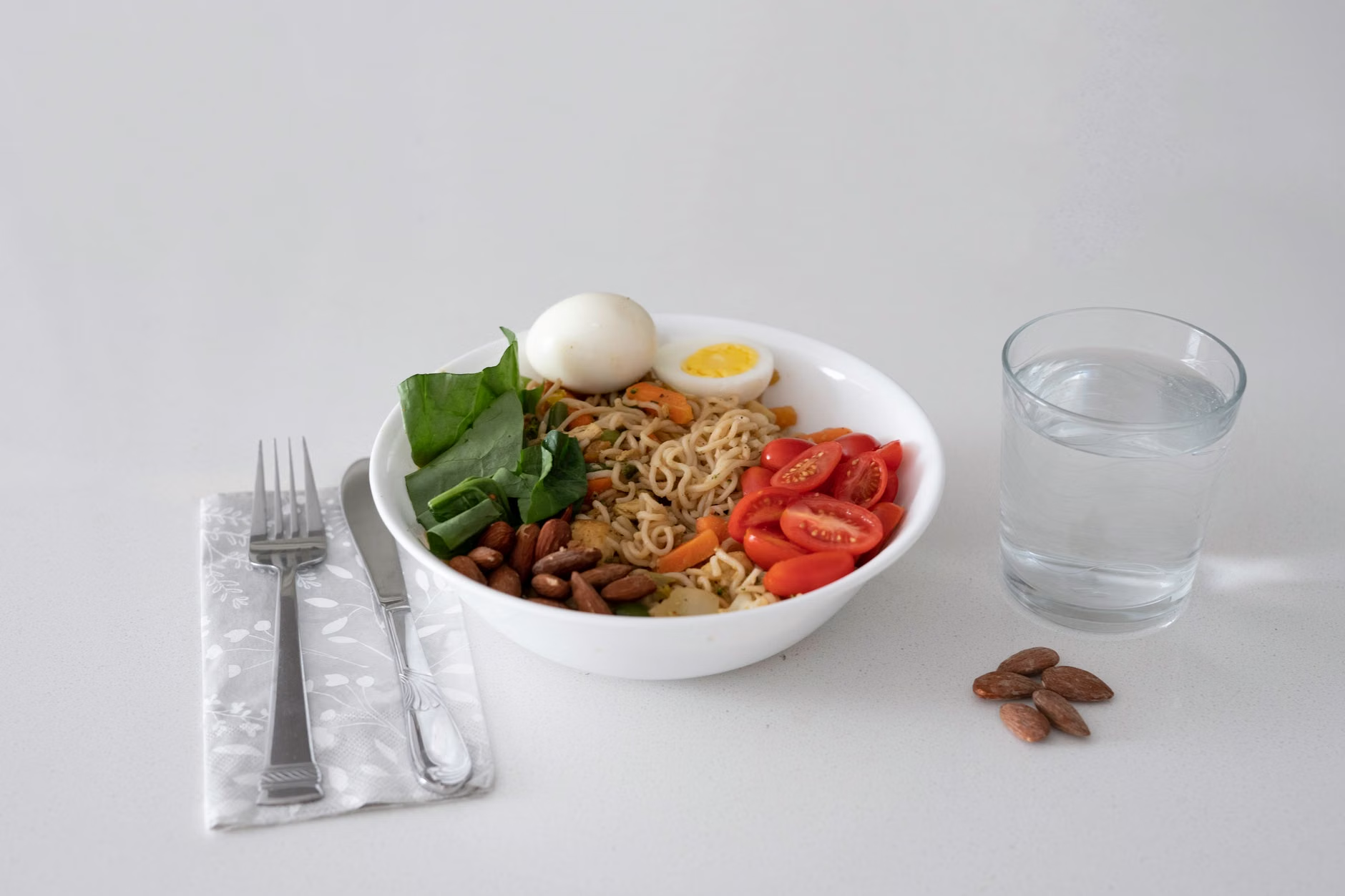
The Biological Shift: Why the 40s Feel Different
In your 20s, your body is resilient. In your 40s, your body becomes a reflection of your habits. This is due to several intersecting biological shifts. First, there is Sarcopenia. Starting around age 30, we lose 3% to 8% of our muscle mass per decade. By the time you hit 45, if you haven’t been lifting heavy things, you are functionally weaker than your younger self, which slows your metabolism and increases your risk of injury.
Second, Metabolic Flexibility declines. This is your body’s ability to switch between burning carbs and burning fat. As we age, we often become more “insulin resistant,” meaning our cells don’t respond as well to the hormone that manages blood sugar. For parents, this often manifests as the “afternoon slump” or the stubborn weight gain around the midsection, even if diet hasn’t changed much.
Finally, for women, the 40s often bring Perimenopause, a multi-year transition where estrogen fluctuations can wreak havoc on sleep, mood, and bone density. For men, Andropause (or gradual testosterone decline) can lead to decreased motivation and loss of lean mass. Understanding that these are biological hurdles—not personal failings—is the first step toward a longevity mindset.
The Fitness Hierarchy: Prioritizing VO2 Max and Strength
When time is limited, you cannot afford “trash miles” or “ego lifting.” You need the highest return on investment (ROI). According to data popularized by longevity experts like Dr. Peter Attia, cardiorespiratory fitness (measured by VO2 max) is the single most important metric for how long you will live.
VO2 max is the maximum amount of oxygen your body can use during intense exercise. Think of it as the size of your “engine.” A larger engine handles the daily “cargo” of parenting much easier. To improve this, you need a mix of two things: Zone 2 training and Zone 5 training.
| Training Type | What it is | The Benefit for Parents | Real-Life Example |
|---|---|---|---|
| Zone 2 (Steady State) | Low-intensity cardio where you can still hold a conversation (barely). | Builds mitochondrial density; improves fat burning; aids recovery. | A 45-minute brisk walk with a weighted vest or a light jog. |
| Zone 5 (HIIT) | Maximum effort intervals (90% + of max heart rate). | Directly increases VO2 max; improves heart stroke volume. | 4 minutes of hard rowing or uphill sprinting, repeated 4 times. |
| Resistance Training | Lifting weights to the point of near-failure. | Prevents sarcopenia; improves bone density; manages blood sugar. | Squats, deadlifts, and overhead presses twice a week. |
The Strategy: Aim for 150–200 minutes of Zone 2 per week. This sounds like a lot, but for a busy parent, this can be “stacked.” Walk while on a conference call, or use a stationary bike while watching your kid’s soccer practice. Once a week, perform one “Max Effort” session (Zone 5) to push your ceiling higher.
Strength training is equally non-negotiable. You don’t need to be a bodybuilder, but you do need to maintain Type II muscle fibers—the fast-twitch fibers used for power and stability. These are the first to go as we age. If you can’t carry two bags of groceries and a toddler at the same time, you are losing the strength battle. Focus on compound movements: Squats, Hinges (Deadlifts), Pushes, and Pulls.

The Centenarian Decathlon: Training for the Marginal Decade
A useful mental framework for longevity is the “Centenarian Decathlon.” Imagine yourself at age 90. What are the 10 physical tasks you want to be able to do? Most people say things like:
- Get up off the floor without using my hands.
- Carry a 10lb bag of groceries for four blocks.
- Lift a 30lb grandchild into a car seat.
- Walk up two flights of stairs without getting winded.
To do these things at 90, you have to be able to do double that at 45. Why? Because you will inevitably lose some capacity as you age. If you can barely lift 30lbs now, you certainly won’t be doing it in your 80s. This is why progressive overload in your 40s is the ultimate insurance policy. You are building a “reserve” of health that you will draw down on later in life.
Nutrition for the Long Haul: Protein and Fiber
Diet in your 40s should move away from “restriction” and toward “optimization.” The two most neglected nutrients for parents are protein and fiber.
The Protein Rule: To maintain muscle mass, you need more protein than the standard RDA suggests. Aim for 1.6 to 2.2 grams of protein per kilogram of body weight. If you weigh 70kg, that’s roughly 110–150g of protein a day. This is difficult to achieve with three standard meals. You need to prioritize protein at every sitting. Protein has a high “thermic effect,” meaning your body burns more calories digesting it, and it keeps you satiated, preventing the “parental grazing” on kids’ leftovers.
The Fiber Rule: Fiber is the unsung hero of metabolic health. It slows the absorption of sugar, feeds the gut microbiome, and helps clear out excess cholesterol. Aim for 30–40g per day. Most adults get less than 15g. Think of fiber as the “broom” that cleans out your cardiovascular system.
The Alcohol Trade-off: This is the hard truth for the 40s. Alcohol is a neurotoxin that destroys sleep quality. Even one glass of wine at 8:00 PM will likely spike your heart rate and ruin your REM sleep. In your 40s, the “recovery cost” of alcohol is much higher. If you want longevity, treat alcohol as a rare treat, not a daily stress-reliever. The cortisol-lowering effect of a drink is a lie; it actually increases systemic stress the following day.
The Sleep-Parenting Paradox
We know sleep is important, but for parents of young children, “get 8 hours” feels like an insult. However, longevity isn’t just about quantity; it’s about Sleep Architecture. Deep sleep is when your brain’s glymphatic system “washes” away metabolic waste (like amyloid-beta, linked to Alzheimer’s).
If you can’t get 8 hours, you must make the 6 hours you do get as high-quality as possible. This means:
- Light Management: Wear blue-light blocking glasses after 8:00 PM or dim the lights. This triggers natural melatonin production.
- Temperature: Your body needs to drop its core temperature by 1–2 degrees to fall asleep. Keep the bedroom cool (around 18°C or 65°F).
- The 3-2-1 Rule: No food 3 hours before bed, no work 2 hours before bed, and no screens 1 hour before bed.
The Longevity Lab: What to Actually Test
A standard annual physical often only checks basic markers like fasting glucose and LDL cholesterol. For a parent in their 40s, this is insufficient. To get a true picture of your “internal age,” you should request a more detailed panel.
ApoB (Apolipoprotein B): This is a much more accurate predictor of cardiovascular risk than LDL. It measures the number of atherogenic (plaque-forming) particles in your blood. If your ApoB is high, your “vascular age” is likely older than your chronological age.
Lp(a): This is a genetically determined marker. If it’s high, you have a significantly higher risk of early heart attack or stroke, regardless of how much kale you eat. Knowing this early allows for aggressive management.
DEXA Scan: Most people think this is just for osteoporosis. However, a DEXA scan provides a precise measurement of your Visceral Fat (the dangerous fat around your organs) and your Lean Muscle Mass. This gives you a baseline for your “Centenarian Decathlon” training.

The Mental Healthspan: Managing the “Sandwich” Stress
Longevity isn’t just physical; it’s cognitive and emotional. The 40s are often the most stressful years of life. Chronic stress keeps cortisol elevated, which leads to muscle breakdown and fat storage.
One of the most overlooked factors in the “Blue Zones” (areas where people live longest) is social connection. For busy parents, social life often becomes “playdates” or “brief chats at school pickup.” True longevity requires deep, meaningful adult connections. Isolation is as statistically dangerous for your health as smoking 15 cigarettes a day.
Actionable Tip: Schedule a “non-negotiable” social activity once a week that has nothing to do with your kids. Whether it’s a sports league, a book club, or just a coffee with a friend, this “social vitamin” lowers systemic inflammation and protects your brain against cognitive decline.
Summary of the Longevity Audit
Longevity is not a destination; it is a series of daily choices. For a parent in their 40s, the priorities are clear:
- Protect your engine: Get your heart rate up once a week and keep it moderately elevated for 3 hours a week.
- Protect your frame: Lift heavy weights twice a week. Muscle is your metabolic currency.
- Fuel your future: Eat 1.6g/kg of protein and 30g+ of fiber. View alcohol as a high-cost luxury.
- Know your numbers: Get an ApoB test and a DEXA scan. You cannot manage what you do not measure.
The best time to start was ten years ago. The second best time is today. Your future 80-year-old self—and your children—will thank you for the work you do now. Stay cool, stay active, and remember: you aren’t just living longer; you are living better.
Official Sources for Further Reading:
- World Health Organization: Physical Activity Guidelines
- National Institutes of Health: Nutrient Recommendations
- CDC: Sleep Hygiene and Health
Frequently Asked Questions
1. I have zero time. What is the one exercise I should do?
If you only have 15 minutes, do Goblet Squats or Rucking (walking with a weighted backpack). Squats hit the largest muscle groups and improve mobility, while rucking provides both Zone 2 cardio and functional strength. It is the ultimate “parenting-friendly” longevity exercise.
2. Are supplements like NMN or Resveratrol worth it in my 40s?
The science on “longevity molecules” is still evolving and often conflicting. For most parents, the return on investment for expensive supplements is tiny compared to the ROI of an extra hour of sleep or a 20-minute walk. Master the “Big Rocks” (Sleep, Exercise, Nutrition) before spending money on unproven pills.
3. How do I know if my “tiredness” is normal parenting or something else?
If you feel chronically fatigued despite getting 7 hours of sleep, it’s time for blood work. Check your Vitamin D, Ferritin (iron stores), and Thyroid (TSH). In many parents, “burnout” is actually a sub-clinical nutrient deficiency or hormonal imbalance that is easily fixed.