- Prioritize Route Continuity: Cross-border trails like the Via Alpina or the Pyrenees Haute Route offer seamless transitions, but require checking local regulations for border-crossing permits and roaming data connectivity.
- The “Slow” Philosophy: You aren’t racing; you are observing. Plan for 10-15km days to maintain physical longevity and allow for spontaneous cultural detours that make the experience memorable.
- Logistical Readiness: Always carry a physical map, backup power bank, and a currency mix (cash vs. digital) as remote mountain huts often have limited card-processing capabilities.
You don’t need to conquer a mountain in record time to feel like you’ve accomplished something meaningful. For those of us in our 30s and 40s, juggling the demands of professional responsibilities and family life, the “Slow-Adventure” movement offers a radical shift: it’s not about the peak, but about the transition across borders, cultures, and landscapes at a human pace.
Cross-border hiking trails—often called “long-distance paths” or “thru-hikes”—allow you to step over an invisible line in the wilderness and find yourself in a new country, hearing a different language, and sitting down to a completely different regional cuisine. It is, quite literally, the most grounded way to travel.
Understanding the Appeal of Cross-Border Trails
Why choose a cross-border trail over a standard local hike? The answer lies in the psychological break it provides. When you cross a national border on foot, the “reset” button is pressed harder than it would be on a flight. You are forced to navigate subtle changes in trail markings, local hospitality customs, and even the way the weather patterns move across different mountain ranges.
For a parent or a busy professional, the primary benefit is forced disconnection. When you are traversing the border between France and Spain, or Germany and Austria, you are not just walking; you are engaging in a micro-migration. This requires a level of planning that keeps your brain occupied, effectively pushing out the “noise” of everyday life. It’s a sensory reset that you simply cannot replicate in a gym or on a looped local park trail.
However, this isn’t just about walking. It’s about the logistics of transition. You are moving from one regulatory and social environment to another. This requires a specific set of tools and a mindset that values preparation over spontaneity.
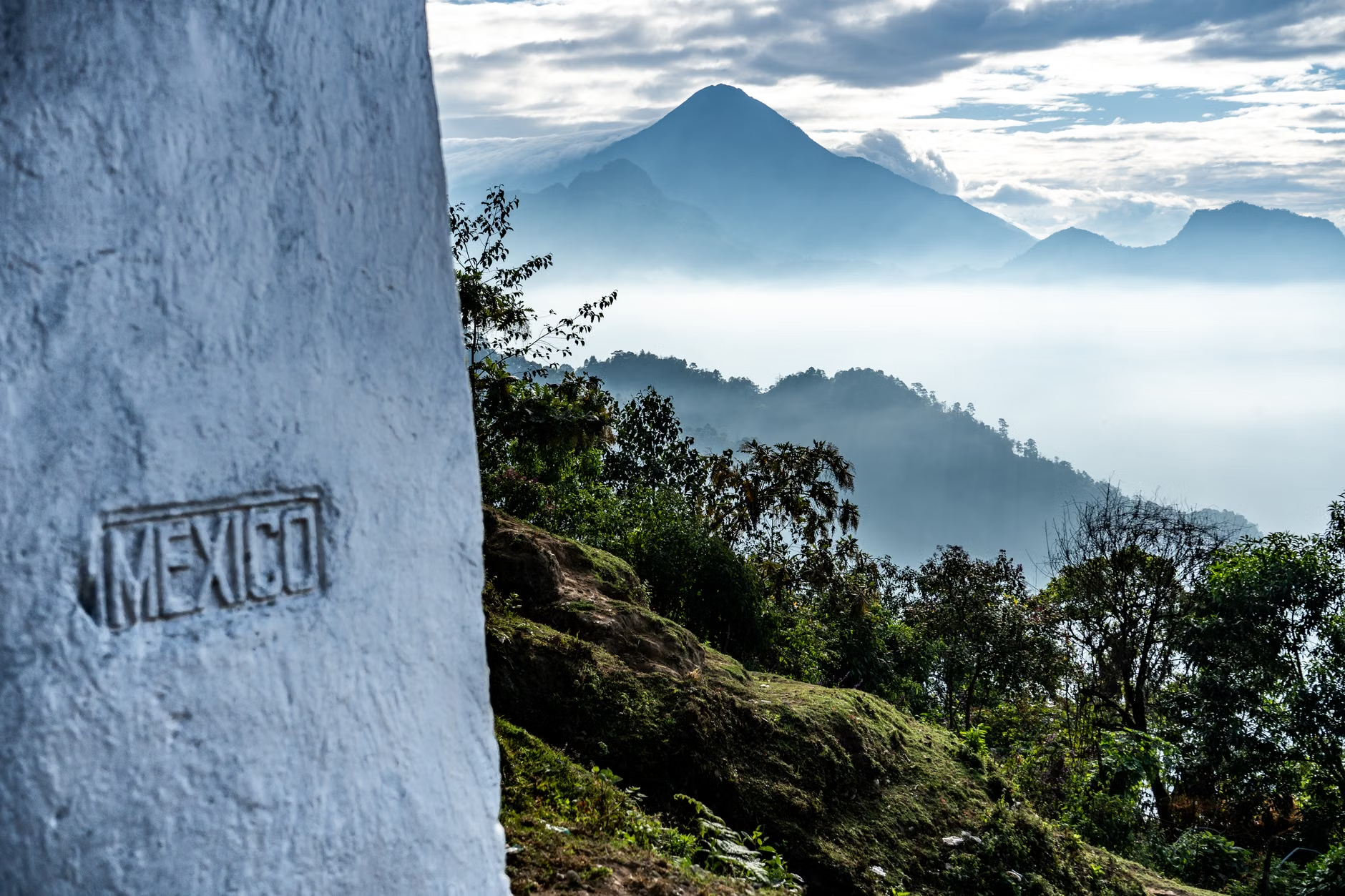
Strategic Planning: The Logistics of Crossing Borders
Before you even lace up your boots, you need to understand that not all borders are the same. In the European Union, the Schengen Area makes crossing borders on foot remarkably easy—you might not even see a guard post. But in other parts of the world, such as the borders between certain South American countries or remote regions in Asia, you may be required to cross at designated checkpoints.
1. Validating Your Route
Always verify the legality of your crossing. Even in Europe, some trails pass through zones where wildlife protection laws or seasonal hunting regulations might restrict access. Use official trail authority websites rather than crowdsourced apps like AllTrails for the final verification of your route. A “shortcut” found on a forum might lead you through a protected area that results in a hefty fine.
2. The Data Dilemma
Roaming data can be a major headache. If you are crossing from a country with a specific mobile carrier plan into one that is not covered, your phone might struggle to switch networks, or worse, trigger exorbitant roaming charges. Download offline maps (such as those from Gaia GPS or Komoot) weeks before you leave. Assume you will have zero cellular connectivity for at least 48 hours of your journey.
3. Currency and Payment
While digital payments are becoming universal, mountain huts (refugios, gîtes, or mountain inns) are notoriously old-school. Many are cash-only. If you are crossing from a country that uses the Euro into one that uses a different currency (like the Swiss Franc or Polish Złoty), ensure you have enough cash in the local currency before you hit the trail. Relying on an ATM in a remote border village is a gamble you don’t want to take.
| Factor | Strategy | Why it matters |
|---|---|---|
| Connectivity | Offline maps + physical backup | Prevents disorientation in dead zones. |
| Currency | Local cash in small denominations | Ensures payment at remote mountain huts. |
| Regulation | Official border crossing permits | Avoids legal trouble in restricted zones. |
Managing the Physical and Mental Load
The biggest mistake most people make in their 30s and 40s is over-estimating their daily mileage. We are used to high-intensity workouts, but a multi-day hike is a marathon, not a sprint. If you push for 25km a day, you will be too exhausted to appreciate the border crossing, the food, or the conversation with fellow hikers.
The “Rule of 15”: Plan for a maximum of 15km per day if you are carrying your own gear. This gives you a buffer for weather delays, photography, or simply needing a longer lunch break. If you finish your day by 3:00 PM, you have time to wash your clothes, dry your gear, and actually talk to the locals—which is the entire point of slow travel.
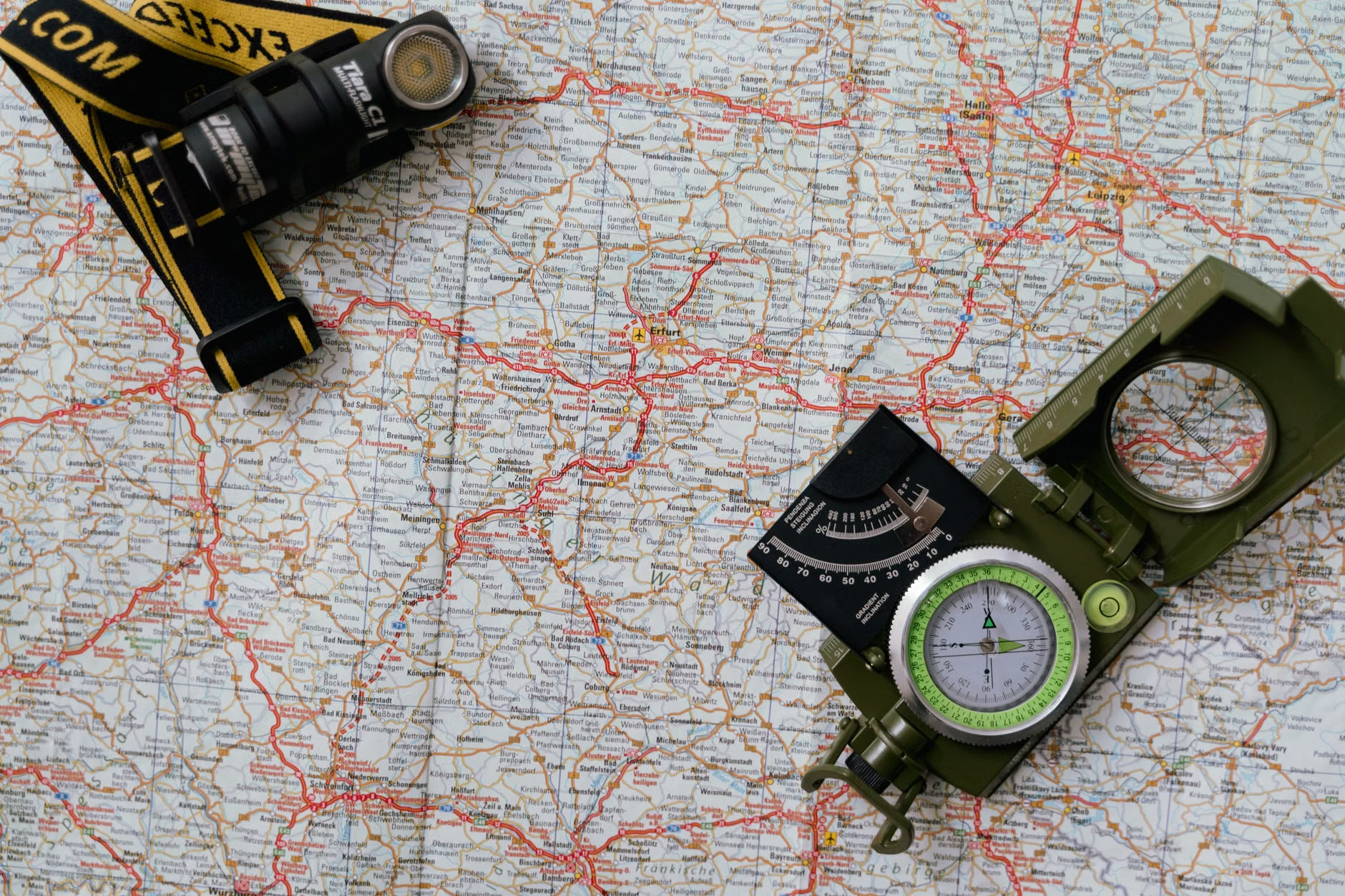
The Gear Trade-off
Weight is the enemy of the slow hiker. Every extra kilogram in your pack is a tax on your knees and your stamina. For a cross-border adventure, you need to be versatile. You might start in a warm valley and end up in a freezing alpine pass. Layering is not just a fashion choice; it’s a survival requirement.
- Base Layer: Merino wool is non-negotiable. It doesn’t smell after three days of wear, which is a massive quality-of-life improvement when you’re sharing a dormitory.
- Footwear: Don’t break in new boots on the trail. Wear them for at least 50km of local walking before attempting a multi-day trek.
- The “Emergency” Kit: A small, lightweight first-aid kit is essential. Include moleskin for blisters, rehydration salts, and basic painkillers. Blisters are the number one reason people quit long-distance trails.
Cultural Integration: Beyond the Trailhead
Slow-adventure hiking is about the “crossover.” When you walk into a mountain village in the Pyrenees after crossing from France into Spain, the architecture shifts, the language changes, and the dinner hour moves later. Embrace these shifts.
If you are hiking with a partner, designate one person as the “Navigator” and the other as the “Logistics Lead” for each day. The Navigator handles the map and timing, while the Logistics Lead manages the water refills, snack breaks, and finding the next water source. This prevents decision fatigue, which is a very real thing when you are physically tired.
Don’t be the tourist who sticks to their own language. Even learning “Hello,” “Thank you,” and “Where is the water?” in the local language can change the entire reception you receive at a mountain hut. It demonstrates respect, and in return, you’ll often find that locals are much more willing to share advice on the best, less-traveled paths ahead.

Common Pitfalls and How to Avoid Them
Even the best-planned trips can go sideways. Here is how to handle the most common issues:
1. The “Weather Turnaround”
Mountain weather is unpredictable. If you see clouds building up over a pass that marks a border, do not push through. The most common mistake is thinking, “I can make it before the storm hits.” If you are in your 30s or 40s, you have the maturity to know that your safety is worth more than a schedule. Turn back or find shelter in the nearest village. The mountain will be there tomorrow.
2. Over-Packing “Just in Case”
You don’t need a heavy camera lens, a spare pair of jeans, or a thick book. If you find yourself carrying more than 12kg (excluding water), you are carrying too much. The “Slow” in Slow-Adventure means you are traveling light, not bringing your whole life with you.
3. Ignoring the “Post-Hike” Reality
You will return to work or family life with sore muscles and a different perspective. Don’t schedule a high-stress meeting for the morning after you return. Give yourself at least 24 hours of “buffer time” to re-acclimate to civilization. Your body needs to recover, and your brain needs to transition back to the “fast” world.
Building Your Personal “Slow-Adventure” Framework
If you are ready to start, don’t look for the “world’s best” trail. Look for one that is accessible to you. If you are in Europe, the Via Alpina offers incredible cross-border options. If you are in North America, the Pacific Crest Trail sections near the Canadian border provide similar, albeit more rugged, experiences. The goal is to find a route that matches your current fitness level, not your “dream” fitness level.
Step-by-Step Action Plan:
- Identify a 3-day route: Start small. A 3-day, 2-night trip is the perfect testing ground.
- Check the border requirements: Use government travel advisory websites to ensure no specific visas or crossing permits are required for your nationality.
- Test your gear: Go on a 15km hike with your fully loaded pack. If you hate it, adjust your gear now, not on the trail.
- Book your start/end points: Having a fixed start and end point (like a train station or a specific village) forces you to commit.
Remember, the purpose of this adventure isn’t to be a hero. It’s to reclaim a bit of your own time, to breathe air that hasn’t been recycled in an office, and to see a border not as a barrier, but as a threshold into a new experience. Whether you’re walking across a valley in the Alps or a ridgeline in the Rockies, the pace you choose is the only one that matters.
Frequently Asked Questions
1. Do I need professional-grade equipment for a cross-border hike?
Not necessarily. While high-quality gear is lighter and more durable, you don’t need the most expensive equipment to start. Focus your budget on the “big three”: a comfortable backpack, a reliable sleeping system, and appropriate footwear. Everything else can be basic. The most important “equipment” is your physical preparation and your ability to read a map.
2. How do I handle emergencies if I have no phone signal?
Always carry a satellite communication device like a Garmin inReach or similar if you are going into truly remote areas. If you are on a well-trodden, marked trail, ensure you have a physical map and know the locations of the nearest mountain huts. Most huts have radio contact with local rescue services in case of a serious emergency.
3. Is it safe to hike across borders alone?
Hiking alone is a personal choice, but it requires higher vigilance. If you are new to long-distance hiking, I highly recommend starting with a partner. If you do go solo, ensure someone back home has your detailed itinerary, including your expected check-in times at each waypoint. Never deviate from your planned route without updating your contact person if you manage to find a signal.
For further information on trail regulations and safety, consult local government tourism websites or regional alpine associations. For example, the Via Alpina official site provides excellent resources for cross-border routes in Europe. Always check your national government’s travel advisory page before planning an international trek.