The most effective way to eliminate household chore battles is not by assigning individual tasks, but by pairing siblings together in a “Mentor-Mentee” structure that leverages their natural developmental differences.
- The Mentor Dynamic: Assigning an older child as a “lead” for a task fosters a sense of responsibility and reinforces their own mastery of the skill.
- Reducing Friction: Shared chores prevent the “that’s not fair” complaints because the labor is divided by role rather than just volume.
- Skill Transfer: This model accelerates the younger child’s learning curve while providing the older child with a low-stakes leadership opportunity.
If your house is anything like many others, the mention of “chores” is usually the starting pistol for a race of excuses, negotiations, and eventual foot-stomping. As parents in our 30s and 40s, we are often exhausted by the time evening rolls around. We want our children to contribute, but the mental load of managing their resistance often feels heavier than just doing the chores ourselves. The “Sibling-Mentor” model shifts the paradigm from “parent-assigned labor” to “sibling-led cooperation.”
Understanding the Sibling-Mentor Framework
The Sibling-Mentor model is a collaborative chore system where you pair children to complete tasks that require two sets of hands or distinct skill levels. It works by designating the older child as the “Lead” or “Mentor” and the younger child as the “Assistant” or “Mentee.”
Why does this matter? Often, children resist chores because they feel isolated or overwhelmed by the task. By pairing them, you transform a chore into a social activity. When the older child is tasked with teaching the younger one, their engagement shifts from “I have to do this” to “I am responsible for the success of this project.”
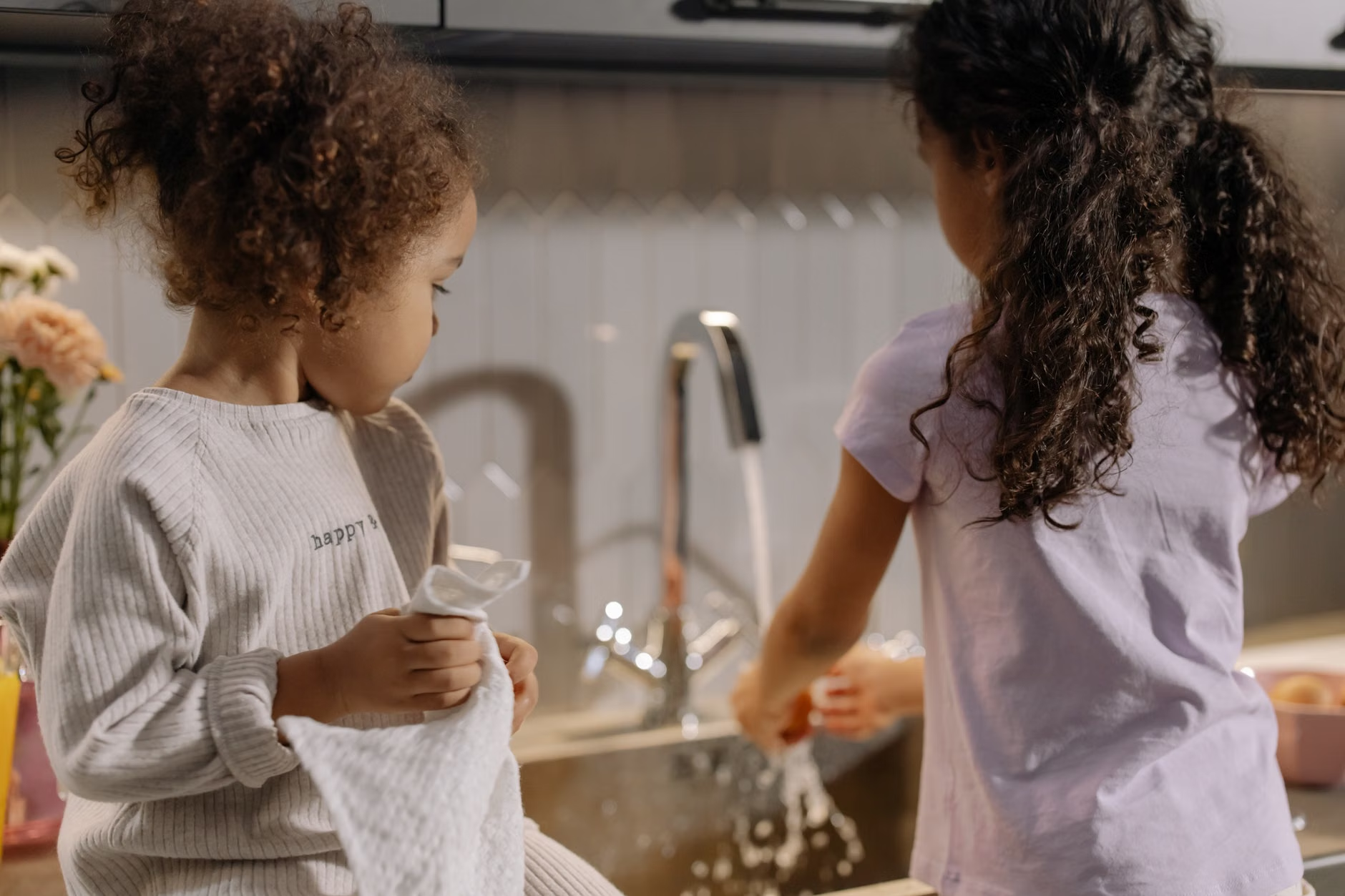
In practice, this looks like the older child managing the dishwasher loading process while the younger child is responsible for sorting the cutlery. The older child learns to delegate and supervise, while the younger child feels included in “grown-up” work. This isn’t just about getting the dishes done; it’s about building a sense of team identity within the family unit.
Why Individual Assignments Often Fail
Most households rely on the “divide and conquer” method. You assign Child A the trash, and Child B the vacuuming. While this seems efficient, it often leads to two major issues: inequity complaints and lack of accountability. If Child A finishes in five minutes and Child B takes thirty, the resentment builds. If Child B does a poor job, the parent has to step in, creating a cycle of micromanagement.
The Sibling-Mentor model solves this by creating shared accountability. Because the task is a team effort, the success belongs to both. When you frame the chore as a “team mission,” you naturally reduce the “that’s not fair” narrative. If the task isn’t completed to standard, the team discusses how to improve the process next time, rather than blaming one individual.
Implementing the Model: A Step-by-Step Guide
To successfully roll out the Sibling-Mentor model, you need to transition from “boss” to “facilitator.” Here is how you can set this up in your home starting this weekend.
1. Audit Your Chores for Compatibility
Not every chore is suitable for a mentor-mentee pair. Identify tasks that have a natural “lead” component and a “support” component. For example, folding laundry is a high-skill task, whereas matching socks is a low-skill task. Folding is the mentor role; matching is the mentee role.
2. Define the Roles Clearly
Sit down with your children and explain the new system. Use clear language: “The Lead is responsible for the quality of the work and teaching the Assistant how to do it. The Assistant is responsible for supporting the Lead and learning the steps.” This provides the older child with a sense of status and the younger child with a clear learning objective.
3. Set the “Standard of Completion”
Before they start, agree on what “done” looks like. If they are cleaning the playroom, show them exactly what the floor should look like. This removes the “I didn’t know how” excuse and gives the Mentor a rubric to evaluate their own team’s success.
4. The “Parental Buffer” Phase
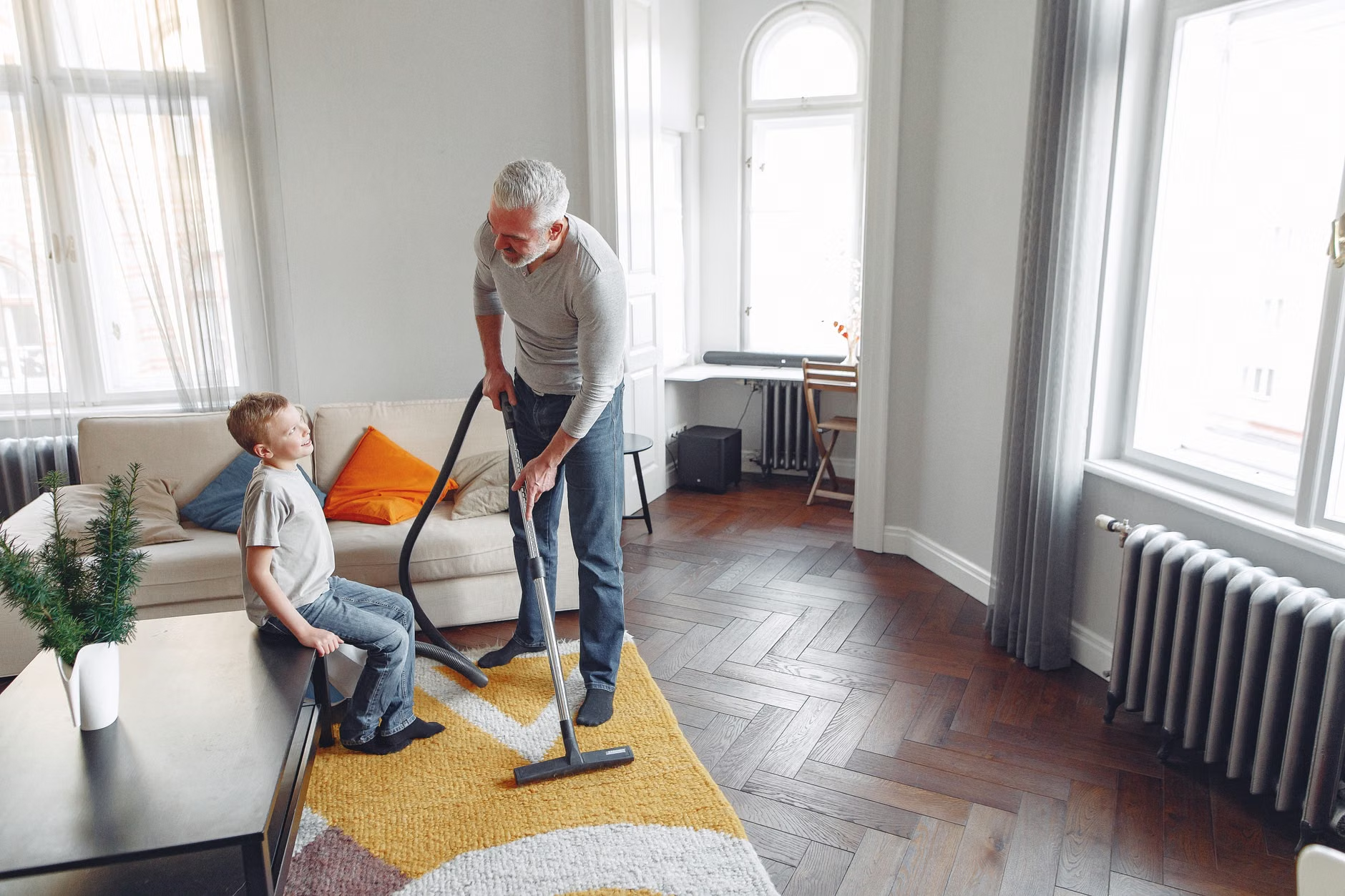
During the first two weeks, you must be present as a coach. Do not intervene unless there is a safety issue or the conflict becomes destructive. If the Mentor is being too harsh, pull them aside privately and guide them on how to encourage their sibling. If the Mentee is struggling, suggest that the Mentor try a different way of explaining the task.
Comparative Analysis: Individual vs. Sibling-Mentor
| Feature | Individual Assignment | Sibling-Mentor Model |
|---|---|---|
| Motivation | Extrinsic (Reward/Punishment) | Intrinsic (Team achievement) |
| Skill Growth | Stagnant | Accelerated (Peer-to-peer teaching) |
| Conflict Level | High (Fairness disputes) | Low (Cooperative focus) |
| Parental Load | High (Constant checking) | Low (Supervisory only) |
As the table above demonstrates, the Sibling-Mentor model is designed to reduce the mental load on you, the parent. While it requires more upfront investment in training the older child, the long-term payoff is a self-sustaining system where the older child effectively acts as a “team captain.”
Addressing Common Misconceptions and Hidden Risks
One common mistake parents make is assuming that the age gap determines the mentor. If you have a younger, more detail-oriented child and an older, more creative-but-forgetful child, you might want to swap roles based on the specific task. The “Mentor” title should go to the child with the higher aptitude for that specific chore, not necessarily the one who is older.
Another risk is “Mentor Burnout.” If the older child feels they are doing all the work while the younger sibling “plays,” the system will collapse. To mitigate this, rotate the “Lead” role for different types of chores. Perhaps the older child leads the kitchen chores, but the younger child leads the pet care chores. This ensures both children develop leadership skills and both experience the responsibility of being the “assistant.”
Furthermore, do not ignore the “Hidden Cost of Perfection.” As parents, we often want the house to look a certain way. If your children’s attempt at cleaning is only 70% of your standard, accept it. The 30% gap is the cost of them learning. If you redo their work, you destroy the Mentor’s confidence and the Mentee’s motivation to improve.
Real-Life Scenarios: When Things Get Sticky
Let’s look at a hypothetical scenario. Your 10-year-old is mentoring your 6-year-old on sorting laundry. The 6-year-old keeps putting the darks with the lights. Instead of jumping in to correct them, you ask the Mentor: “How can you show your partner the difference between these colors so they don’t get mixed up again?”
This forces the 10-year-old to think critically about the process. They might suggest a visual aid, like a color-coded bin system. Now, the children have improved their own system without you ever dictating the solution. This is the “Aha!” moment where the Sibling-Mentor model shifts from a chore system to a problem-solving exercise.

Creating Sustainable Success
To keep this system running, you must treat it like a living process. Hold a short “Family Team Meeting” every Sunday evening. Discuss what went well, what was frustrating, and what tasks need to be adjusted for the coming week. This feedback loop is essential for the children to feel that they have agency in how the home is managed.
If you find that the older child is being overly bossy, it is a sign that they need a lesson in empathy. Use this as an opportunity to discuss leadership. Explain that a good leader supports their team rather than just giving orders. This conversation is far more valuable than the actual chore being completed.
Lastly, be prepared for the days when the system fails. There will be days when they bicker, when the dishes are left greasy, or when the “Mentor” decides to go on strike. This is not a sign that the model is broken; it is a sign that they are children. Acknowledge the failure, reset, and start again the next day. The goal isn’t a perfect house—it’s a functioning team.
The Long-Term Value of Peer Cooperation
By the time your children reach their teenage years, the skills they learned through the Sibling-Mentor model will be invaluable. They will have learned how to negotiate, how to compromise, how to delegate, and how to hold themselves accountable to a peer. These are not just “chore skills”—they are life skills that will serve them in school, in group projects, and eventually in their own adult lives.
As parents in our 30s and 40s, we are often guilty of doing too much for our children because it’s faster. We prioritize the speed of the task over the development of the child. The Sibling-Mentor model forces us to slow down and prioritize the latter. It is an investment in their independence and their relationship with one another.
Start small. Pick one chore this week. Pair them up. Give them the tools, define the roles, and then step back. You will be surprised at how much they are capable of when they have each other to lean on.
Frequently Asked Questions
What if the age gap between my children is too large (e.g., 5 years or more)?
The model still works, but you must adjust the expectations. The older child should act more as a “Supervisor” rather than a “Partner.” Ensure the older child feels their time is valued by giving them a specific incentive or privilege for their mentorship role, as the power imbalance is naturally higher.
How do I handle the situation where the younger child refuses to listen to the older sibling?
This usually happens when the older sibling is being too bossy or the younger one feels “controlled.” Step in and reinforce that the older sibling is a “coach,” not a “boss.” If the younger child continues to be defiant, switch the roles for a week to show them the challenges of leadership, or have a direct conversation about respect.
Is it okay to use a reward system alongside the Sibling-Mentor model?
Yes, but focus the rewards on the “Team” rather than the individual. If the team completes their chores for the week, the reward (like a movie night or a special snack) is for both. This reinforces the idea that they win or lose together, which is the cornerstone of the Sibling-Mentor philosophy.
For more on child development and family management, refer to the American Psychological Association’s resources on parenting and child development, which highlight the importance of fostering autonomy and cooperation in children.