Key Takeaways for Freelance Families
- The Core Strategy: Home swapping eliminates your largest travel expense—accommodation—while providing a functional, “lived-in” environment that hotels lack.
- The Productivity Filter: Success depends on vetting your host’s internet speed and workspace ergonomics before committing to the swap.
- Legal & Logistical Reality: Always verify your local rental laws and insurance coverage, as some regions restrict short-term subletting or non-paying guest arrangements.
The most effective way for freelance families to sustain a “workation” lifestyle isn’t by booking expensive Airbnb rentals or boutique hotels, but by participating in curated home-swapping networks. If you are a freelancer in your 30s or 40s, you already know the struggle: you have the flexibility to work from anywhere, but the cost of housing for a family of three or four quickly erases your profit margin. A “workation-swap” solves this by utilizing the existing assets you both own, turning your home into a travel fund.

Why Home Swapping is the Sustainable Choice for Freelancers
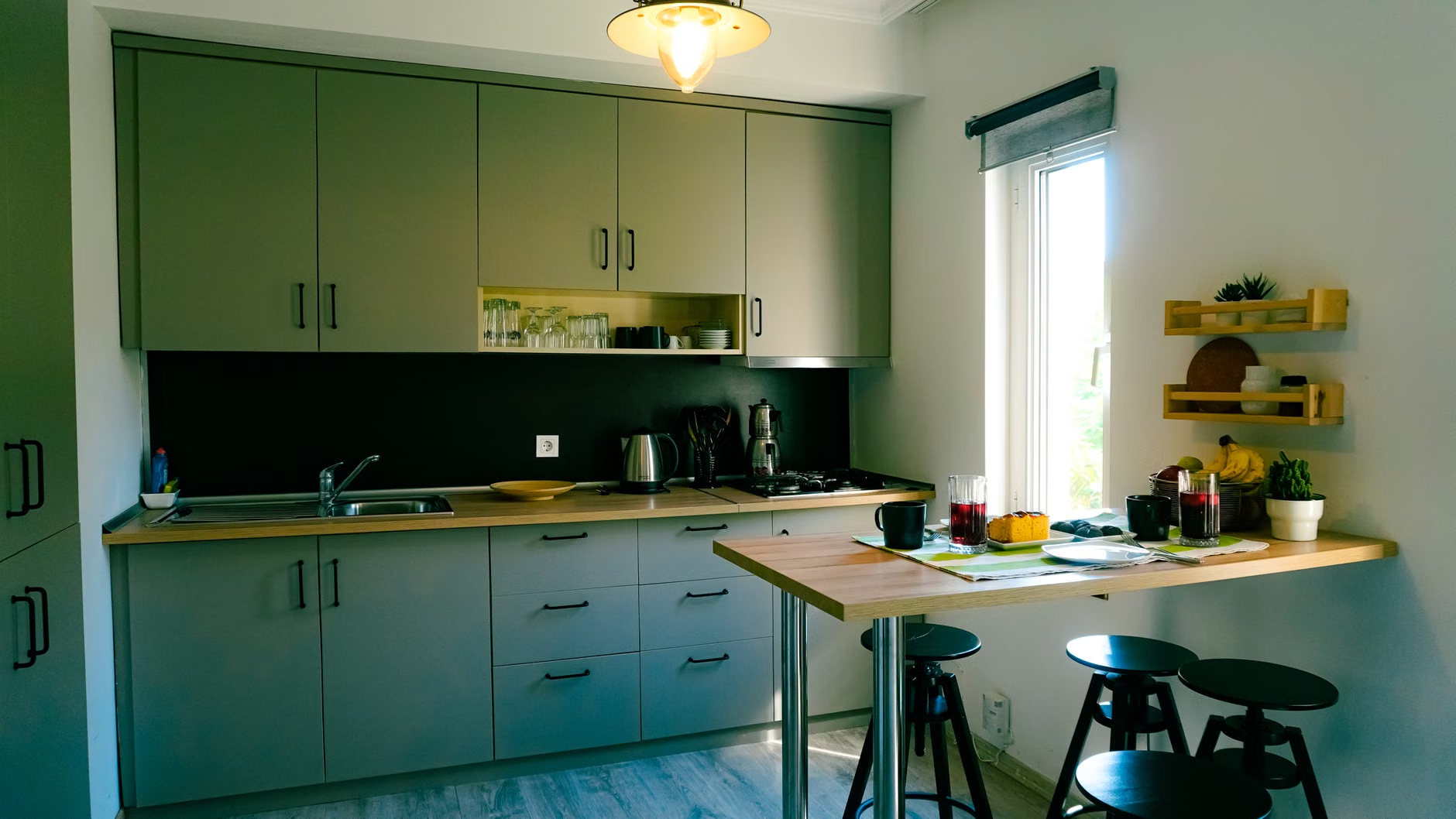
When you are a solo traveler, a hostel or a studio apartment is fine. When you are a parent with a toddler or a school-aged child, “traveling light” is a myth. You need a functioning kitchen, reliable laundry, and separate zones for sleep and work. Home swapping—or house exchanging—is the practice of trading residences with another family for a set period. It is not just about saving money; it is about maintaining a “home base” environment that allows you to remain productive while your family experiences a new culture.
Most freelancers operate on a budget that fluctuates. High-season hotel prices can turn a month-long workation into a financial disaster. By swapping, your primary cost becomes travel (flights/trains) and local living expenses (groceries/activities). Because you are living in a real home, you avoid the “restaurant trap” of eating out for every meal, which is often where travel budgets go to die.
The Hidden Economic Advantage
Consider the math: An average two-bedroom apartment in a European capital during peak season might cost $3,500–$5,000 per month. If your freelance income is project-based, that’s a massive overhead. When you swap, that cost drops to near zero. The “cost” is simply the utility usage and the effort of cleaning your home before you leave. This allows you to extend your stay from a one-week “vacation” to a one-month “workation,” which is significantly better for your mental health and professional output.
Setting the Foundation: How to Vet Your Swap Partners
The number one mistake new swappers make is failing to vet the “workability” of the destination. A beautiful home in a remote village is useless if the Wi-Fi speed is 5 Mbps. As a freelancer, your internet connection is your lifeline. Before you agree to any swap, you must treat your potential partner like a business contact.
| Criteria | What to Ask/Verify |
|---|---|
| Internet Speed | Request a screenshot of a speed test (e.g., Speedtest.net). Aim for 50 Mbps+ for Zoom calls. |
| Workspace | Ask for a photo of the desk setup. Is there an ergonomic chair? Is it in a quiet zone? |
| Child-Friendliness | Check for child-proofing, proximity to parks, and local childcare options. |
If you are working in a time zone different from your clients, you also need to ensure the space is conducive to late-night or early-morning calls. An open-plan apartment sounds lovely, but if you have to take a client call at 2:00 AM, you need a room where you can close the door without waking your partner or kids.
Before you list your home, you need to address the “boring but essential” stuff. In many urban centers, there are strict laws regarding short-term rentals. While a swap is technically not a “rental” (no money changes hands for the stay), some homeowner associations (HOAs) or local municipal laws still view non-owner occupancy as a violation. Always check your lease agreement or condo bylaws.
Insurance is non-negotiable. Most standard home insurance policies do not cover damage caused by “guests” who are staying in your home as part of a peer-to-peer exchange. Platforms like HomeExchange or PeopleLikeUs often include their own liability protection or offer additional insurance packages. Read these policies carefully. If you are a renter, you must inform your landlord. Being transparent prevents the stress of a potential eviction or legal dispute while you are thousands of miles away.
Establishing the “Rules of Engagement” with Your Swap Partners
The most successful swaps are those where both families have clear, written expectations. This is where many people fail. They assume the other family will treat the home exactly as they do. This is rarely the case. You need to create a “Home Manual” that covers everything from the mundane to the critical.
Your Essential Home Manual Checklist
- The “Secret” Tech Hacks: How to reset the router, how to get the dishwasher to actually drain, and where the main water shut-off valve is.
- The Professional Etiquette: If you have a cleaner who comes weekly, mention it. If you need the other family to water your plants or feed a pet, be explicit about the frequency.
- The Neighborhood Guide: Don’t just list tourist traps. List the best coffee shop with reliable Wi-Fi, the nearest pharmacy, and the local pediatrician.
When you arrive at the other home, do a “walk-through” immediately. Take photos of any existing damage and send them to your swap partner within the first hour of arrival. This protects you from being blamed for pre-existing issues. It is a simple administrative step that prevents major headaches later.
Balancing Parenting and Productivity While Abroad
This is the hardest part. You are not on vacation; you are working, just in a different ZIP code. If you try to treat the time like a holiday, your productivity will plummet, and your clients will notice. The key is to maintain a “structured routine” that mimics your home life but incorporates the novelty of the new location.
The 3-2-2 Rule for Freelance Parents:
- 3 hours of “Deep Work”: Focus on your most difficult tasks early in the morning before the family wakes up or while the kids are engaged in a local activity.
- 2 hours of “Family Exploration”: Go out together in the middle of the day. This is the benefit of the workation—being able to see the world with your kids.
- 2 hours of “Evening Polish”: Finish up administrative tasks or emails once the kids are asleep.
Do not attempt to work full-time hours (40+) while also acting as a full-time parent in a new city. It leads to burnout. If you are a freelancer, use the flexibility of your schedule to front-load your work at the start of the week. Aim to have your “heavy lifting” done by Thursday so you can take a long weekend to explore your new home city properly.

Common Pitfalls and How to Avoid Them
Even with the best preparation, things go wrong. Perhaps the dishwasher breaks, or the local internet provider has an outage. The difference between a disaster and a minor inconvenience is your preparation. Always have a “Plan B” for your work. If you are going to a city, identify at least two co-working spaces nearby before you leave. If your home internet fails, you need a place you can walk to within 15 minutes that offers a stable connection.
Another common mistake is “overscheduling.” You want to see every museum and landmark, but your kids might just want to play at a local park. If you force an itinerary on them, you will end up with grumpy, exhausted children, which makes your work day impossible. Build in “down days”—days where you have no plans, no sightseeing, and no pressure. These are the days where you, as a parent, will actually get your best work done.
Financial Realities: Is It Really Free?
While accommodation is free, travel is not. You still have to pay for flights, local transport, food, and potential pet sitting or plant watering back home. You also have to consider the “cost of living” gap. Swapping your home in a high-cost area (like London or New York) for a home in a lower-cost area (like Lisbon or Mexico City) is a winning strategy. You gain purchasing power. However, if you are swapping for a similarly priced city, the benefit is purely lifestyle-based.
Be mindful of the “hidden taxes” of travel. If you are moving to a country with a different power grid, do you have the right adapters? If you are moving to a country with a different language, have you downloaded the necessary offline translation apps? These small costs add up. Factor in an extra 15% to your budget for “unexpected logistics” to ensure you aren’t stressed about money while you are supposed to be enjoying your workation.
Final Thoughts: The Long-Term Professional Benefits
A workation-swap is more than a way to save money on a vacation. It is a way to prove to yourself—and your clients—that your work is not tied to a desk. It forces you to become more efficient, more organized, and more adaptable. These are the exact skills that allow a freelancer to charge more, manage their time better, and build a sustainable career that doesn’t sacrifice their family life.
Start small. Try a “local swap” first—a home within a two-hour drive of your current city. This allows you to test your systems without the stress of international travel. If the Wi-Fi fails or your child hates the new bedroom, you can easily pivot. Once you have a successful local swap under your belt, you can confidently book that three-week stint in a new country. The world is much smaller than it feels when you are stuck behind a desk; it’s time to start using that to your advantage.
Frequently Asked Questions
Q: What if the other family damages my property?
A: Most reputable home exchange platforms provide a guarantee or insurance coverage for property damage. Additionally, you should always check your own homeowner’s or renter’s insurance policy to see if it covers “guest liability.” Always document your home’s condition with photos before you leave.
Q: How do I handle the “awkward” conversation about cleaning?
A: Be direct but polite. Include it in your Home Manual. “We appreciate you leaving the home as you found it. We have a professional cleaner who comes on Fridays, so please ensure the kitchen counters are clear by Thursday night.” Most people are happy to follow clear, reasonable rules.
Q: Can I really work full-time while traveling with kids?
A: It depends on the age of your kids and your support system. If your kids are school-aged, they might need local activities or temporary camps. If they are toddlers, you will likely need to adjust your working hours to early mornings or late nights. It is rarely a 9-to-5 situation; it is usually a “task-based” situation where you fit work into the gaps of your family life.
Resources for Getting Started: