- Adopt a circular model: By prioritizing high-quality resale and rental over fast-fashion consumption, you reduce decision fatigue and lower your annual clothing budget by up to 40%.
- The 80/20 Rule: 80% of your professional output is achieved using 20% of your wardrobe; focus on versatile, high-quality staples that transition from daycare drop-off to the boardroom.
- Maintenance is key: A circular wardrobe relies on longevity; investing in proper garment care and minor repairs keeps your items in the loop longer, increasing their resale value.
You know the feeling: it’s 7:15 AM, the kids are demanding breakfast, the dog needs a walk, and you are staring at a closet full of clothes yet feeling like you have absolutely nothing to wear to that 9:00 AM meeting. For parents in their 30s and 40s, the “wardrobe struggle” isn’t just about fashion—it’s a symptom of a cluttered schedule and an outdated approach to consumption.
The solution isn’t to buy more or to spend hours curating trends. It’s to shift toward a circular wardrobe. This model focuses on keeping garments in use for as long as possible through repair, resale, rental, and intentional acquisition. It’s about creating a system where your clothes work for you, not the other way around.
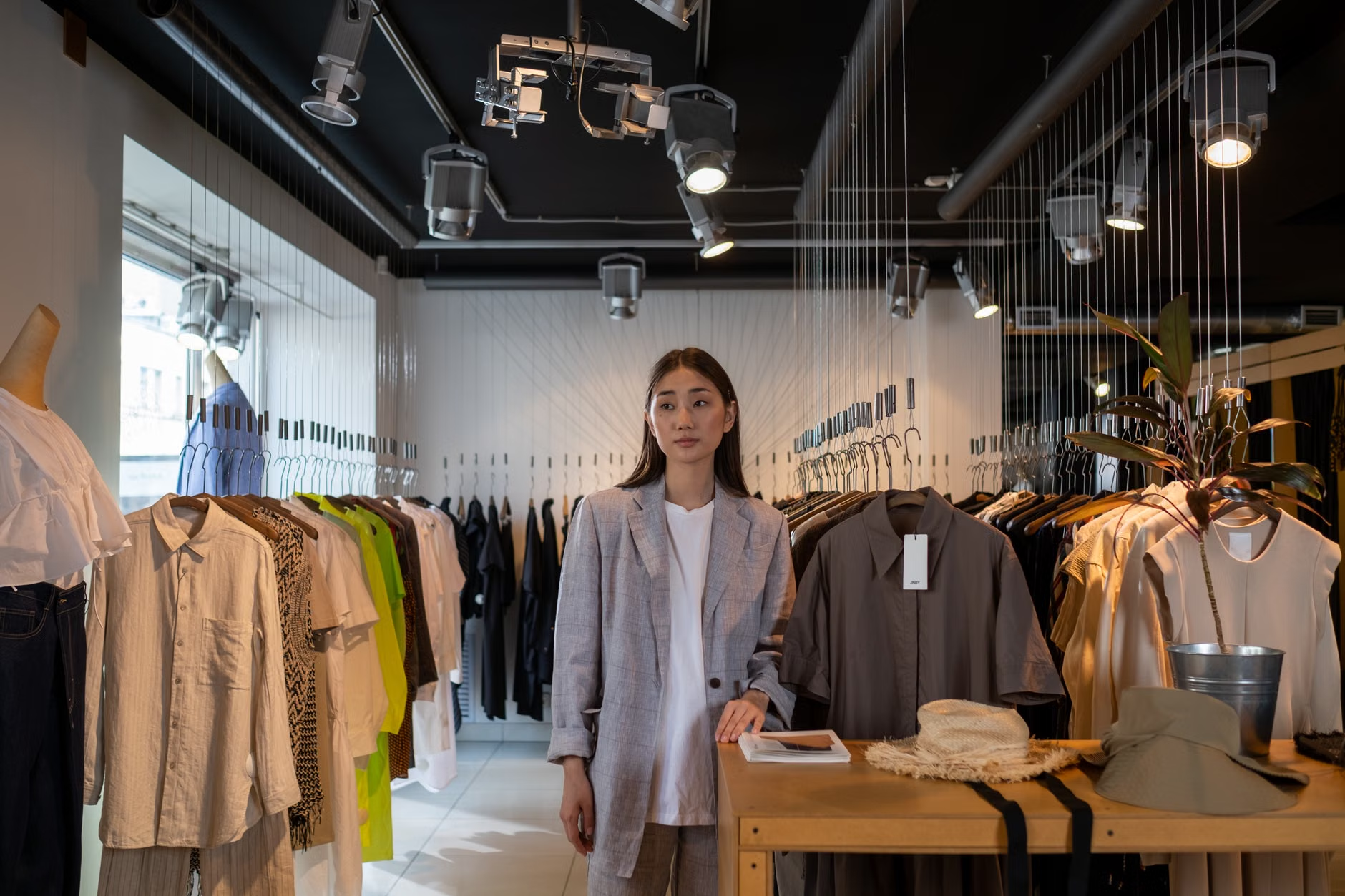
Why the Circular Wardrobe is the Ultimate Efficiency Tool
For a professional parent, time is the most valuable currency. When your wardrobe is “circular,” you aren’t just being environmentally conscious; you are streamlining your morning routine. A circular wardrobe operates on the principle of high-utility inventory. You remove the friction of choice by ensuring that every item you own serves a clear purpose.
Most of us fall into the trap of “aspirational shopping”—buying clothes for a version of ourselves that doesn’t exist, or for events that happen once a year. By adopting circular principles, you force yourself to evaluate each item based on its actual utility. If an item doesn’t fit your current lifestyle—the one involving school runs, client presentations, and weekend errands—it goes back into the cycle (resale or donation) rather than taking up space in your closet.
This matters because clutter is a mental tax. Research into decision fatigue suggests that the more choices we make, the lower our quality of decision-making becomes. By reducing your wardrobe to a curated, high-quality collection that is constantly circulating, you eliminate dozens of micro-decisions every morning.
Building Your Professional Capsule: The Decision Framework
Transitioning to a circular wardrobe doesn’t mean throwing everything out. It means changing how you manage what you keep. The first step is an honest audit. Use this framework to decide what stays and what goes:
| Criteria | Keep | Circulate (Sell/Donate) |
|---|---|---|
| Frequency | Worn at least once a month | Worn once a year or less |
| Versatility | Matches 3+ existing items | Requires specific, one-off pieces |
| Condition | Excellent, repairable, or classic | Damaged, poor fit, or fast-fashion |
If an item doesn’t pass the “versatility” test, it’s a candidate for your local resale platform. The common mistake here is holding onto items “just in case.” If you haven’t worn a piece of clothing in 12 months, the likelihood of you wearing it in the next 12 is statistically negligible. Let it go to someone else who will use it.
Leveraging Technology for the Modern Parent
You don’t have to do this alone. Digital tools have made the circular economy incredibly accessible. Instead of spending your weekend at a consignment store, you can use platforms like Vinted, Depop, or specialized luxury resale sites like The RealReal or Vestiaire Collective. These platforms are not just for selling; they are for sourcing high-quality professional wear at a fraction of the retail price.

For the professional parent, the strategy is to buy high-quality, sell high-quality. When you purchase a premium blazer from a resale site, it retains its value. When you are done with it, you can resell it, effectively making the “cost per wear” incredibly low. This is the financial engine of the circular wardrobe.
Consider the math: A new, high-end wool blazer might cost $400. If you buy it pre-loved for $150, wear it for two years, and then resell it for $100, your total cost of ownership is $50. Contrast this with a $100 fast-fashion blazer that loses its shape after three washes and cannot be resold. The circular model isn’t just better for the planet; it is the most financially sound way to dress for a professional career.
The Hidden Costs of Fast Fashion vs. Quality Longevity
We often talk about the price tag, but we rarely discuss the hidden costs of fast fashion. These include the time spent shopping for replacements, the environmental impact of textile waste, and the psychological burden of “closet bloat.” When you buy a garment made of cheap synthetic fibers, you are paying for the privilege of replacing it sooner.
A circular wardrobe prioritizes natural fibers—wool, cotton, silk, and linen. These materials are not only more comfortable for the unpredictable nature of parenting (breathability, ease of movement) but they are also more durable. They are easier to repair, and they have a longer life cycle. When you choose quality, you are choosing to exit the cycle of constant replacement.
One overlooked variable is garment care. Many people stop wearing clothes simply because they don’t know how to maintain them. Learning basic skills—like how to properly store sweaters to avoid moths, or how to use a fabric shaver to remove pilling—can extend the life of your professional wardrobe by years. It’s a small time investment that pays dividends in both style and savings.
Real-Life Scenarios: How to Transition Smoothly
Let’s imagine two scenarios. Sarah, a marketing executive, decides to overhaul her closet. She spends a Saturday categorizing her clothes. She realizes she has five similar black skirts, none of which she loves. She keeps the best one and lists the others on a resale app. She uses the proceeds to buy a high-quality, pre-loved silk blouse she’s been eyeing. Her closet is now lighter, and she has one less item to worry about in the morning.
Then there’s Mark, a project manager who struggles with laundry and maintenance. He decides to adopt a “uniform” approach. He buys three identical high-quality trousers and five high-quality shirts in neutral colors. Because he has fewer items, he is more motivated to take care of them. He uses a local tailor for minor adjustments, ensuring his clothes fit perfectly. His morning routine is now automated: pick a shirt, pick the trousers, go.
Both Sarah and Mark have adopted circular principles, but they have applied them differently. Sarah focused on curation and resale, while Mark focused on simplification and longevity. The best approach depends on your personal style and your tolerance for variety.
Step-by-Step Implementation for Your Household
If you want to start your circular wardrobe today, follow these steps:
- The Purge: Clear everything out of your closet. Create three piles: Keep, Resell/Donate, and Repair. If you are on the fence, put the item in a “maybe” box. If you don’t reach for it in three months, it’s out.
- The Audit: Look at what remains. Do you have the basics for your professional life? If you are missing a staple (e.g., a good blazer), look for it on a reputable resale site before going to a retail store.
- The Maintenance Plan: Find a good local tailor and a dry cleaner you trust. Make a habit of checking your clothes for loose buttons or small tears once a month.
- The Buy-Back Loop: When you buy something new, commit to the idea that it will eventually be sold or donated. Don’t let it become “dead stock” in your closet.
The most important thing to remember is that this is a continuous process, not a one-time project. Your needs will change as your children grow and your career evolves. Your wardrobe should reflect that change, but it should do so through a cycle of renewal rather than a cycle of accumulation.
Addressing Common Misconceptions
A common misconception is that a circular wardrobe is “boring” or “minimalist to the point of being ascetic.” This is false. A circular wardrobe is simply curated. You can still have fun with fashion; you just have to be more intentional about it. Perhaps you swap out a few pieces every season through a rental service like Rent the Runway or local clothing swaps. This allows you to experiment with trends without the long-term commitment of ownership.
Another misconception is that it takes too much time. In reality, the time you spend listing an item on a resale app or dropping off a donation is significantly less than the time you spend shopping for, trying on, and returning fast-fashion items that don’t fit or don’t last. You are trading low-value, high-frequency shopping for high-value, low-frequency management.
Final Thoughts for the Modern Parent
The goal of a circular wardrobe is to give you back your time and your mental energy. By simplifying what you own, you are not losing your personal style; you are refining it. You are choosing to invest in quality, to respect the resources that go into making your clothes, and to build a system that supports your busy life rather than complicating it.
Start small. Don’t feel the need to redo your entire closet in a weekend. Pick one category—like blazers or trousers—and start there. Once you see the benefits of a streamlined, high-quality collection, the rest will follow. You are not just organizing your clothes; you are building a more sustainable and efficient lifestyle for yourself and your family.
For more information on the environmental impact of textile consumption and how to participate in the circular fashion economy, you can visit resources like the Ellen MacArthur Foundation’s Fashion Initiative, which provides comprehensive data on why this shift is essential for our global future.
Frequently Asked Questions
- How do I handle clothes that have sentimental value but aren’t practical?
- Keep a dedicated “memory box” for sentimental items. They don’t need to take up prime space in your functional wardrobe. If an item is truly special, consider upcycling it—for example, turning an old silk scarf into a framed piece of art or a decorative pillow.
- Is it really cheaper to buy high-end pre-loved items than cheap new ones?
- Yes, when you factor in “cost per wear.” A $200 pre-loved designer coat that lasts five years and retains 40% of its resale value is significantly cheaper than a $80 fast-fashion coat that lasts one season and ends up in a landfill. Focus on the total cost over time, not the initial transaction.
- How do I maintain a professional look while dealing with the mess of parenting?
- Prioritize performance fabrics that are machine washable but look structured. Look for blends with high-quality wool, technical silks, or structured cottons that resist wrinkling. Always carry a small “emergency kit” in your bag: a stain remover pen and a lint roller. These two items will save your professional look more often than you think.