The most important thing to know right now is that the “Carbon Border Tax”—officially known as the Carbon Border Adjustment Mechanism (CBAM) in the European Union—is designed to make imported goods carry the same carbon price as products manufactured within strict climate-regulated zones, meaning your favorite overseas online purchases will likely see a price hike as the policy phases in over the next few years.
- Pricing Shift: The tax forces manufacturers to pay for the carbon emitted during production; these costs will inevitably be passed on to you at the online checkout.
- Scope of Impact: Initial focus is on high-emission goods like steel, aluminum, cement, and fertilizers, but it will gradually expand to include finished consumer goods and electronics.
- Actionable Strategy: Prioritize regional shopping or brands with transparent “green” manufacturing practices to avoid the price premiums associated with high-carbon imports.
We’ve all been there: it’s 10:00 PM, the kids are finally asleep, and you’re scrolling through a global marketplace, comparing a stylish desk lamp or a set of stainless steel kitchen gadgets. You find a great deal from an international seller, hit “buy,” and wait for it to arrive at your doorstep. It feels efficient and cost-effective. However, the way we calculate the “cost” of those goods is undergoing a massive, structural shift. Governments are no longer just looking at the price tag; they are looking at the carbon footprint left behind during the manufacturing process.
This isn’t just a political talking point for policymakers in Brussels or Washington. It is a fundamental change to the global supply chain that will reach your credit card statement. If you are a parent or a professional trying to manage a household budget in your 30s or 40s, understanding this “border tax” is essential to navigating the future of your online shopping habits.
What Exactly Is the Carbon Border Adjustment Mechanism?
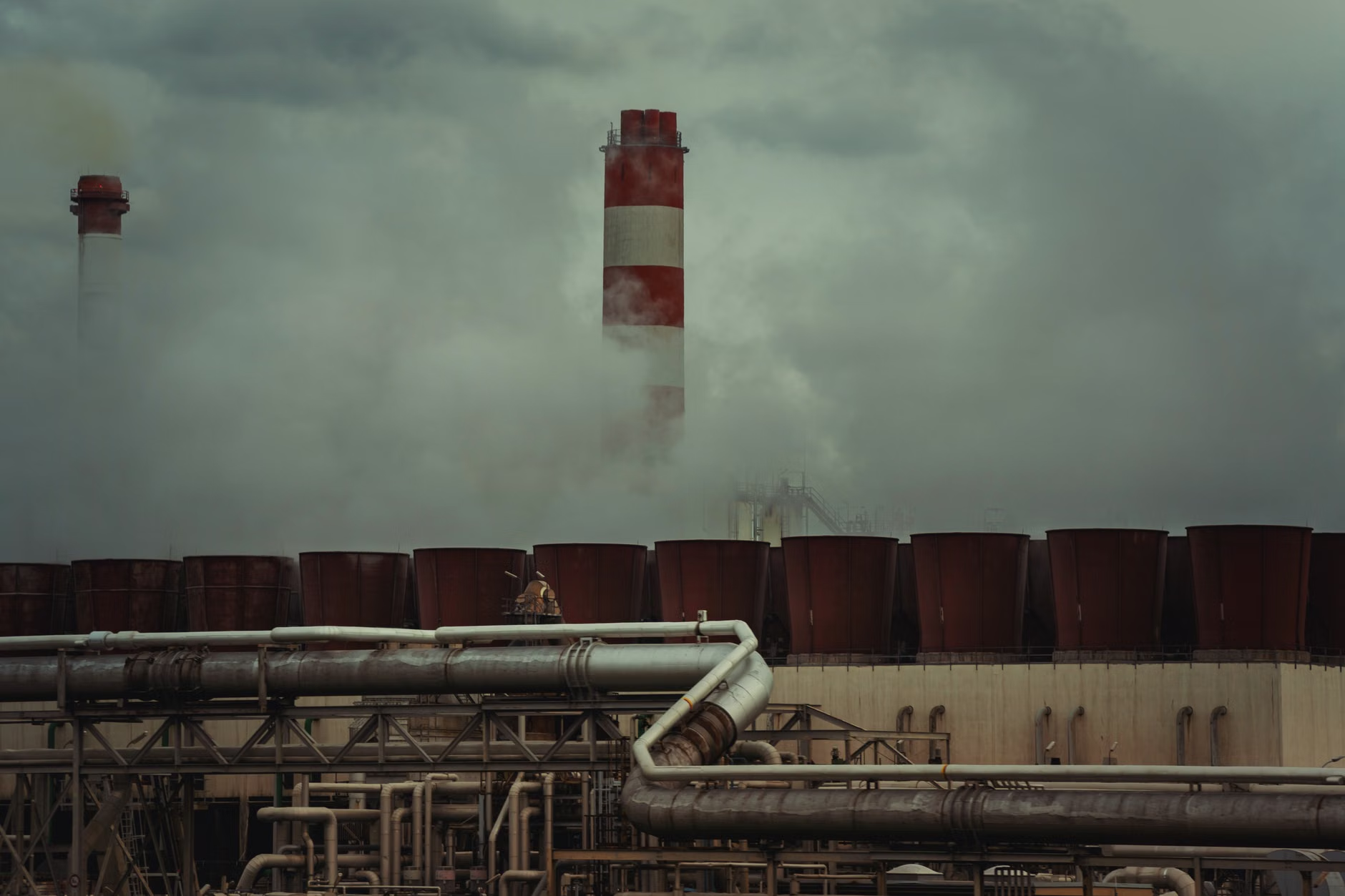
To understand why your shipping costs or base prices might rise, we need to look at the “what” and the “why.” In simple terms, many countries have domestic policies that tax local companies for the carbon they emit during production. This keeps the environment cleaner but makes those products more expensive to produce. Meanwhile, an overseas competitor might manufacture the same item in a country without such taxes, allowing them to sell it cheaper because they aren’t paying for their pollution.
The Carbon Border Adjustment Mechanism (CBAM) acts as a “leveler.” It applies a fee to imported goods based on how much carbon was emitted to create them. If a product is made in a country with no carbon price, the importer (or the platform) must pay the difference at the border. This effectively closes the loophole that allowed “dirty” manufacturing to stay artificially cheap.

Why does this matter to you? Because the global economy is deeply interconnected. If you buy a premium stainless steel cookware set from a region that hasn’t adopted strict carbon pricing, that set will now be subject to an import levy. The company selling it to you isn’t going to absorb that cost out of the goodness of their heart; they will pass it on to you. We are moving toward a world where your shopping cart is not just a collection of items, but a collection of carbon-weighted assets.
The Ripple Effect: How It Hits Your Wallet
It is easy to think, “I only buy clothes and toys, so this doesn’t affect me.” That is a common misconception. While the initial phases of the CBAM focus on heavy industries like steel, aluminum, cement, and electricity, the scope is expanding. Think about the components in your electronics, the metal frame of your child’s bicycle, or even the materials used in home improvement projects.
Let’s look at a hypothetical scenario to visualize the impact. Suppose you are looking for a new ergonomic office chair. It features a high-grade aluminum frame and steel screws. If the manufacturer sources that aluminum from a country with high-carbon energy grids, the “carbon intensity” of that chair is high. Under the new regulations, when that chair enters a jurisdiction like the EU, the importer pays a levy based on those emissions. If that levy adds 5% to the wholesale cost, you can expect a 5-8% increase in the retail price after the markup moves through the supply chain.
This isn’t a one-time spike. It is a permanent shift in how we value goods. The “cheap” items we’ve grown accustomed to—those that rely on lax environmental regulations—will lose their price advantage. You will essentially be paying for the environmental cost of the production process, whether you realize it or not.
The Shift in Product Availability and Quality
Beyond just the price, there is a secondary effect: product availability. As manufacturers realize that their high-carbon products are becoming less competitive in major markets, they have two choices. They can either invest in green technology to lower their emissions, or they can abandon those markets entirely to focus on regions with less stringent environmental standards.
For the consumer, this could mean that some of your favorite niche brands from overseas might stop shipping to your region. Or, they might reformulate their supply chains. This is where it gets interesting. As a shopper, you might start seeing “carbon-neutral” labels becoming as common as “organic” labels on food. Companies will want to prove that their products are exempt from these border taxes by demonstrating clean production methods.
This change forces a decision rule for the conscious consumer:
| Factor | High-Carbon Import | Low-Carbon / Domestic Alternative |
|---|---|---|
| Base Price | Lower (but rising due to tax) | Higher (due to production costs) |
| Total Cost | Increasing significantly | Stable |
| Sustainability | Low | High |
| Long-term Value | Variable | Higher (durability focus) |
The takeaway here is that the “cheapest” option on the screen might not be the cheapest option for your bank account in the long run. If you buy a product that is hit by these taxes, you are paying for the tax, not necessarily for better quality. If you buy a product that is manufactured with green energy, you are paying for the product itself.
So, how do you handle this as a busy parent or a professional? First, don’t panic-buy. The implementation of these taxes is gradual. However, you should start factoring “origin” into your purchasing decisions. If you are buying a significant item—like a major appliance or a piece of furniture—check where it is made and look for information about the manufacturer’s environmental commitment.
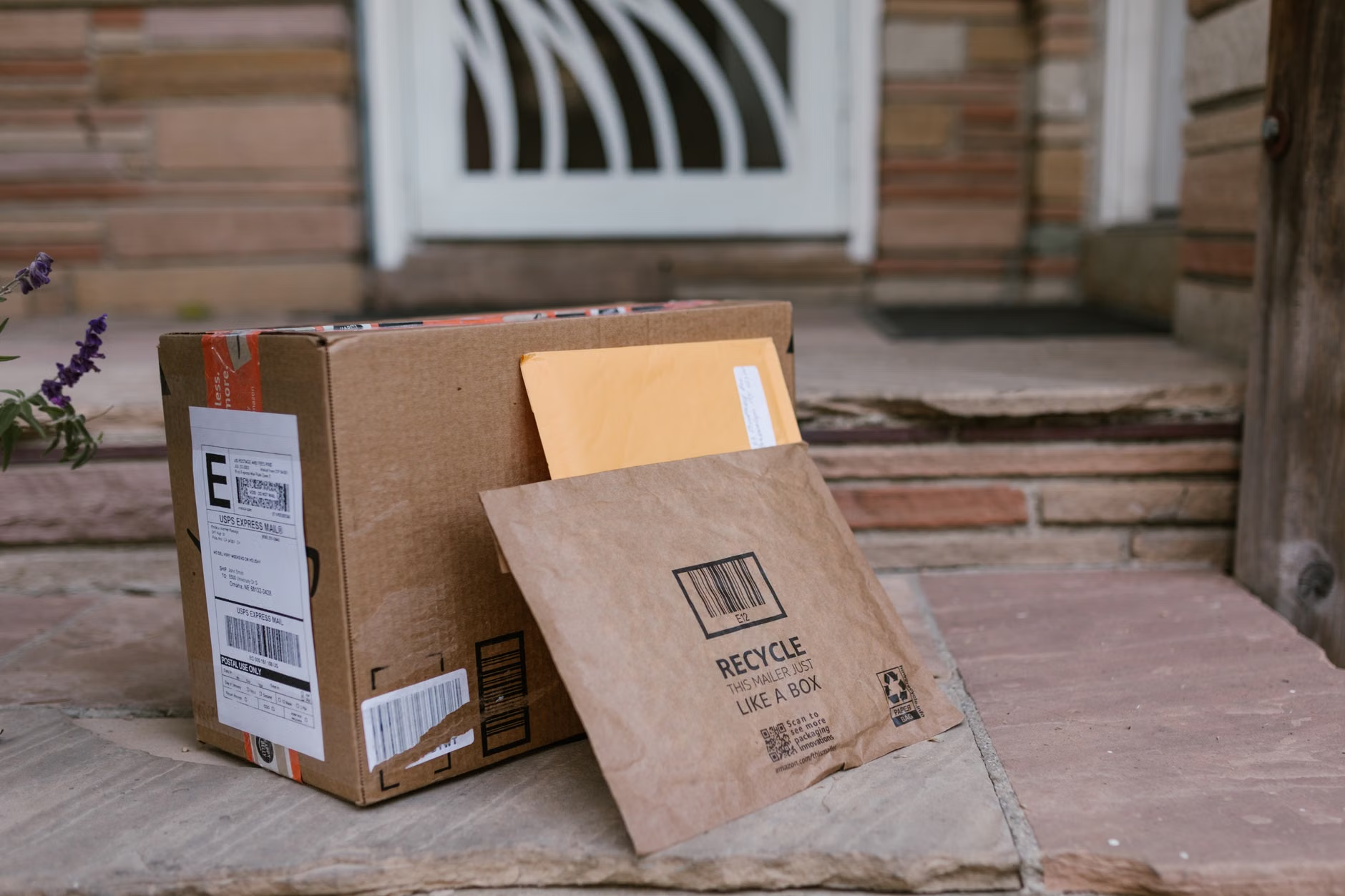
Another overlooked variable is the complexity of global logistics. When a tax is applied at the border, the administrative cost of clearing that tax is often added to the shipping fee. This means that even if the product price increase is small, the “shipping and handling” fees might jump unexpectedly. Always look for the “all-in” price before checking out.
Common mistakes include assuming that a brand based in a developed country is automatically “low carbon.” A brand might be based in the US or UK but still manufacture its goods in a region with heavy coal usage. You have to look at the manufacturing origin, not just the brand’s headquarters. Many websites are now adding “sustainability filters.” I highly recommend using these, not just for the moral benefit, but as a way to filter out products that are more likely to be subject to future carbon-related price volatility.
Why This Is a Structural Shift, Not a Temporary Trend
It is important to understand that the Carbon Border Adjustment Mechanism is not a temporary trade barrier; it is a fundamental shift in the global economic architecture. For the past three decades, the primary goal of global trade was to reduce costs by outsourcing production to wherever labor and materials were cheapest. This model relied heavily on the “externalization” of costs—meaning that if a factory in a developing nation polluted a river or pumped carbon into the air, those costs were not reflected in the price of the product.
The world is now “internalizing” these costs. When a government imposes a carbon tax on imports, they are effectively saying that the environmental damage caused by production is a real economic cost that must be accounted for. This is part of a larger global trend toward ESG (Environmental, Social, and Governance) standards. For the 30-to-40-year-old demographic, this means that the “consumer era” of limitless cheap imports is likely coming to an end. We are entering an era where value is tied to transparency.
Consider the trade-offs. In the past, if you wanted a new set of garden tools, you could find them for a fraction of the cost of a local artisan version by ordering from a global marketplace. You were, in effect, benefiting from the lack of environmental regulation in the exporting country. Now, the playing field is being leveled. While this might feel like a “cost” to you personally in the form of higher prices, it is also a mechanism that encourages global manufacturers to adopt cleaner energy sources. If they want to keep selling their goods in major markets, they have to clean up their act.
From a household management perspective, this means you should prioritize durability over price. When the cost of production is forced to include the cost of carbon, the “cheap, throwaway” product model becomes less viable. You will find that more expensive, high-quality products that last longer will eventually become the more economical choice. This is a shift that many parents have already started making with toys and clothing, and it is now spreading to almost every consumer category.
Practical Steps for the Modern Shopper
You don’t need to become an economist to manage your shopping, but you can adopt a few simple habits to stay ahead of these changes:
- Audit Your High-Frequency Purchases: Look at your recurring online orders. If you buy certain goods every few months—like specialized kitchen supplies, specific hardware, or hobby equipment—check the country of origin. If they are coming from regions known for heavy industrial emissions without carbon pricing, expect price increases.
- Support Regional Supply Chains: Where possible, look for products manufactured within your own economic region. These products are already subject to the local environmental regulations, meaning they are less likely to see sudden, tax-driven price spikes at the border.
- Prioritize “Carbon-Transparent” Brands: As companies realize that carbon footprint is a major factor in international trade, they will start publishing their emission data. Brands that are transparent about their supply chain are usually better managed and less likely to be caught off guard by new regulations.
- Factor in “Total Cost of Ownership”: When comparing two products, look at the price, the shipping cost, and the projected lifespan. A product that costs 20% more but lasts twice as long is already a better deal; with the added impact of carbon taxes on cheaper, high-emission imports, the gap will only widen.
One final insight: keep an eye on how marketplaces handle these taxes. Some large platforms are already building the carbon tax calculation into their checkout systems. This is actually a good thing, as it provides transparency. If you see a “carbon levy” or “environmental fee” added to your order, don’t just get frustrated—take it as a signal that the product’s true cost is being revealed. It is a tool for you to make a better-informed decision.
The Broader Implications for Your Lifestyle
The impact of the carbon border tax goes beyond the individual shopping cart; it speaks to the changing nature of globalization. For those of us in our 30s and 40s, we grew up in an era where global trade was seen as a way to maximize access to goods. We are now transitioning into a phase where the “cost” of that access is being recalculated. This is not necessarily a negative development. It is an evolution toward a more sustainable and accountable global economy.
Think about the products you use every day. Your smartphone, your laptop, the appliances in your kitchen—these are all complex assemblies of materials sourced from all over the world. The transition toward a carbon-taxed global economy means that the manufacturers of these goods are being incentivized to innovate. They are being forced to find ways to produce these items with less energy and cleaner materials. This will, over time, lead to better products that are not only more environmentally friendly but often more technologically advanced.
This does not mean that your lifestyle needs to become more expensive. It means that your consumption patterns need to become more intentional. By choosing to support brands and products that are ahead of this curve, you are not just saving money in the long run; you are also voting with your wallet for a more sustainable industrial future. It is a way to align your daily actions with the broader goals of a cleaner, more efficient world.
If you find yourself frustrated by rising prices, look at it as a necessary correction. We have spent years ignoring the environmental cost of our consumption. Now that those costs are being moved from the environment to the price tag, we have the opportunity to make better choices. The goal is not to stop shopping, but to shop in a way that recognizes the true cost of our goods.
Frequently Asked Questions
1. Will this tax apply to everything I buy online?
No, not yet. The current focus is on high-emission raw materials and intermediate goods like steel, aluminum, iron, cement, electricity, hydrogen, and fertilizers. However, as the policy matures, it is expected to expand to finished consumer products that contain these materials. You are unlikely to see a “carbon tax” on a simple cotton t-shirt today, but you might see it on high-tech gadgets or metal-heavy home goods in the near future.
2. Is there a way to avoid these price increases?
The most effective way is to shift your purchasing toward products manufactured in regions that already have strong carbon-pricing mechanisms (like the EU, Canada, or parts of the US). These products already have the “carbon cost” built into their production, meaning they won’t face the same “border adjustment” levies as goods coming from countries with lax environmental standards.
3. How can I tell if a product is “high carbon”?
It is currently difficult for individual shoppers to know the exact carbon footprint of a product. However, look for brand transparency. Companies that are proud of their low-carbon manufacturing processes will typically highlight this in their product descriptions. If a company is silent about their production methods, it is safer to assume their supply chain is traditional—and potentially subject to future carbon-related price volatility.
Final Thoughts
The Carbon Border Adjustment Mechanism is a landmark policy that marks the end of the “cheap at any cost” era of global commerce. For the average shopper, this means that the price of goods will become more reflective of their environmental footprint. While this will undoubtedly lead to price increases for certain items, it also provides a clear signal: sustainability is becoming a core component of the global economy.
Don’t be overwhelmed by the complexity of trade policy. Instead, focus on what you can control: being a more discerning shopper. By prioritizing quality over quantity, supporting transparent brands, and keeping an eye on where your items are actually made, you can navigate these changes without breaking your household budget. The goal is to move toward a more sustainable lifestyle where your purchases reflect your values. Stay curious, stay informed, and remember that every purchase is a small decision that shapes the global market.
For more detailed information on the official EU implementation and the timeline of the CBAM, you can visit the official European Commission website.