An energy audit in a high-density apartment is not about tearing down walls; it is about identifying the specific, invisible leaks in your climate control and phantom power usage that account for up to 30% of your monthly utility bill. By systematically checking your thermal envelope—windows, doors, and vents—and auditing your “always-on” electronic devices, you can achieve immediate, measurable reductions in your energy consumption without needing landlord intervention or major renovations.
- The 20% Rule: Most apartments lose significant energy through “thermal bridging” at window seals and door sweeps, which can be fixed with $20 worth of weatherstripping.
- Phantom Load Awareness: Electronics consume power even when turned off; using smart power strips can reduce your base electricity load by 5% to 10% annually.
- Ventilation vs. Insulation: In high-density buildings, the “stack effect”—where air is pulled up through the building—often causes drafts that are mistaken for poor insulation; focus on sealing gaps rather than replacing windows.
The Reality of Energy Loss in High-Density Living
Living in a high-density apartment building presents a unique set of challenges compared to a standalone house. You aren’t just managing your own energy; you are part of a larger, interconnected system. When you look at your utility bill, it is easy to blame the building’s age or the heating system, but the reality is that the vast majority of energy loss occurs within the specific “box” you occupy. This is the thermal envelope.
The thermal envelope is simply the physical barrier between your conditioned indoor air and the outside world. In an apartment, this includes your windows, your front door, the junctions where walls meet floors, and any penetrations for plumbing or electrical wiring. When these seals are compromised, you are essentially paying to air-condition or heat the hallway or the great outdoors.
Why does this matter for those of us in our 30s and 40s? Because our schedules are packed. We don’t have time to call a professional auditor for a $500 inspection. However, we do have the capacity to perform a “micro-audit” that targets the high-impact areas. By focusing on these specific points, you can reclaim money that is currently leaking through the cracks—literally.
Conducting Your DIY Thermal Envelope Inspection
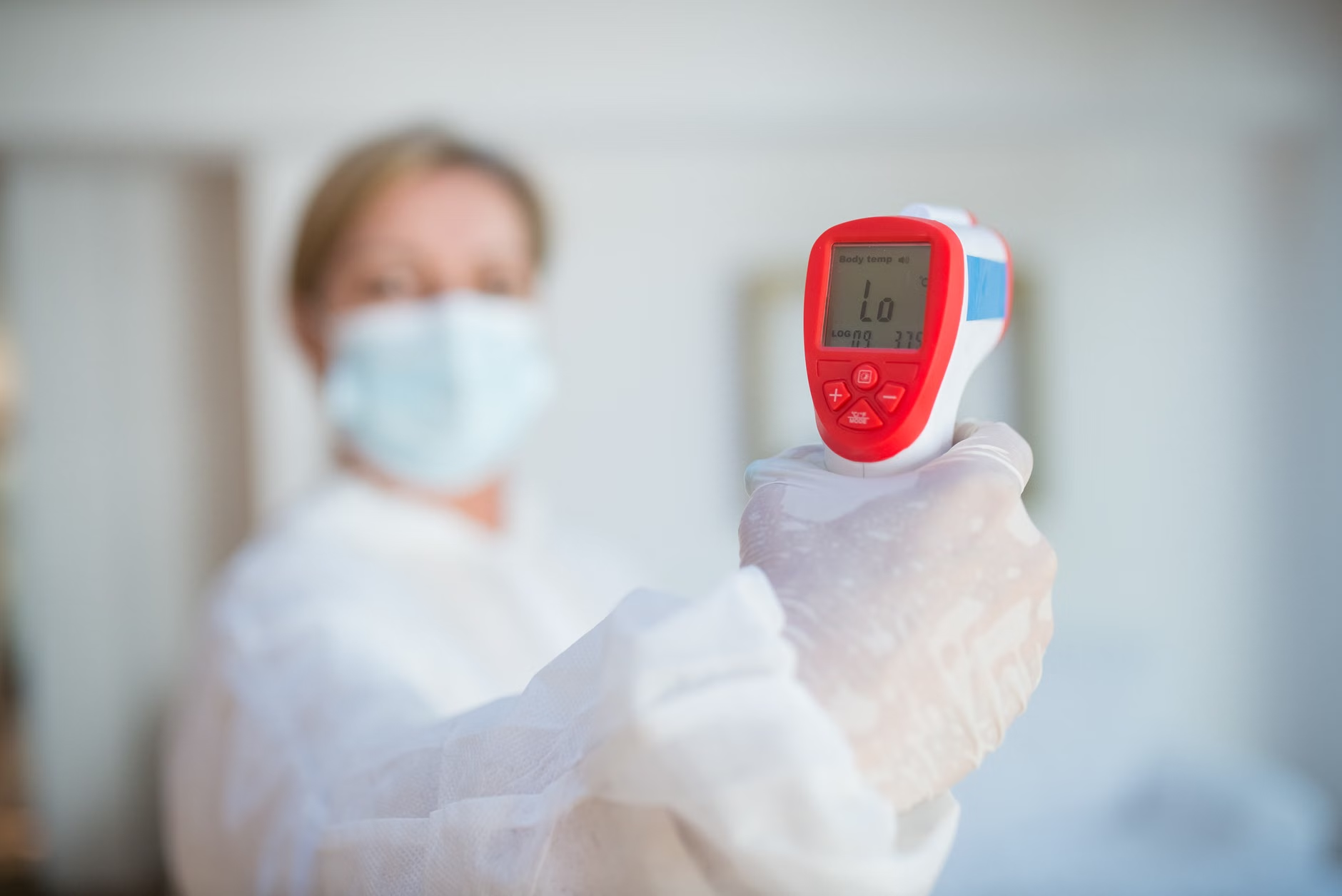
The first step in your audit is to identify where your apartment is losing energy. You don’t need expensive equipment. While thermal cameras are fun, a simple stick of incense or a damp hand is often enough to detect air movement. However, if you want to be precise, an infrared thermometer (often called a “temp gun”) is a worthwhile investment, usually costing around $20 to $30.
Walk through your apartment on a day when the temperature difference between inside and outside is significant—ideally, a very cold or very hot day. Aim your thermometer at the following locations:
| Location | What to Look For | Quick Fix |
|---|---|---|
| Window Frames | Temperature drops of 5°F+ compared to the wall | Apply adhesive foam weatherstripping |
| Front Door Sweep | Noticeable air movement at the threshold | Install a heavy-duty door sweep or draft stopper |
| Electrical Outlets | Cold air blowing through the plate | Install foam gaskets behind the outlet covers |
| Exhaust Vents | Backdrafting when the fan is off | Check for a faulty damper or install a magnetic cover |
The “Stack Effect” is a common phenomenon in high-rise buildings that many residents overlook. Because warm air rises, it creates a pressure difference that pulls cold air in through the lower levels of your apartment and pushes it out through the top. This is why you might feel a draft near your front door even if the door seems to close tightly. Simply adding a high-quality door sweep is often the single most effective action you can take to stop this cycle.
Managing Your “Phantom” Electricity Load
If your thermal envelope is sealed, but your electricity usage remains stubbornly high, you are likely dealing with “phantom loads” or “vampire power.” This is the energy consumed by electronics that are plugged in but not actively being used—think gaming consoles, smart TVs, coffee machines, and chargers.
In a modern household, these devices can account for up to 10% of your total energy bill. The problem isn’t that they are on; it’s that they are in “standby” mode, waiting for a signal from a remote or a timer. This requires a constant, albeit small, flow of electricity.
The Smart Power Strip Strategy
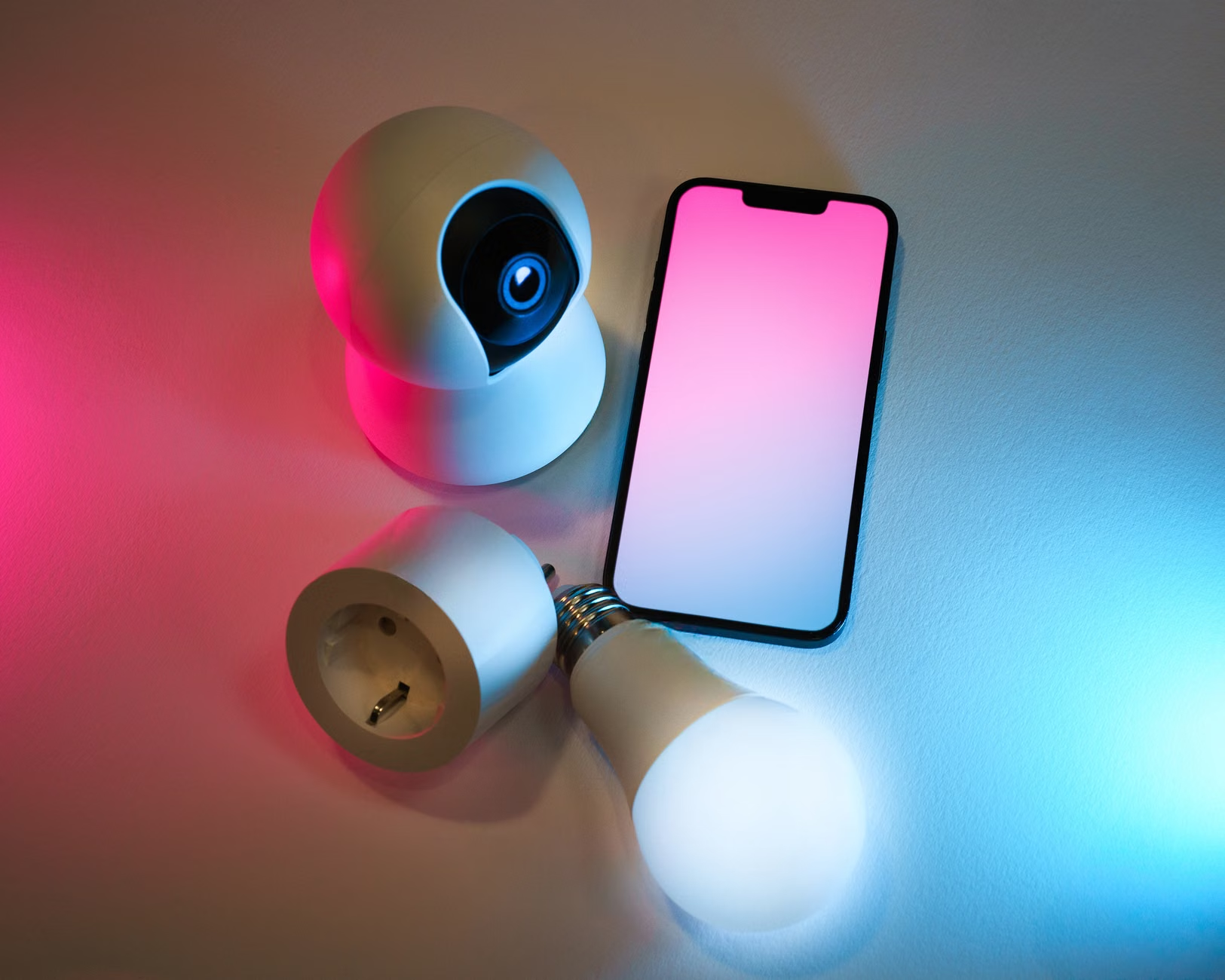
The most effective way to combat this is to group your devices. Instead of plugging your TV, soundbar, and gaming console into individual outlets, plug them into a “smart” or “master-controlled” power strip. These devices detect when the master device (the TV) is turned off and automatically cut power to the peripheral devices (the soundbar and console).
However, be careful with devices that need to stay connected. Do not put your Wi-Fi router, smart home hub, or security camera on a power strip that cuts off completely. These devices need to maintain a connection, and the time it takes for them to reboot every time you turn on your TV will be a significant inconvenience. Use a simple, non-controlled power strip for these always-on devices, and reserve the smart strips for your entertainment center or home office.
Appliance Efficiency and Maintenance
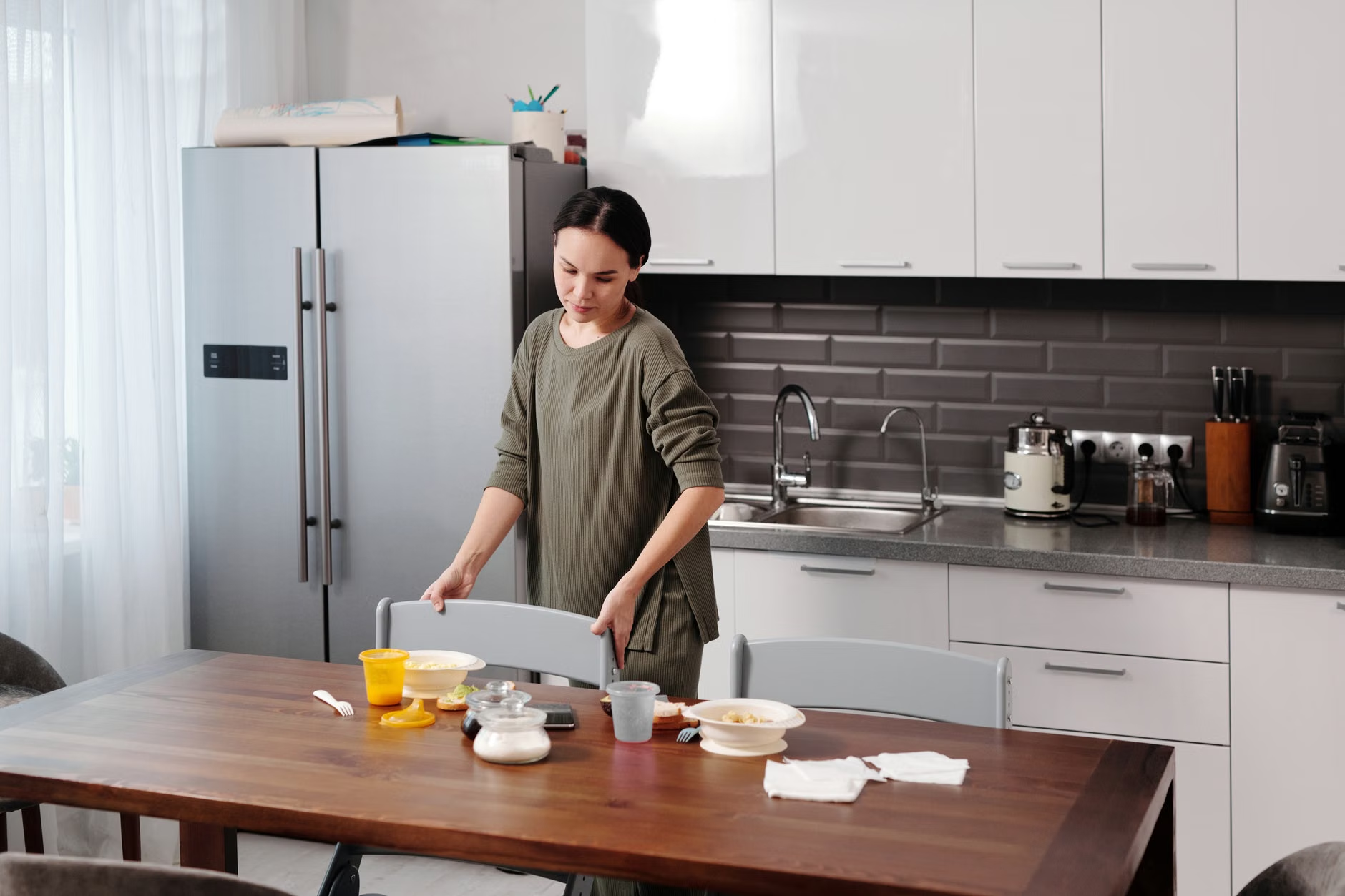
Apartment appliances—especially refrigerators and HVAC units—are often older and less efficient than the high-end models you might see in a detached home. Because you likely don’t own these appliances, you are limited in what you can replace. You are, however, responsible for their maintenance, which directly impacts their efficiency.
The most common culprit for an energy-hungry refrigerator is dust on the condenser coils. These coils are usually located at the back or underneath the unit. When they get covered in dust, the refrigerator has to work significantly harder to dissipate heat, leading to longer compressor cycles and higher electricity consumption. A quick vacuuming of these coils every six months can improve efficiency by 5% to 10%.
Similarly, check your HVAC filter. In many apartments, the filter is located behind a grate in the ceiling or a wall panel. If it hasn’t been changed in three months, it is likely clogged. A dirty filter restricts airflow, forcing the blower motor to work harder, which consumes more electricity and puts unnecessary strain on the system. Set a recurring reminder on your phone for every 90 days to check and replace these filters.
Understanding the “Hidden” Costs of Lighting
While LED lighting has become the standard, many of us still have a few “legacy” bulbs tucked away in closets or decorative fixtures. If you are still using incandescent or halogen bulbs, you are paying for heat, not just light. An incandescent bulb converts roughly 90% of the energy it consumes into heat rather than light. In the summer, this is doubly bad—you are paying to create heat, and then you are paying your air conditioner to remove that heat.
Conduct a “bulb audit.” Go room by room and ensure every single bulb is an LED. The initial cost of replacing a dozen bulbs might feel like a nuisance, but the ROI (Return on Investment) is often realized within six months. Furthermore, look for “smart” bulbs that can be dimmed or scheduled. Being able to dim a light by 20% or 30% significantly reduces energy consumption and, as a nice side effect, extends the lifespan of the bulb.
Decision Criteria: When to Call the Landlord
There is a fine line between DIY maintenance and landlord responsibility. As a general rule, if the energy issue is caused by a structural defect or a failure of a major appliance, it is your landlord’s responsibility to address it. Your DIY audit helps you identify the problem, but it should also provide you with the evidence needed to request a repair.
For example, if you have sealed your windows with weatherstripping and you still feel a significant draft, there may be a gap in the window frame or a failure in the window seal itself. This is a structural issue. When you contact your landlord or property manager, be specific: “I have performed a draft test and identified a significant air leak at the bottom of the master bedroom window frame that cannot be resolved with weatherstripping. This is causing a noticeable increase in heating costs.”
By framing your request in terms of energy efficiency and maintenance, you are more likely to get a positive response than if you simply complain that the room is “drafty.” Most property managers are interested in energy efficiency because it protects the building’s infrastructure from moisture damage and ice damming, which are expensive to repair.
The Impact of Behavioral Changes
We often focus on hardware—the weatherstripping, the power strips, the LED bulbs—but the most significant impact on your energy bill is actually your behavior. This is not about being uncomfortable; it is about being intentional. For instance, the “thermostat game” is a common point of contention in families, but it is also the single largest factor in your energy bill.
Instead of keeping the temperature at a constant 72°F (22°C) year-round, consider the “5-degree rule.” If you adjust your thermostat by just 5 degrees toward the outdoor temperature during the hours you are asleep or away from home, you can save up to 10% on your heating and cooling costs. If your apartment has a “dumb” thermostat, consider upgrading to a smart programmable thermostat (check with your landlord first). If you can’t replace it, use a simple timer or just make it a habit to adjust the setting before you leave for work or head to bed.
Another often overlooked behavioral change is the use of curtains and blinds. In the winter, let the sunlight in during the day to heat your apartment naturally, and close the curtains at night to provide an extra layer of insulation. In the summer, do the opposite: keep the blinds closed during the hottest part of the day to prevent solar heat gain. This simple, free, daily habit can reduce the workload on your HVAC system significantly.
Common Misconceptions About Apartment Energy
There are several myths about energy efficiency that persist in apartment living. One of the most common is that “space heaters are cheaper than central heating.” This is almost never true. A space heater is a resistive heating element, which is the most expensive way to generate heat. Unless you are in a massive apartment and only need to heat a single, small corner, using a space heater is likely costing you more than just turning up the thermostat by a degree or two.
Another misconception is that “turning the lights off for a short time uses more energy than leaving them on.” This was true for old-fashioned fluorescent tubes, which had a high energy “spike” when starting up. It is not true for LED lights. With LEDs, there is no spike. If you are leaving a room for more than 30 seconds, turn the light off. It really is that simple.
Finally, there is the belief that “the building management handles energy efficiency, so I don’t need to.” While buildings may have energy-efficient boilers or windows, they cannot control how you use your internal systems. Your lifestyle, your habits, and your small DIY fixes are the primary determinants of your personal energy footprint and your monthly bill.
Taking Action: Your Step-by-Step Energy Audit Plan
To make this manageable, do not try to do everything in one weekend. Break your energy audit into a series of small, actionable steps. Start with the “low-hanging fruit” and work your way up to the more involved tasks.
- Week 1: The Lighting Audit. Replace every remaining incandescent or halogen bulb with an LED. This is the easiest win and provides immediate gratification.
- Week 2: The Thermal Envelope Check. Use a temp gun or your hand to find drafts around windows and doors. Apply weatherstripping or door sweeps as needed.
- Week 3: The Appliance Maintenance. Vacuum the refrigerator coils and check the HVAC filters. Replace the filters if they are dirty.
- Week 4: The Phantom Load Sweep. Identify your electronics “vampire” zones and install smart power strips where appropriate.
By following this plan, you are not just saving money; you are gaining a deeper understanding of how your home functions. You are moving from a passive consumer of energy to an active manager of your own resources. This shift in mindset is what truly differentiates a sustainable lifestyle from one that is simply reactive to rising costs.
FAQ: Common Questions on Apartment Energy Efficiency
Q: Can I install a smart thermostat if my apartment uses a proprietary or old HVAC system?
A: Many smart thermostats are compatible with standard 24V systems, but you must check the wiring behind your current thermostat before purchasing. If you have a proprietary system or a very old heat pump, you may not be able to install a standard smart thermostat. Always check your current wiring against the compatibility tool on the thermostat manufacturer’s website, and consult your landlord before making any electrical changes.
Q: Is it worth replacing my windows if I own my apartment?
A: Replacing windows is a major investment with a long payback period. In a high-density apartment, the energy lost through window glass is often less than the energy lost through the frame or the wall junctions. Before replacing windows, ensure you have exhausted all other options, such as high-quality weatherstripping, thermal curtains, and window film, which can offer similar thermal benefits at a fraction of the cost.
Q: My utility bill is still high despite all these changes. What should I check next?
A: If you have optimized your thermal envelope and managed your phantom loads, the issue may be with the utility meter itself or a hidden faulty appliance, such as an old water heater with a failing thermostat. Check your utility company’s website; many offer free or low-cost energy audits where a professional can help you identify deeper issues that aren’t visible to the naked eye.
Final Thoughts: Consistency is Key
The goal of an energy audit is not to achieve a “perfect” score but to make your home more comfortable and your expenses more predictable. By taking these small, deliberate steps, you are protecting your budget and reducing your environmental impact. Start with one room or one category this weekend. The cumulative effect of these small changes is exactly how you tame a rising utility bill in a high-density environment.
For more detailed information on energy conservation and local programs, you can visit the U.S. Department of Energy’s Energy Saver guide or check your local municipal utility provider’s website for specific rebate programs for energy-efficient products.